Scuba divers spot ‘long’-finned creature in first-of-its-kind sighting in Mexico

Plunging into the murky waters off the western coast of Mexico, scuba divers watched the marine life around them. One particular fish with “long” fins and a “stretched”-out look caught their attention.
It turned out to be a first-of-its-kind sighting.
Pedro Medina-Rosas and Jesús Moreno-López visited several sites in the Gulf of California late last year to survey fish through a combination of scuba dives and snorkeling trips, they wrote in a study published April 8 in the peer-reviewed journal Check List.
During their underwater expeditions, researchers noticed several longfin batfish, a species that “has not been previously recorded” in the area, the study said.
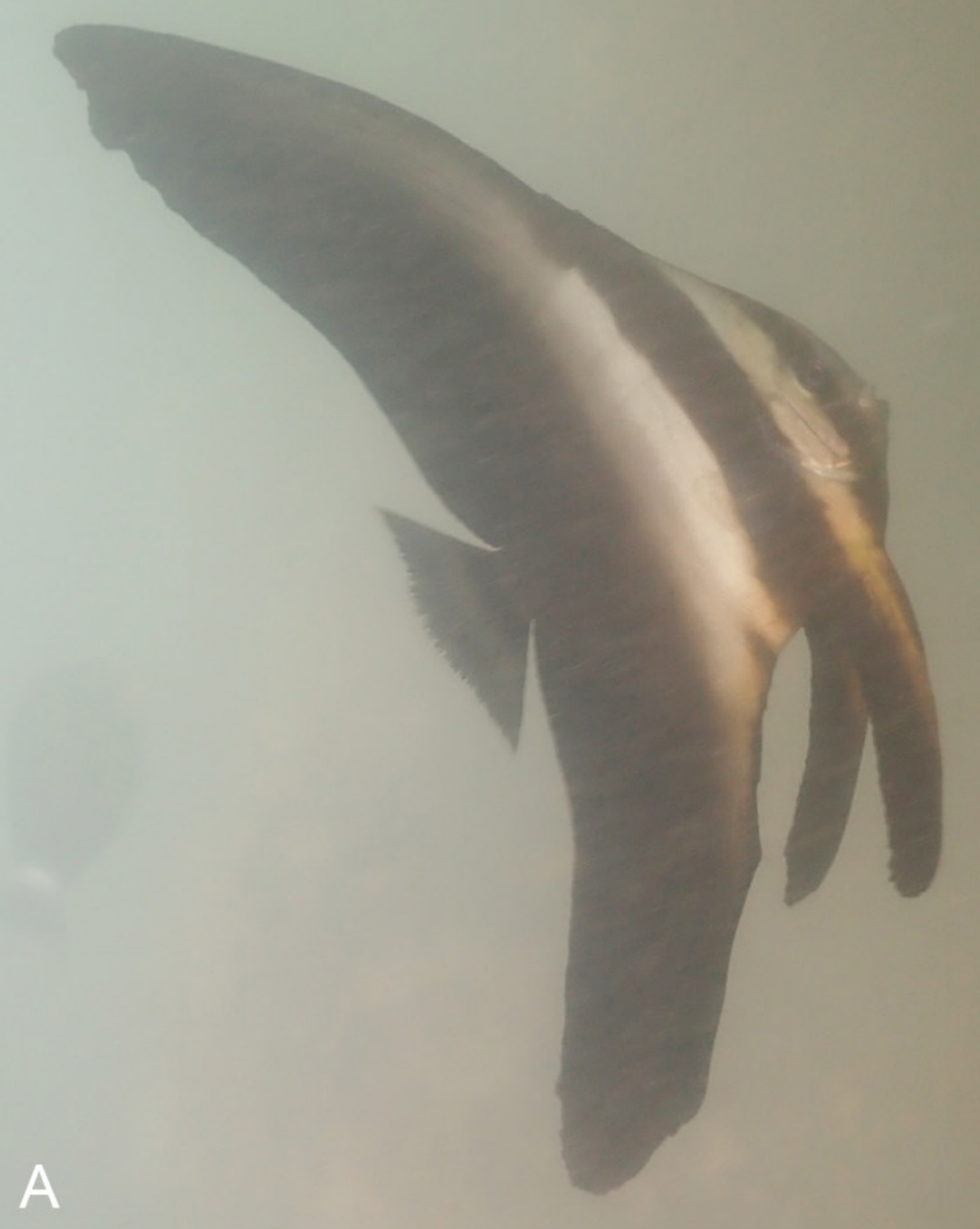
Longfin batfish, scientifically known as Platax teira, are a species of “brackish-water” fish typically found in the Western Pacific Ocean, researchers said. As juveniles, batfish have “elongated and large fins,” which “transform into a highly compressed, disc-shaped body in adulthood.”
Photos show the longfin batfish, all juveniles, seen at two sites in the Gulf of California. Their bodies appear triangle-shaped with thick black and white bands. Researchers described them as having a “stretched appearance.”
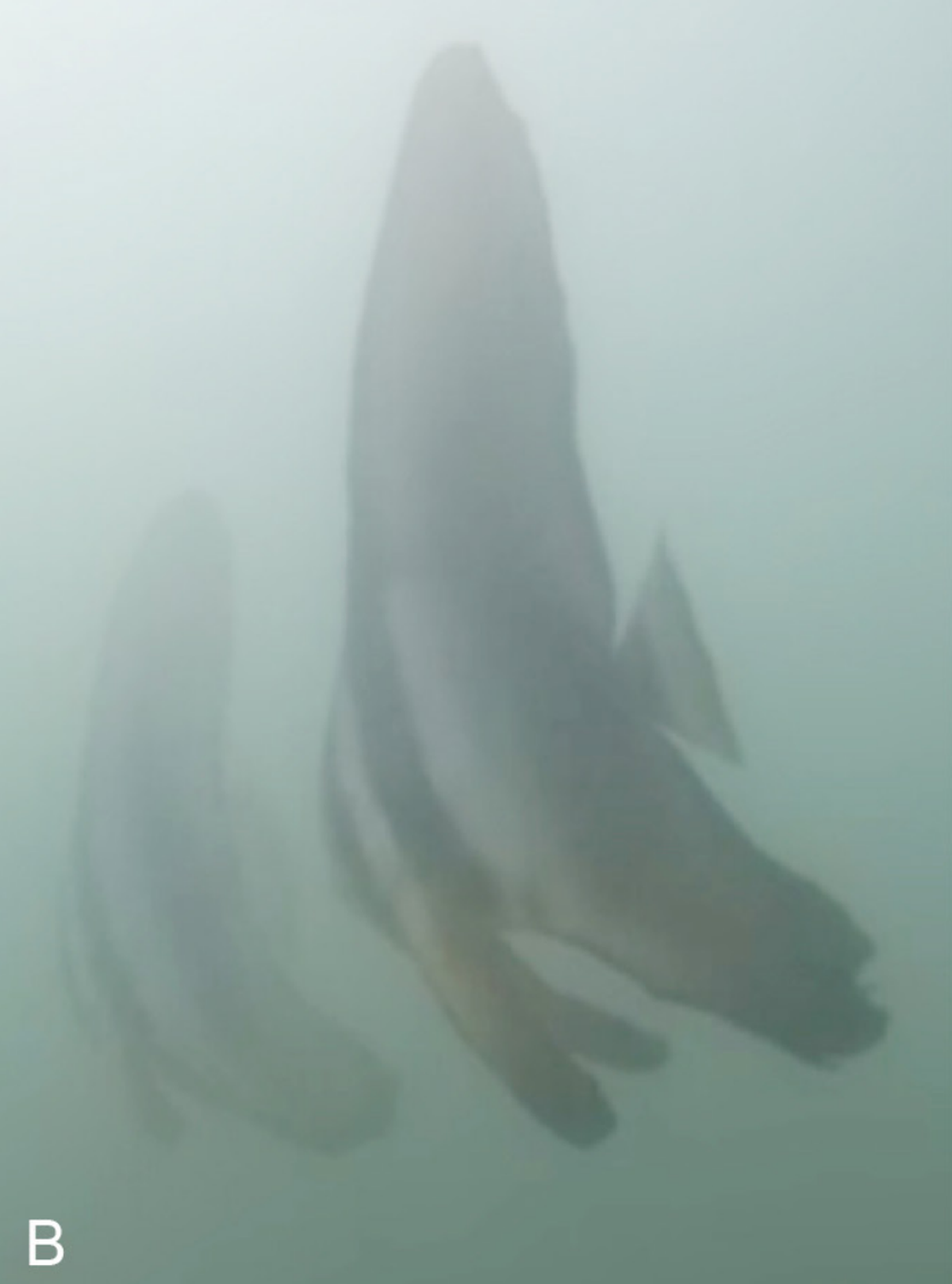
Researchers saw the longfin batfish “swimming calmingly around the rocky bottom,” interacting with other fish near a buoy line and feeding on algae.
The longfin batfish were likely brought to Mexico through the aquarium trade and later released, the study said.
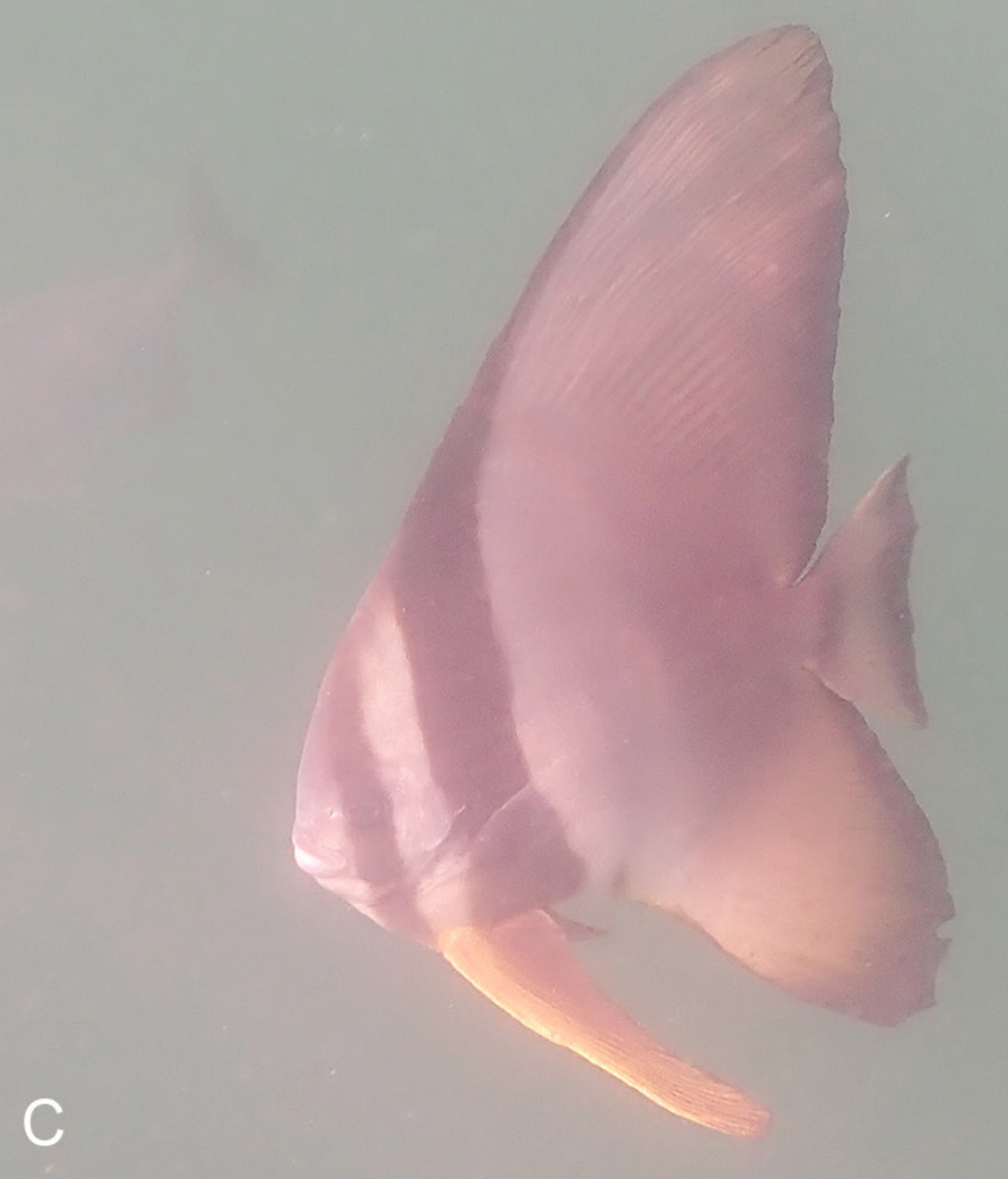
The first-of-their-kind sightings raise “concern about the potential invasiveness of this species in the Tropical Eastern Pacific,” researchers said. “Given this species’ scattered presence in multiple sites across the region, continued monitoring is necessary to track its spread.”
The Gulf of California is between the western coast of mainland Mexico and the country’s Baja California Peninsula.
This story was originally published April 10, 2025 at 8:13 AM with the headline "Scuba divers spot ‘long’-finned creature in first-of-its-kind sighting in Mexico."