Visitors find large reptiles on Greek island in first-of-their-kind sightings
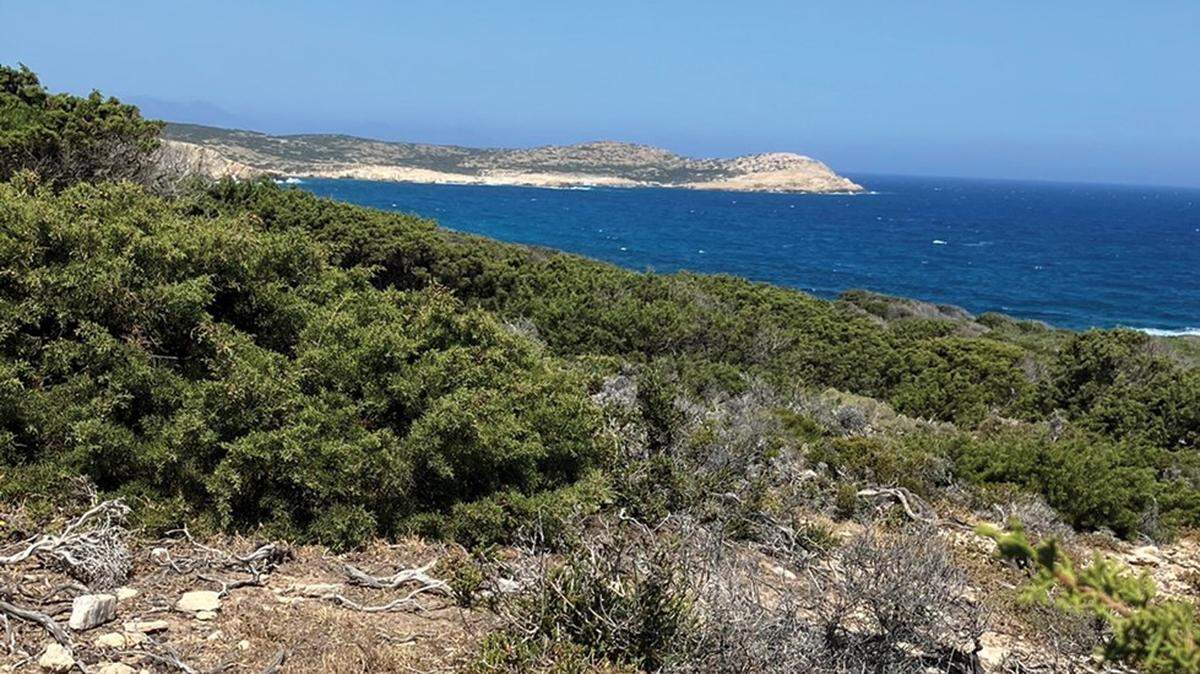
A group disembarked from a boat and surveyed the uninhabited Greek island in front of them. Most visitors come for the ancient ruins or the goat grazing, but they had another goal in mind: find some reptiles.
The team of scientists visited Despotiko island, a tiny island in the Aegean Sea, several times in June 2024 to search for reptiles and amphibians. The “Aegean Islands are a known hotspot” for these animals so most islands “have been extensively studied” — but not Despotiko, according to a study published April 3 in the peer-reviewed journal Herpetozoa.
“Records of fauna on Despotiko are relatively limited,” researchers said. Scientists had surveyed the island in the 1970s as part of a regional project but only identified five reptile species.
In hopes of finding some more animals, researchers spent several days systematically walking sections of the island and “flipping rocks,” the study said. They also spoke to archaeologists, the island’s most routine visitors, about “past ad-hoc” animal sightings.
Their efforts paid off. The team recorded two first-of-their-kind reptile sightings for Despotiko.
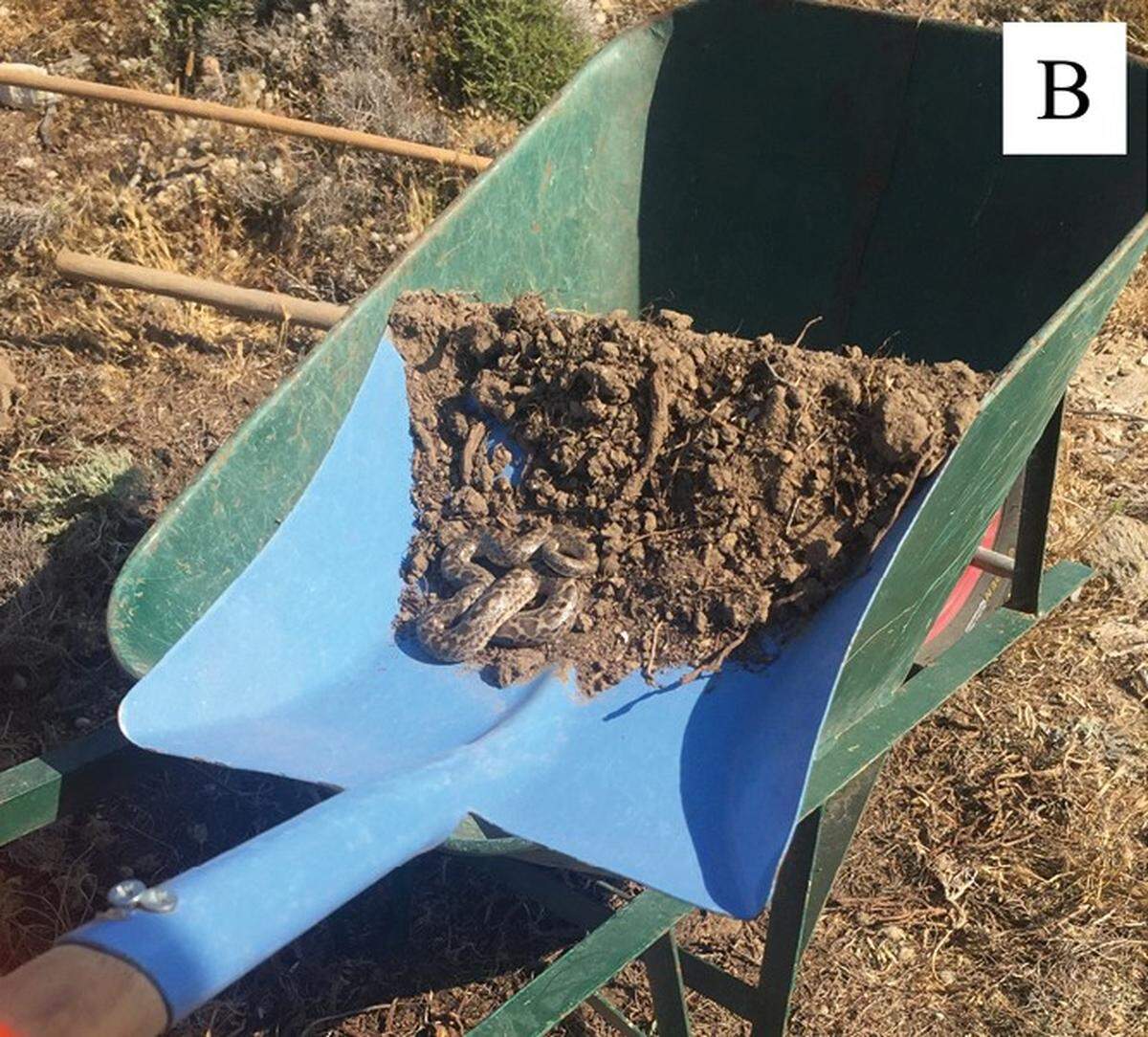
The first new record involved Eryx jaculus, or the javelin sand boa, from 2019, the study said. A group of archaeologists reported finding the snake “curled under a white rock.” A photo shows the patterned snake coiled up on a shovelful of dirt.
“Reptiles in Greece often use archaeological sites (for hibernation) and, when excavations resume in the spring, it is quite common for archaeologists to encounter snakes,” researchers said. Still, “the javelin sand boa follows a cryptic behavioural pattern and, thus, is rarely observed.”
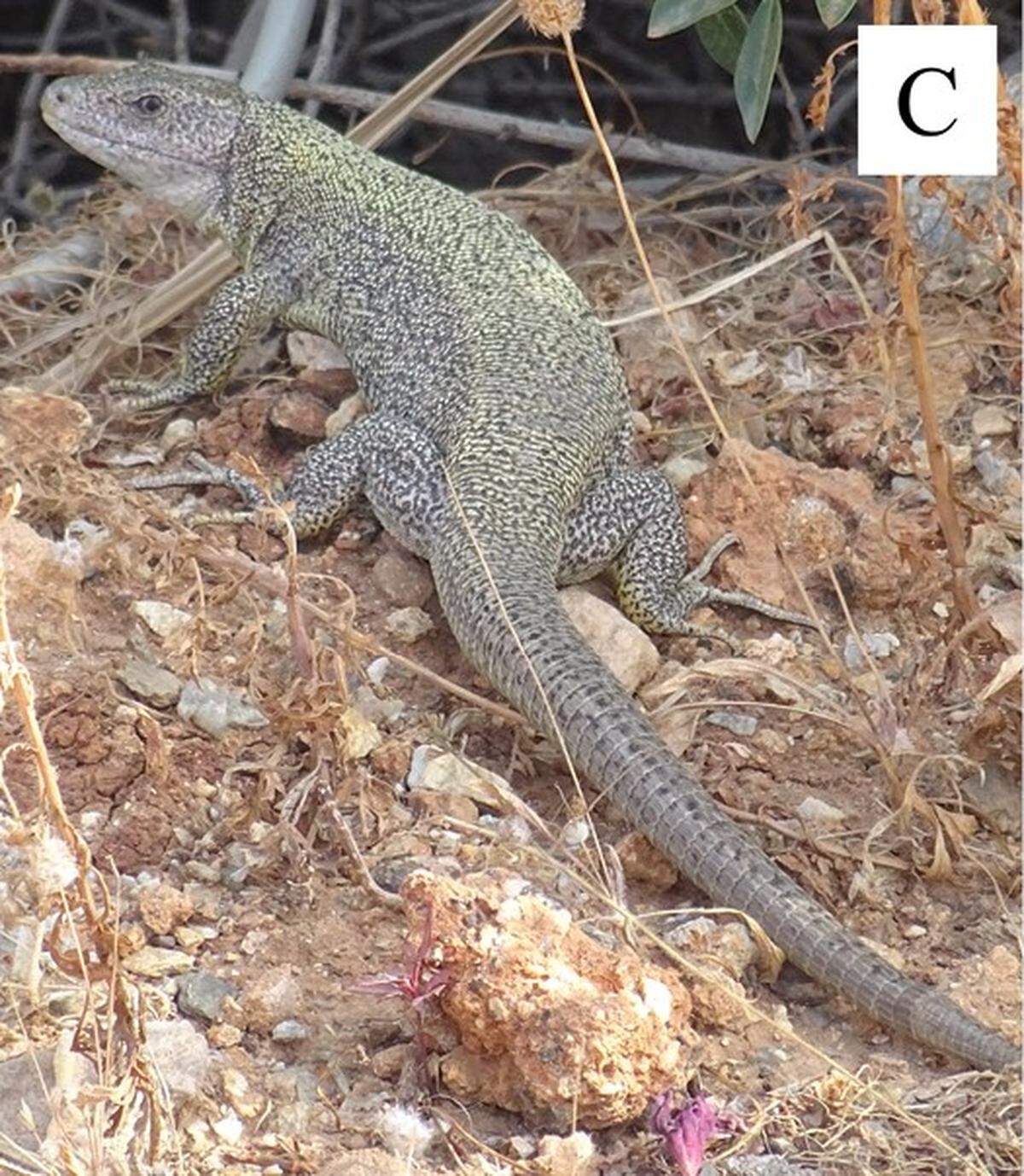
The second new record involved Lacerta citrovittata, a large lizard species referred to as both the Cycladic green lizard and the Tinos green lizard. Researchers found two of these lizards during their surveys and heard of two more sightings from “within the archaeological site.” A photo shows one of these lizards.
Researchers also found geckos, skinks and several other species of snake and lizard, the study said. They also noticed the island’s “enclosed archaeological site had greater reptile diversity and richness than outside the site.”
No amphibians were found.
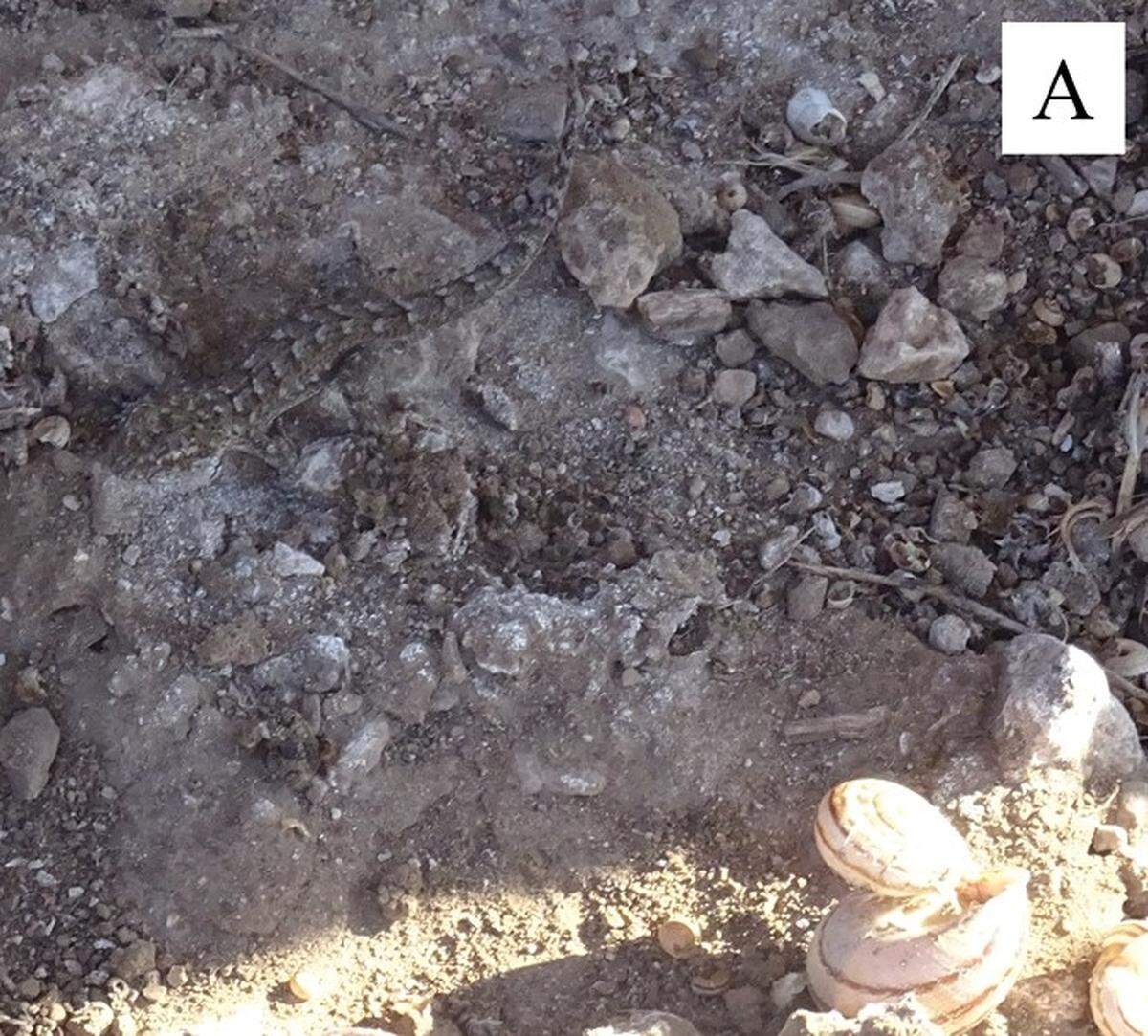
“Our study on Despotiko (reptiles and amphibians), with two new records, comes to improve our knowledge and understanding of the reptilian diversity of the archipelago,” researchers said.
Despotiko is off the southeastern coast of mainland Greece and roughly midway between Greece and Turkey.
The research team included Jennifer Rose Poole, Joshua Smith, Thomas Hesselberg and Panayiotis Pafilis.
This story was originally published April 9, 2025 at 11:04 AM with the headline "Visitors find large reptiles on Greek island in first-of-their-kind sightings."