Egg-laying mammal — feared locally extinct after wildfire — rediscovered in Australia
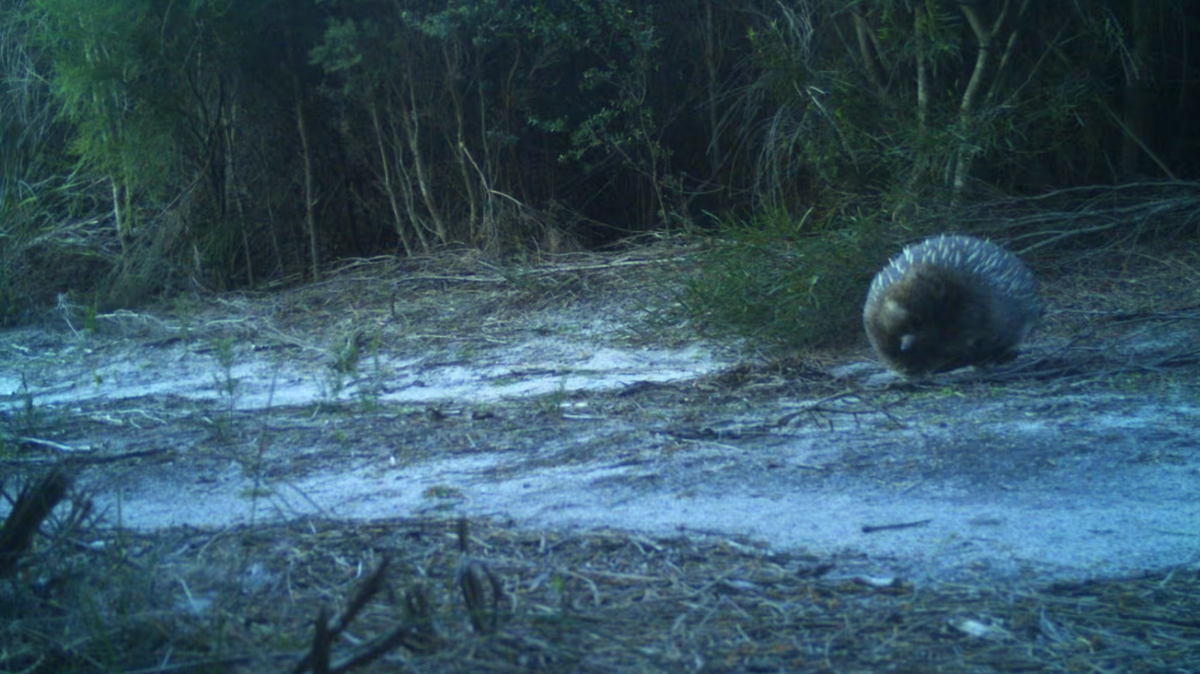
On a small island off the southern coast of Australia, a spiky mammal emerged from the forest and walked through a clearing. Its brief appearance, captured by a nearby trail camera, turned out to be “monumental.”
For the past two years, rangers with the Tasmanian Aboriginal Centre set up trail cameras across Clarke Island, also known as Lungtalanana Island, to survey the “remaining wildlife,” World Wildlife Fund (WWF) Australia said in a March 19 news release.
The trail cameras are one part of an ambitious plan to “restore the island” and bring back “culturally significant native species” after “European colonization wiped out most native species,” WWF said.
Rangers were recently reviewing trail camera images when they saw “a totally unexpected sight”: an echidna, the organization said.
Echidnas are egg-laying, insect-eating mammals native to Australia, according to the Australian Museum. The country has only one species, the short-beaked echidna, which can be found throughout the mainland.
“For decades, no one had seen an echidna on Lungtalanana Island,” WWF Australia said in a March 19 Facebook post. After a “devastating” wildfire in 2014, echidnas were feared locally extinct.
But these trail camera photos proved otherwise.
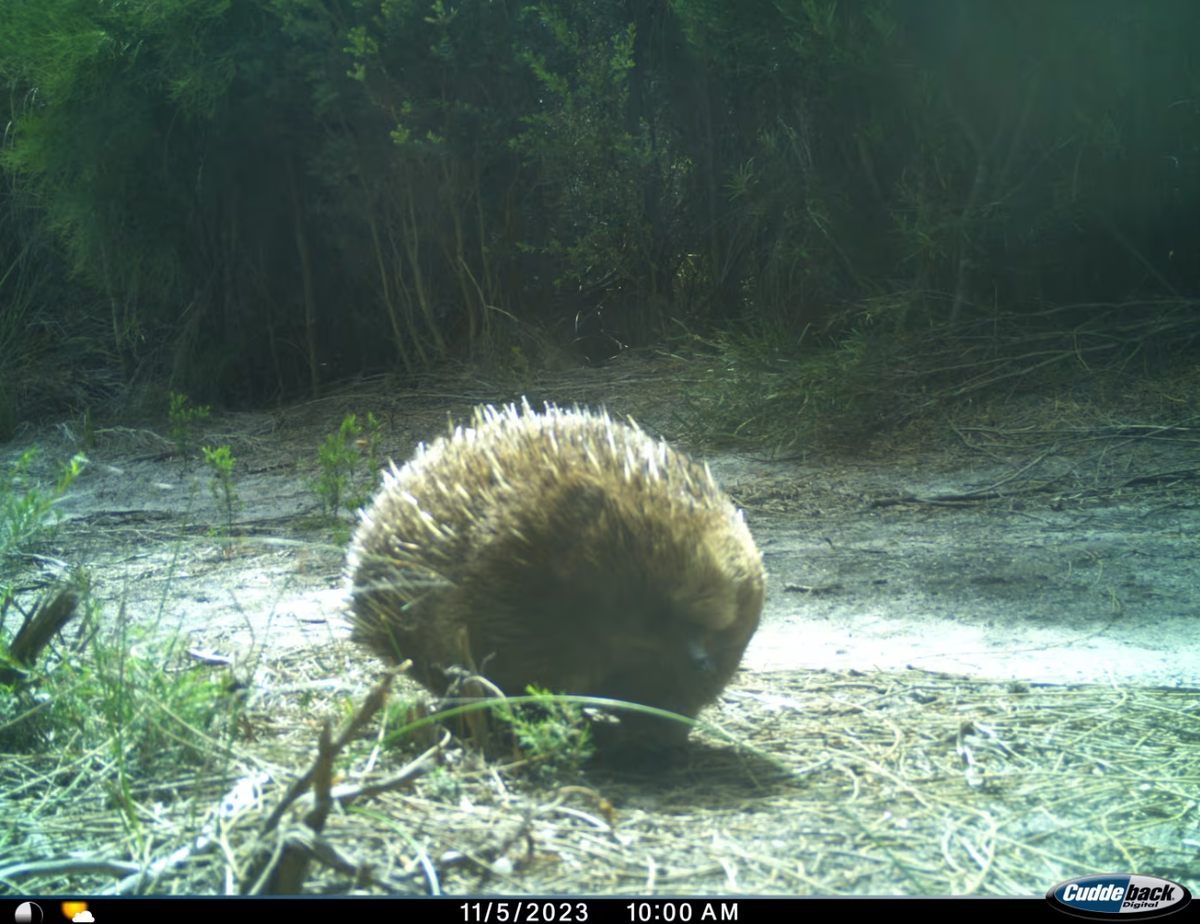
Photos show the spiky, brown and white echidna walking in a clearing. The photos were taken in August and November 2023 and probably show the same echidna, conservationists said.
“We the Pakana Rangers were so excited to discover the island still had trimanya,” the name for echidna in the aboriginal palawa kani language, according to Kulai Sculthorpe, a Pakana Ranger supervisor.
“The importance of having trimanya back on the island is monumental,” Sculthorpe said in the release. “These little guys will fit in perfectly to the cultural landscape we are trying to reinstate there, especially with the ecological values they bring.”
But is this echidna the last one on Clarke Island? Or are there more hiding out there? Rangers don’t know yet but “are determined to find out,” WWF said.
“For all the hardships our Country has faced and also our community it’s the little moments like these that really ignite the fire underneath us all and provide that hope there is a future where our Country can be healthy again,” Sculthorpe said.
Clarke Island sits off the southern coast of mainland Australia and north of Tasmania.
This story was originally published March 26, 2025 at 6:14 AM with the headline "Egg-laying mammal — feared locally extinct after wildfire — rediscovered in Australia."