River creature ‘with tiny scales buried beneath’ its skin discovered as new species
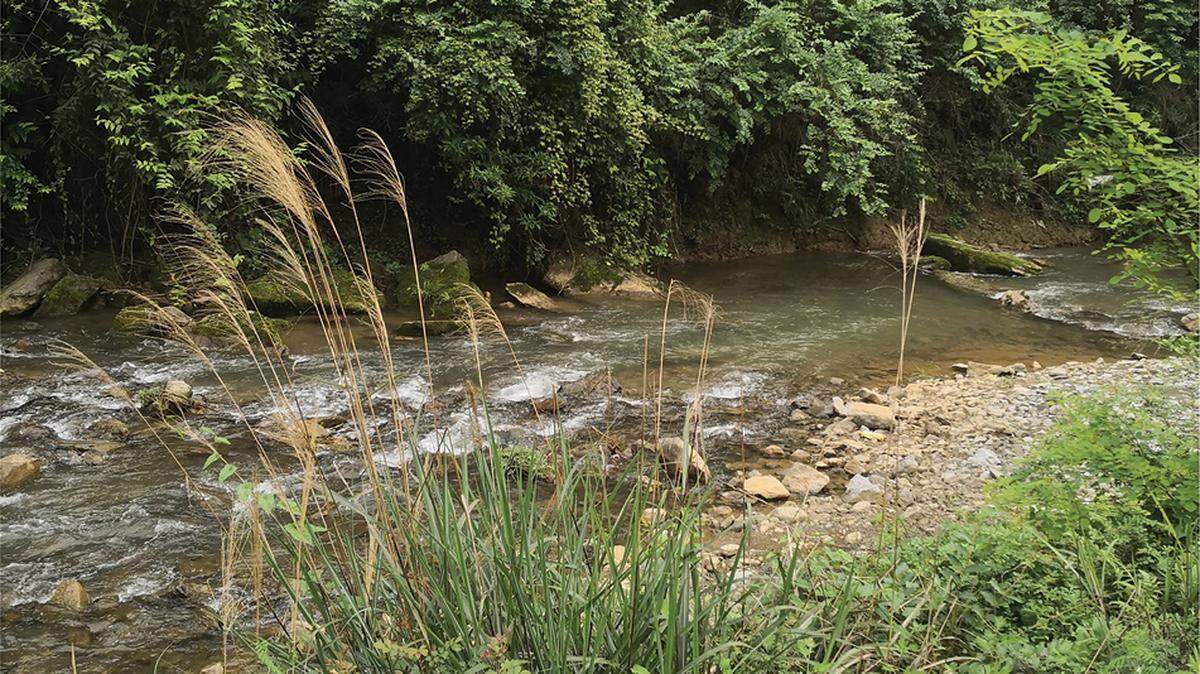
In a river of southern China, a “slender” creature with “tiny scales” under its skin paused to rest along the gravel riverbed. Its coloring helped it blend in, but not well enough.
Nearby scientists noticed the striped animal — and discovered a new species.
Researchers visited an undersurveyed river in Guizhou Province in 2020 to document its aquatic life, according to a study published Feb. 13 in the peer-reviewed journal Zoosystematics and Evolution.
During the visit, researchers caught dozens of “slender” fish, the study said. At first glance, the fish looked like another known species but, on closer inspection, several unique features stood out.
Researchers soon realized they’d discovered a new species: Homatula gelao, or the Gelao loach.
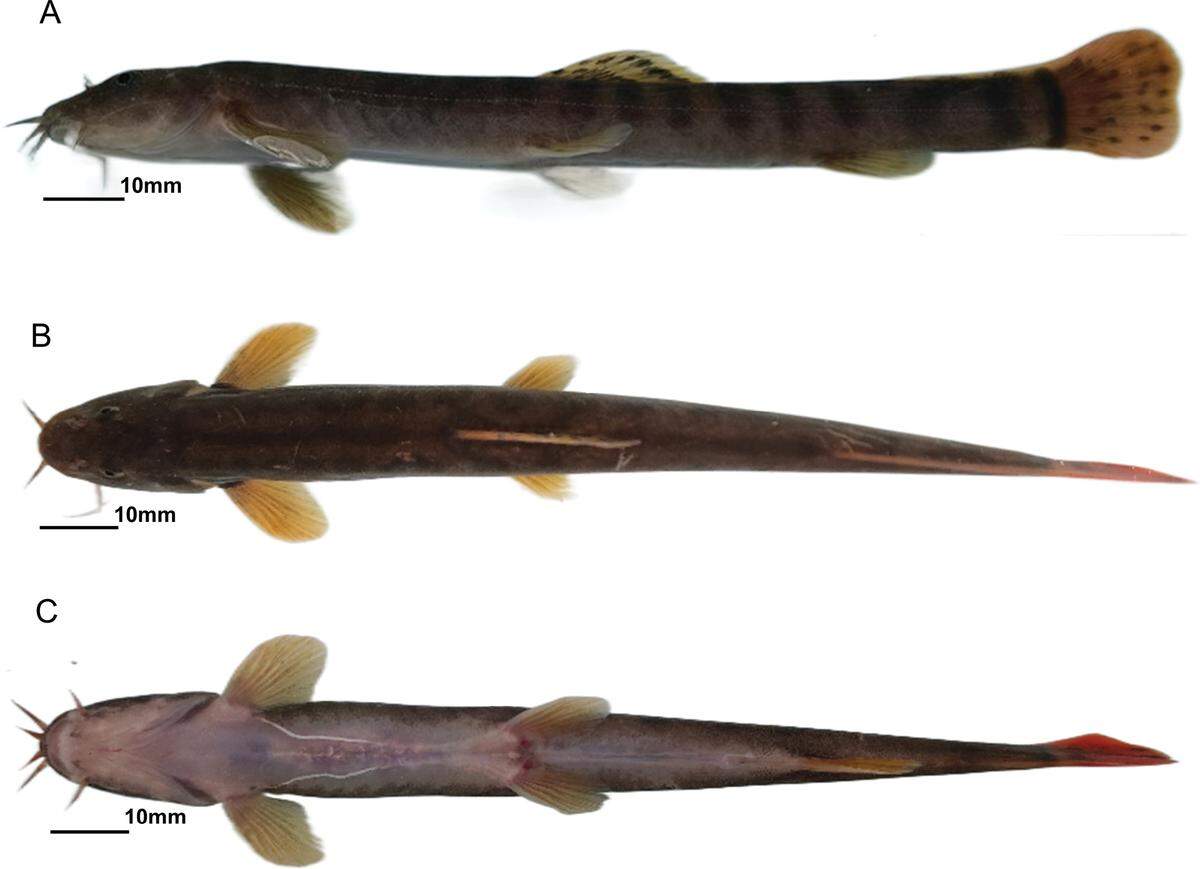
Gelao loach fish have “elongated” bodies, reaching over 5 inches in length, the study said. They are largely “scaleless,” but their sides are “sparsely covered with tiny scales buried beneath (their) skin.” Their “short” heads have “small” eyes and “thick, fleshy” lips.
Photos show the dark brown coloring of the new species. Its sides have some blackish stripes, its fins are pale yellow and its underside is pinkish.
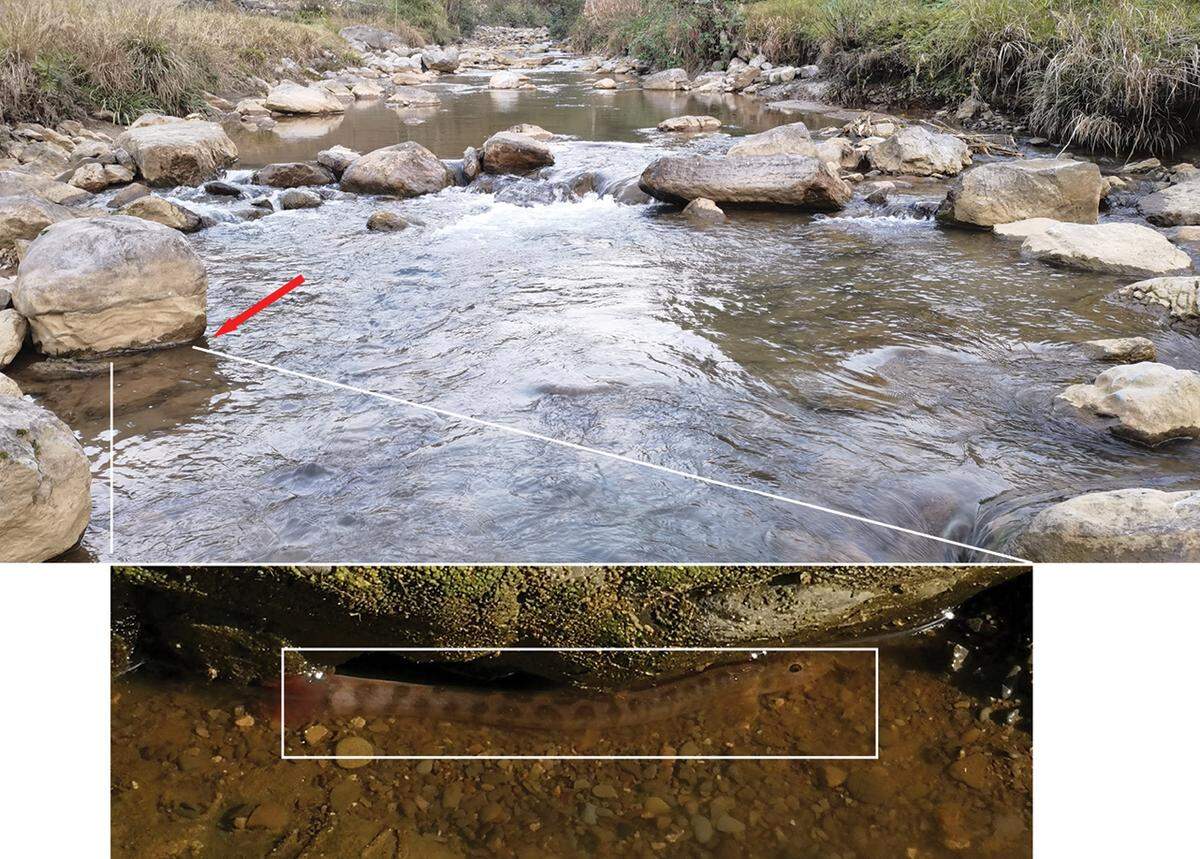
Gelao loaches were found “at the bottom of underwater gravels with swirling currents,” the study said. A photo shows one fish in its natural river habitat. Based on its physical features, researchers suspect the new species lives in a “frequently turbulent” environment and requires “agile movements” to survive.
Researchers said they named the new species after the Gelao people, an ethnic group living in China and Vietnam. The name also refers to the Daozhen Gelao and Miao Autonomous County, where the species was first discovered and, so far, the only place it has been found.
The Daozhen Gelao and Miao Autonomous County is in Guizhou Province of southern China and a roughly 1,160-mile drive southwest of Beijing.
The new species was identified by its body shape, scales, fin shape, coloring and other subtle physical features, the study said. DNA analysis found the new species had at least an 8% genetic divergence from other related loach species.
The research team included Gui-Bang Xiao, Qi-Wei Guo, Liang Cao, Jia Lin, Wei-Xi Deng, Qi-Qi Xiao, Lin Zhou, Hao-Ran Zhang and Ding-Zhi Fang.
This story was originally published February 20, 2025 at 11:32 AM with the headline "River creature ‘with tiny scales buried beneath’ its skin discovered as new species."