Rainforest creature — with babies on its back — discovered as new species in Cuba
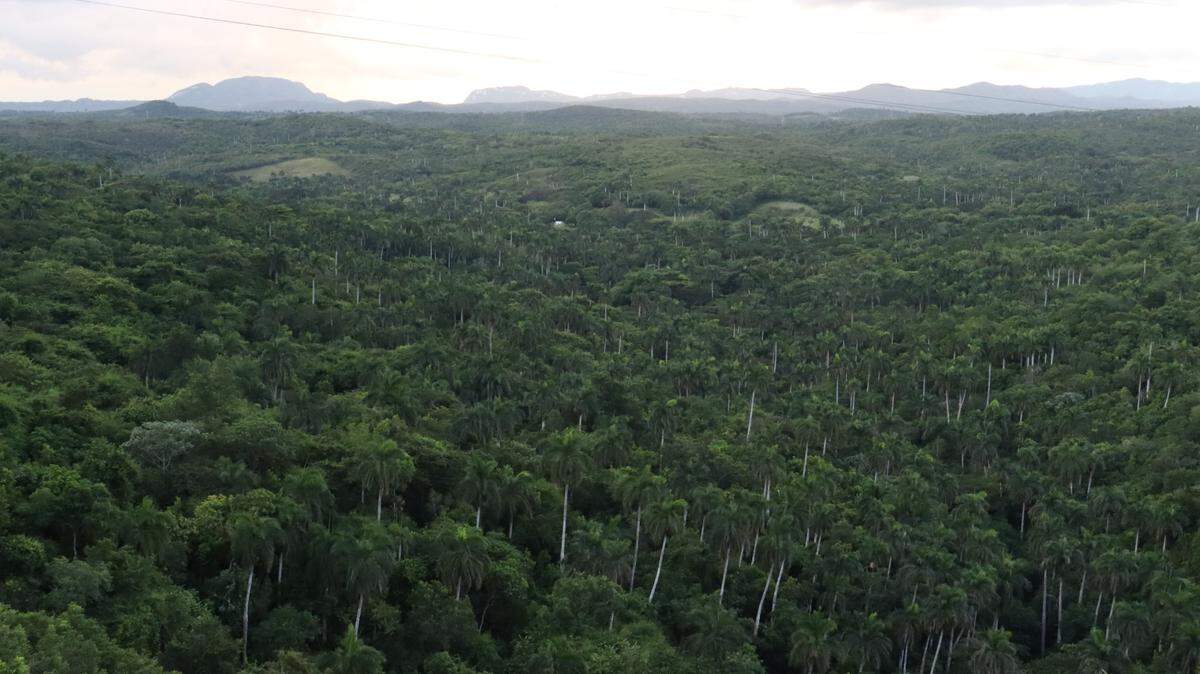
In a rainforest of Cuba, a clawed creature and its babies hid under some rocks — or tried to at least. Passing scientists flipped over the stones and noticed the lurking animals.
They turned out to be a new species.
A team of researchers hiked into a rainforest in Bacunayagua in 2022 to search for scorpions, according to a study published Nov. 11 in the peer-reviewed journal Euscorpius. They checked under some rocks and noticed some “reddish brown” scorpions.
Intrigued, researchers captured the animals and kept them alive in a laboratory for observation.
Rolando Teruel Ochoa, a Cuban arachnologist, soon “discovered that (the scorpions) represented another new species,” the study said. “He planned to describe them before his death, but death was faster.”
After Ochoa’s death in 2023, his wife and colleagues decided to “describe the new species in his honor,” the study said. They named it Tityopsis rolandoi, or Rolando’s scorpion.
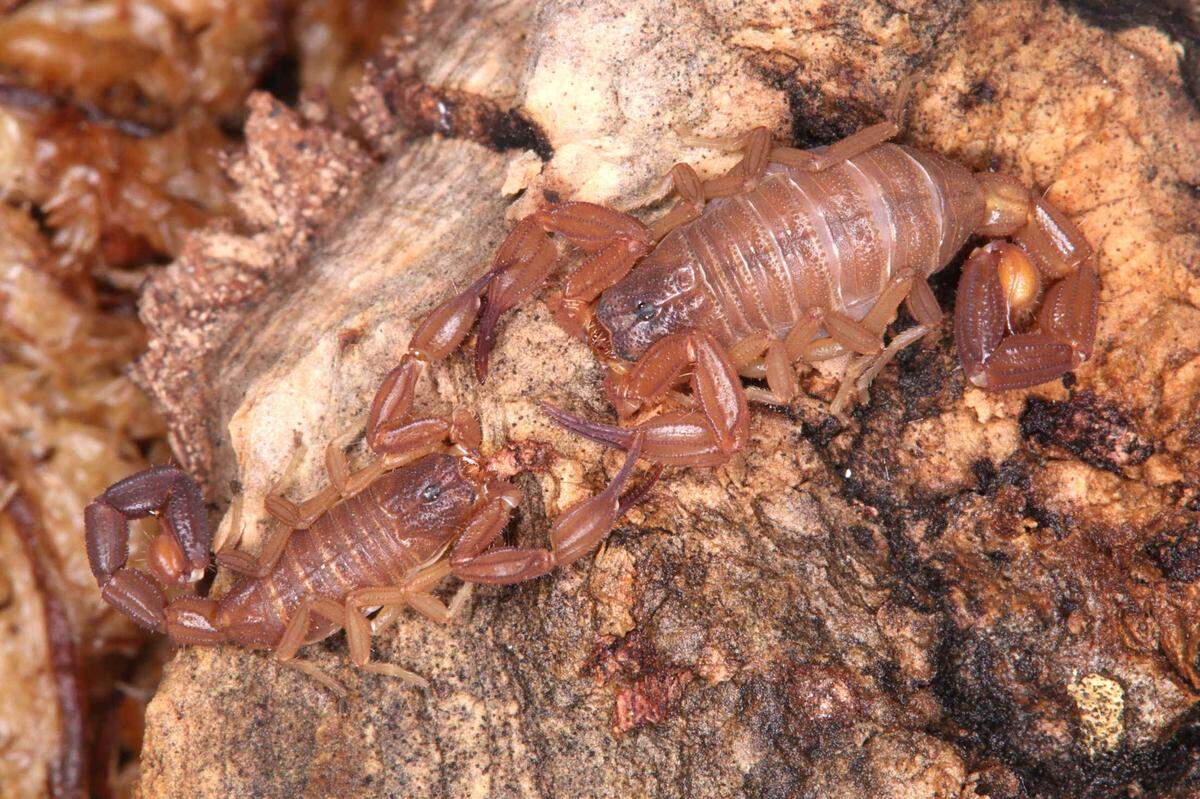
Rolando’s scorpions are considered “small,” reaching just over 1 inch in length, the study said. They have eight eyes, textured bodies and “slender” legs.
A photo shows a mating pair of Rolando’s scorpions. The female is “conspicuously larger” than the male, the study said.
The new species lives in a “very dense” rainforest with a “deep layer” of leaves, rocks and loam soil, researchers said. The scorpions were “found hiding directly under rocks or dead trees” and likely “hunt and move under the rocks and deep in the leaf litter without coming to the surface a lot.”
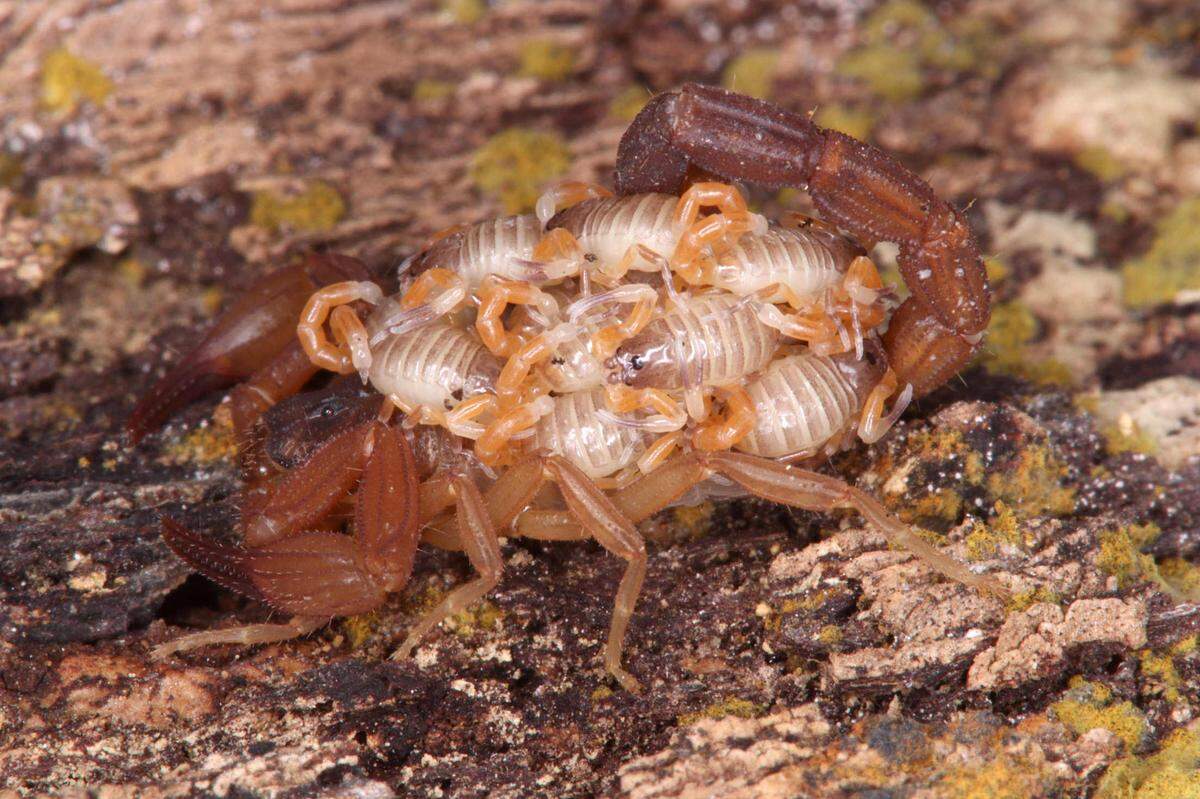
Researchers found juvenile and adult scorpions together, indicating the new species “reproduces during the whole year.”
In captivity, Rolando’s scorpions “reached adulthood” at about 1 year old and “and give birth 4-6 months after mating,” the study said. Females typically birthed between 11 and 18 babies. A photo shows a female scorpion with several babies on its back.
Sheyla Yong, one of the study’s co-authors, posthumously thanked Ochoa “for ‘so much’: for being her best taxonomy advisor, colleague, friend, life partner and husband.”
So far, the new species has only been found in Bacunayagua, a coastal village in northwestern Cuba and a roughly 50-mile drive east from Havana.
The new species was identified by its fingers, body shape, texture and other subtle physical features, the study said. Researchers did not provide a DNA analysis of the new species.
The research team included František Kovařík, Mark Stockmann, František Šťáhlavský and Yong.
This story was originally published November 20, 2024 at 10:17 AM with the headline "Rainforest creature — with babies on its back — discovered as new species in Cuba."