‘Large’ creature with ‘feather duster-like’ legs found in Cuba. It’s a new species
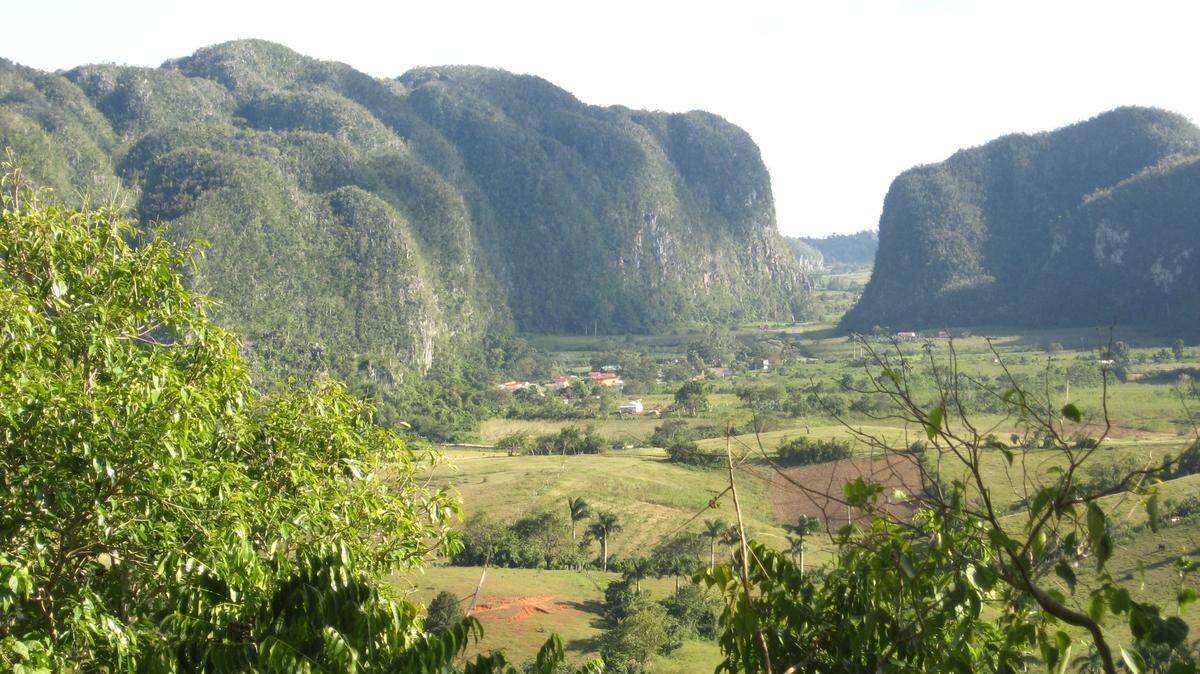
At night in a national park of Cuba, a “large” creature walked along a rocky edge on its “feather duster-like” legs. The “unique” animal caught the attention of a nearby scientist — and for good reason.
It turned out to be a new species
“Everything about this tarantula … was mind-blowing,” David Ortiz wrote in a Nov. 15 Facebook post. “It looked large and hairy, like an arboreal (tree-dwelling) tarantula, but there are no known arboreal tarantulas in Cuba.” At first, he thought his “playful” colleague Elier Fonseca was pranking him.
Fonseca found the unusual tarantula in Viñales National Park in 2008, but its identity remained a mystery until he tracked down three more similar-looking spiders between 2015 and 2018, Ortiz and Fonseca wrote in a study published Nov. 15 in the peer-reviewed Journal of Natural History.
Using DNA analysis, researchers confirmed their suspicions and realized they’d discovered a new species: Trichopelma grande, or the grande tarantula.
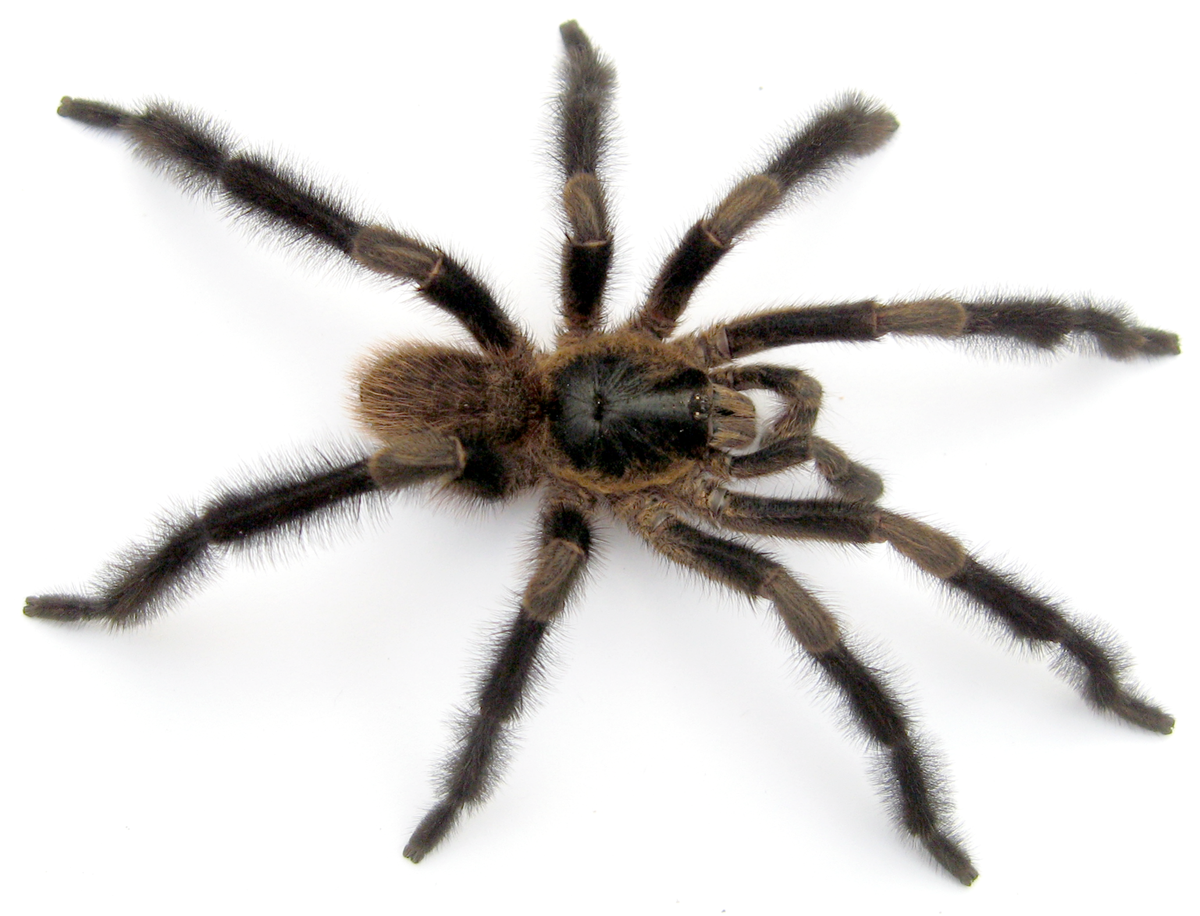
Grande tarantulas can reach about 1 inch across and are the “largest and the hairiest” known Trichopelma spiders “but (are) not really (large) for tarantulas in general,” Ortiz told McClatchy News via email.
A photo shows the “visually striking” new species and its eight “feather duster-like” legs. Its body has alternating sections of black and brown hair.
In the study, researchers said that “the artificial intelligence system ChatGPT (OpenAI) was employed for language improvement across this manuscript.”
Grande tarantulas live in forests and are ground-dwellers known to build “trapdoor burrows,” the study said. Adult males are “nomadic,” roaming around in search of females.
Like other tarantulas, the new species is probably a “generalist” predator, feeding on insects or other spiders, and likely has a “very mild sting, probably less powerful than a bee sting,” Ortiz said.
Researchers said they named the new species after the Spanish word “grande,” meaning “large” or “great,” because of its size.
Researchers don’t know much about the new species’ lifestyle or why it’s so big and hairy. No female grande tarantulas have been found.
The new species is probably rare and likely went unnoticed because of its limited distribution and general scarcity, the study said. So far, it has only been found at four sites in Viñales National Park, a popular park on the western side of Cuba and a roughly 120-mile drive southwest from Havana.
This story was originally published November 19, 2024 at 12:51 PM with the headline "‘Large’ creature with ‘feather duster-like’ legs found in Cuba. It’s a new species."