RIP SLO oak tree: You’re not the only to be lost in the name of development
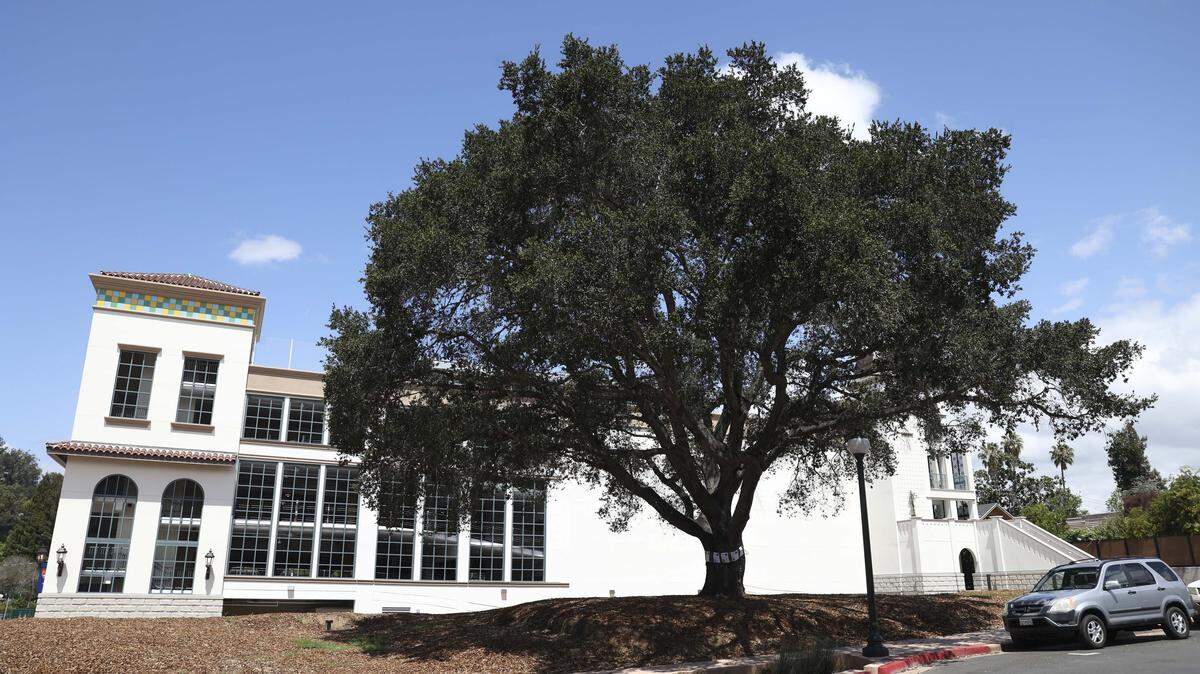
Oak trees are always jumping in the way of developers.
When Atascadero was founded they used dynamite to blow up the pesky trees.
It’s a recurring theme.
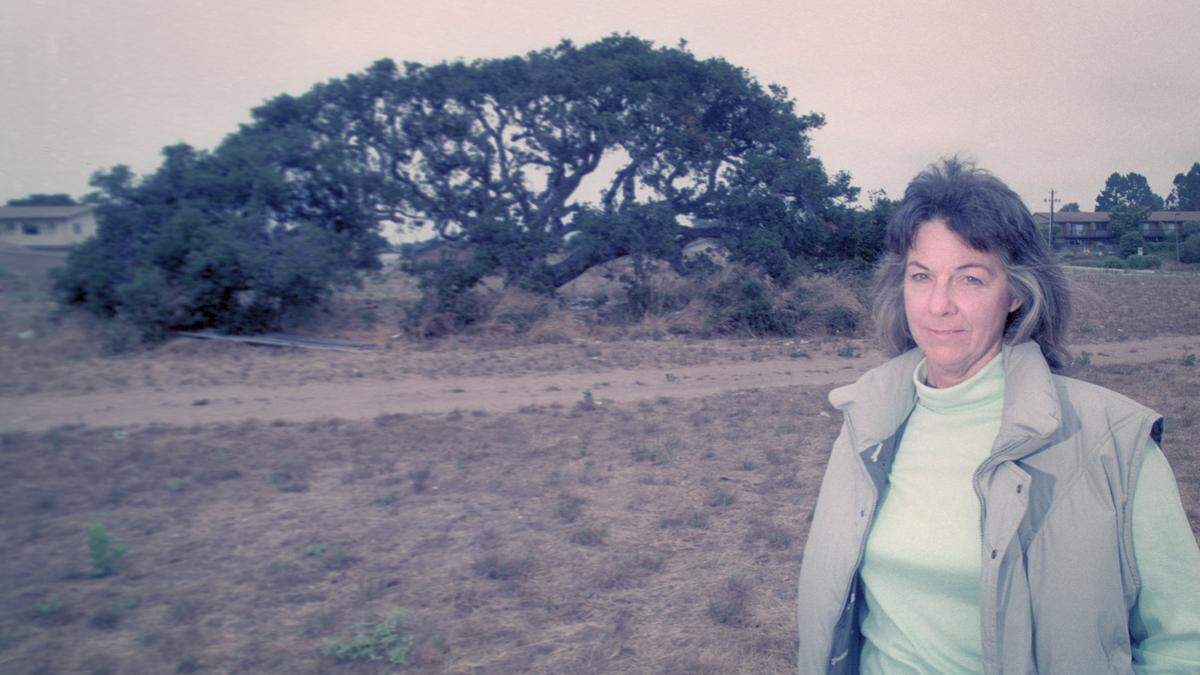
A pair of stately oaks on Grand Avenue in Arroyo Grande were sacrificed for commercial development in the 1990s.
Justin Vineyards fell into a public relations disaster in 2016 when it felled thousands of oaks to expand vineyard plantings.
So without researching, those are three quick examples of oaks losing to developers.
And a coast live oak in San Luis Obispo is slated to be next.
After decades of trying to find a permanent home, the San Luis Obispo Repertory Theater is prepared to move to a proposed $21.5 million theater on public land at Monterey and Nipomo streets.
The 99-year lease, at $1 a year, had specified that measures be taken to preserve the tree, but design for the building tramples the roots and hack away 35% percentage of canopy.
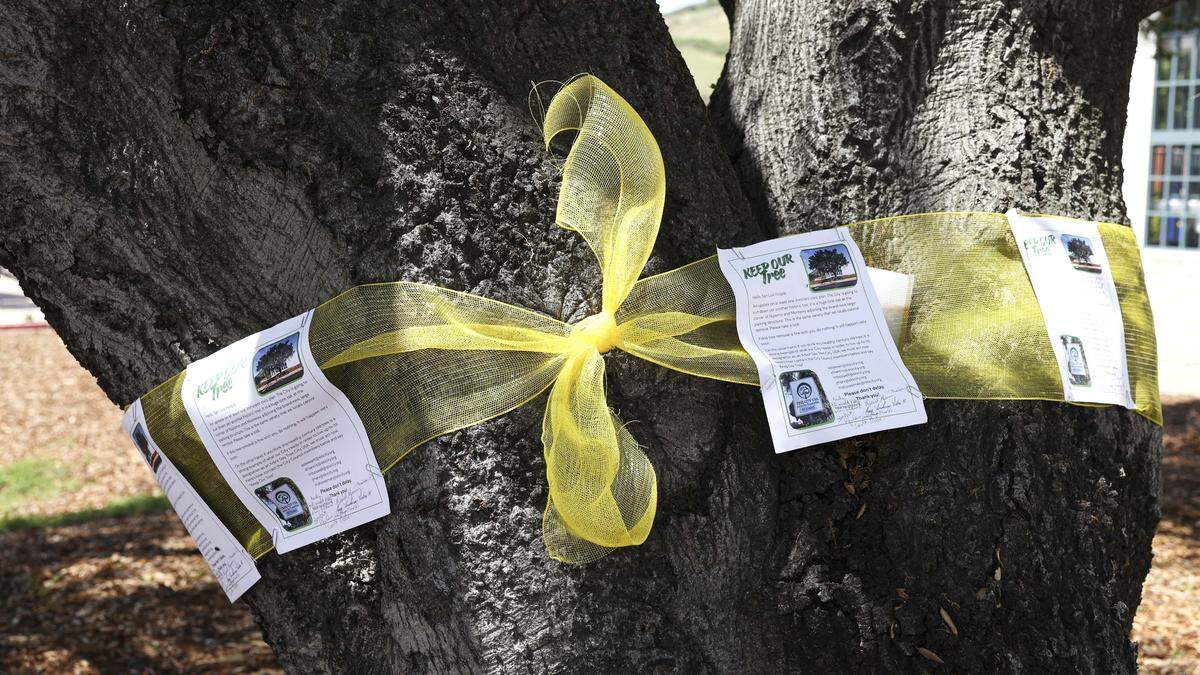
This tree is estimated to be between 65 and 96 years old. They can live up to 250 years.
However, an arborist’s report states that the tree is unlikely to survive construction for the SLO REP theater.
The oak apparently didn’t apply to become a heritage tree. Perhaps it had a distaste for the paperwork, which is made of wood pulp.
Completely understandable.
But trees are taken for granted. They need a little rizz.
I did a little brainstorming with reporters who sort through the latest bureaucratic buzzwords.
Maybe the city needs to designate the tree as a green-friendly, LEED compliant multi-modal heat mitigation, carbon capture, anxiety reduction and native species habitat structure.
Because the chainsaw isn’t the only way — and in the lexicon of our times — frfr, no cap.
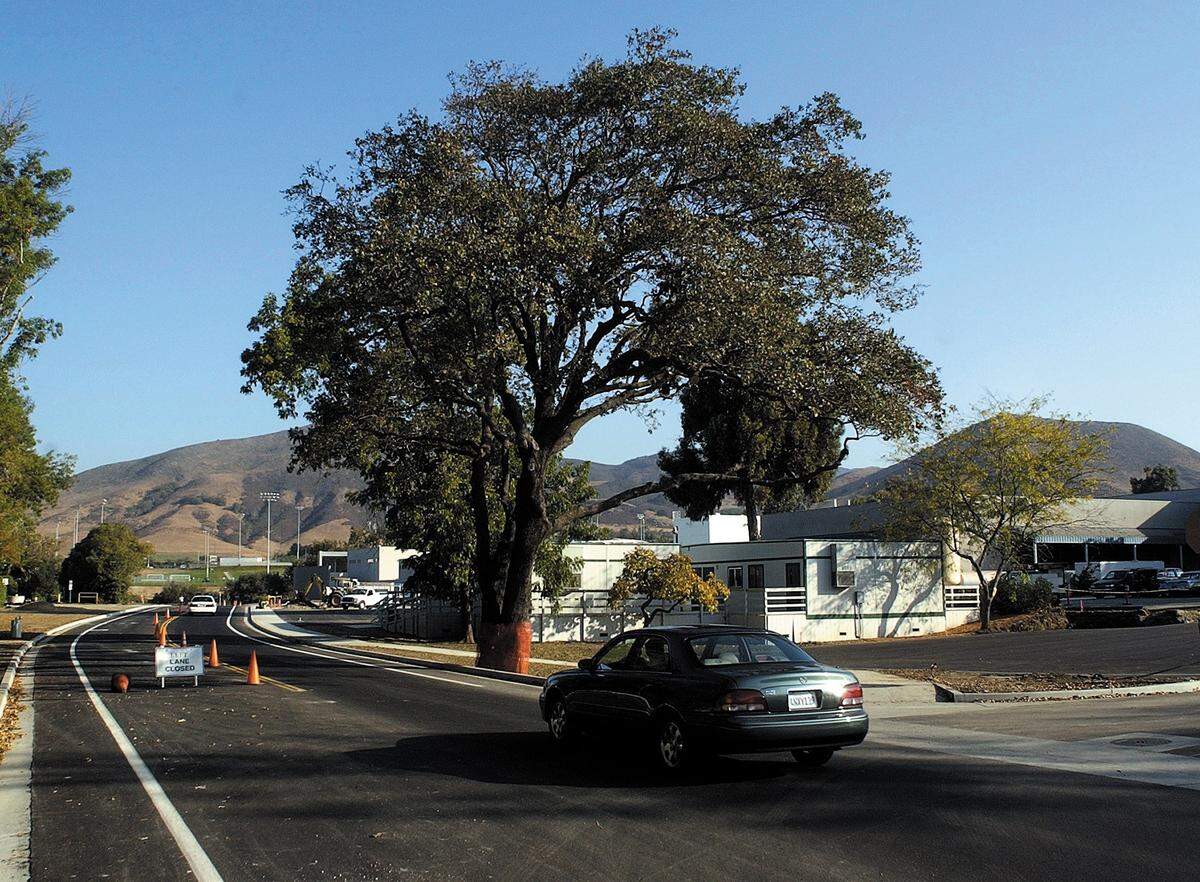
Cal Poly spared their Founder’s Tree when California Boulevard was extended to Highland and a parking lot was reconfigured.
The valley oak was planted by the first graduating class in 1906, and saved in 2004.
The university decided foregoing five potential parking places was better than grinding living history into sawdust.
That tree seems to be doing fine for now, long after the original planters have left this world, providing shade and calming traffic.
Logo designs often have oaks but rarely parking spaces. El Paso de Robles is the best local example.
William Randolph Hearst loved old trees so much he spent vast sums to relocate mature oaks to bring magic to La Cuesta Encantada, the enchanted castle on the hill.
Not many have pockets that deep.
Though we love to name things Oak Park, Fair Oaks, Royal Oaks, Oak Crest but often those developments stand where oaks used to be.
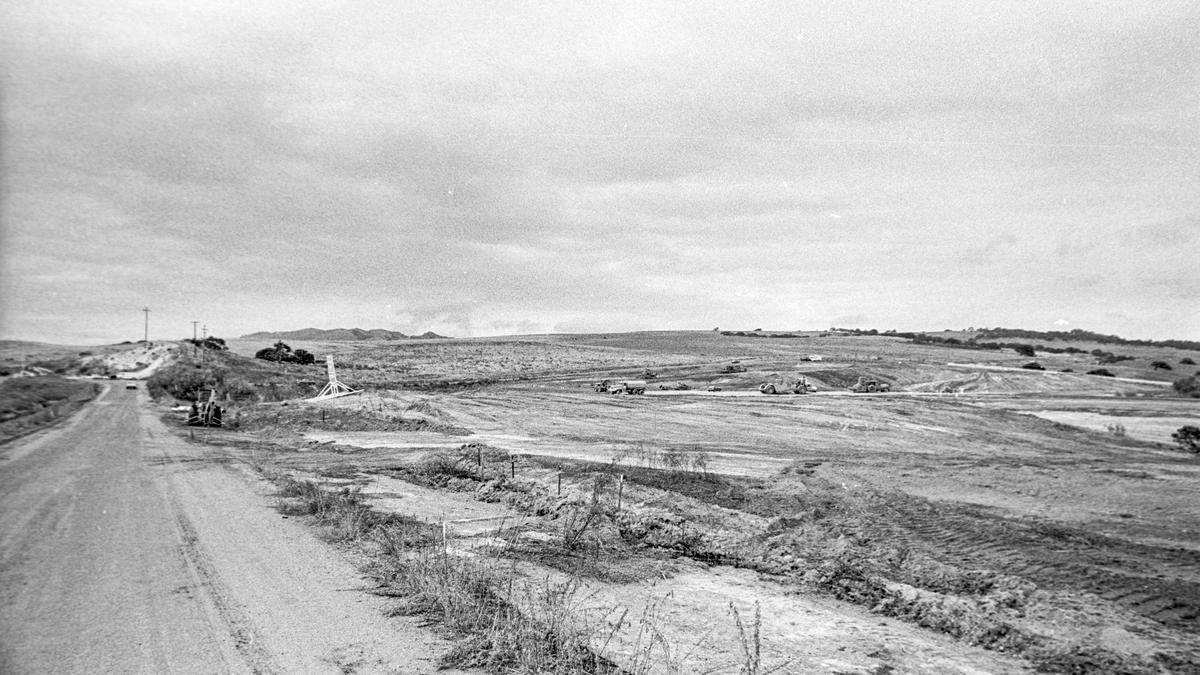
One of the most ambitious tree replacement programs locally was when the State Water Project built their coastal branch. They planted a large proportion of small oaks to replace the mature ones that fell to bulldozers.
I wonder if there has been a follow-up to see how many trees have survived since construction of the 100-mile Coastal Branch 1993-97.
Trees provide shade, something that urban areas desperately need.
Cities with trees can be cooler by up to 12 degrees Celsius, or 17 degrees Fahrenheit. People are happier connected to nature.
I am admittedly far too late to this discussion with unsolicited ideas that may have already been considered.
The tree will probably be brought down and theater put up.
But the Art Center made an inspired leap to downtown when their plan for massive rebuild at their present location did not come together.
They are renovating and moving some operations to a high visibility location on Higuera Street — downtown where there are plenty of vacancies.
There are still some big spaces open there and precedent with movie theaters already on Palm, Marsh and Monterey streets.
Department stores ain’t coming back to downtown and the mantra now is that downtowns need to be about having experiences. Like I don’t know, maybe theater.
It is reasonable that theater company wants to get the maximum footprint for the investment.
The theater location issue dates back to 1960 when the old SLO High School gym was demolished. Since then local theater companies have wandered between various locations including a former bus station and currently a retired library.
Hopes have been dashed several times after planning for potential sites went awry.
A little theater was supposed to be a priority when the Performing Arts Center was completed 30 years ago, but it never happened.
A perfect world could both save the tree and find a better space for the theater company.
Or we could echo what Treebeard once said in “Lord of the Rings: The Two Towers.”
“No one cares for the woods anymore.”