Getting a Performing Arts Center in SLO was no small feat. How it happened
Three decades later, it is hard to imagine San Luis Obispo without the Performing Arts Center.
It has been the site of memorable performances, heartfelt memorials and community building events for the region.
Don’t take it for granted.
People forget the failures. At one time, the arts community focused on renovating the Fremont Theater into a performance hall. But that effort fell apart over parking squabbles.
Cal Poly had some performance spaces geared to campus activities, Mott Gym, Chumash Auditorium and the 1960-built Spanos Theater with only 498 seats.
The earliest efforts for something grand date back to 1979, according to a timeline published in a special section celebrating the opening of the PAC.

“Overture” was a 24-page booklet published in the Telegram-Tribune on Sept. 26, 1996.
Another timeline was published in the Ticket section June 24, 1993.
That timeline dated the first rumblings to the demolition of the Elmo Theater and the old San Luis Obispo High School gym in 1960.
A proposal to form a district to finance a convention and cultural center failed at the polls in 1965.
In the golden film and television ages in the mid-20th Century it was hard to find money for performance venues.
The county had small venue locations for events at hotels. In fact, a 1987 gala was held at the Embassy Suites to raise money for the Performing Arts Center cause. Some vocal performances were held at the Mission.
Small performances could be held at veteran’s halls, hotels and fraternal halls. For a few weeks, big concerts came to the outdoor arena at the California Mid-State Fair.
During World War II, Camp San Luis had a Mission-themed outdoor stage that could host thousands. The two major flaws were the outdoor setting falling prey to weather, and it was located in the Chorro Creek flood plain.
Sadly, there is a limited market for performances with flowing mud.
After a decade of organizing and fundraising, and two years of active negotiation, three partners signed a formal agreement in 1989. A symbolic non-binding agreement had been inked in 1986.
Cal Poly, the city of San Luis Obispo and the non-profit Foundation for the Performing Arts Center were now partners in the project.
It didn’t get easier.
To make the building more than a drawing and model, money was needed —a lot of money.
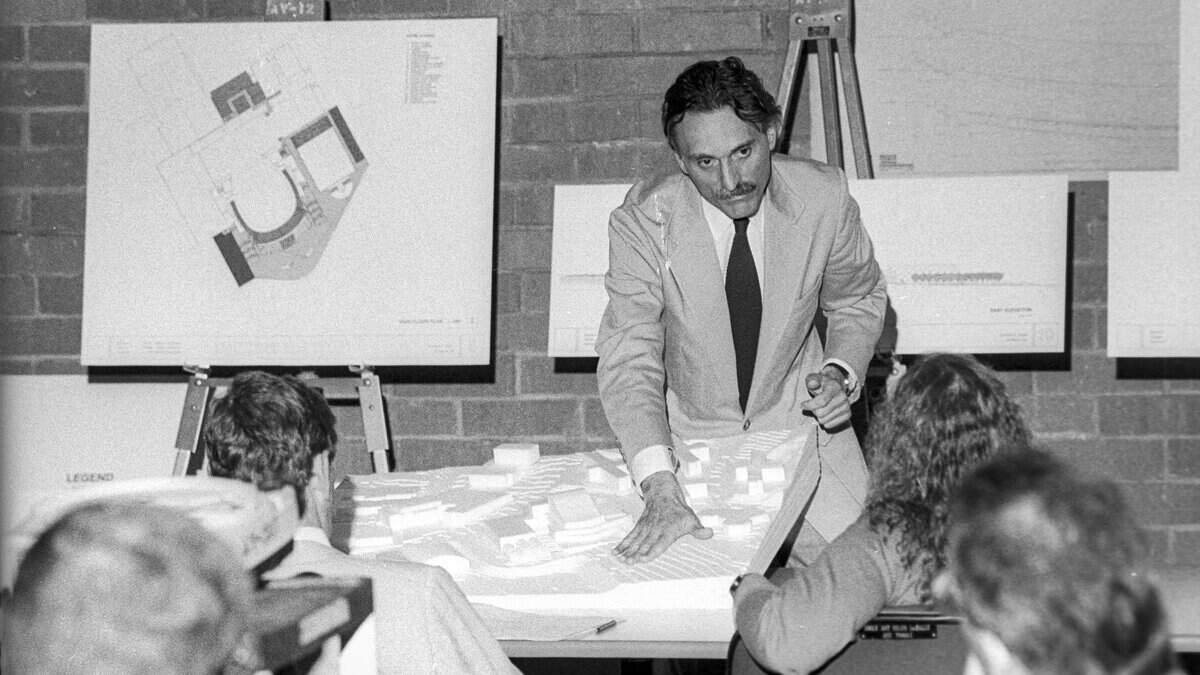
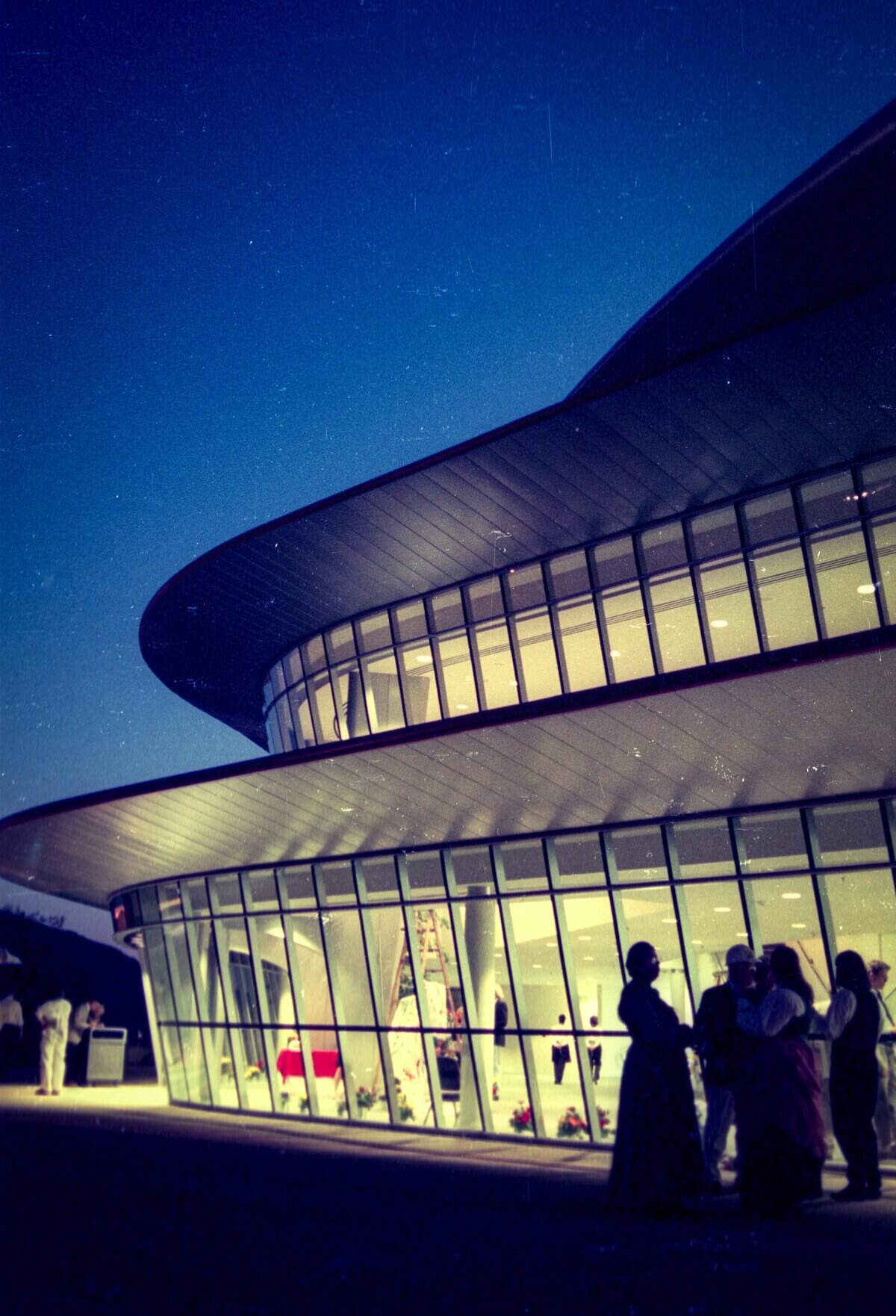
Cal Poly graduate Alberto Bertoli designed the visionary building.
It was a theatrical break from the mostly frugal concrete and brick buildings made up most of Cal Poly.
Reviews were mixed at the time, but the PAC became the focal point of the Grand Avenue entry to campus.
The slope of Bishop Peak is echoed in the roofline.
Light changes the shimmering outlines of the building as the sun moves across the sky and day fades to night.
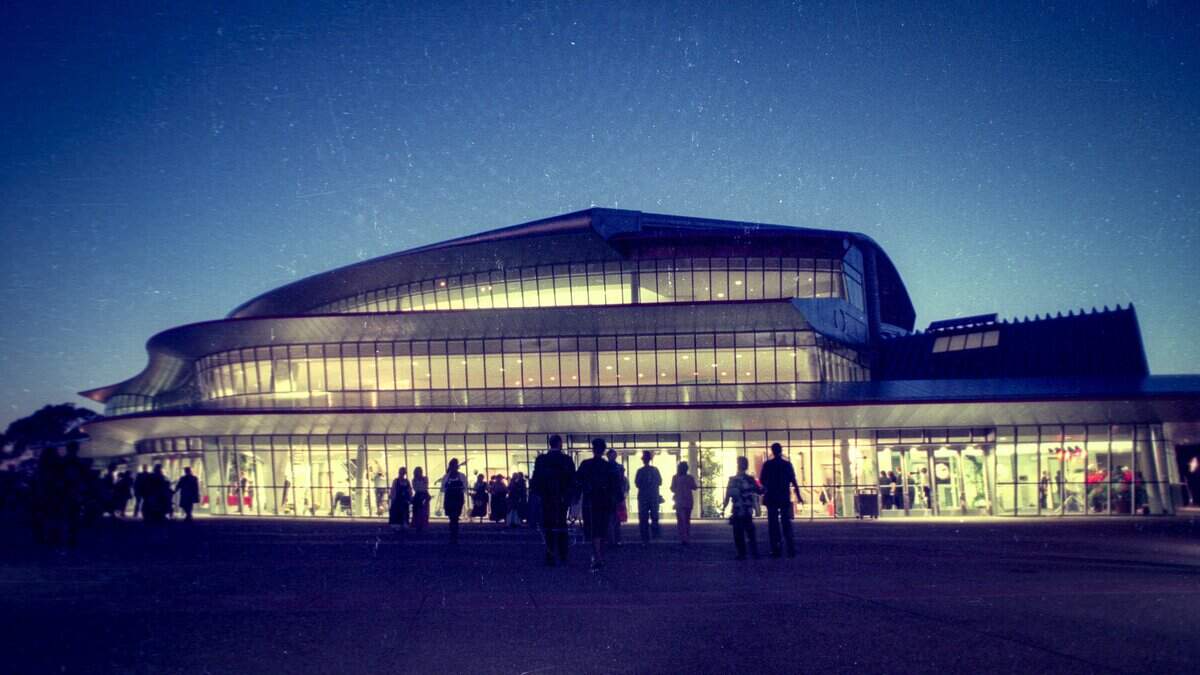
Walking into the glowing building for a nighttime performance offers the promise of a memorable night.
Every building built since on Grand Avenue makes a nod to the aluminum and glass centerpiece.
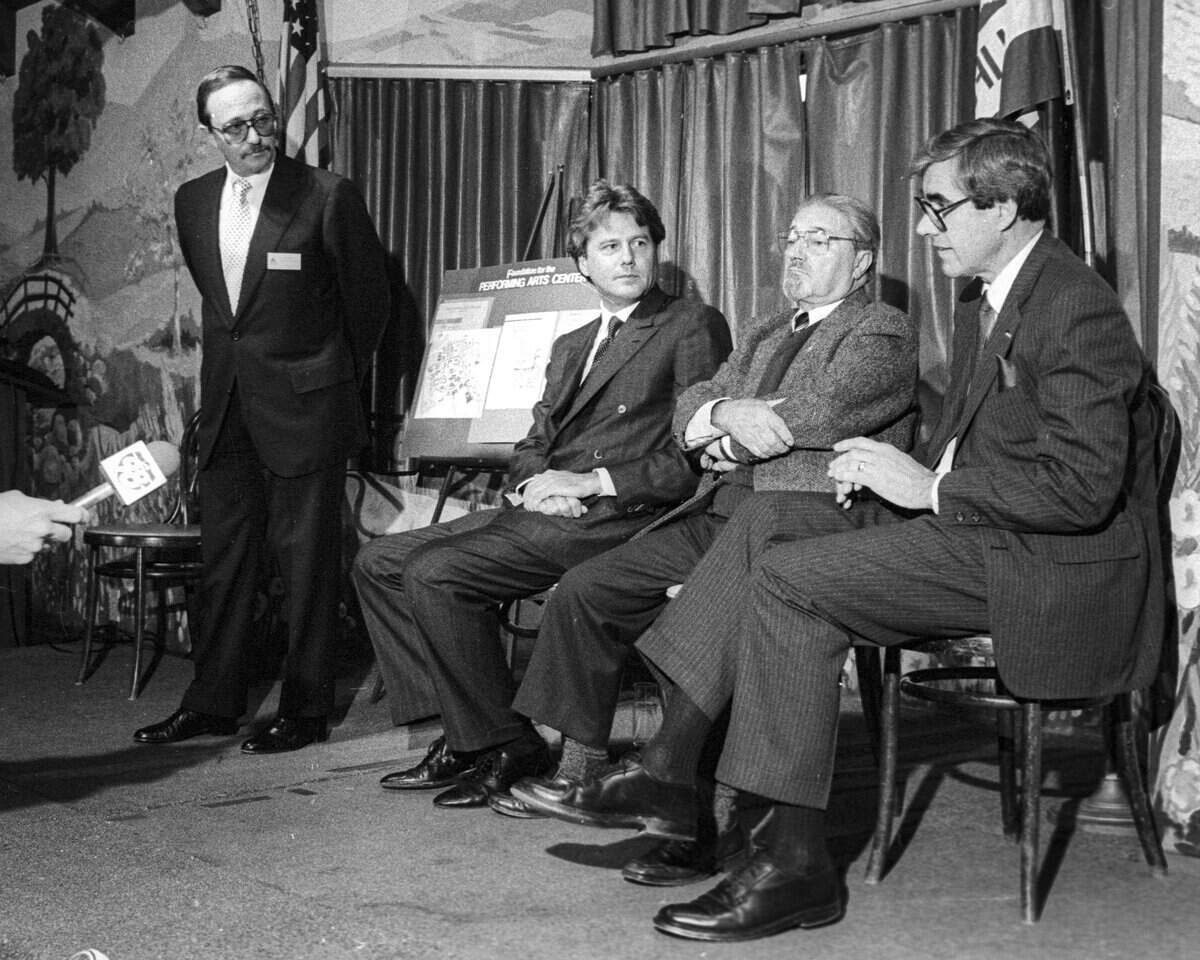
The largest gift came in 1990 from Christopher Cohen. He owned Sonic cable company. Cohen upped his $2 million donation to $2.1 million in a competitive flourish to become the biggest CSU donor to date.
Some local small donors were upset that naming rights had been offered, and the controversy left a bitter taste.
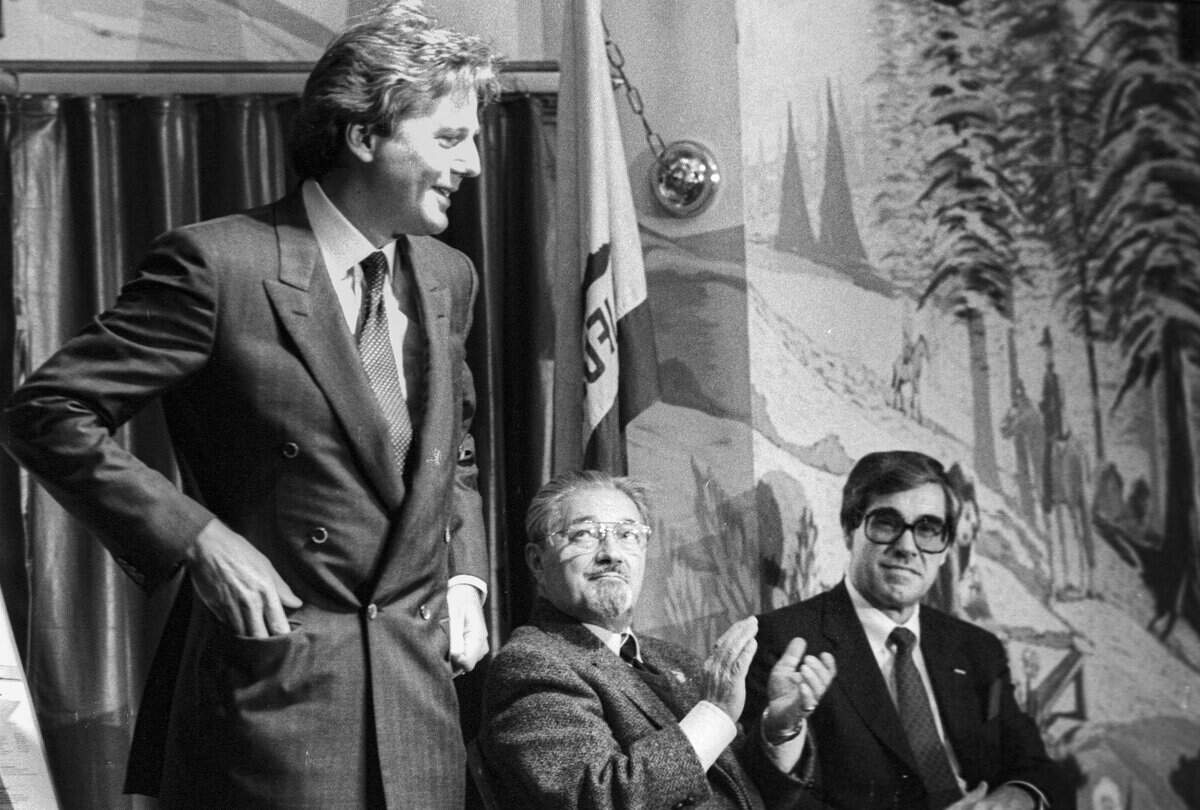
But the seed money accelerated the project’s legitimacy.
Other parts of the hall were also named for major donors as well as major lobby display areas honoring donors.
Another hurdle came when construction bids came in at $3 million over the $20.6 million budget.
Rather than a destructive cost-cutting compromise, the three partners agreed to a 90-day fundraising blitz that covered the shortfall.
The firm that Bertoli worked for, Arthur Ericson, closed due to financial trouble, and Bertoli launched his own business and remained a consultant.
Though a groundbreaking ceremony was held in 1993, the actual construction began in March 1994.
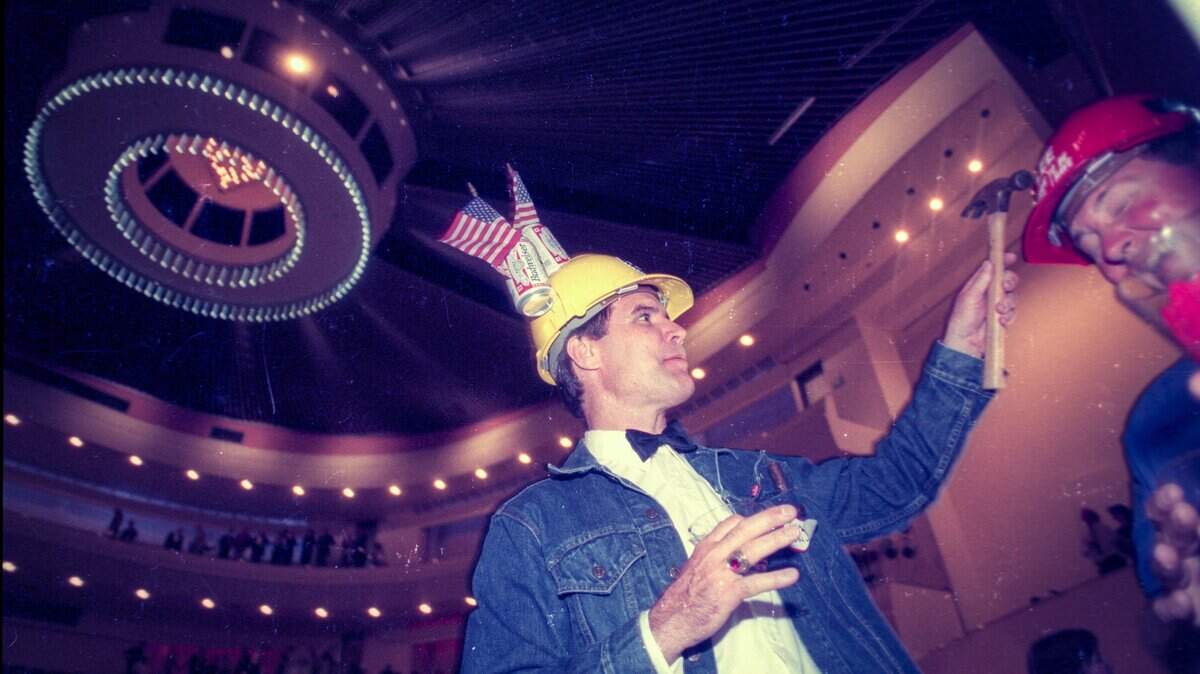
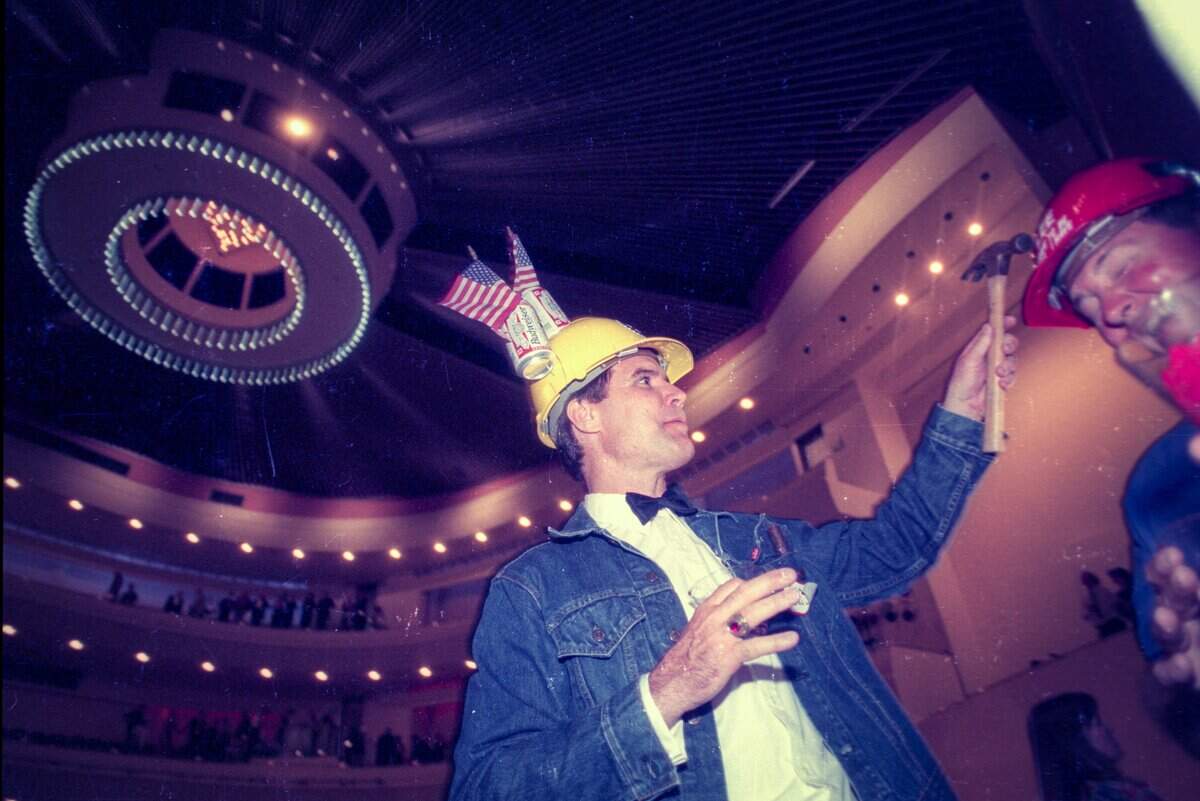
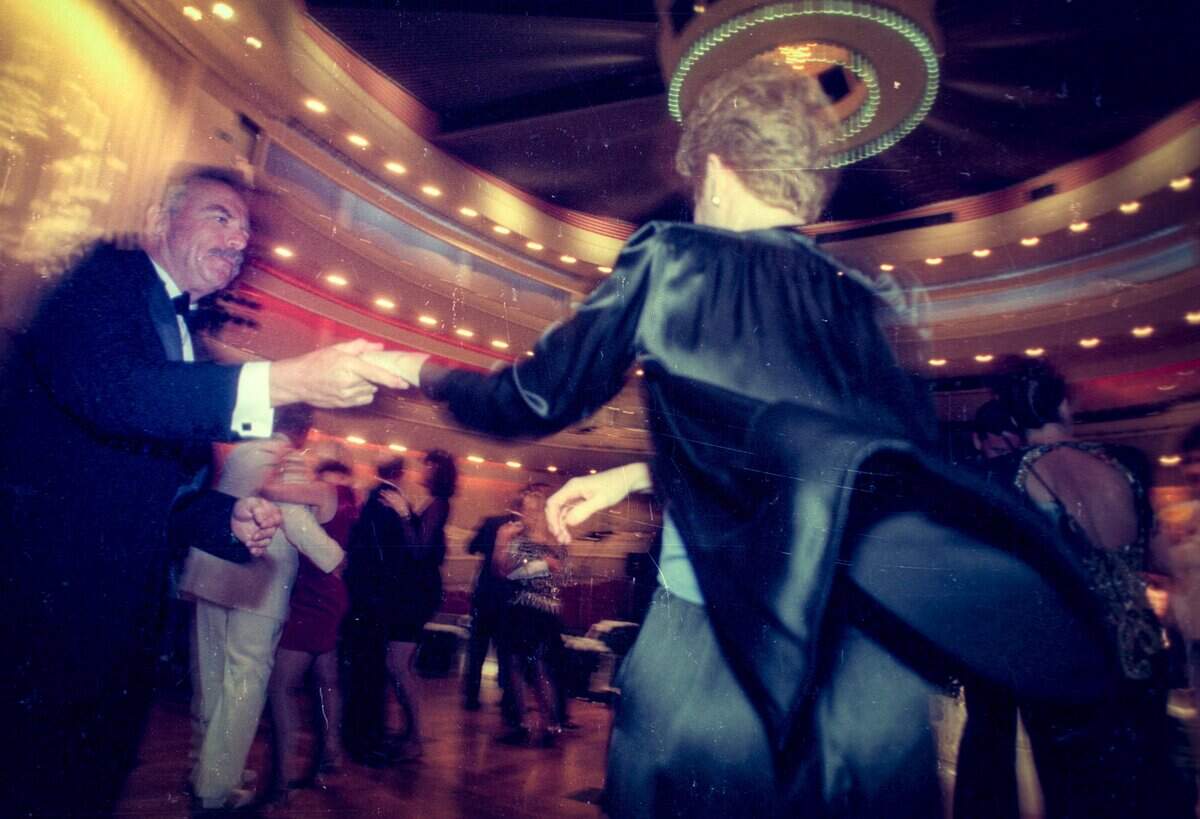
On Sept. 27, 1996, a 10-day grand opening festival was held preceded by a fundraising hard hat ball in the summer.
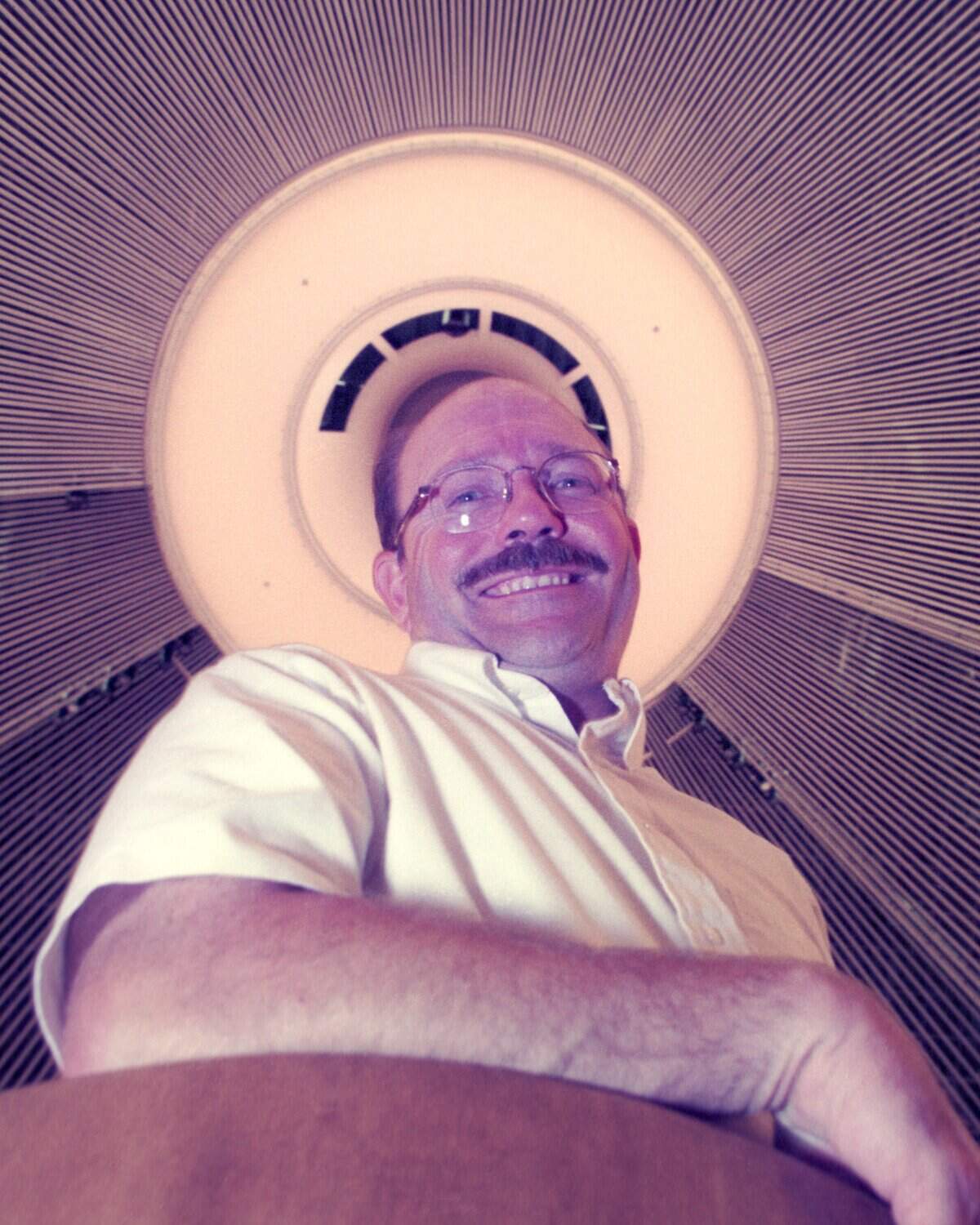
Now almost three decades later, Ron Regier who was involved at the beginning as executive director, will lead backstage tours for those age 12 and up. Space is limited and reservations are required.
Information at: pacslo.org/pactours
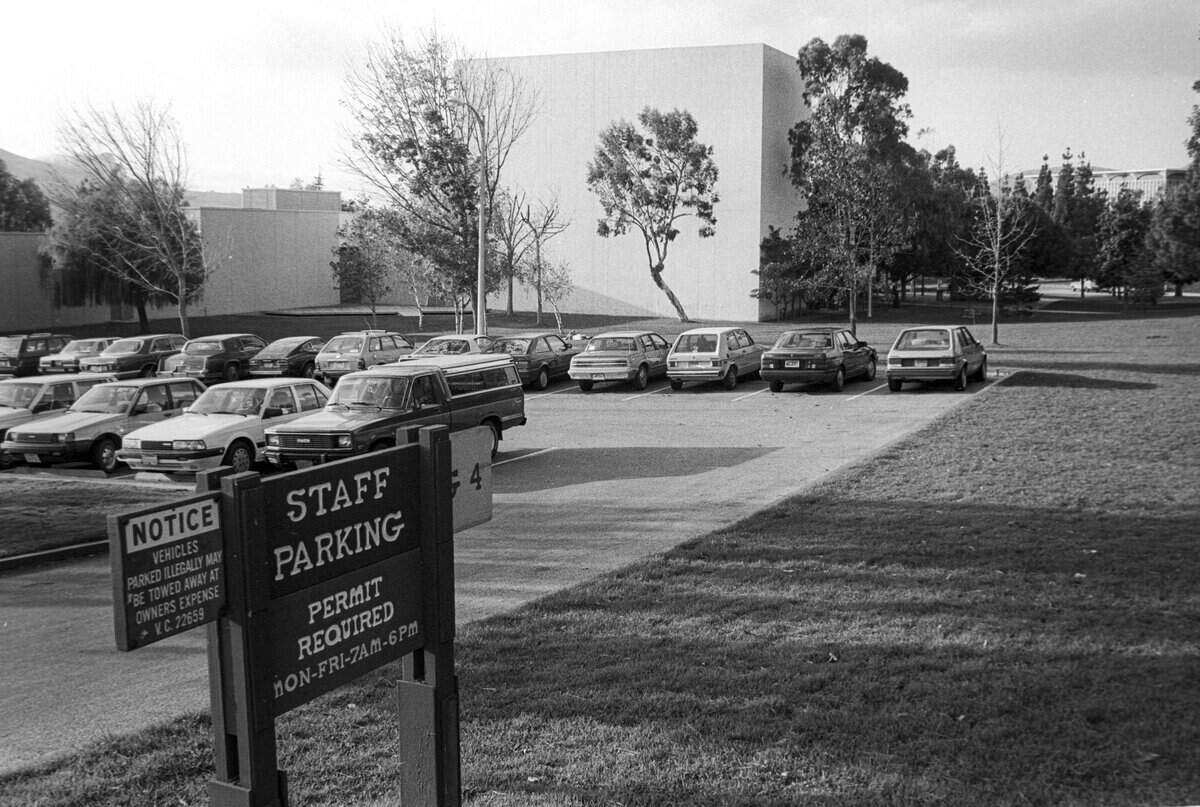
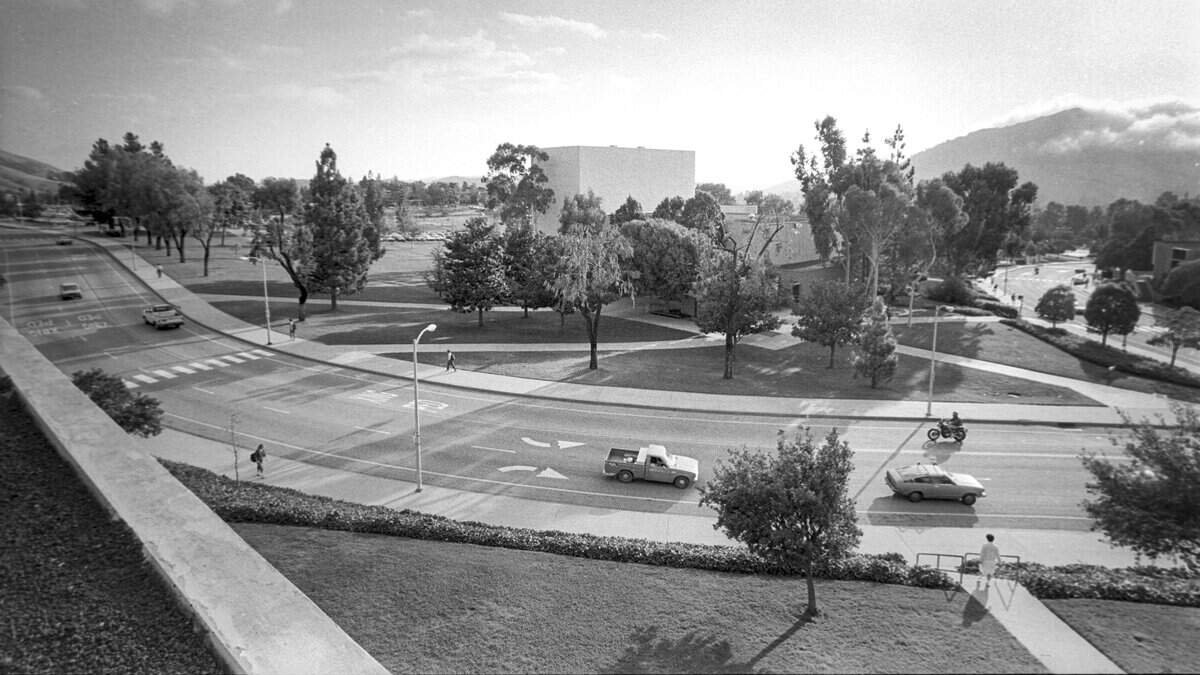
When the first non-binding agreement was announced in 1986, I begged a Cal Poly facilities manager to let me on the roof of a dorm to get a good overview of the site.
But it turns out the unpublished photos from that assignment, published here for the first time, were from a better angle.
Mark Brown wrote this Nov. 20, 1986 story.
To give you a sense of how remarkable it was that PAC ever got built, the small theater mentioned at the end of the story has not yet been built. It is expected to break ground shortly.
SLO, Cal Poly sign concert hall agreement
Representatives of San Luis Obispo, Cal Poly and local arts boosters signed an agreement today tentatively launching a partnership to build an $18 million performing arts center on campus.
After years of discussion about a center, a site has been picked, money is coming in and an opening date of 1991 is looking like a reality, said Warren Sinsheimer, president for the Foundation for the Performing Arts Center.
“It’s not relief yet — I spell relief F-I-N-I-S-H-E-D, and we’re not there yet,” Sinsheimer said. “But it’s the first opportunity we’ve had to move in a positive direction, with wonderful cooperation between the city and the university.”
The non-binding “Memorandum of Understanding” signed today clarifies the roles and responsibilities of each of the entities.
The signing was largely symbolic, as any agreement must be approved by the state and the City Council.
But “this is the first time ever that anything like this has happened,” Mayor Ron Dunin said. “This is the first step, but a major first step.”
“I’d underline the word ‘partnership,’” said Paul Lanspery, city administrator. “That’s the only way we can achieve something like this.”
The agreement specifies that:
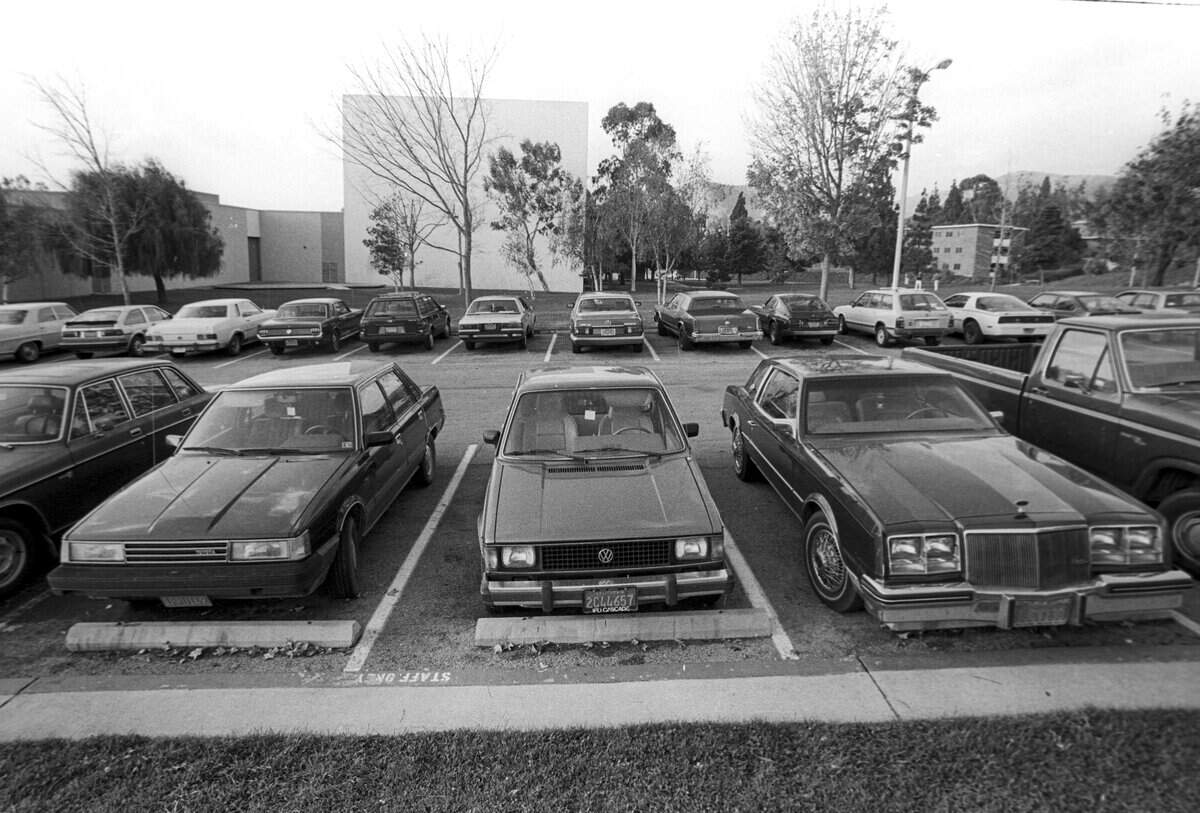
• The 1,500-seat center will be built next to Cal Poly’s existing theater building.
• Cal Poly would be the primary user — and hence the primary funder — of the building.
• The lobby of the center would be big enough to be a meeting place in its own right, increasing the versatility of the building.
• The center will not be the “exclusive home” of any one group; scheduling will be open to all.
• Cal Poly will be responsible for all maintenance and utilities.
• A parking structure will be built near the center.

While today’s agreement was a tentative one that dealt more with concepts than specifics, a binding agreement could be signed in early 1987, depending on the City Council’s actions, Lanspery said.
“This is not a tomorrow project,” Dunin warned. “This will take some time.”
The earliest it could be finished is 1991, Lanspery said. The plan is to have the facility host a variety of events, from symphonies to rock ‘n’ roll, Lanspery said.
While Cal Poly and the city can work on funding later, the foundation is looking for donations before the end of December, when the tax laws will change, Sinsheimer said.
The fund already has $100,000, which came when local art supporters John and Barbara Hartman donated a piece of real estate, which was later sold, Sinsheimer said.
A seven-member commission will govern the center, according to the agreement. Cal Poly will have three members on the committee; the city and foundation will have two members each.
That commission will set the fees for users, hire the center’s staff and set their salaries.
The agreement has the provision that ownership of the building could revert to Cal Poly someday because “the fact of the matter is this is a building on the campus,” Sinsheimer said. “It will in a legal sense belong to the university.” Cal Poly may elect at some future date to buy out the other partners, Lanspery said.
While the idea of a performing arts center has been kicked around for years, this is the first time that the city, the university and the community have all been enthusiastic, Dunin noted. “That’s very important. This is the first time there is that willingness to be involved and put the time and finances behind it.”
The foundation is expected to have an executive director by the end of the year, Sinsheimer said.
The plan will go to the City Council in mid-December. A plan will also go to the council concerning the small theater that will be built in the downtown area.
The city is still looking at three possibilities, Lanspery said — using the Fremont Theatre, the old Premier Music building or building a whole new facility.