Trap doors and a bomb shelter? Ex-SLO County elementary school had ‘special’ flair
Few county school buildings from the early 20th century have survived.
A handful of 19th century wood frame one-room schoolhouses survive as antiques. At least two now host wine tasting.
But not many schoolhouses still stand from the 1900-1950 era.
Morro Elementary survived the bulldozings that many schools from that era suffered.
There was a tidal wave of new schools built in the 50s-60s due to the population explosion in California. Many education buildings were deemed not compliant with new, more stringent school earthquake safety codes.
And the state is notoriously architecturally unsentimental.
The town — soon to be a city — was undergoing a 1950s population boom with construction of the new Morro Bay electric power plant.
One of two additions to the Morro site couldn’t have contrasted more with the vaguely Mission style original.
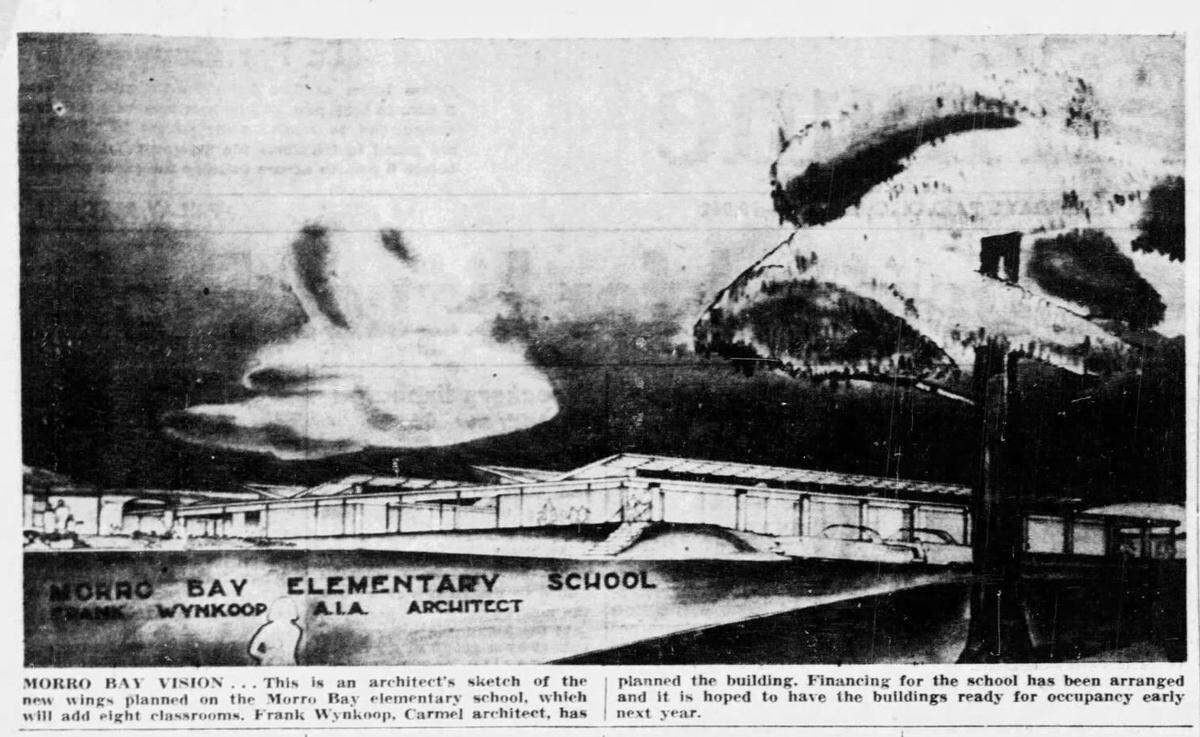
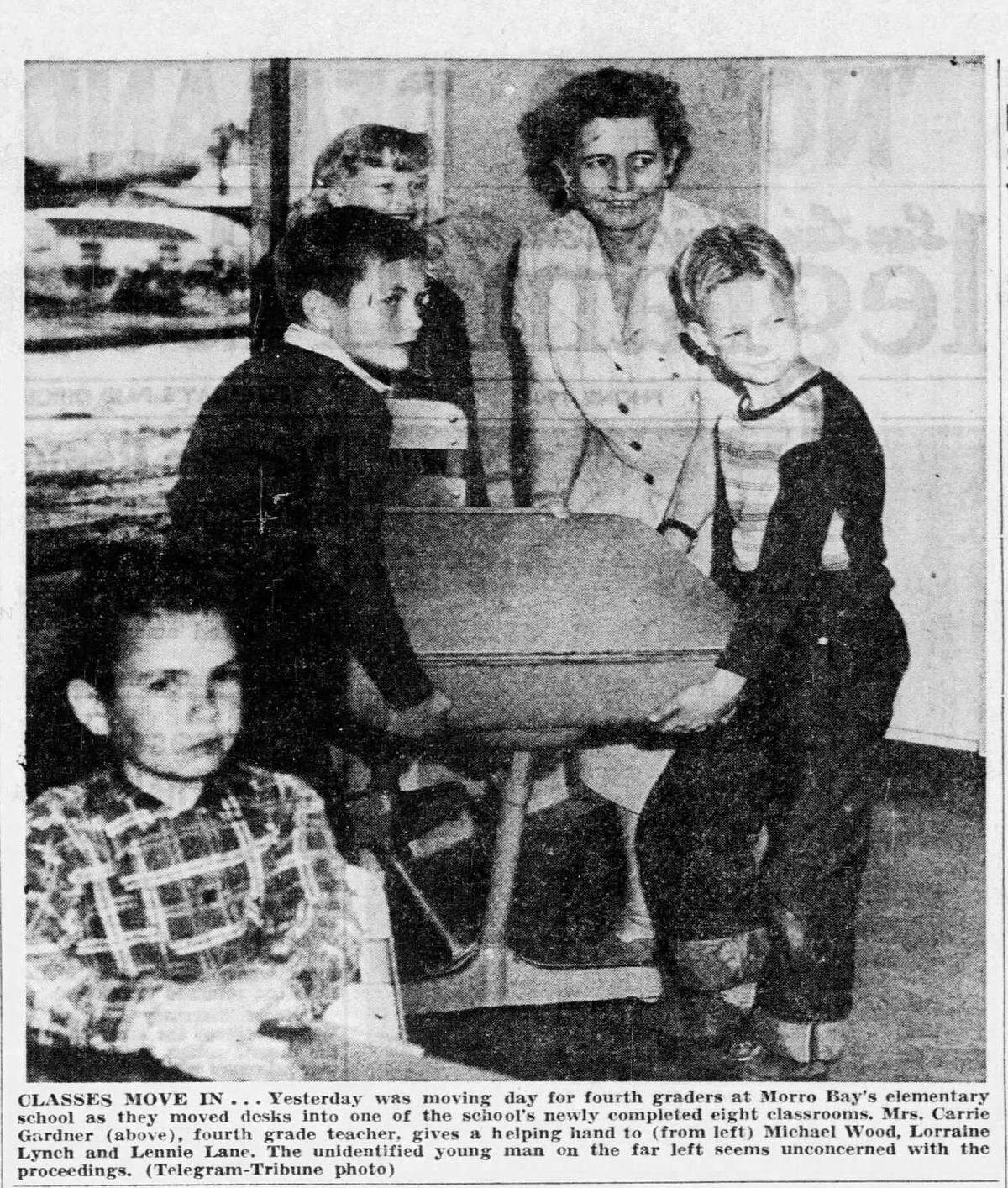
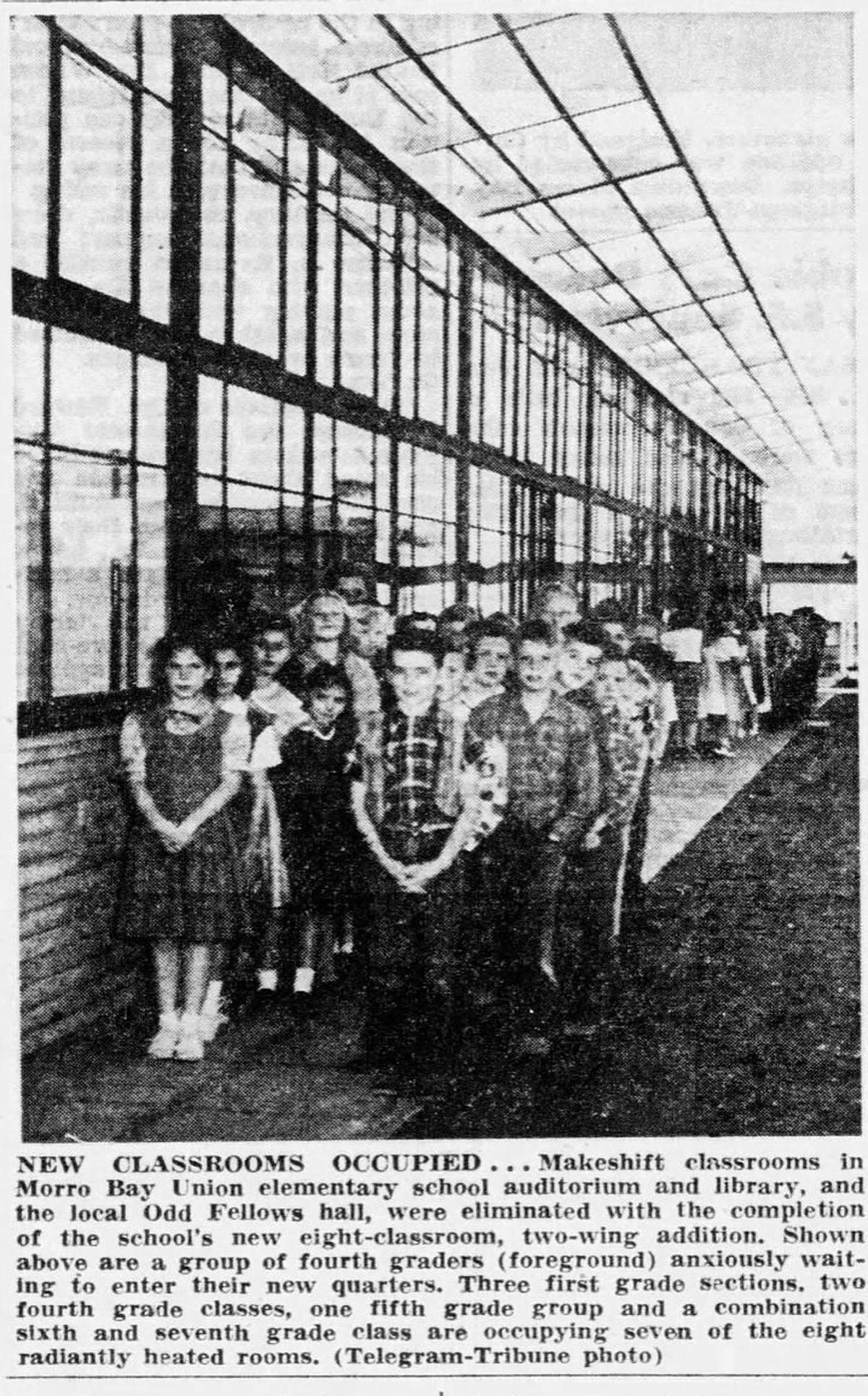
Eight classrooms were added in 1954 featuring soaring mid century modern style by Carmel architect Frank Wynkoop. Wynkoop designed the iconic “Butterfly House” in Carmel.
Morro Elementary was long one of the centers of the community. The school hosted an annual International Folk Dance celebration presented by the students.
It closed as a school site in June 2002 and the students moved to the newer school campus Del Mar at the north edge of town.
Now the site is to be sold by San Luis Coastal Unified to the city of Morro Bay.
Susan McDonald wrote this appreciation of the school April 22, 1997:
Moro Elementary: 60 years young
MORRO BAY — Sixty years ago, 180 students, their teachers and principal moved into the brand-new Morro Elementary School.
Two weeks later, a nasty flu bug struck and shut down the campus for a week.
So much for auspicious beginnings.
Still, there’s a lot to celebrate in the school’s six decades, and celebrate they will on Saturday at the 60th anniversary party.
Morro Elementary will welcome alumni, former staff and the community from 11 a.m. to 3 p.m. The main building, classrooms and library will be open for touring and reminiscing, according to fourth-grade teacher Guy Crabb, who has organized the celebration.
The day will also offer a chance to say goodbye to Dave Moore, who’s retiring after 14 years as the school’s principal and 31 years with the San Luis Coastal school district.
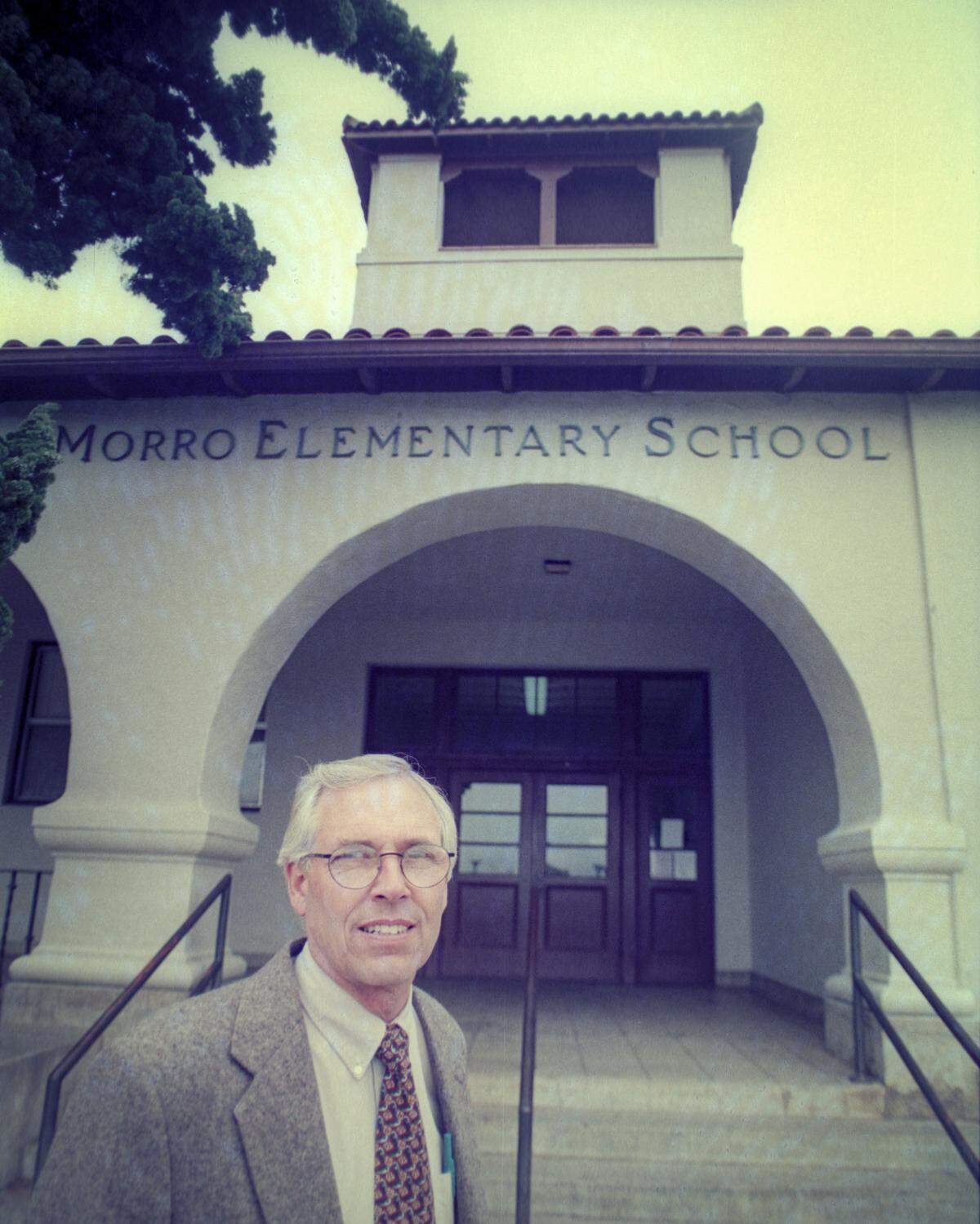
“This is a special school with special students,” said Moore. “There are a lot of supportive people in Morro Bay. Parents really give their all here.”
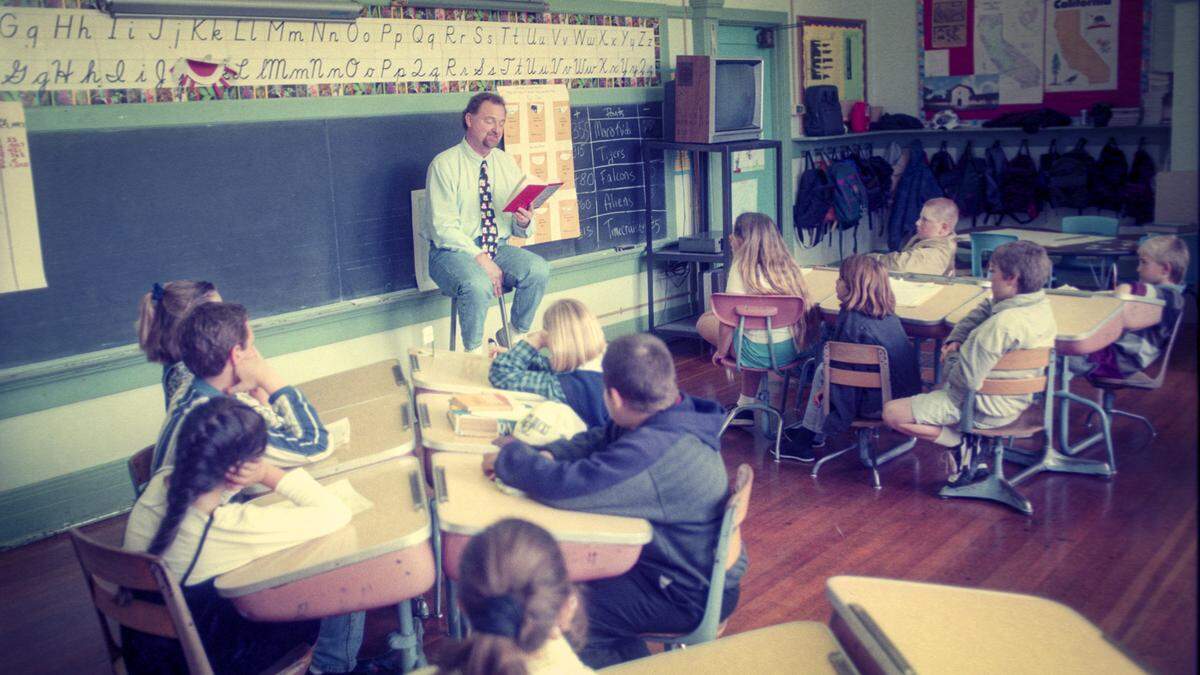
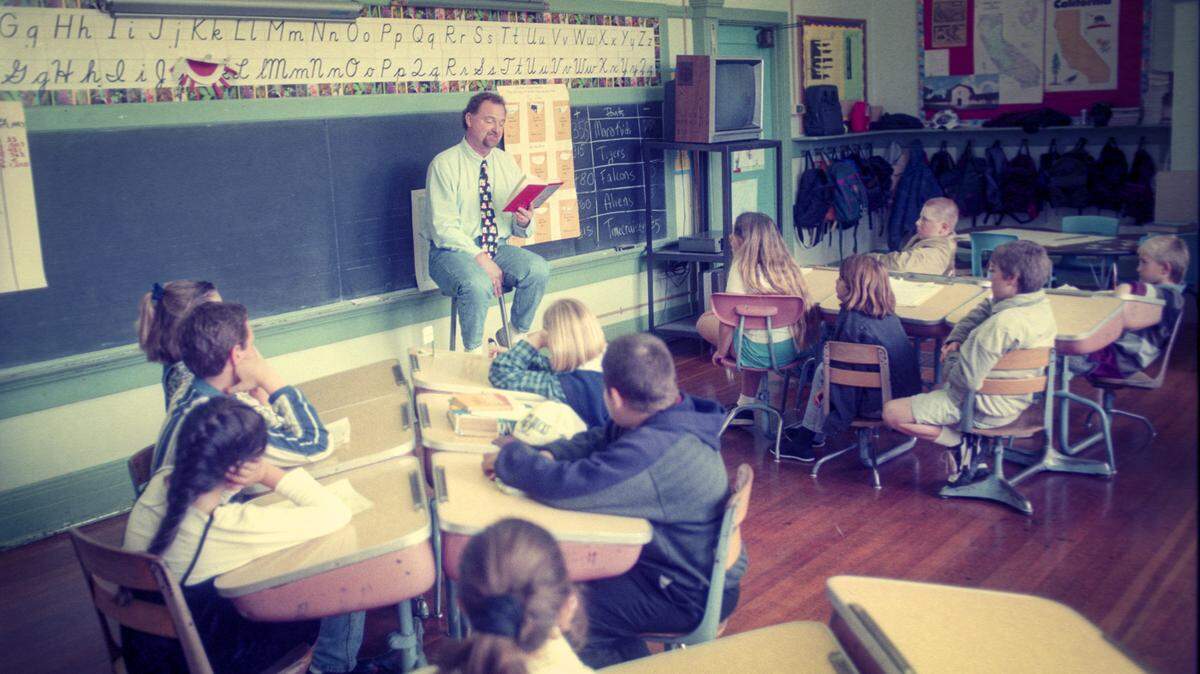
Visitors on Saturday will get a student’s-eye view of the school’s history, interesting architecture, scary places on campus and famous alumni by way of a video created last year by Crabb’s Gifted and Talented Education class.
They’ll also get some perspective on cost. In 1936, when the school was built, hamburger was 18 cents a pound. The total cost for the brand-new school with six classrooms and an auditorium seating 340 was $52,000.
Renovation work at the school planned for completion in 1999 will cost somewhere between $1.1 million and $2.4 million, according to current estimates for Phase 3 projects paid for with Measure A tax money.
The new campus was built to replace the old Morro Bay Union Grammar School, deemed too small and obsolete in 1936 by district trustees.
There’s a Spanish influence to the main building with its bell tower, arched walkways and heavy-beamed ceilings. Hardwood floors and tall windows add to the beauty. And the campus overlooks the ocean.
“The building itself is special,” said Crabb. “You come to school and there’s all that history.”
The school opened to great fanfare in January 1937, but closed two weeks later when 50 students and Principal Hugh Bruce stayed out with colds and flu.
In later years, classroom wings were added as the school’s population grew. The east wing was built in 1949, and five years later, a second wing with its unusual V-shaped ceiling was built.
The bell tower houses a solid brass school bell from the 1890s. And the school acquired a quonset hut in the 1940s that’s now used to store playground equipment.
Over the years, Morro Elementary became “famous” for its folk dance festivals, started in 1948 by longtime Principal Wilmar Tognazzini.
Famous alumni include world champion rodeo rider John Jones and symphony and opera conductor Kent Nagano.
Music programs taught by Wachtang Korisheli were popular in the 1950s and 1960s. With three bands and a strings program, 80 percent of the school participated in music, Korisheli said. “The auditorium was filled with sound, with 50 violins marching in and out.”
Students researching the school’s history discovered some “scary” places on campus — trap doors in the kitchen floor and under the auditorium stage, as well as an old bomb shelter in the basement used for evacuation drills.
Research with the Morro Bay Historical Society also turned up some interesting tidbits, their teacher said. In 1957, an “anti-pinball” campaign was launched in the community, said Crabb, when an enterprising business owner opened an amusement parlor two blocks from the school. “It was felt pinball machines were bad for our youth,” Crabb said.
A committee of Morro Bay folks asked the Board of Supervisors to “outlaw” pinball in the county, he said.
The committee felt kids spent their money on the “evil” machines, rather than on lunches. And they had another problem, Crabb said. “Actually there were peep shows between the pinball machines.”
The business stayed open just three months, shuttered in November by community opposition. By January 1958, according to the Historical Society, pinball machines were banned throughout the county.
Perhaps that bit of history had something to do with the recent flap over a video arcade to be built next to Morro Bay High School.
This year, Morro Elementary is home to 350 students, 18 full-time teachers and many support staff members. The school open house is Thursday, and students will celebrate the school’s anniversary Friday with an assembly and cake.
Saturday’s bash for former students allows them to come back to their old classrooms and reminisce, said Crabb.
“It’s a chance for students from 1937 to last year to look back and realize what a great home-town school Morro Elementary was to them.”