Pismo Beach to commemorate 250th anniversary of Spanish expedition. What to know
The European timeline in California is surprisingly short.
Spanish explorer Juan Rodrîguez Cabrillo explored the coast up to Oregon in 1542-43. Then he broke his leg and died of complications after his men got in a fight with Tongva warriors on Catalina Island.
Not much happened in the historic timeline for a long time. Like over 225 years.
Sure Francis Drake of England and Sebastian Vizcaino sailed up the coast too, but nothing was done on the real estate development side.
It is estimated that there were over 310,000 Native Americans living in California before Spain made their move.
The indigenous population would suffer great losses from the importation of European disease, like smallpox and from the flood of immigrants and conflicts they imposed.
Why did things change?
For over two centuries, as far as the Spanish crown was concerned, California was a backwater of a backwater colony.
They had their hands full working on world domination elsewhere and effort and expense of colonizing the distant and dusty shores of California could wait.
Then in 1741 the Russians began colonizing Alaska and the threat of losing lands they claimed became real. As fur trapping stations made their way down the coast, Spain was forced to act.
King Charles III cleared the decks and expelled the Jesuit order from the New World in 1767.
The Spanish realized that they needed to establish their own colonies and began a series of sea and overland expeditions. Gaspar de Portolá’s established presidios or forts. Franciscan friar Junipero Serra founded the first Alta California mission in 1769 in San Diego.
The first three Spanish land expeditions would all come to Pismo Beach and turn right.
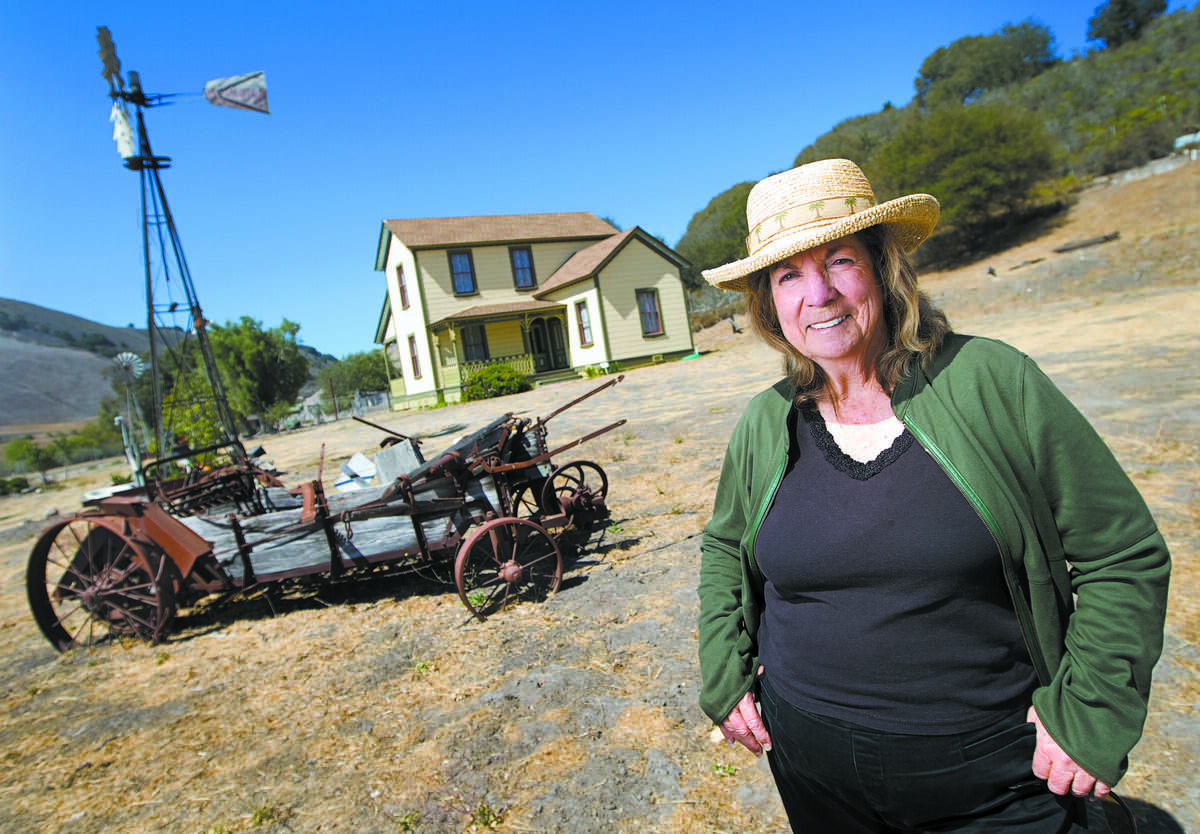
Author and Pismo Beach historian Effie McDermott was quoted in column by Jerry Bunin and Carol Roberts Dec. 22, 1998:
“Portola came up the coast in 1769 and turned inland through Price Canyon. Padre Junipero Serra came up the coast and also turned inland at Price Canyon. Juan Bautista de Anza came up the coast, and you guessed it, he also had turned inland through Price Canyon.”
Pismo Beach draws its name from the Chumash word for asphaltum or tar, which they used to caulk their ocean-going canoes.
Portolá brought troops and charted trails, Serra established nine of the eventual 21 California missions.

The fifth mission, was San Luis Obispo de Tolosa, founded in 1772.
The third group, Anza’s expedition, was the first real estate caravan in the state.
The expedition doubled the Spanish population and included soldiers and their families.
Historian Dan Krieger quoted excerpts from the diary of Fr. Pedro Font from 1776 in his Times Past column of May 8, 1999.
The second Juan Bautista de Anza expedition brought 198 settlers and more than 1,000 head of cattle overland from western Mexico to San Francisco via what is now Tucson, Arizona. (The first expedition in 1774 mapped overland trails from Mexico.)
Font wrote: “The day was serene but cold (as the expedition traveled through Price Canyon) ... At daybreak a messenger had been dispatched to the Mission announcing our coming. On emerging from a cañada (canyon), about a league from the place, we passed along the foot of a hillock, in the midst of the rocks of which we observed oil (on the) road some springs of pitch that originate there.”
“Afterwards we entered the plain named for San Luis, where there are some marshy places with pools of water. In one of these, which is the worst, the mules sank down, and some of the men fell off, which caused some delay.”
We know this today as Marsh Street.
The diary continues, “Mission is situated in a beautiful place on a slight elevation close by an arroyo of most excellent water, near the Sierra de Santa Lucia, and about three leagues from the ocean. The land is very fine and fertile.”
“The male Indians have the ear-lobes perforated, although they do not weigh them down much; but the women wear their pendants. These Indians are of the Nochi tribe (a branch of the Chumash), and to me they appear more jovial and tractable than others. ...They go naked like the others; but the women wear coverings made of the skins of deer and otters.”
“The women wear a toupee, which they form by cutting the hair in front (and attaching it to a band of rawhide around their foreheads) and letting it hang over the brow. The rest of the hair they tie up behind, or let it flow loose over the shoulder ... ”
Font was proud of the way that Chumash girls who had converted at the Mission were learning to sew like “little Spaniards,” but there are no diaries recording the thoughts of the Chumash elders of the time.
Conflict would erupt between the Native American population and the Spaniards at various times and locations.
Mission San Luis Obispo’s thatched buildings were set afire in a 1776 attack. The Continental Congress wasn’t the only group trying to declare independence that year. Some stories trace the tradition of tile roofs now emblematic of the architecture to the aftermath of that attack.
California was on the precipice of change.
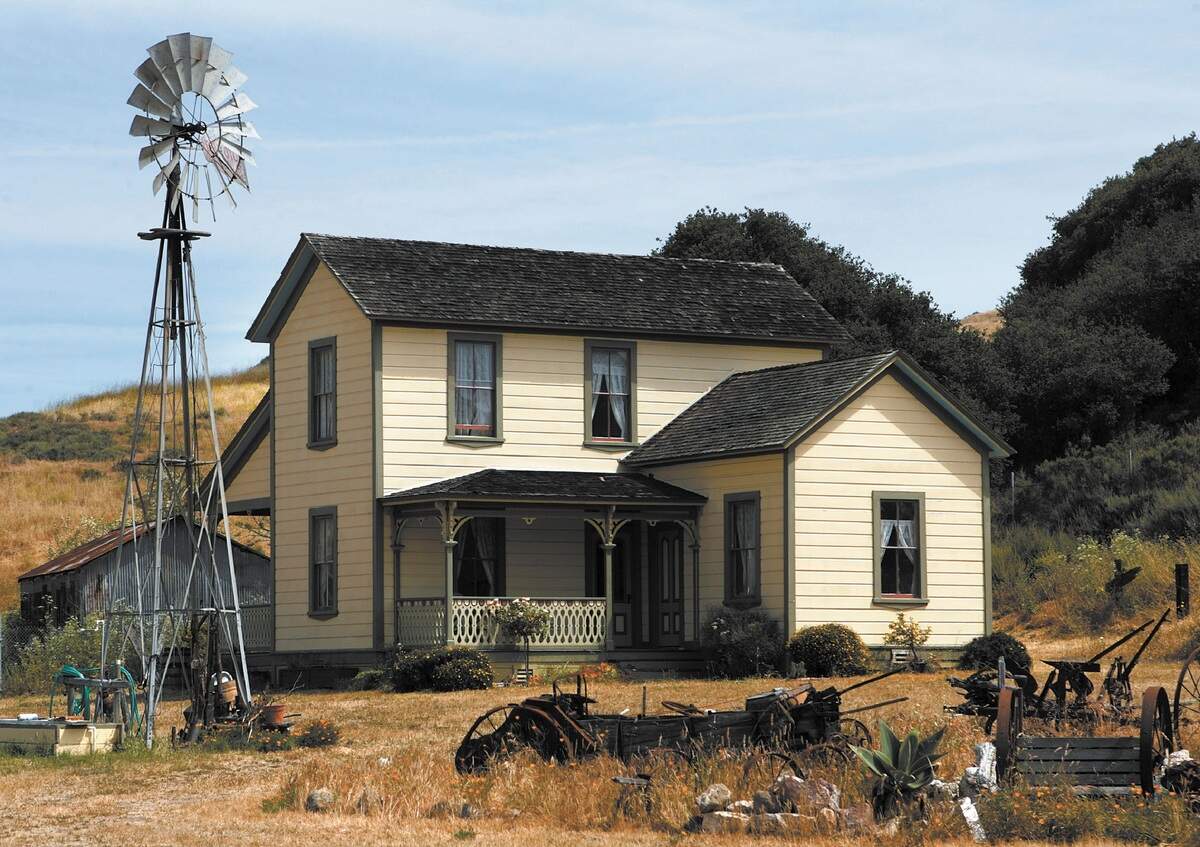
Pismo Beach is commemorating the 250th anniversary of the Anza expedition on Sunday at the historic Price House.
The event takes place at noon at 100 Rancho Pismo Drive and includes a trail walk, Chumash and Victorian Games, tours and Jim Gregory will speak about Rosario Cooper, the last Chumash Tihini speaker.
Tickets for a lunch buffet are on Eventbrite.
For more info contact LaDean at 209-969-1104 or facebook.com/PriceHistoricalPark
This story was originally published February 27, 2026 at 5:00 AM.