A look back at Avila Beach’s colorful history on its 109th birthday
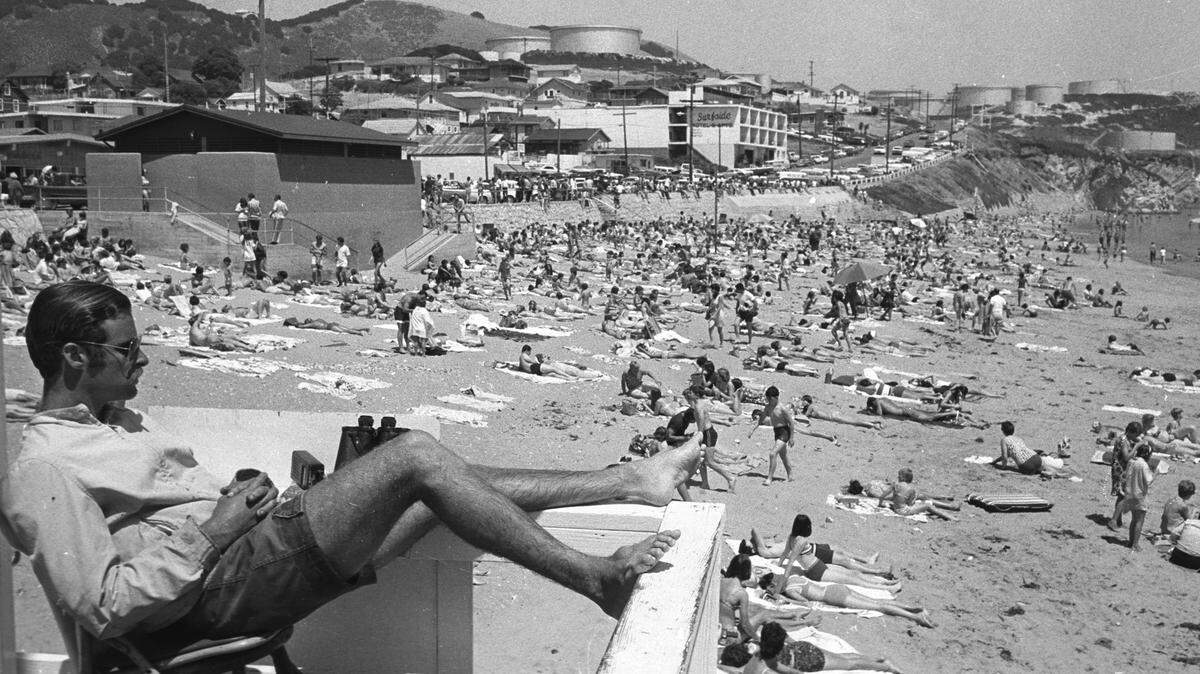
People have called the sunny shores of Avila Beach home for thousands of years.
Chumash launched fishing boats from the protected beach, and evidence of thriving villages has been documented along the coastline.
As Europeans settled in the area, Avila became a focus of commerce and recreation. Wharves, narrow-gauge railroad and oil all brought changes to the town.
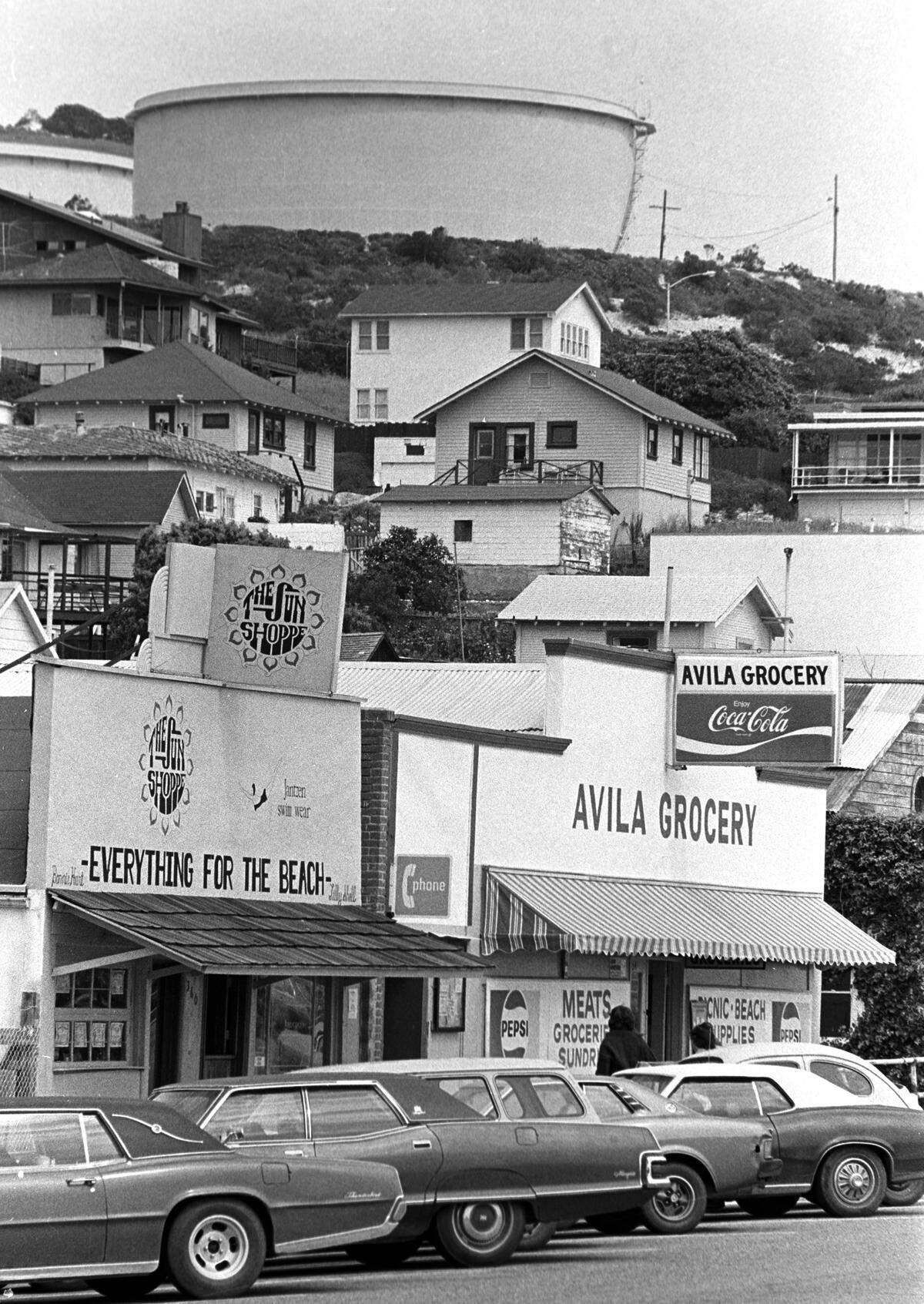
There is a lot of nostalgia for the funky version of Front Street from years past.
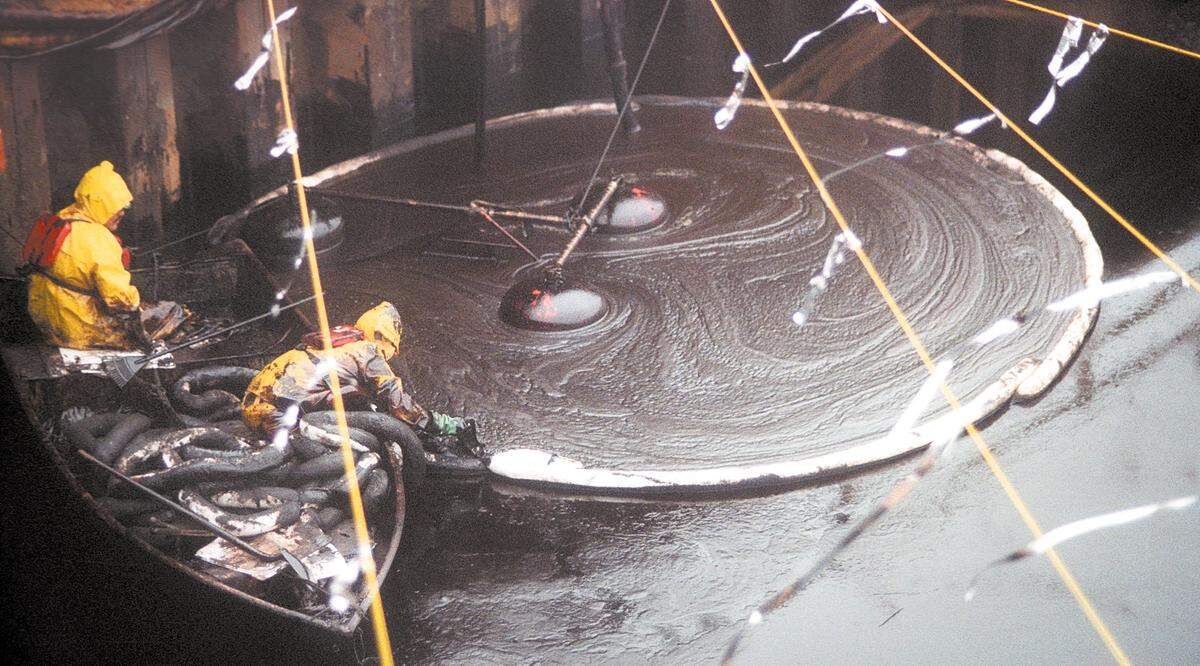
In Avila’s more recent history, the oil tanks were torn down and much of Front Street was excavated to remove oil contamination. Most of the original tumble-down wood-frame buildings were demolished and replaced with new buildings that the termites wouldn’t recognize today.
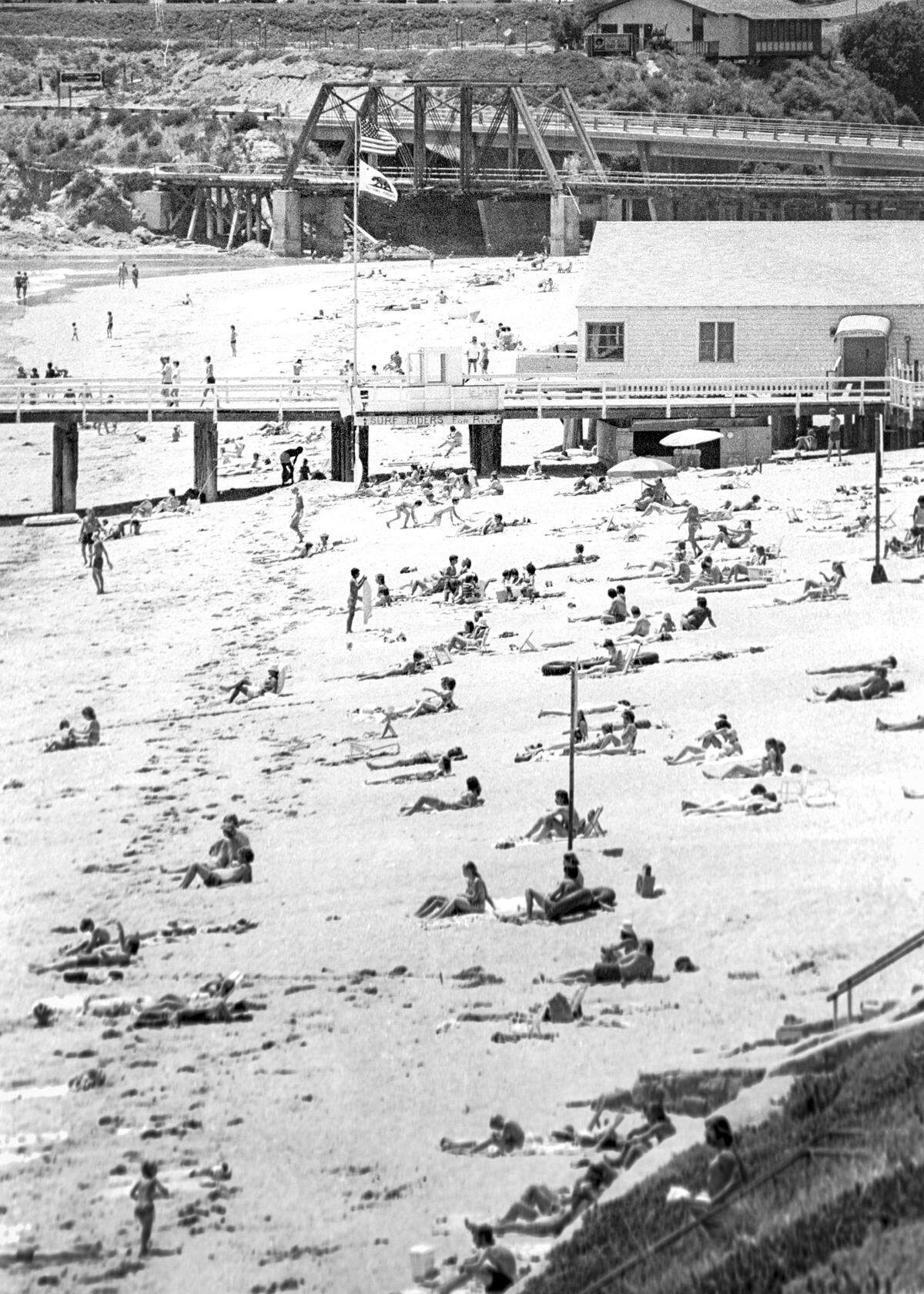
The Pacific Coast Railway bridge mentioned below collapsed on Oct. 30, 1981, into San Luis Creek.
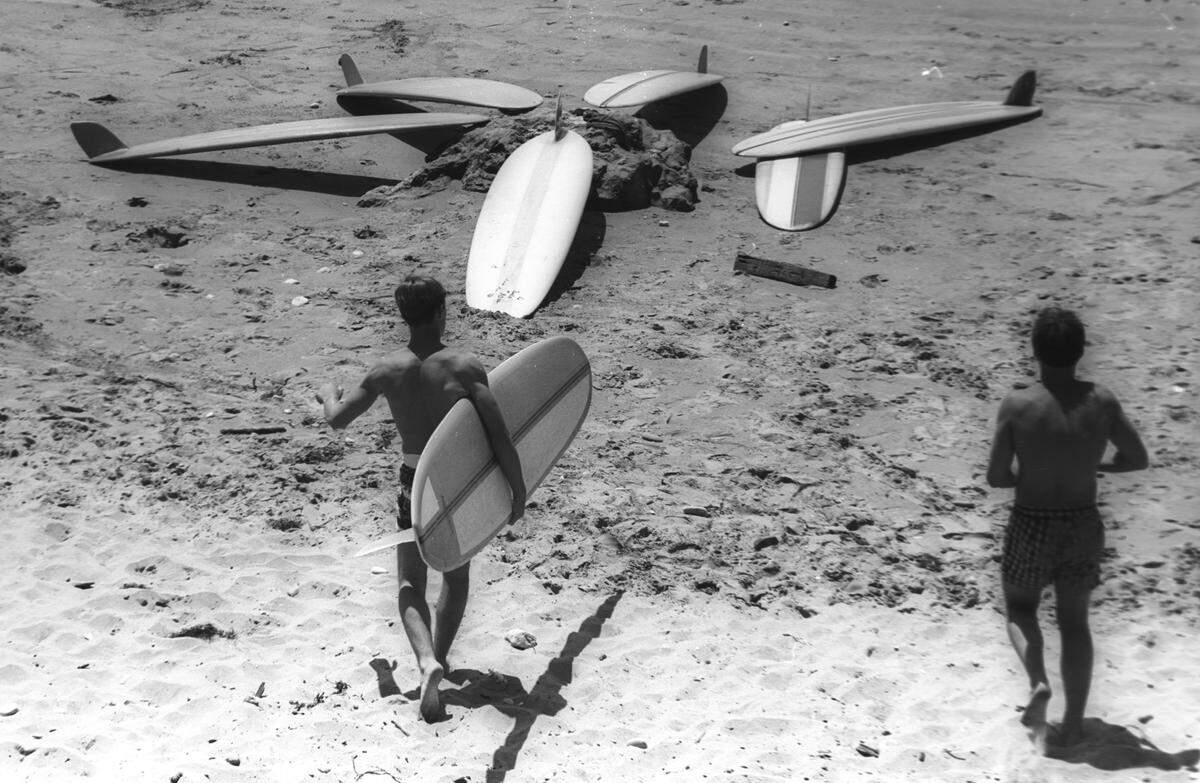
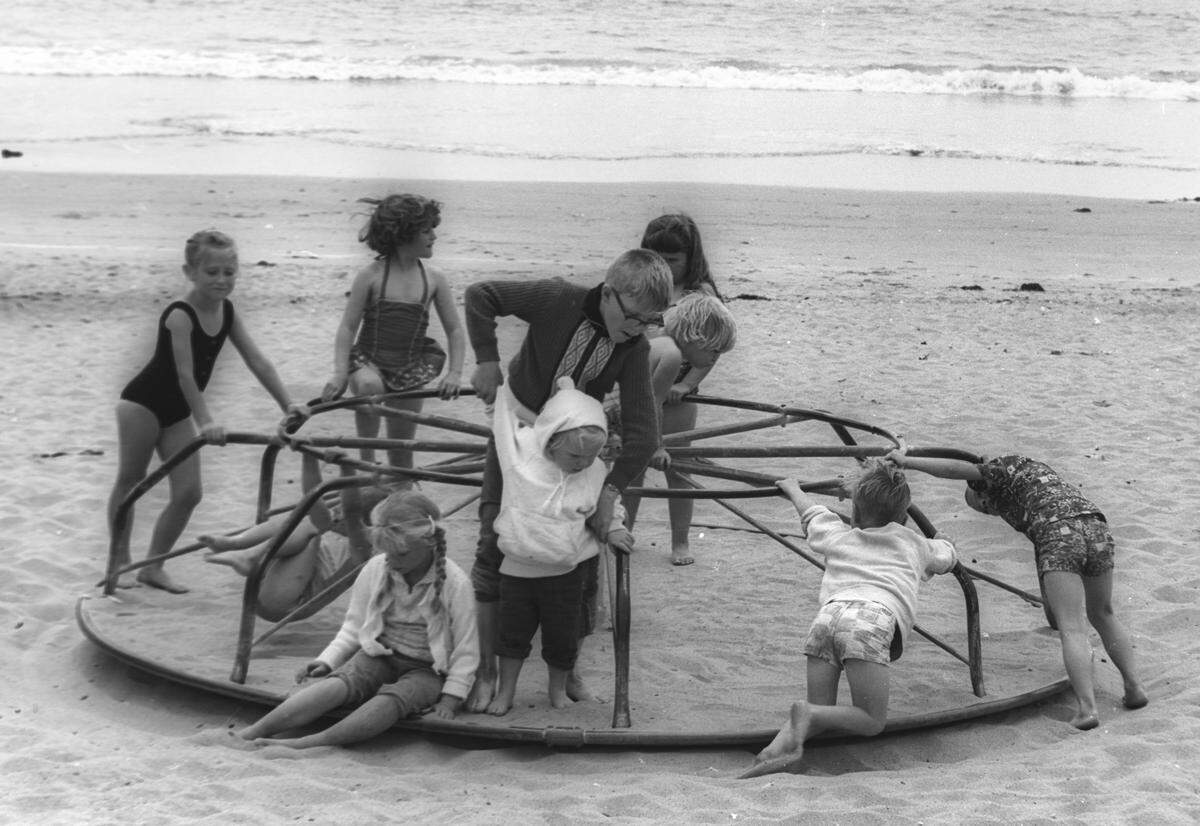
Some of the most swiped and reshared photos from this column are Avila from the pre-Unocal teardown.
Please feel free to share the link to this article.
That way people can read the July 3, 1976, story by Dorie Bentley that was published in the Focus section. Photos are from several stories published in the 1960s and 70s.
A bridge, a beach, and a century
Avila town is down by the sea,
Where the pelicans dance in assemblee,
And the brown seals swim and the sea gulls play;
And the sandpipers sup on the sand fleas grey,
And the sand slopes down to the restless waves
That requiems sing o’er lost sailors’ graves.
And the breeze blows in, the fog settles down,
And dims the lights of Avila town.
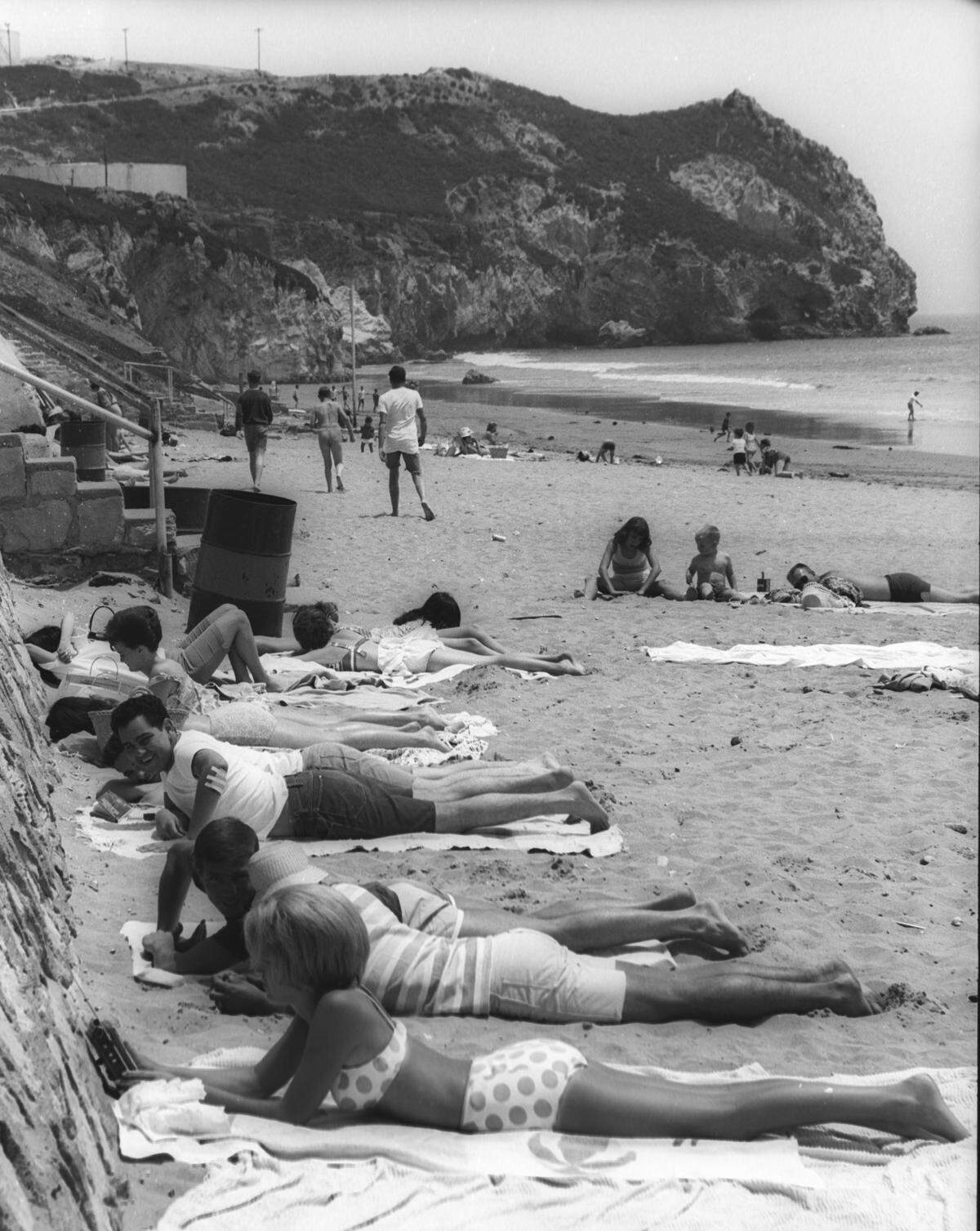
The excerpt from a ballad written in the 1930s still depicts Avila Beach, the seaside community which will celebrate its 109th birthday tomorrow, Sunday, July 4.
Bounded by white sandy shores of the Pacific Ocean, towering oil company tanks and scenic mountain ridges, the community offers a portrait of the past, present and future.
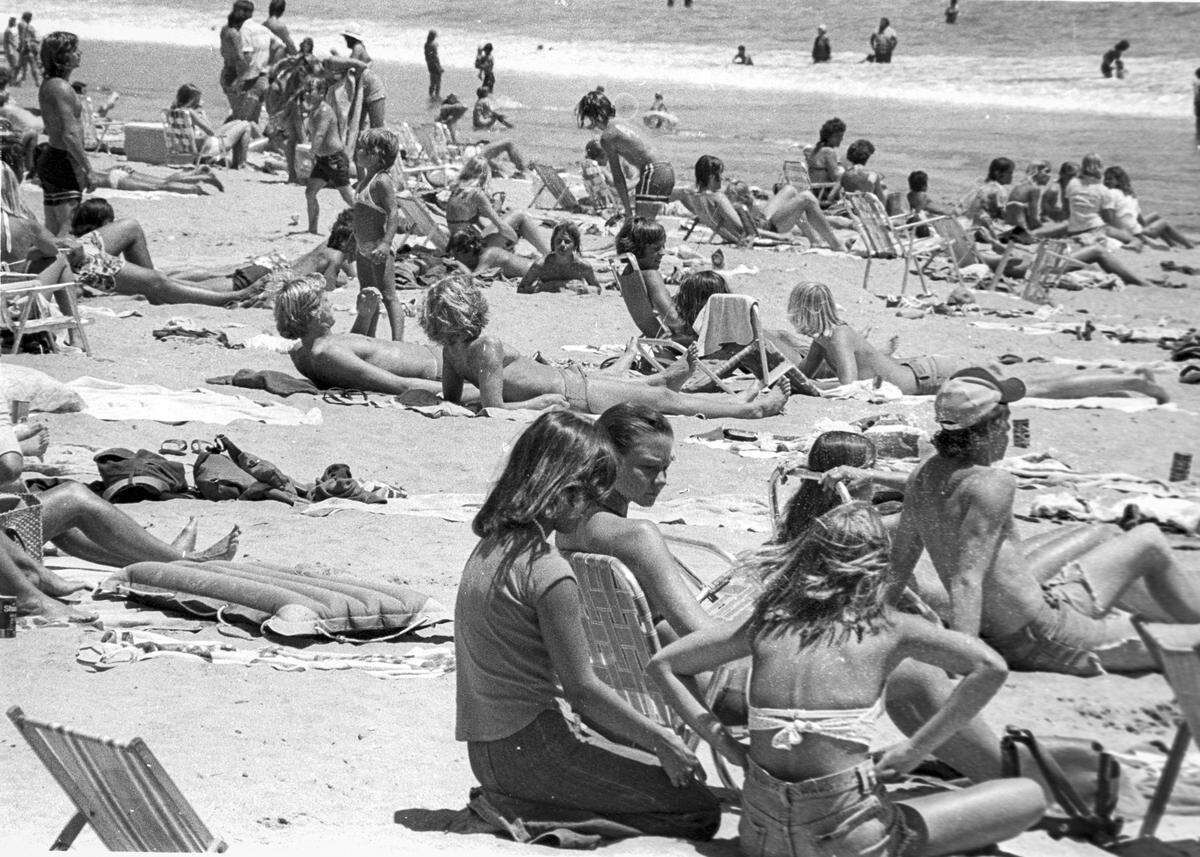
Avila dates back to the 1830s. But it was designed, in 1867, by the sons of Don Miguel Avila, original land grantee who once served as corporal of the guard at Mission San Luis Obispo and later became Alcalde of San Luis Obispo County.
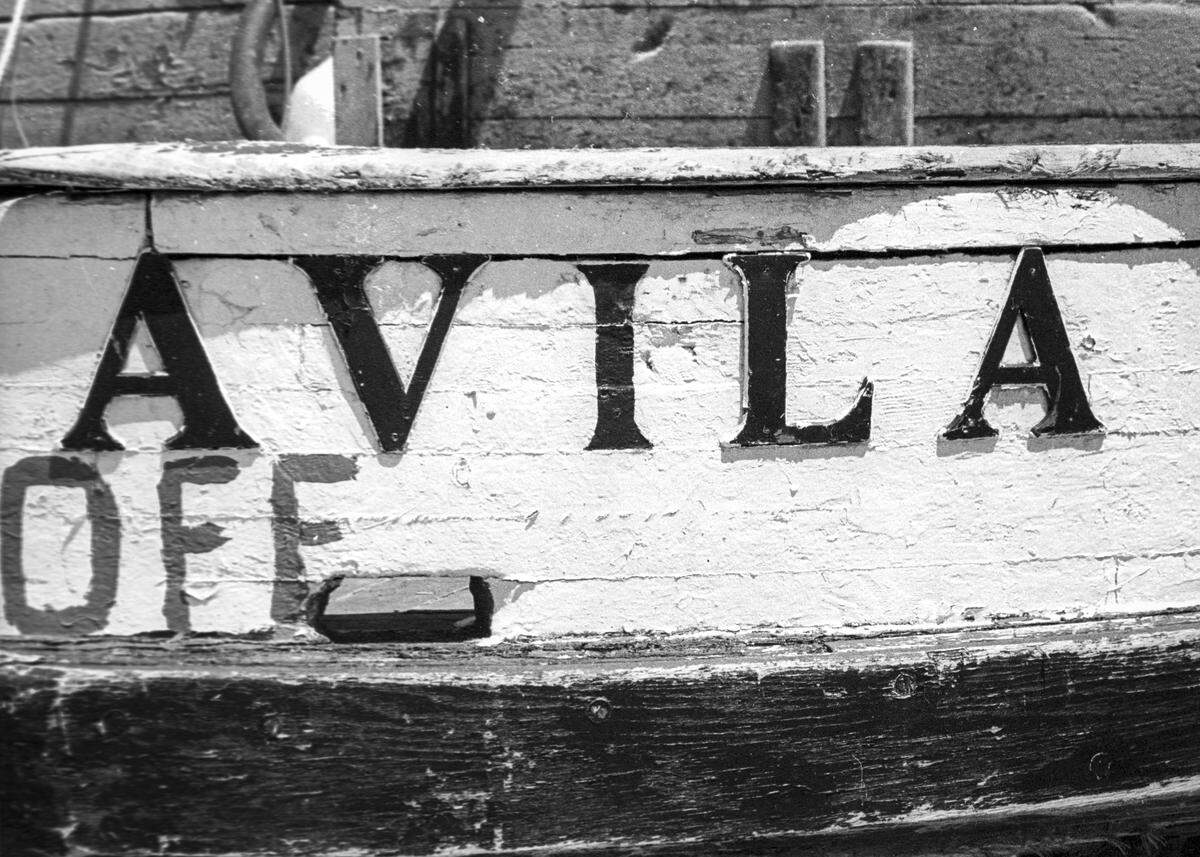
It also boasts some of the most colorful history on the Central Coast. Old timers tell about the People’s Wharf, where steamers and vessels unloaded and received cargo, and the horsedrawn railway.
There was the Narrow Gauge Railway, spanning more than 70 miles from Port Harford to Los Olivos. The plush Marre and Avila hotels. And a whaling station in the center of the breakwater.
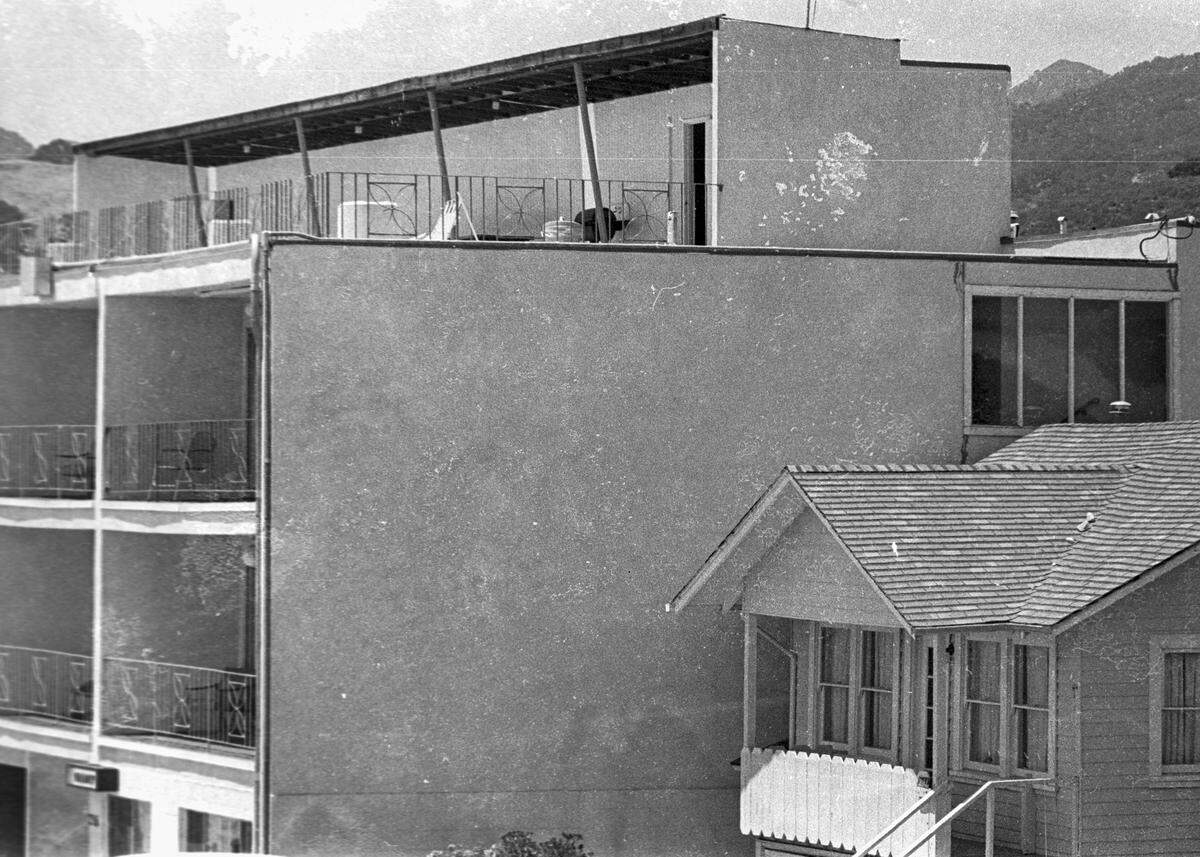
The pocket-sized community has also survived its share of tragedy. The People’s Wharf, purchased from builder John Harford by Luigi Marre in 1882, was heavily damaged and the greater portion swept out to sea by a tidal wave in 1878.
The first Post Office, located at Three Port Store, was destroyed by fire in 1909. Both the Avila and Marre hotels were also destroyed by fires.
Some of the early day businesses and homes are still standing. The U.S. Custom House, a restaurant dedicated in 1927, does business next door to Avila Grocery, at its same stand under the same owner since 1921.
Today, Avila Beach, with its three fingerling piers stretching into the Pacific, still retains its family sunbathing beaches and small shops fronting Front Street. But, it’s tucked between the multimillion dollar Diablo Canyon nuclear power plant, posh San Luis Bay Inn and a wide expanse of golf course. The busy Port Harford of yesterday has been replaced with bustling Port San Luis Harbor, now looking forward to a $12.6 million expansion program.
Avila became Avila Beach on May 30, 1962, when Postmaster Vincente Canet, at the request of the townspeople, requested the name change.
It’s hard to go anywhere in Avila Beach without hearing about Canet, 84, who moved to Avila from Morro Bay when he was six years old. He served as postmaster 35 years and has operated the Avila Grocery since it opened. Canet is also known throughout the county for his photographic memorabilia of Avila Beach.
Down through the years, oldtimers and newcomers alike have so extolled the beach community’s virtues. One of the most colorful, and controversial, personalities to plug Avila Beach in recent years is Richard (Dick) Gregory McDaniel, 65, publisher of the Avila Beach Courier, which he bills as “The Nation’s Littlest Newspaper.”
Fun-loving, with a lively sense of humor, McDaniel will undoubtedly first introduce you to his “family” — some fledgling finches which started out as eggs in a planter in front of his shop.
But he gets serious when he talks about Avila Beach, a community he has learned to love. He’s smitten by the “old days” and wants to preserve them for posterity. But, he also looks to the future.
A history buff who hopes someday to write a detailed history of Avila Beach, McDaniel found early records showing Avila was recorded in 1875. And he launched a one-man campaign to celebrate the event with a king-sized birthday party.
With help from Avila Beach’s 57 year-round residents, he saw to it that the town earned its own stamp cancellation in early June. And he’s been a one-man guiding force behind an all-day centennial celebration tomorrow, July 4. (A complete schedule of events is listed elsewhere in Focus.)
And McDaniel’s dream of preserving some of Avila Beach history for the future will come true when the old Pacific Coast Railway Bridge becomes a historical landmark as part of the centennial celebration.
The bridge served trains until the end of the Pacific Coast Railway in the 1940s, when it was opened to auto traffic.
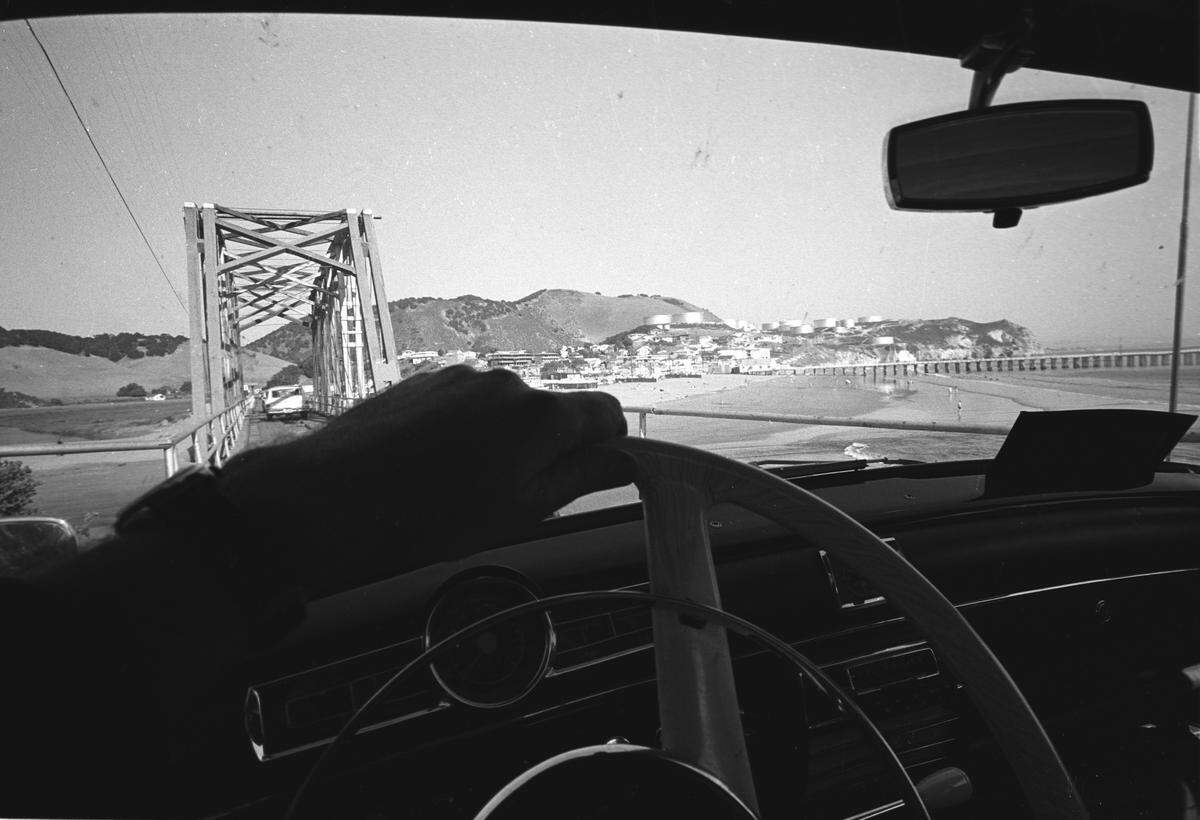
It’s been condemned for years and was slated to be torn down. McDaniel saw it as “a link to the past” and appealed to supervisors to preserve it.
His goal is to turn it into a pedestrian-bicycle walkway on the route from Avila to Port San Luis Harbor. He plans greenways at each end.
“I owe Avila Beach a lot. I love it here — and this is my life,” McDaniel said.
This story was originally published January 10, 2026 at 5:00 AM.