Poachers busted with over 100 illegally harvested Pismo clams at Oceano Dunes
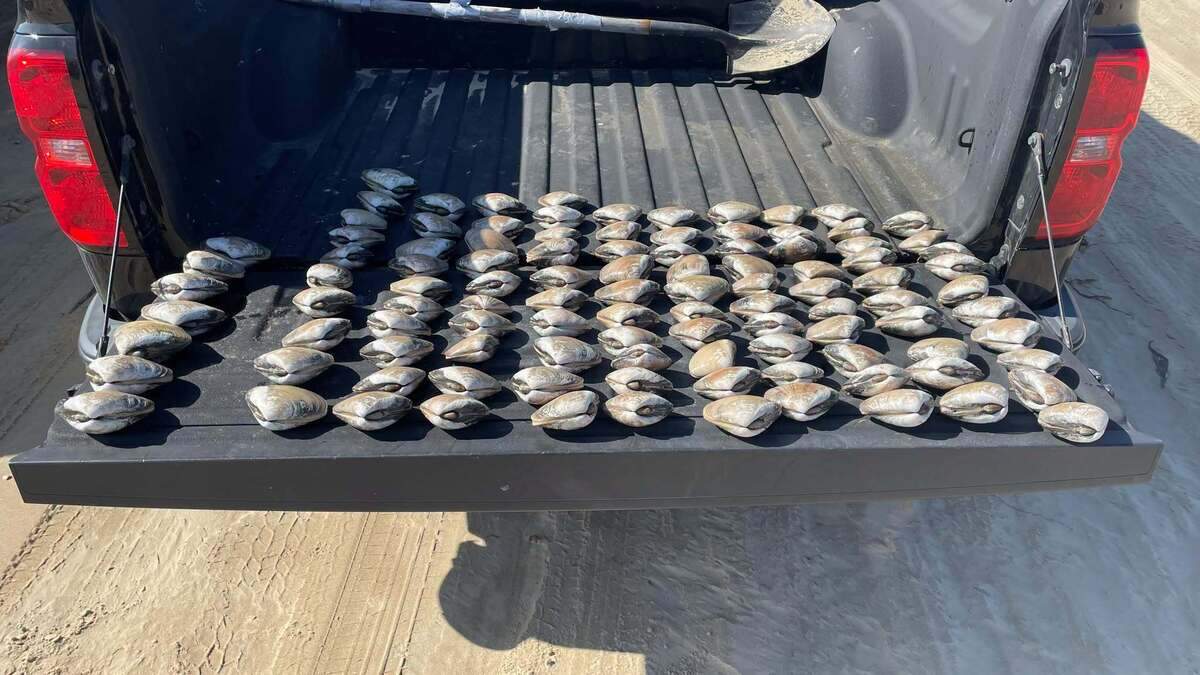
Three people were busted for illegally harvesting 107 Pismo clams in San Luis Obispo County in April.
California Department of Fish and Wildlife officers caught the culprits on April 29 putting clams in a grocery bag at the Oceano Dunes without measuring them, the agency announced on Facebook on Monday.
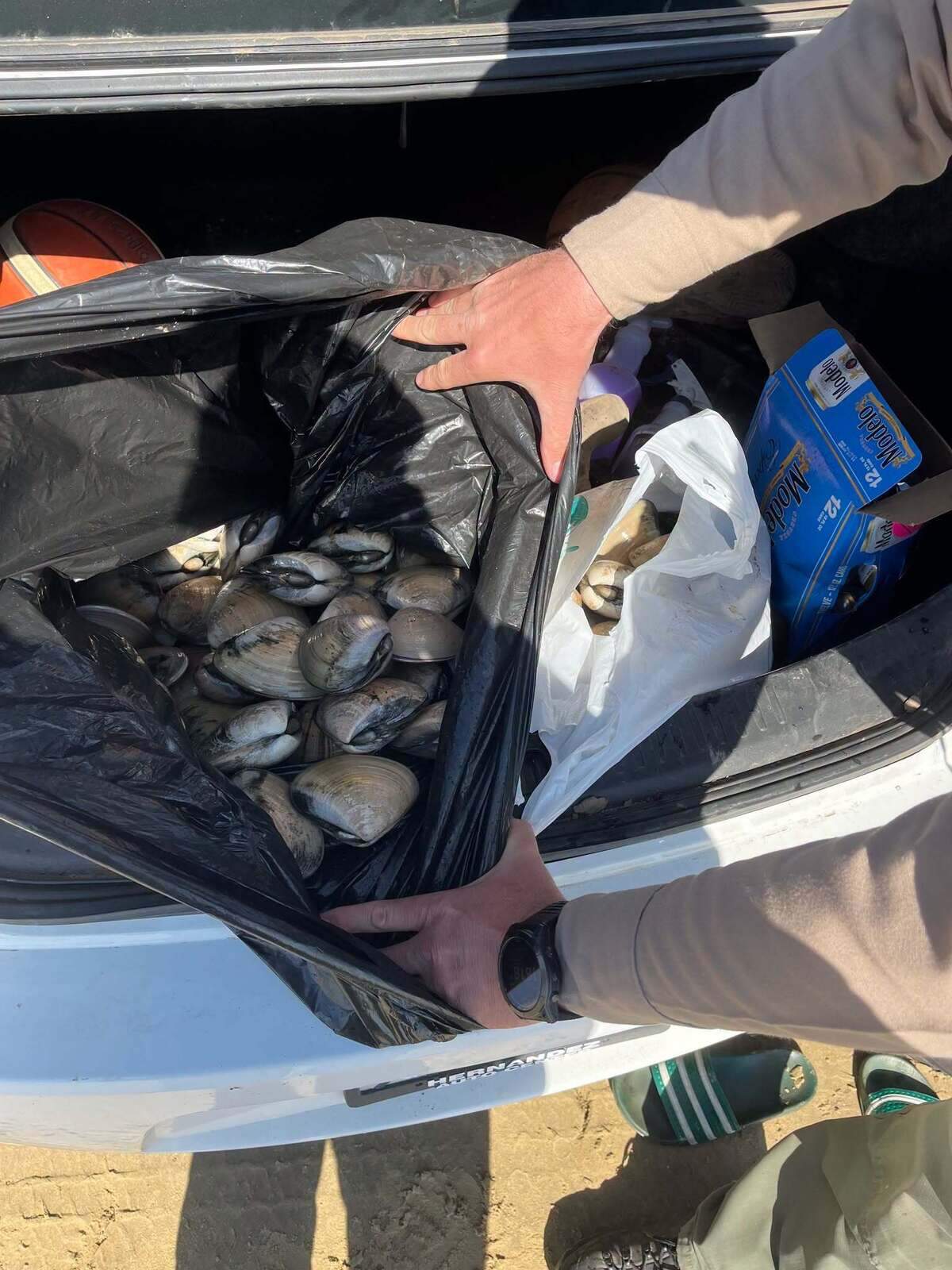
One of the poaching suspects put the grocery bag in a vehicle, then returned to the beach to continue harvesting clams. The other two people then put their clams in the trunk of the same car.
The legal limit for harvesting Pismo clams is 10 per day per person, but officers found 107 clams inside the vehicle.
The suspects did not have the required clam gauges, and 99 of the clams were smaller than 4.5 inches.
The officers issued citations to the group for fishing without a valid sport fishing license, for failing to carry the required measuring device, for exceeding the daily harvest limit of 10 Pismo clams and for harvesting undersized clams.
The officers photographed the clams and returned them to the beach.
“Size limits help ensure our natural resources have the opportunity to reproduce before they can be legally harvested,” the Facebook post said. “This helps support not only a healthy ecosystem — as clams filter thousands of gallons of water each year and provide food for marine life — but also sustainable populations that can be harvested recreationally and enjoyed."
SLO County rules for harvesting clams
In San Luis Obispo County, a person can only harvest 10 Pismo clams a day, and they must be at least 4.5 inches wide.
Each clammer must also have a valid fishing license and an accurate measuring device, and they can only harvest clams from half an hour before sunrise to half an hour after sunset.
People must also bring a clam fork, a caliper and a bucket of seawater per person.
If clammers dig up a clam that’s too small, they must rebury the mollusk immediately.
The process involves digging a small, 2-inch deep hole in the wet sand where the water will reach it. Then pick up the clam, and look at the hinge side to find its ligament, which is a small, fleshy bump.
Place the clam in the hole with the hinge side facing towards the ocean and the ligament facing up, and bury the clam 6 to 8 inches deep in the sand.
If you see someone poaching clams, call the CalTip line at 888-334-2258.