SLO County had an above-average rain year. One spot got 127% of the normal amount
San Luis Obispo County had an above-average rainy season, with most areas receiving more than the usual amount of rain for the year.
Data from the San Luis Obispo County Public Works Department show that most of the county received between 64% and 115% of their annual average. The county calculates annual rainfall for the rainy season from July 1 and through June 30.
Rocky Butte, a spot in the mountains northeast of Cambria, led the county’s rainfall totals with 39.71 inches. Rocky Butte tends to receive a lot of rain, and this year, it got 99% of its normal amount.
Meanwhile, Creston exceeded its annual average by more than any other county location — receiving more than 127% of the normal amount of rain for its area at 15.24 inches.

Here’s how much rain San Luis Obispo County has received since July 1:
- Rocky Butte: 39.71 inches, 99% of normal
- Davis Peak: 20.61 inches, 114% of normal
- Lopez Lake: 21.05 inches, 105% of normal
- East Nipomo: 19.31 inches, 107% of normal
- South Nipomo: 16.15 inches, 115% of normal
- Creston: 15.24 inches, 127% of normal
- Highway 46 West: 19.13 inches, 64% of normal
- Los Osos Landfill: 20.77 inches, 115% of normal
- Camp San Luis: 22.81 inches, 114% of normal
- Morro Toro: 24.58 inches, 88% of normal
- Cambria: 17.17 inches, 78% of normal
- Arroyo Grande: 19.63 inches, 109% of normal
- Shandon: 13.18 inches, 110% of normal
- South Portal in Stenner Springs Open Space: 27.56 inches, 98% of normal
- Oceano: 16.03 inches, 100% of normal
- Hog Canyon east of Camp Roberts: 14.2 inches, 89% of normal
- Templeton: 14.5 inches, 81% of normal
- San Luis Obispo off Buckley Road: 20.87 inches, 95% of normal
- Santa Margarita: 25.04 inches, 104% of normal
- San Luis Obispo Reservoir: 24.9 inches, 104% of normal
- San Simeon: 18.81 inches, 78% of normal
- Atascadero: 17.34 inches, 96% of normal
How San Luis Obispo County’s reservoirs are faring
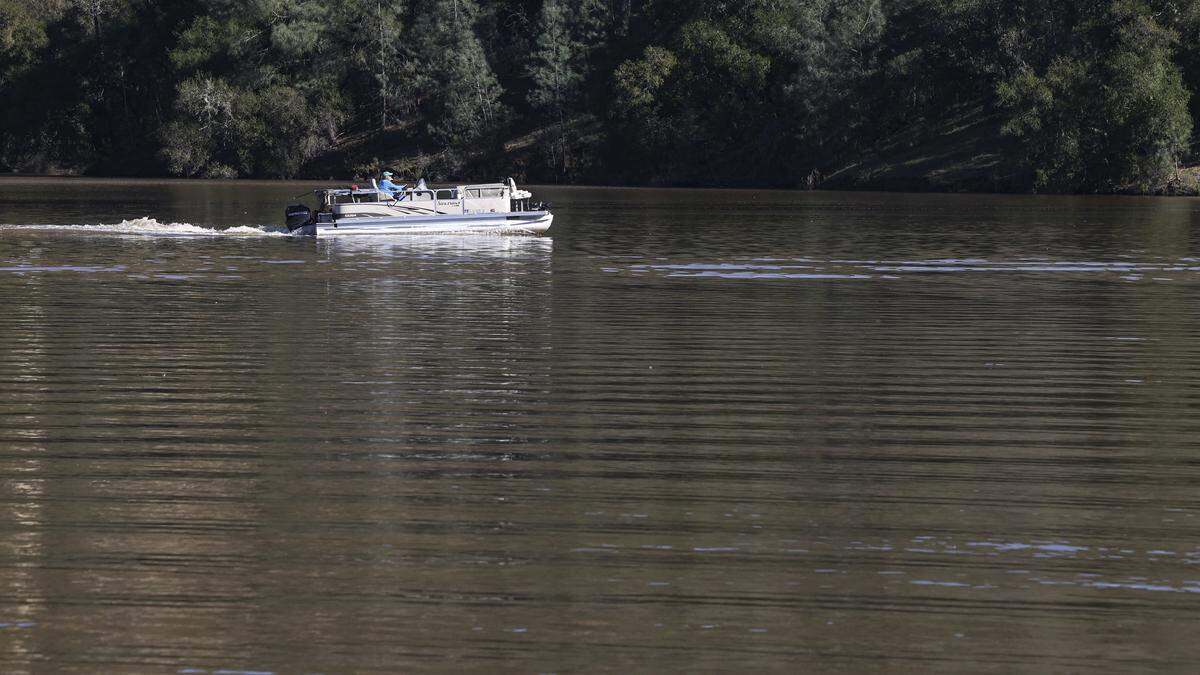
San Luis Obispo County’s abundant rain season filled reservoirs just in time for summer — when people often enjoy swimming and boating in Lopez Lake and Lake Nacimiento.
Santa Margarita Lake, where the Salinas Dam is located, was 98.8% full on Friday, according to the San Luis Obispo County Public Works Department.
Lopez Lake was at 86.2% capacity.
Whale Rock Reservoir was 84.8% full, according to the City of San Luis Obispo’s website. That reservoir is located in Cayucos, and it provides water to the city of San Luis Obispo, Cal Poly and the California Men’s Colony.
Lake Nacimiento was at 57% capacity, according to the Monterey County Water Resources Agency. Located in northern San Luis Obispo County, the reservoir supplies water to both Monterey and San Luis Obispo counties.
San Antonio Lake, located in southern Monterey County, was at 61% capacity, according to the Water Resources Agency.
As of Friday, a handful of California’s northern and eastern counties faced drought conditions — but San Luis Obispo County was in the clear, according to the U.S. Drought Monitor.