3 groups challenge Clean Water Act certification for Diablo Canyon nuclear plant
PG&E got one of the certifications it needed to release wastewater from the Diablo Canyon nuclear power plant for the next 20 years — but three nonprofit organizations are fighting to shorten that window.
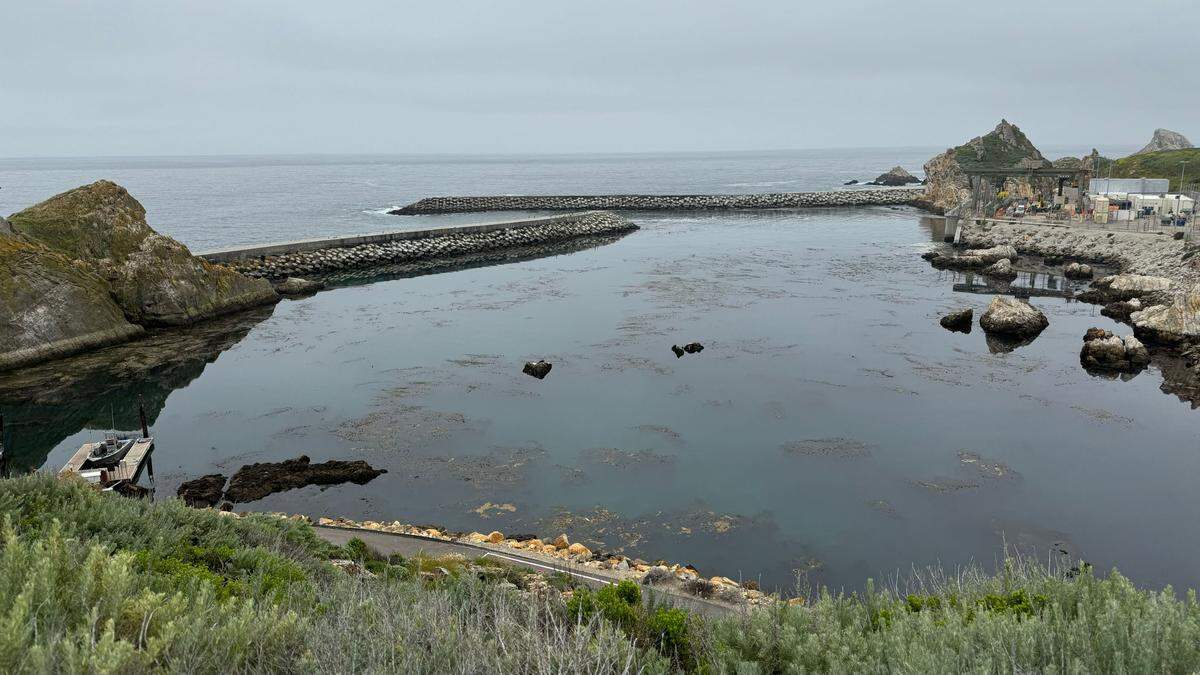
The power plant’s cooling system sucks in about 2.5 billion gallons of seawater per day, enough to fill almost 3,800 Olympic-sized swimming pools.
On Feb. 26, the Central Coast Regional Water Quality Board issued a five-year permit that allows the power plant to release that wastewater back into the Pacific Ocean.
Also at that meeting, the board certified that the 20-year operating license PG&E requested from the U.S. Nuclear Regulatory Commission would comply with the Clean Water Act.
But a group of nonprofit organizations said the 20-year certification violates state law.
Senate Bill 846 only allows Unit 1 to operate until 2029 and Unit 2 until 2030, and the nonprofit organizations think the certification should expire then, too.
On Friday, the Committee to Bridge the Gap, the Santa Lucia Chapter of the Sierra Club and San Luis Obispo Mothers for Peace filed a petition with the California State Water Resources Control Board to shorten the Clean Water Act certification so it ends in 2030 to align with state law.
The petition asks the state board to shorten the certification or return the matter to the regional board for correction.
“We repeatedly warned the regional board that state law set a very clear, unambiguous statutory deadline for the operation of Diablo Canyon, and they ignored that deadline,” Committee to Bridge the Gap executive director Haakon Williams said in a press release. “California’s shutdown dates are not suggestions. They are legally binding limits, and the regional board had no authority to ignore those deadlines through creative permitting.”
At the Feb. 26 meeting, however, the regional water board’s attorney said the agency did not have the authority to shorten the Clean Water Act certification.
The Clean Water Act only allows the water board to consider certification when an agency applies for a new license. If the board only awarded a five-year certification, but the Nuclear Regulatory Commission gave PG&E a 20-year license, the board would have no way to reconsider the certification when it expires, the attorney said at the meeting.
The environmental groups, however, think the board is prioritizing “theoretical future legislation rather than current law,” the press release said.
“It is very troubling that a state administrative agency would flagrantly ignore state law to reach a conclusion it clearly had no jurisdictional authority to reach,” Sierra Club Santa Lucia Chapter coordinator Gianna Patchen said. “At the end of the day, our petition is not challenging decisions where reasonable minds can differ. We are challenging a clear-cut failure by the regional board to follow the law.”
If the state board doesn’t shorten the certification, the nonprofit organizations said they may take the matter to court.