Colorful wildflowers blooming across Carrizo Plain. See photos
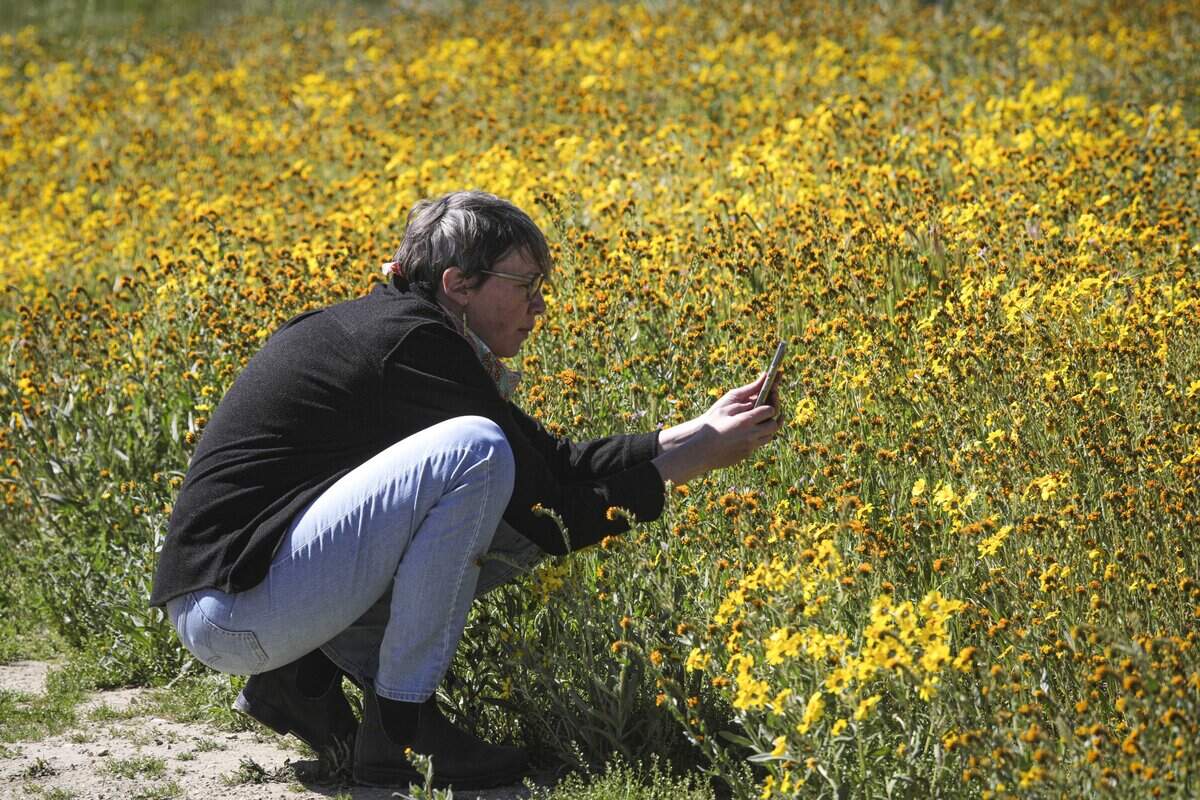
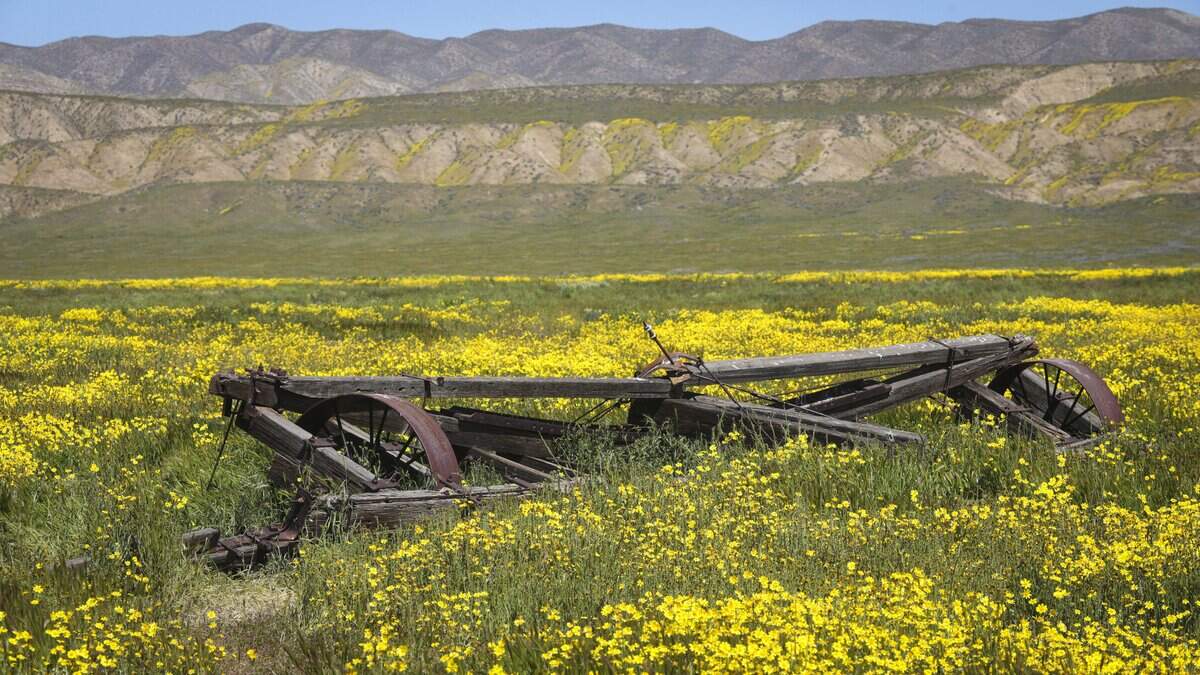
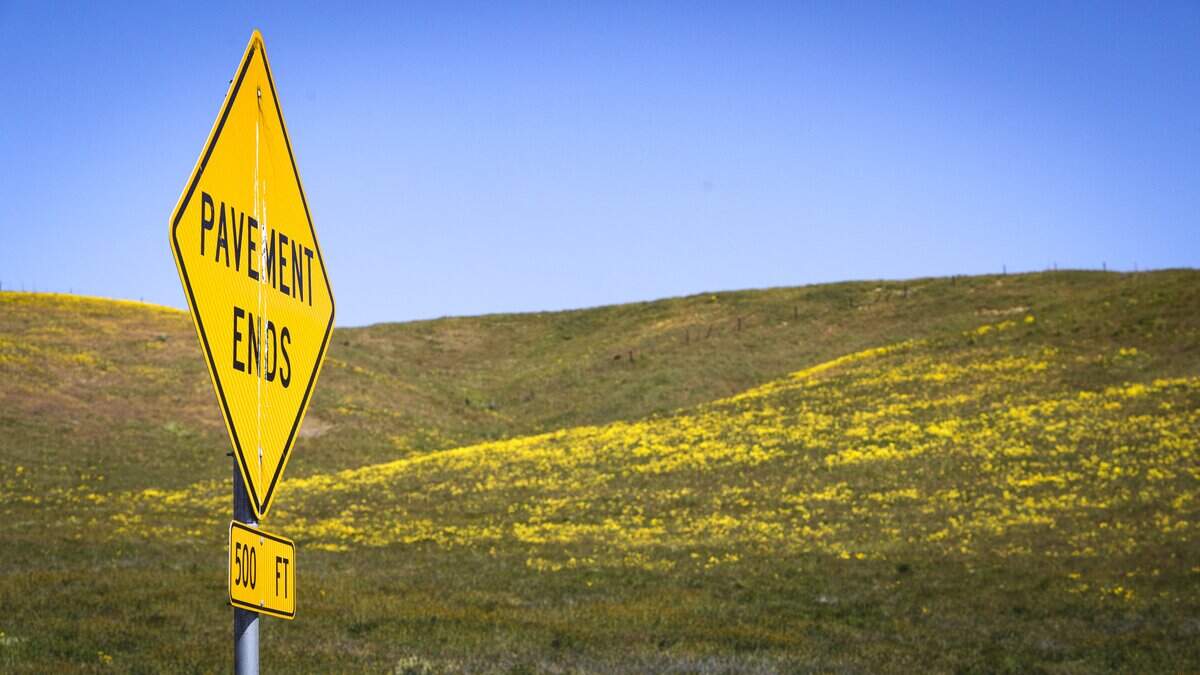
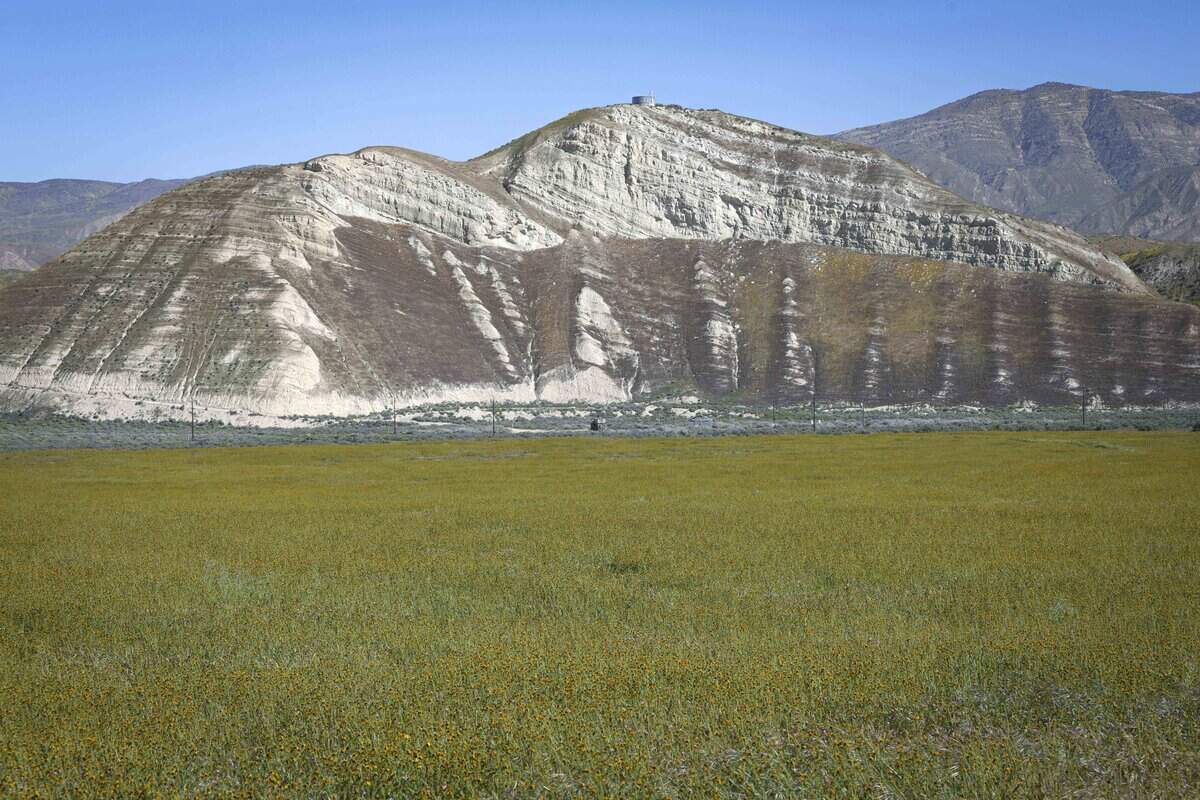
A sea of yellow flowers is blooming across the valley floor of the Carrizo Plain — finally catching up to the early-season color carpeting the Temblor Range.
“I think it’s going to be a pretty darn good year,” Carrizo Plain Conservancy board president Neil Havlik said. “It already looks like it.”
Rain showers doused the Carrizo Plain in November and late December. Then, an unusually warm and rainless January dried out the west-facing slopes of the Temblor Range — creating the conditions for a swath of bright yellow daisies to bloom prematurely on those hillsides in February, he said.
The valley floor experienced less sunshine and lower temperatures in January and February, allowing the soil to retain moisture, so the flowers there didn’t bloom as early.
Then, rain at the end of February rejuvenated the flowers on the Temblor Range and supported the seeds buried in the valley.
Warmer temperatures this past week encouraged those flowers to bloom — and the valley floor is now awash with color as goldfields, daisies and fiddleneck push through the soil.
This winter’s weather pattern “created two blooms which have sort of overlapped,” Havlik said. “I’ve never seen anything like this before.”
He said the bloom could last through early April, depending on the weather.
Right now, the weather forecast calls for daytime highs in the upper 80s and nighttime lows in the 40s and 50s, which will support the wildflowers, he said. But temperatures much hotter than that could cause the flowers to wilt.
“You get a couple of days in the 90s and things start getting cooked,” he said.
The longevity of the bloom really depends on the severity of the upcoming heat wave, he said.
“If it stays cool, that’ll extend things,” he said. “If it gets hot, that’ll shorten things.”
Flower fans head to the Carrizo Plain
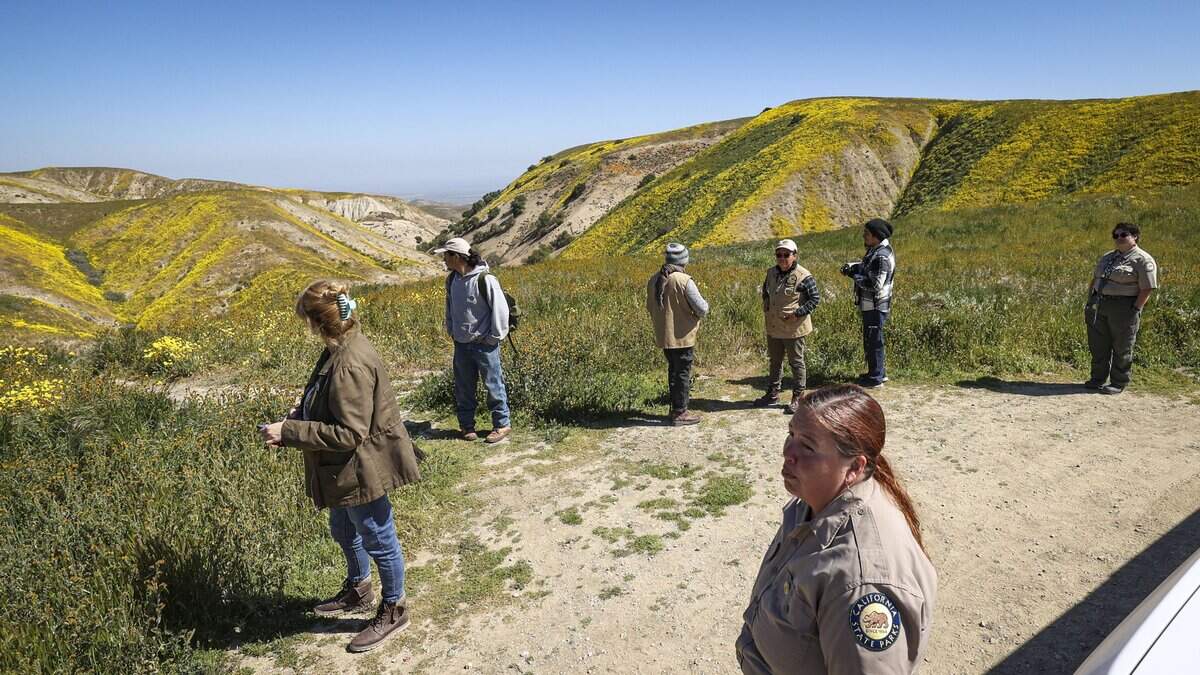
Flower fanatics flocked to the Carrizo Plain on Wednesday to enjoy the wildflower display. In fact, it was rare to be out of sight of other visitors on the usually isolated roads.
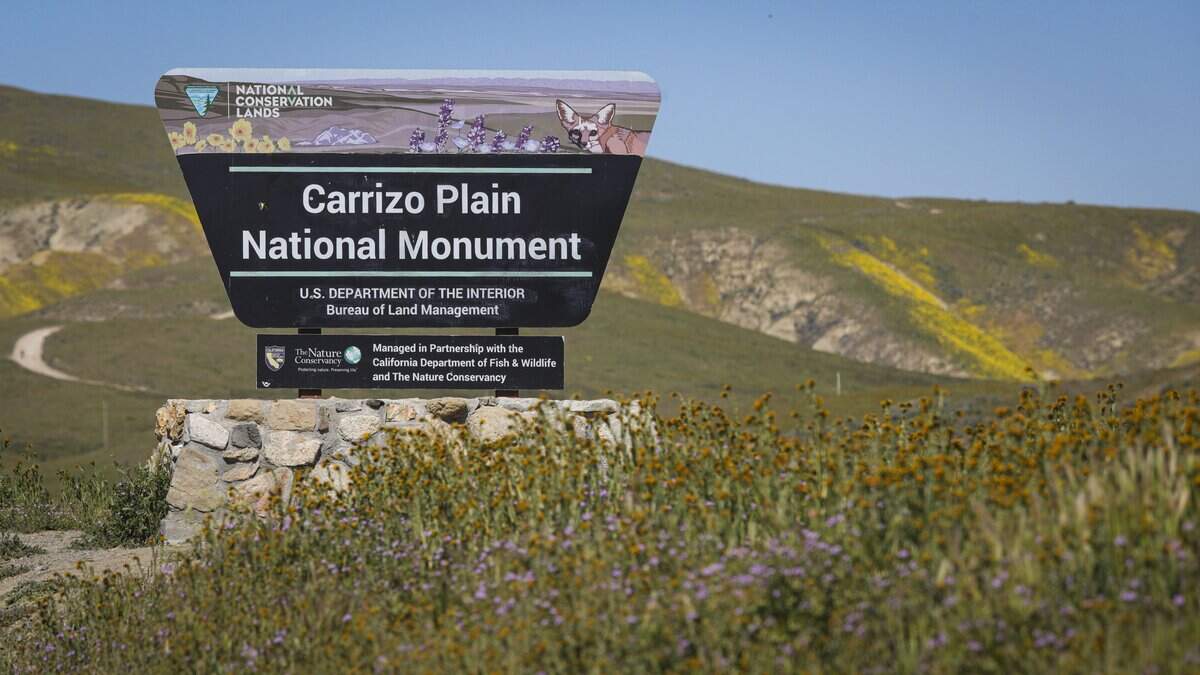
Monument manager Johna Hurl opened the Goodwin Education Center a day early on Wednesday to help assist the flood of visitors in finding their way around the 250,000-acre national monument.
The center is usually open from Thursday to Sunday from 9 a.m. to 4 p.m. People can speak to a ranger at 661-391-6191 or a recorded information line at 661-391-6193.
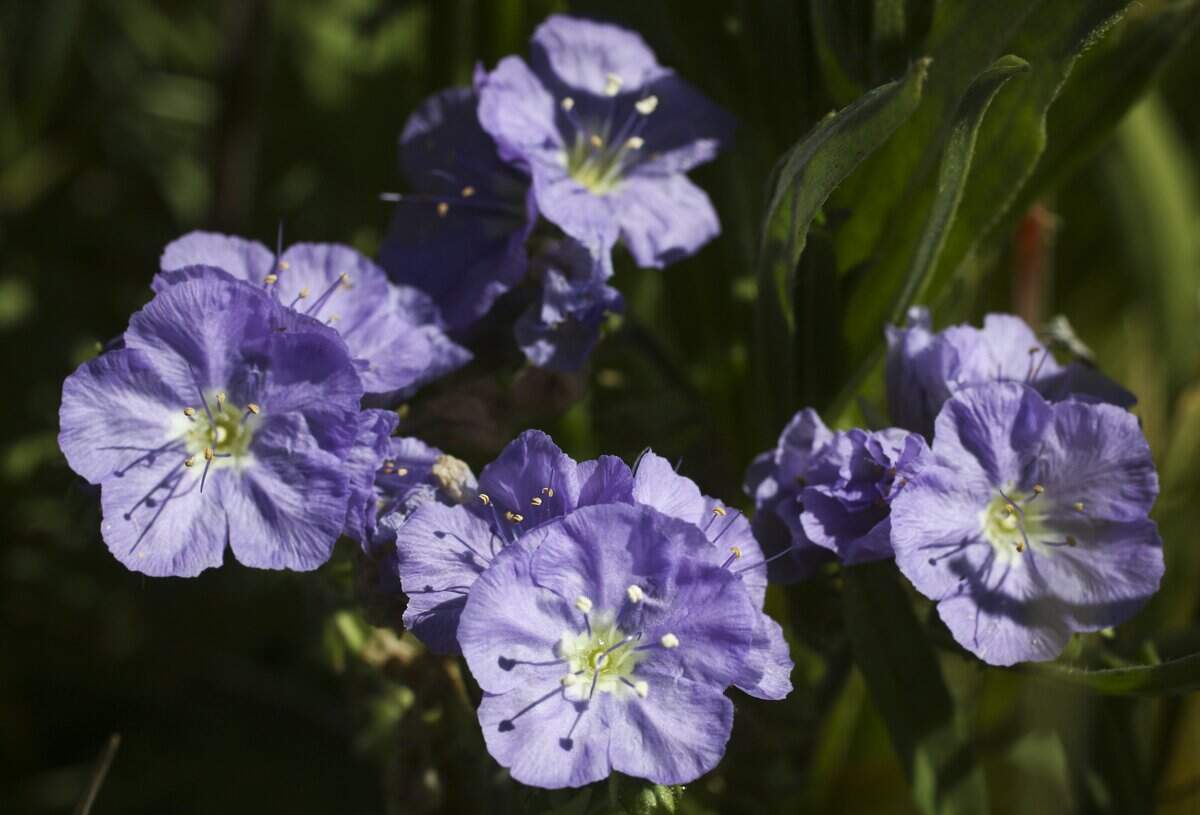
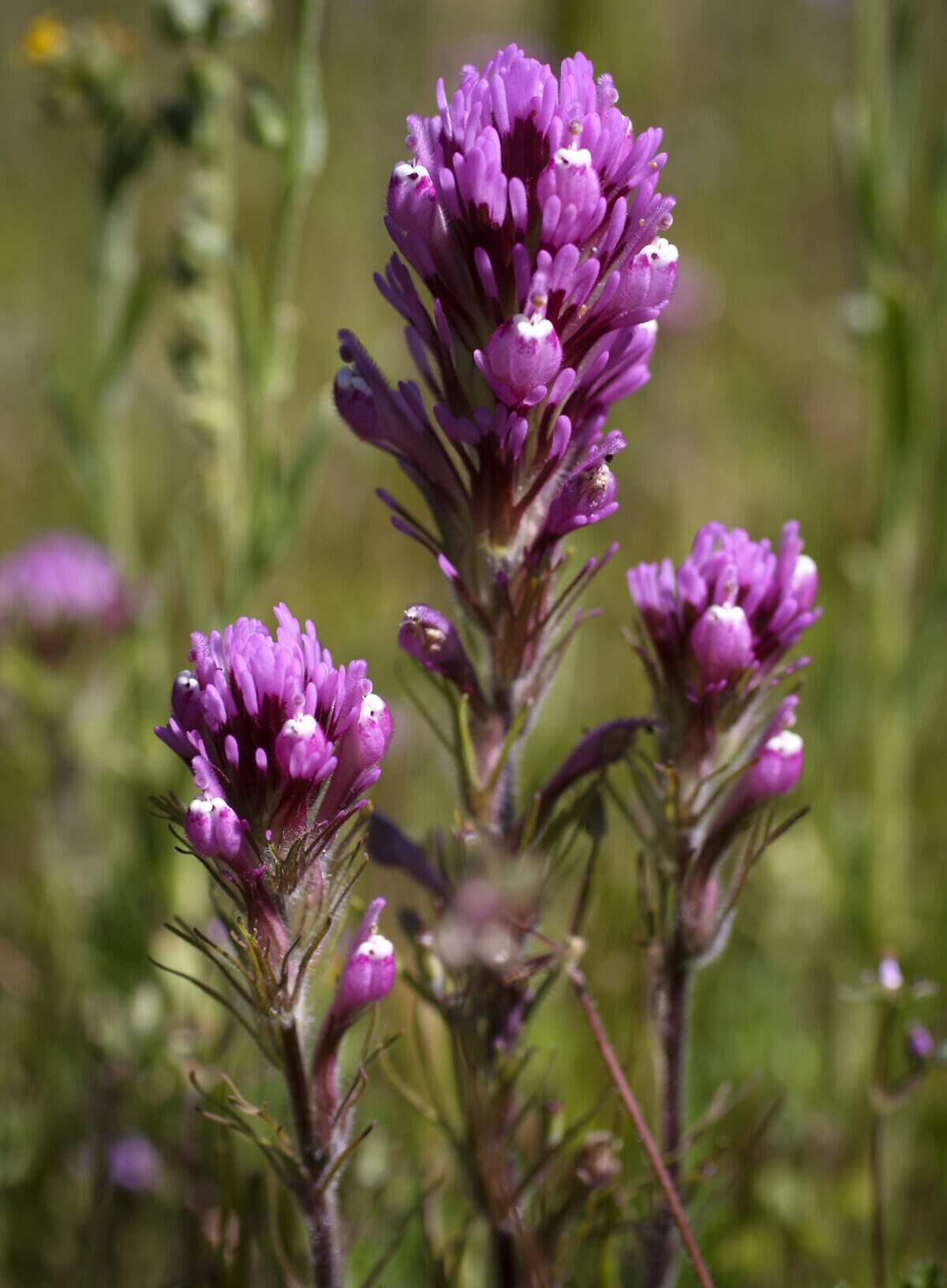
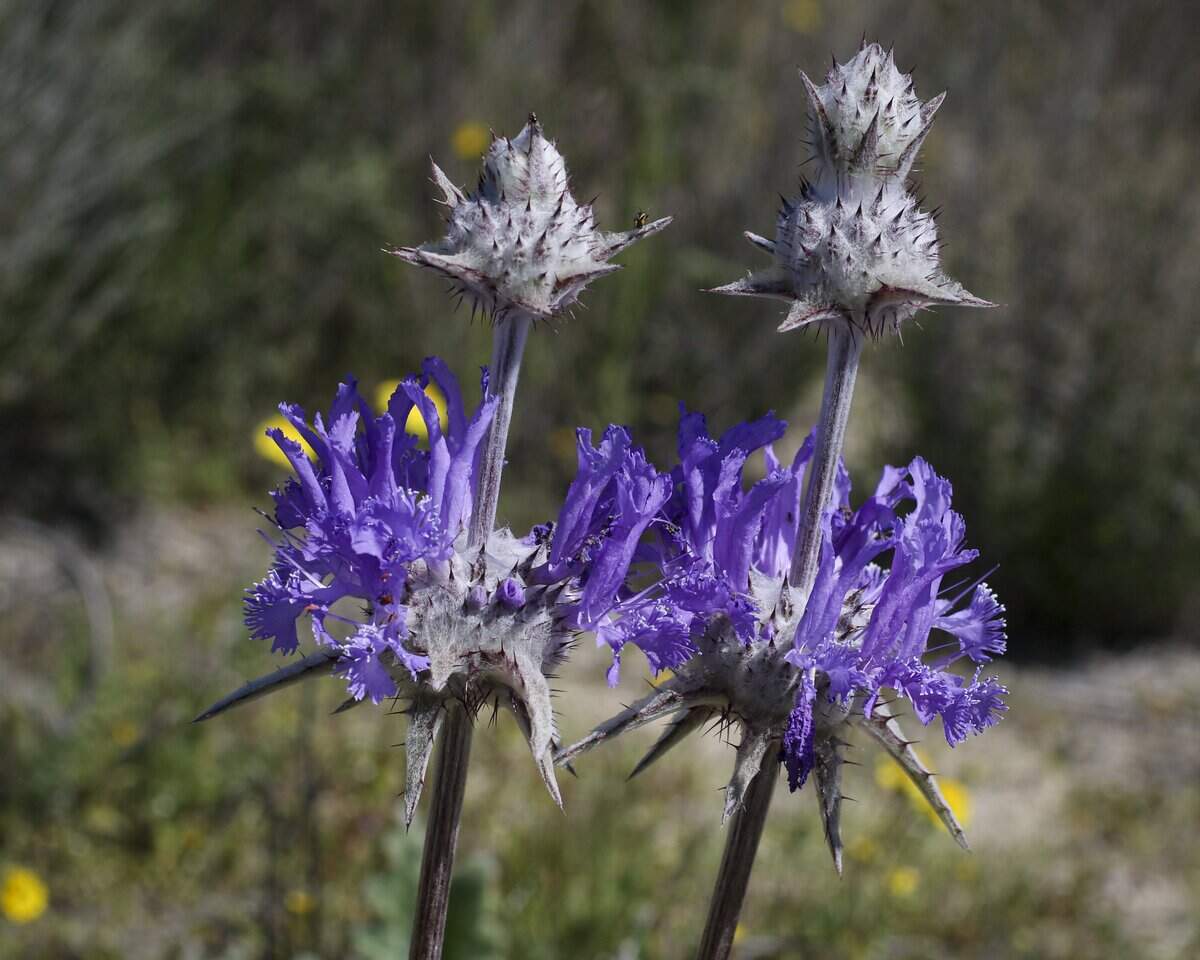
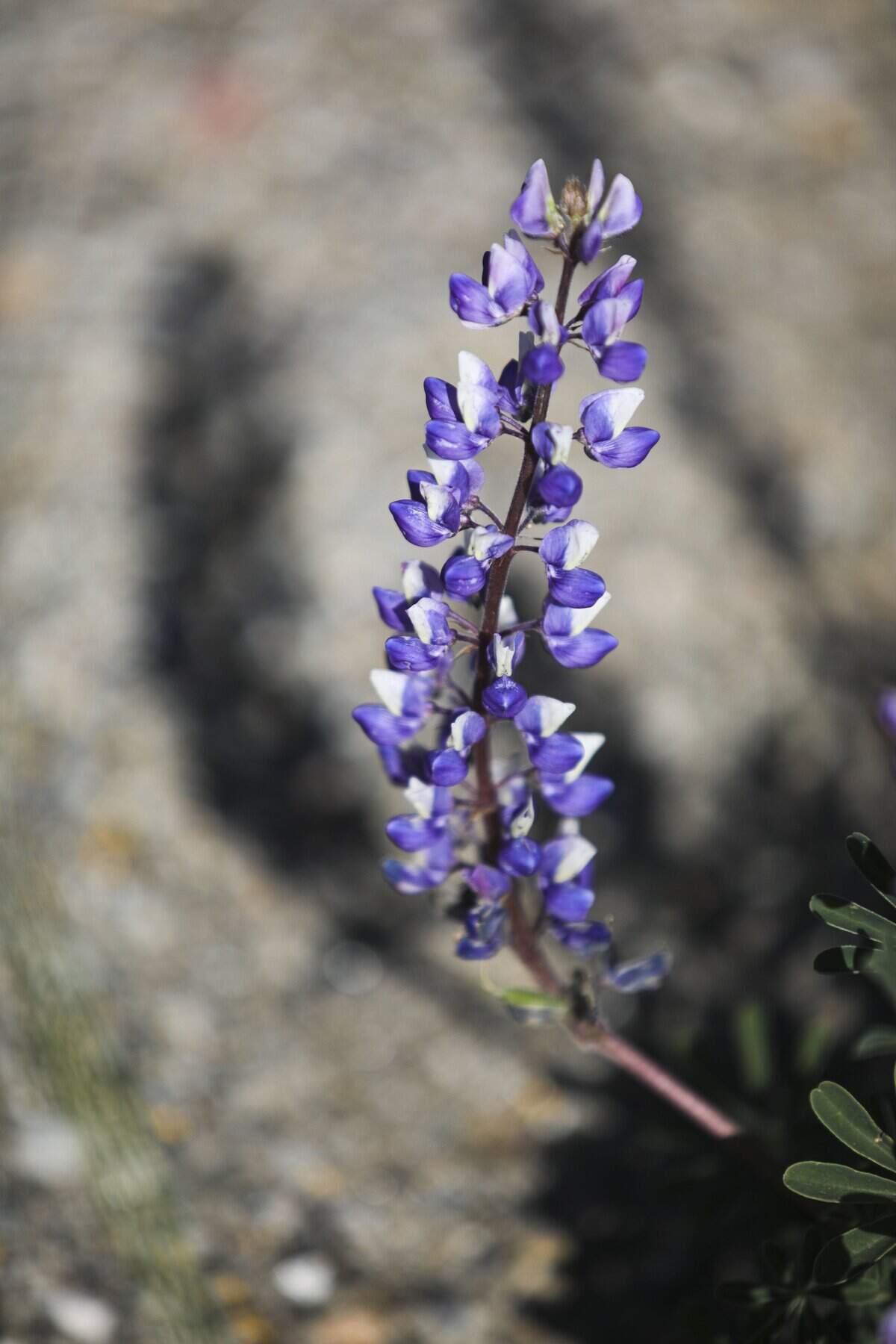
Owls clover, lupine and thistle sage added cool splashes of purple and blue to the carpet of yellow fiddleneck and common hillside daisies in the valley.
Soda Lake Road is open though unpaved in the southern part of the monument, and camping is limited.
Visitors should drive carefully, as people often stop to look around, and some roads need high-clearance vehicles. Other roads are still closed in the lowest areas due to deep mud, the result of heavy rains in the flat, land-locked plain.
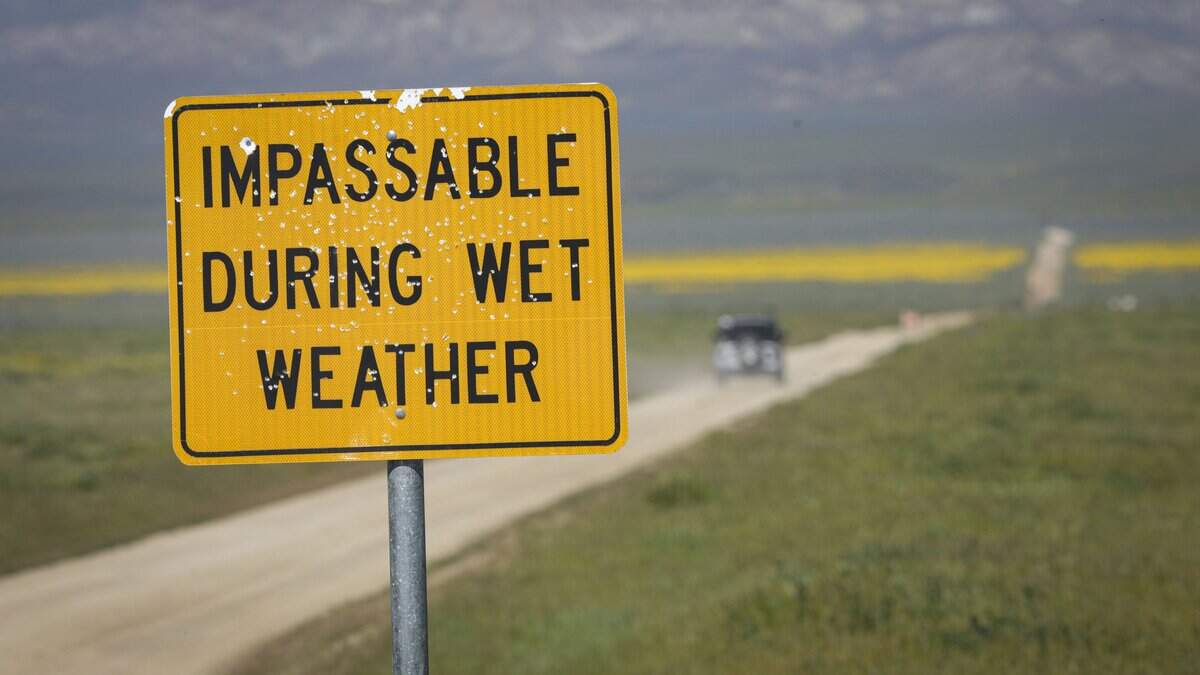
Google Maps also isn’t always reliable when navigating the Carrizo Plain, as the GSP often routes drivers to impassable roads and doesn’t account for locked gates. Rangers recommend visitors check in at the Goodwin Education Center at 17495 Soda Lake Road for detailed information about what roads are safe to drive.
Panorama Road is still thick with mud and impassable to vehicles, and there’s a deep divot on Elkhorn Road that a sedan could not traverse.
As for just how extensive the bloom is this year, Havlik was circumspect.
“Is it a superbloom? I don’t think so,” he said. “But it’s a good one.”
This story was originally published March 13, 2026 at 1:56 PM.