Avian flu killed California elephant seal pups. Are SLO County seals at risk?
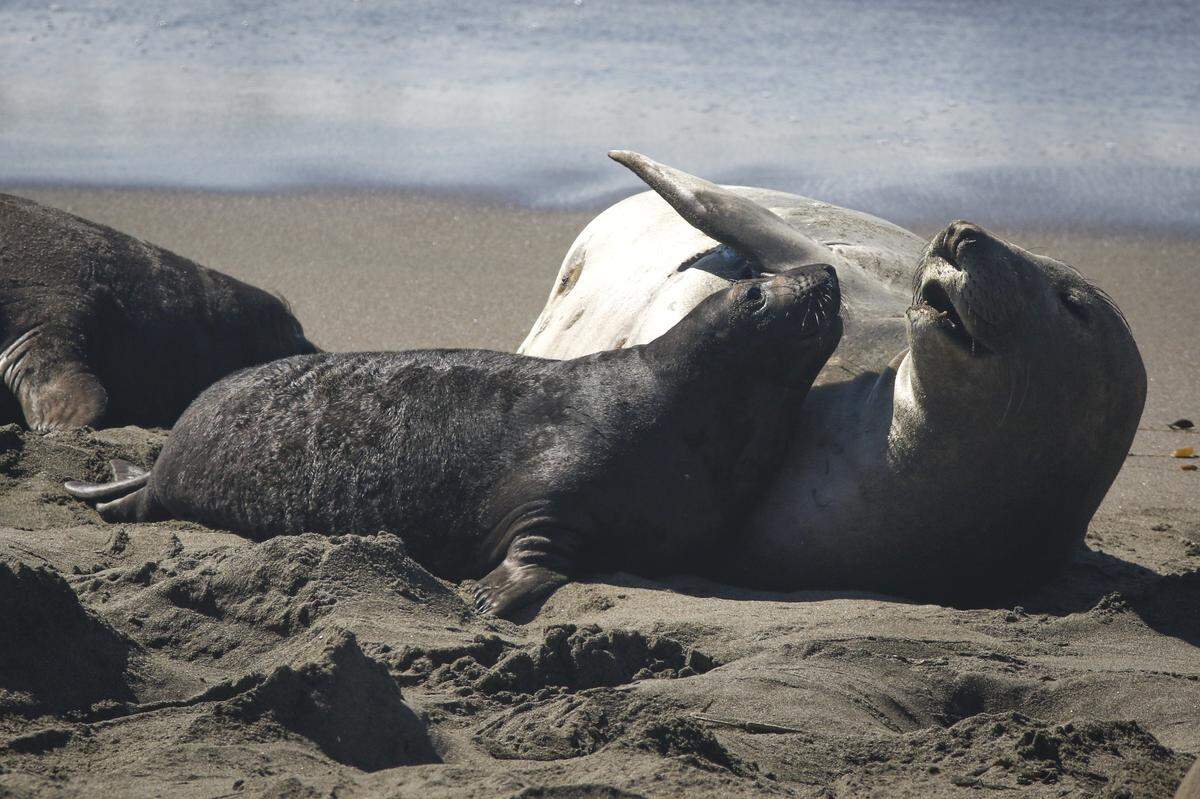
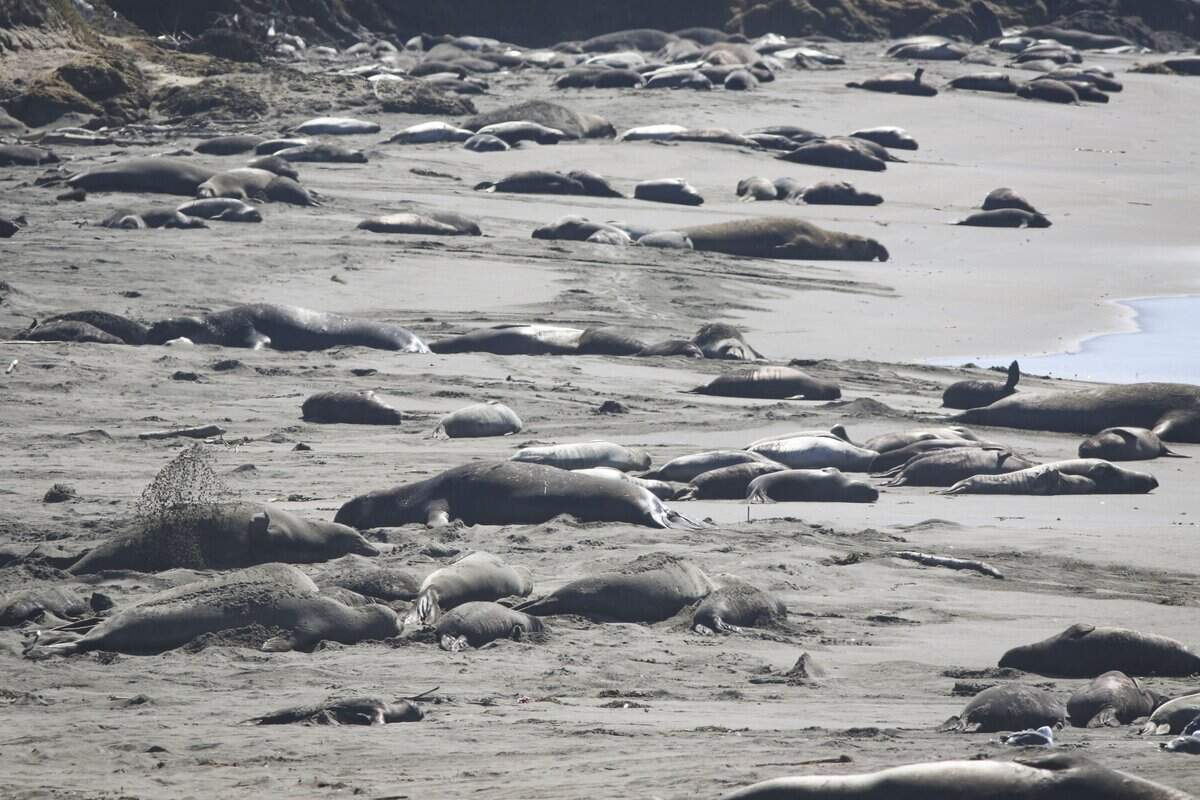
Elephant seal pups chubby from nursing snorted through snotty noses on Thursday at the Piedras Blancas rookery — but not because they were sick.
In San Luis Obispo County, the elephant seals appeared to be healthy, despite a small outbreak of the highly pathogenic avian influenza among elephant seals at Año Nuevo State Park in San Mateo County, Cal Poly biology professor Dr. Heather Liwanag said.
As of Thursday, none of the elephant seals at the Piedras Blancas rookery displayed symptoms of the virus, she said.
Luckily, mucus production is not a sign of illness in elephant seals. In fact, it’s a sign of good health, as the seals create a lubricant called surfactant to help reinflate their lungs after deep dives in the ocean, Liwanag said.
Instead, seals infected with the avian flu tend to suffer from tremors or neurological symptoms like seizures, she said.
Research suggests that the sick Año Nuevo elephant seals were directly infected by birds carrying the virus. So far, scientists haven’t seen this virus passed between seals at the State Park — which means that the risk of contracting the avian flu hasn’t changed much for San Simeon’s seals, Liwanag said.
Birds in California have been testing positive for the avian flu for two or three years, so her team already monitored the seals for the virus before the Año Nuevo outbreak.
“We have been on alert for this for some time,” she said.
Because seals are unlikely to transmit the virus to each other, Liwanag thinks the Piedras Blancas seals are at the same risk of infection as they were before the Año Nuevo outbreak.
The real danger is exposure to infected birds — a risk that hasn’t changed, she said.
“It is a little bit nerve-wracking,” Liwanag said of the outbreak. “But it seems like we’re in the same place we were before, which is good news.”
Sick elephant seal pups die at Año Nuevo State Park
On Feb. 19 and 20, researchers collected samples from seven sick and dead elephant seal pups who were recently weaned from nursing at Año Nuevo State Park, UC Davis reported.
All seven samples tested positive for the highly pathogenic avian influenza, known also as influenza A, subtype H5. The live elephant seals who were tested died within 24 hours of the onset of their symptoms, Liwanag said.
As of Monday, researchers had taken samples from 35 marine mammals — but UC Davis had not yet confirmed whether those samples tested positive for the virus.
So far, the virus doesn’t appear to be spreading among the Año Nuevo population, and it’s even less likely to spread by seal to Piedras Blancas, Liwanag said.
Young elephant seals often travel between Piedras Blancas and Año Nuevo before they start breeding, but Liwanag doesn’t see this as a risk.
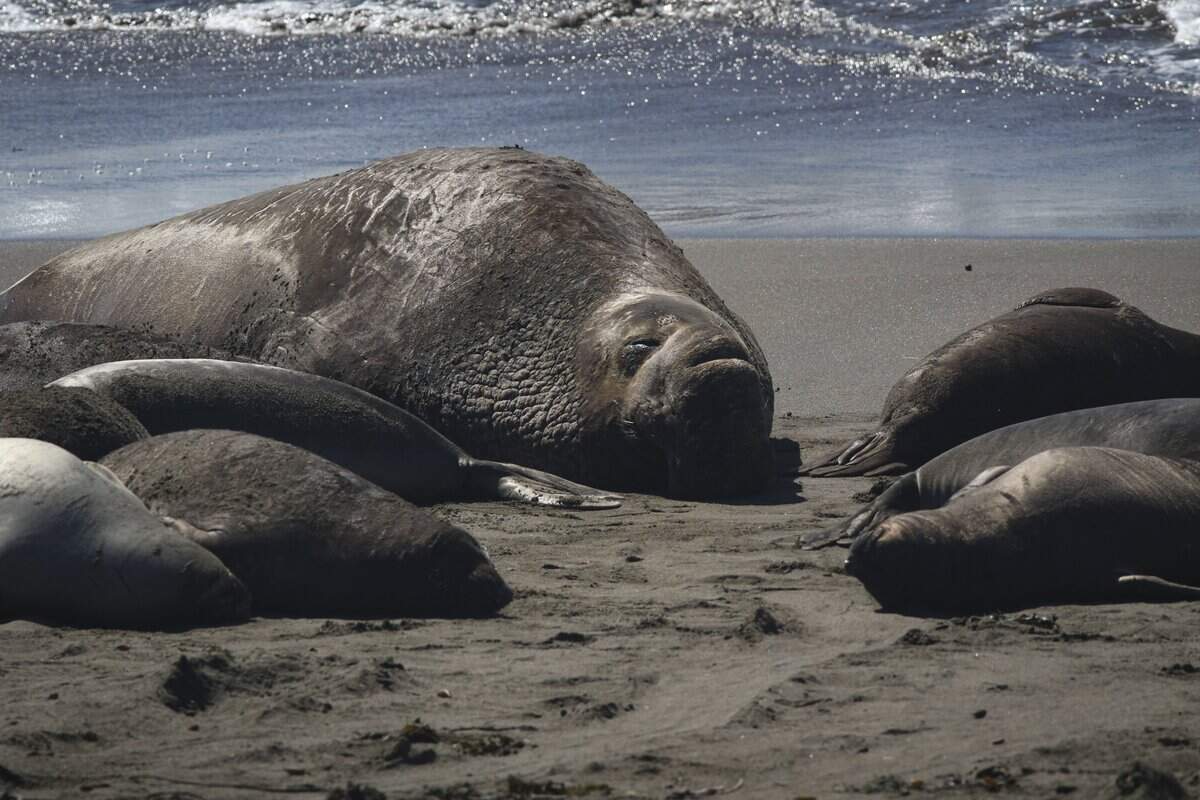
The known infected seal pups at Año Nuevo already died, and even if an infected seal swam to San Luis Obispo County, the virus doesn’t yet seem able to transfer between seals, she said.
“It’s an avian flu, so it’s most adapted to infect birds,” Liwanag said. “The jump to a different species — it’s possible, but it’s not common.”
If the Piedras Blancas seals did get sick, it would more likely be from exposure to infected bird guano, she said.
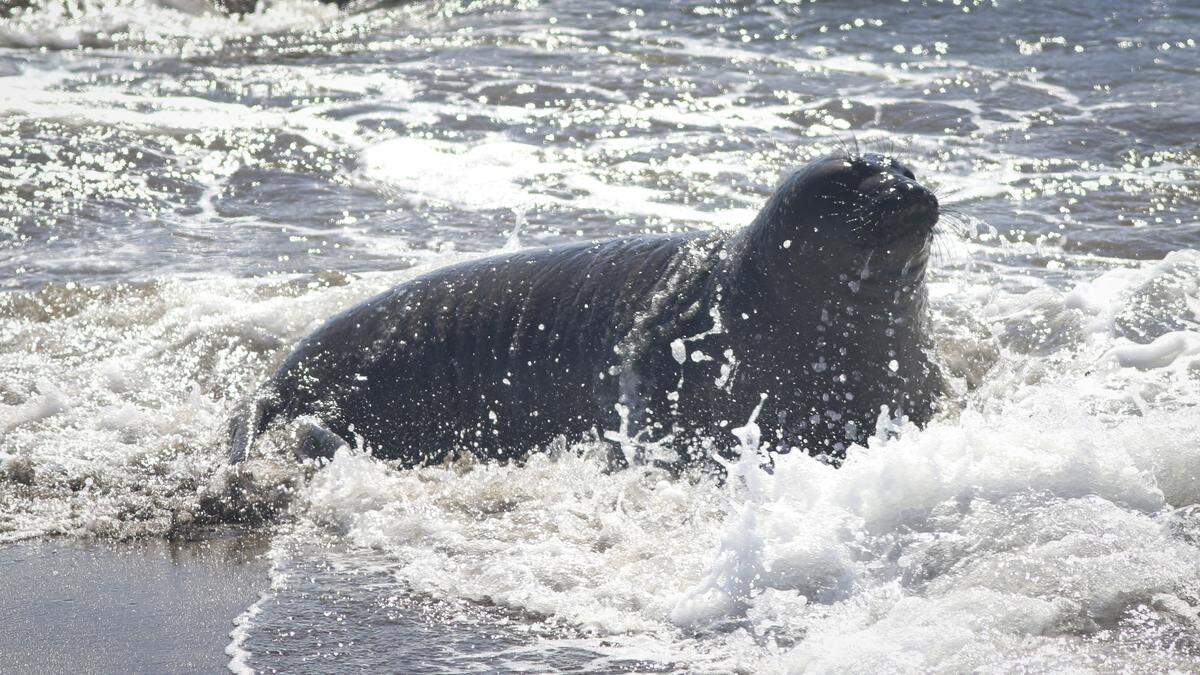
Monitoring elephant seals at Piedras Blancas rookery
Liwanag and her team have kept an eye out for the avian flu for about three years.
In 2023, an outbreak of the virus killed about 17,500 southern elephant seal pups at the Valdés Peninsula in Argentina, according to an article published by the news outlet Mongabay.
The incident triggered alarm bells in the labs of elephant seal researchers across California, as southern and northern elephant seals have similar physiologies — and many of the birds in Argentina migrate through the Golden State.
“We were really, really worried because northern elephant seals are their closest relatives, generally,” she said. “This could devastate them similarly.”
Since then, avian flu outbreaks among marine mammals in the United States were small. The avian flu infected a few marine mammals in Florida and Maine in 2022 and in Washington in 2023, UC Davis said.
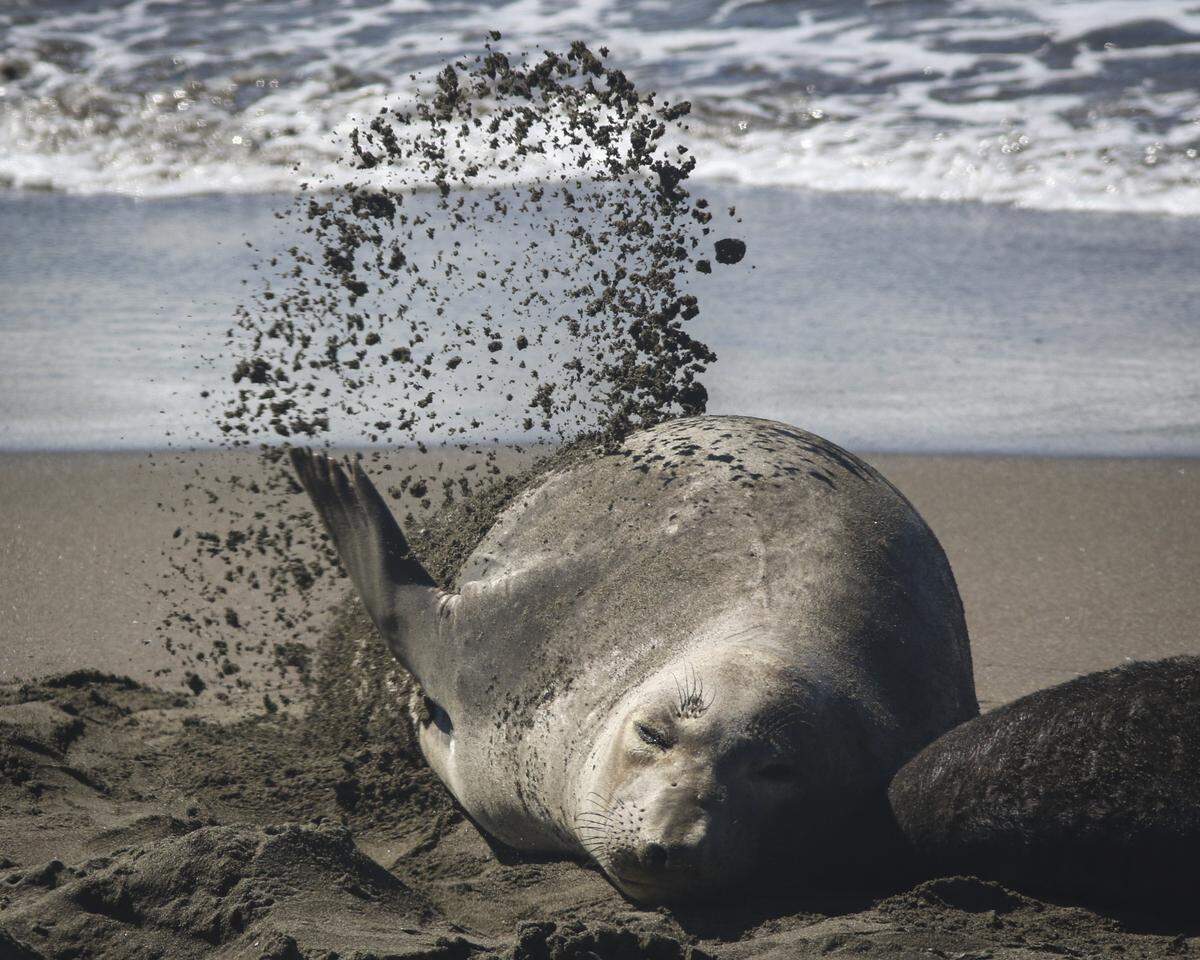
This is the first time the avian flu infected seals in California, and researchers don’t know why, Liwanag said.
“I think it’s just random chance, to be honest with you,” she said. “Why now? Who knows.”
When conducing research at the rookery, Liwanag’s team disinfects their equipment and shoes between beaches to prevent carrying disease from one spot to another. They also disinfect their nitrile gloves between handling seals and switch out gloves between beaches.
The team scans the beaches for signs of the flu, like clusters of dead birds or symptomatic seals with tremors, seizures or lethargy.
“We’re totally keeping an eye on our seals, and we’re paying extra attention, looking out for anything unusual,” she said.
Luckily, the researchers hadn’t seen any avian flu warning signs at Piedras Blancas.
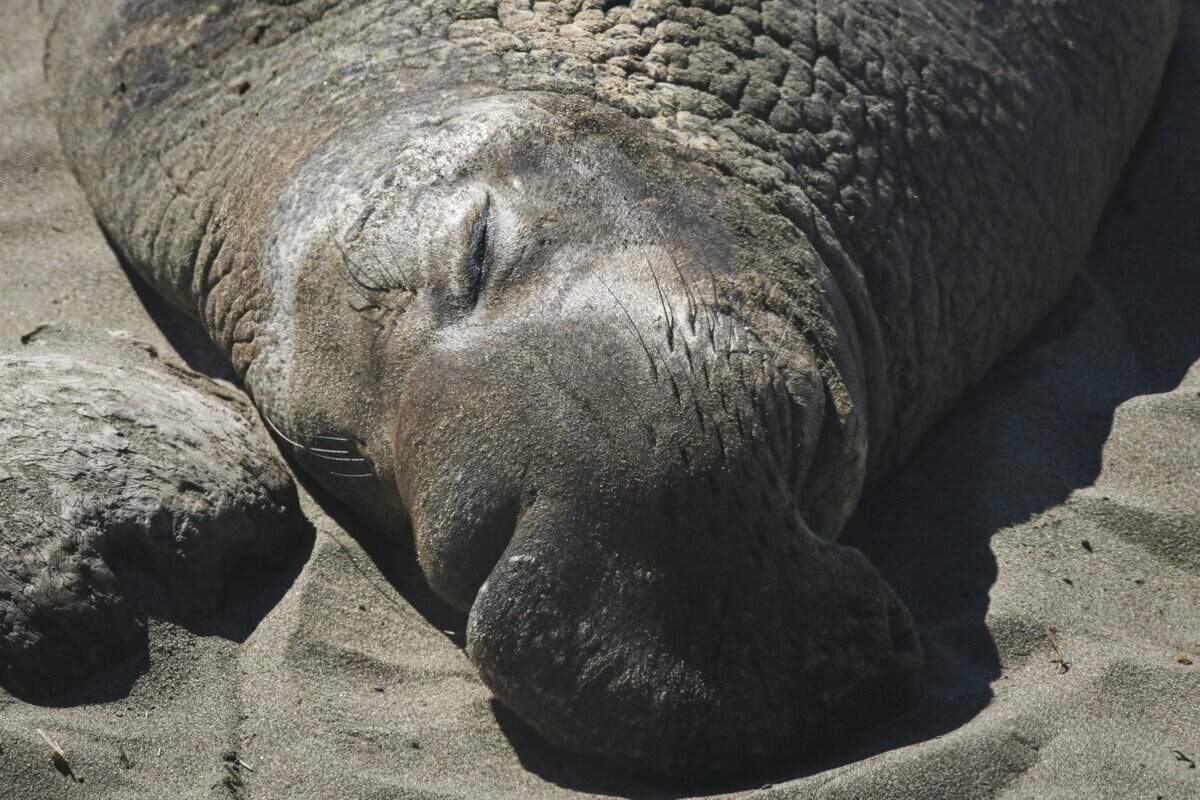
Meanwhile, another biologist is monitoring dead elephant seals for the avian flu.
As of Tuesday, Central California Marine Animal Response Team executive director Barbie Halaska had sampled one dead elephant seal pup at Piedras Blancas for the avian flu. She planned to send the sample to a lab for testing by the end of the week.
A handful of elephant seal pups recently died at the Piedras Blancas rookery, but Halaska said this doesn’t necessarily indicate that the seals have the flu.
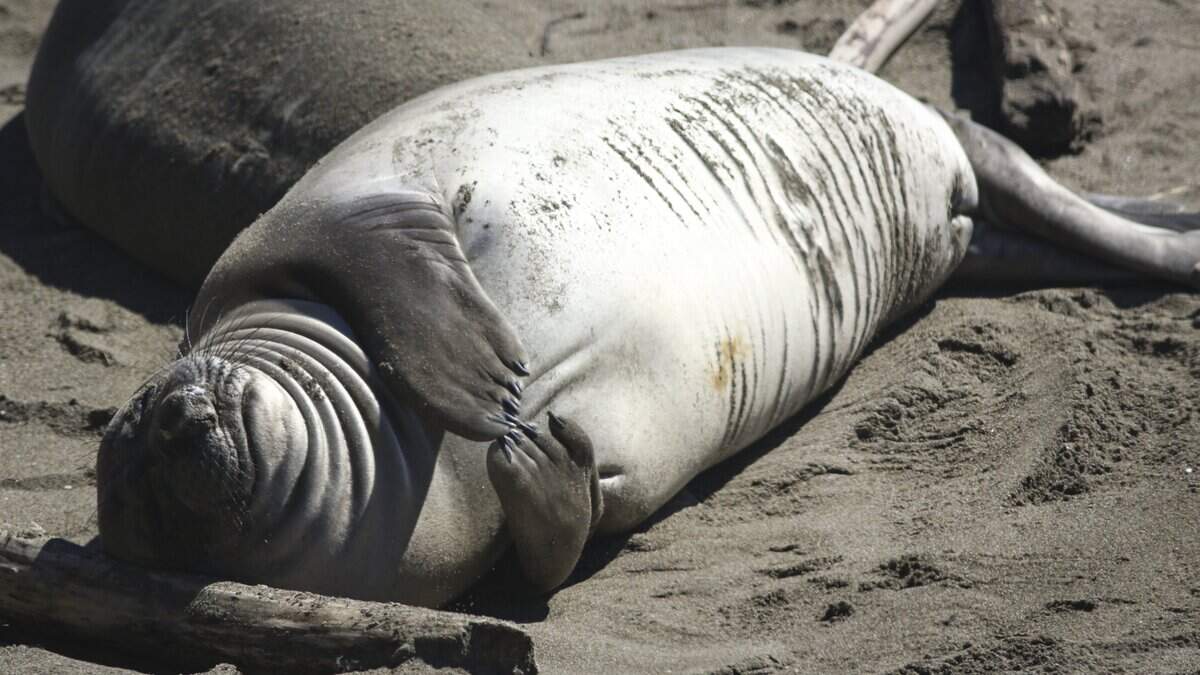
Right now, mother seals are leaving the beaches — leaving weaned elephant seal pups to fend for themselves and learn to swim. Malnourished pups who didn’t get enough nutrients while nursing often die, and healthy pups can also die if they struggle to find food, she said.
“It’s really very normal for this time of year to have dead elephant seal weened pups,” she said.
Still, she’s taking samples from the corpses to test for the avian flu — just in case.
“We’re just keeping an eye on everything,” Halaska said. “The only think that we can really do is active surveillance.”
For safety, Halaska urged people to stay 150 feet away from live or dead marine mammals.
If you see a dead seal, call Central California Marine Animal Response Team at 805-242-3560. If you see a live seal that appears to be in distress, call the California West Coast Stranding Hotline at 866-767-6114, she said.
Is it safe to visit the Piedras Blancas Rookery?
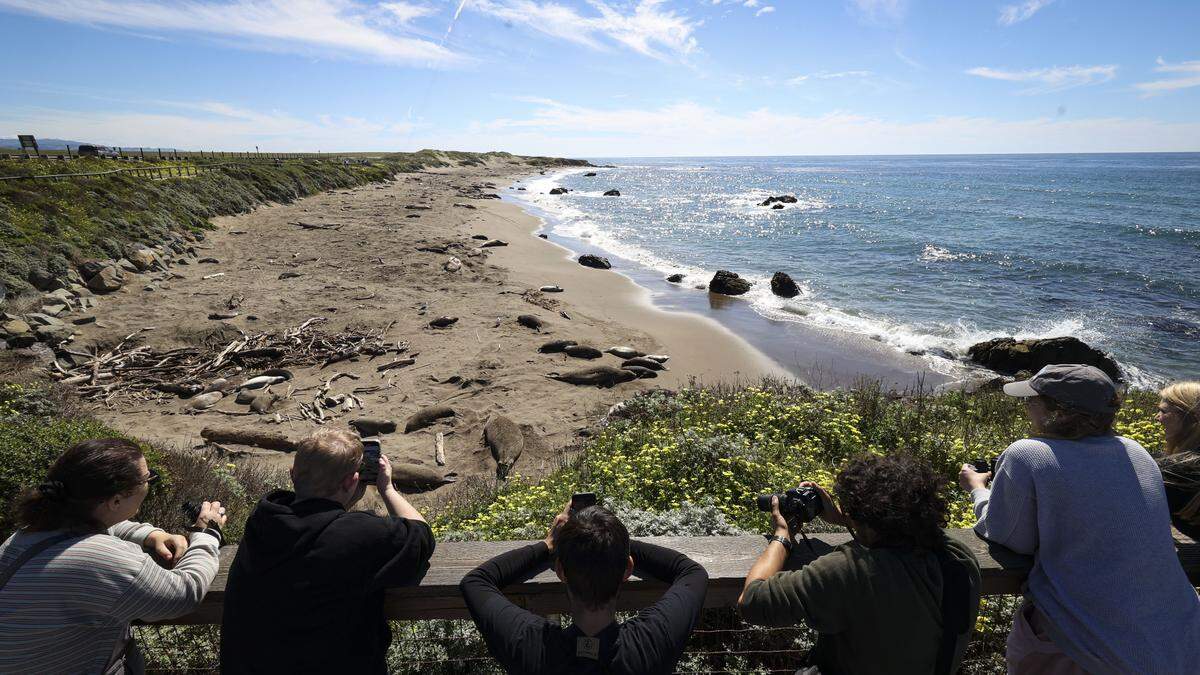
With no active avian influenza outbreak at the Piedras Blancas rookery, Liwanag said it’s safe for people to watch the elephant seals from the viewing platform.
Like always, people should not venture onto the beaches where the elephant seals are.
So far, researchers don’t think the virus is airborne, so visitors don’t need to wear masks when watching the seals.
“Come appreciate these amazing creatures,” she said. “They normally spend most of their life underwater, but we get a quick chance to see them on land where we’re most comfortable — and that’s pretty amazing.”