
116 condors are now flying free in Central California skies — most since 1979
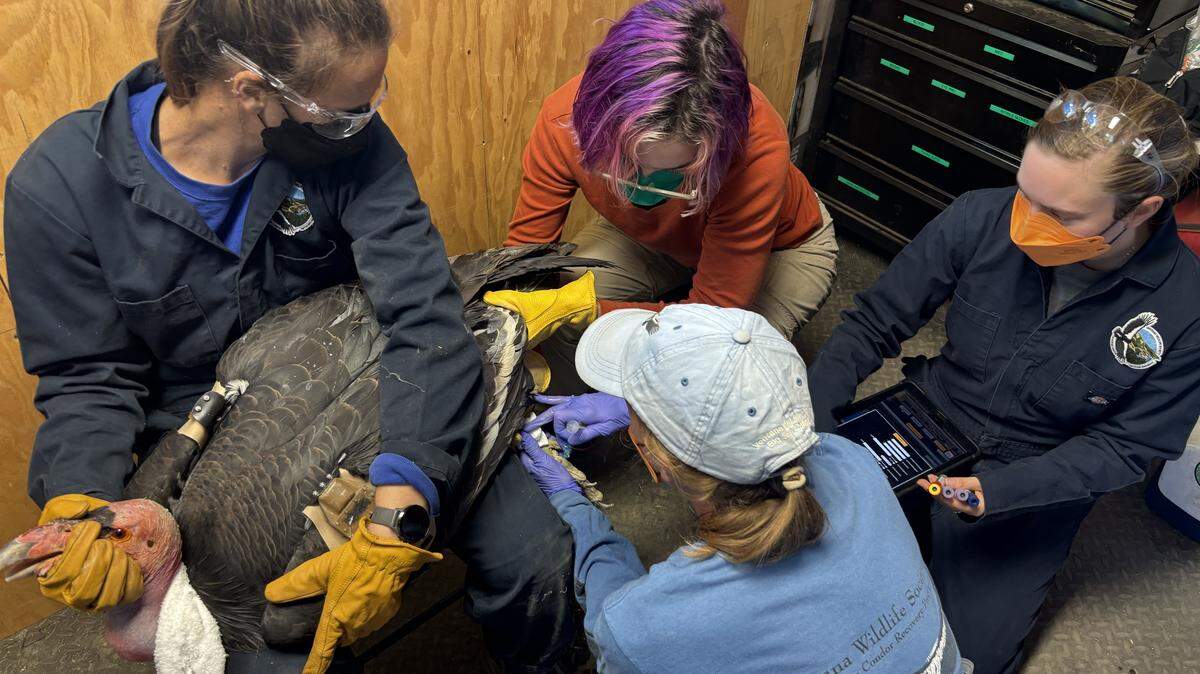
The California condor story is a quintessential feel-good tale of an extraordinary species that was at the doorstep of extinction in 1982 when just 22 of the enormous scavengers — largest land birds in the U.S. and direct descendants of theropod dinosaurs — remained in the wild.
But 44 years later, a bold and successful captive breeding program has resulted in 300-plus condors flying free in California, Arizona, Utah, Oregon and Mexico.
Of those birds, 116 are currently soaring the Central California skies (Big Sur, San Simeon and Pinnacles National Park), according to the Ventana Wildlife Society.
That is up from 112 birds that were in the Central California flock at the start of 2025.
Indeed, 116 is the highest number of the critically endangered condors — which can fly 150 miles in a day and reach 10,000 feet on 9-1/2-foot wingspans — to grace Central California skies since the California Condor Recovery Program was launched in 1979.
Helping beef up those Central California numbers, seven juvenile condors (six females and a male) were released on Oct. 25 from the huge holding pen in the mountains high above San Simeon.
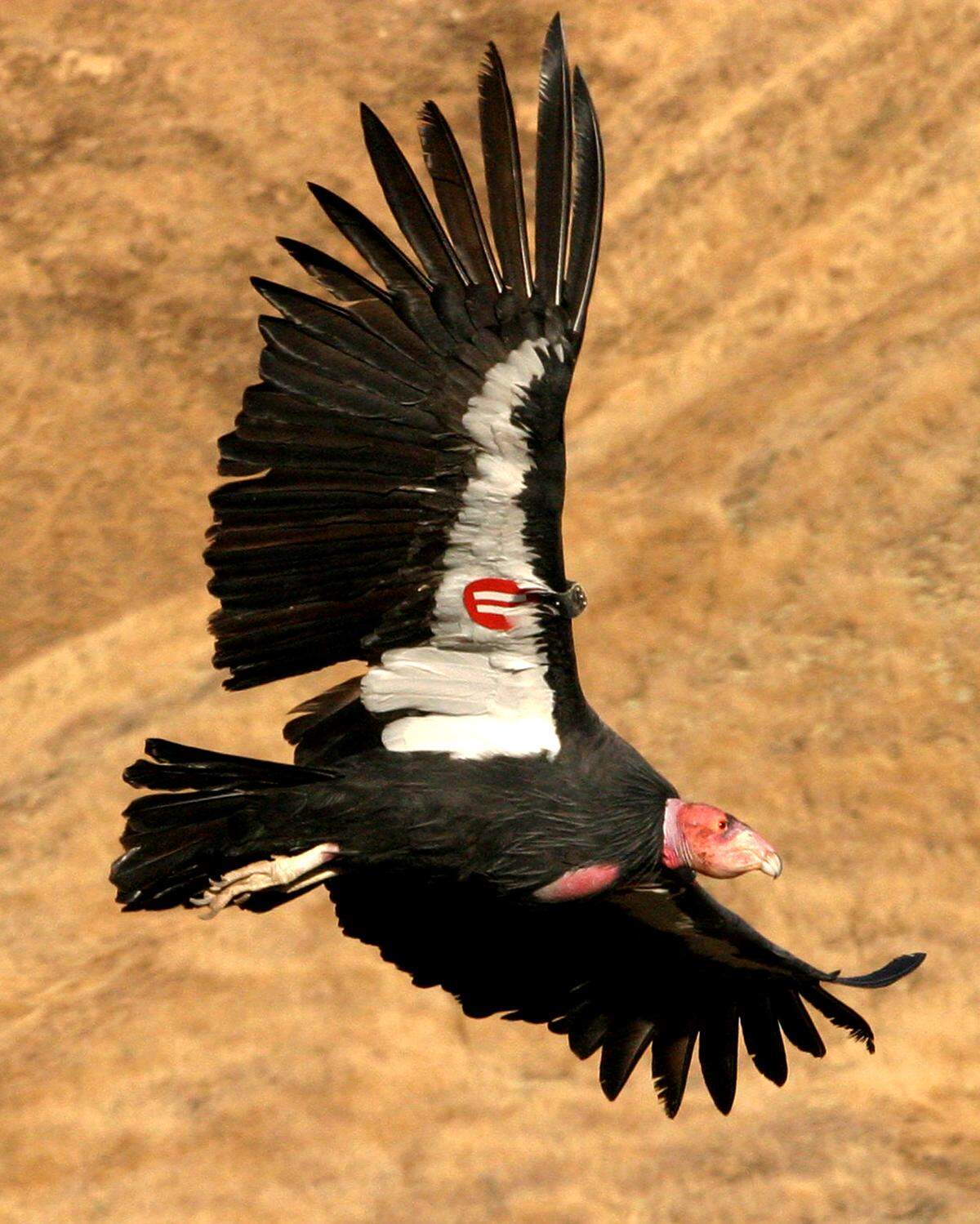
Four juveniles also were released from Pinnacles around the same time.
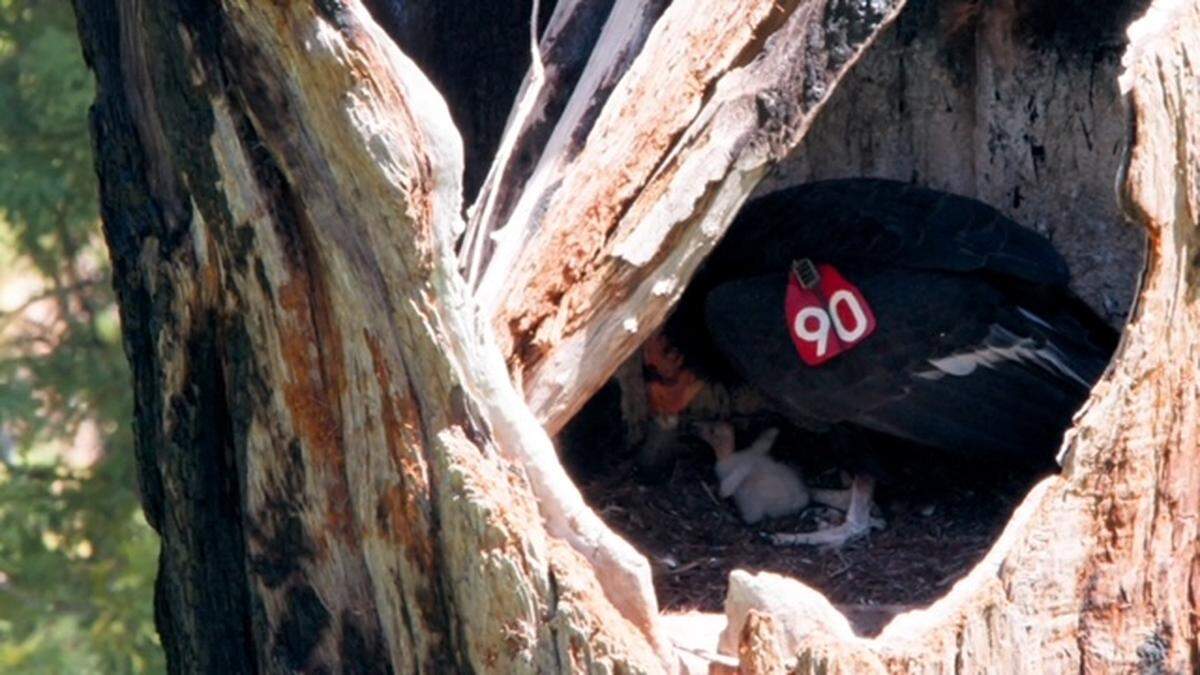
Moreover, 10 wild nesting condor pairs in 2025 produced 11 eggs and six chicks. Of those six chicks, up until recently four have fledged and are included in the flock of 116.
In another source of loss, a pair of condors that were “missing” in 2024 are now announced as deceased, 236 “Tiny” and 729 “Ninja.”
“Tiny,” a 24-year old female, was released in Big Sur in 2009 and raised eight chicks (four surviving); “Ninja” was an 11-year-old wild-fledged male who sired two offspring.
Lead poisoning and mortality
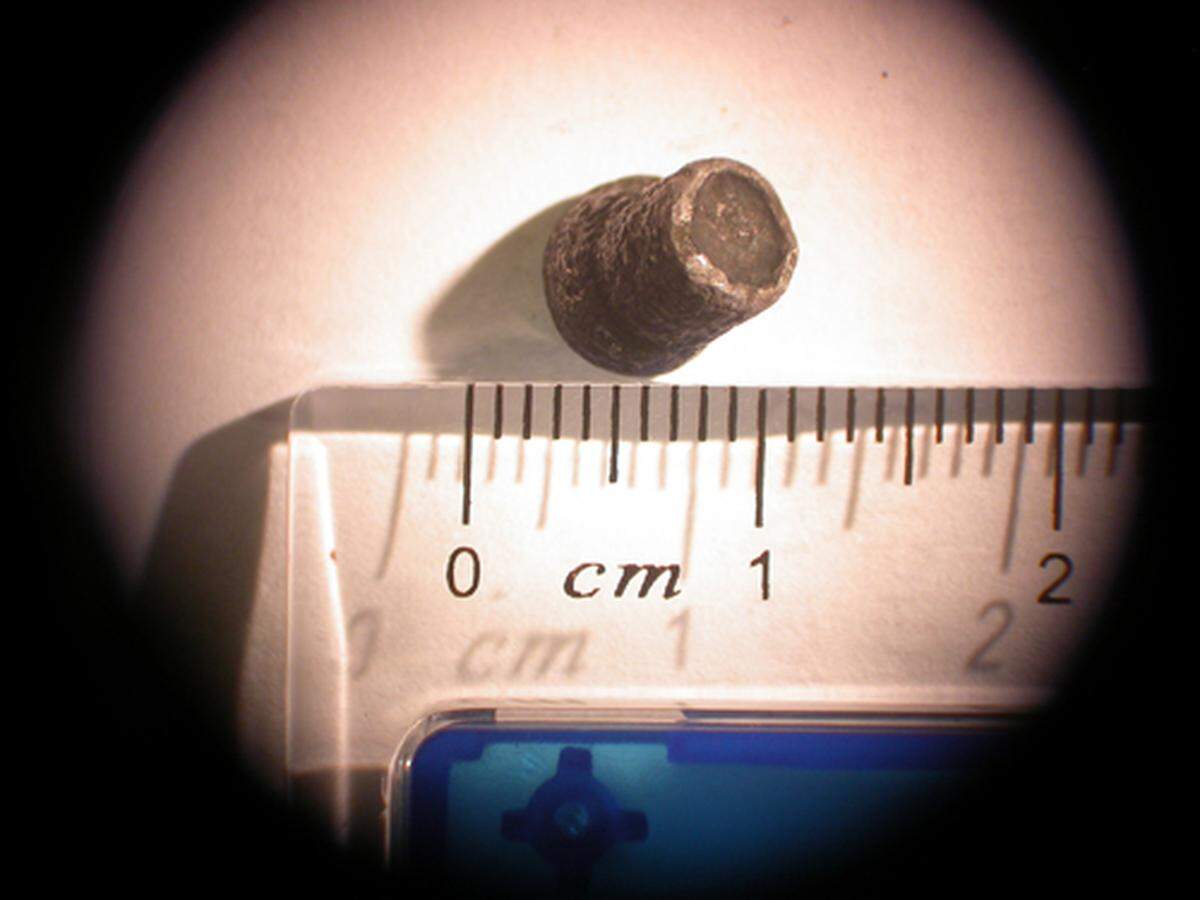
Lead poisoning — the unrelenting archenemy of condors — reared its ugly head again in 2025, taking the lives of four Central California condors.
Two other birds in the flock died in 2025. One necropsy is pending and the other bird’s mortality is “undetermined,” the VWS reports.
Condors are scavengers and feed on dead animals (carrion). When a squirrel or deer is shot with lead ammunition, the feeding condor can become ill and may die.
“Lead poisoning continues to be the main cause of death for condors,” said Joe Burnett, Condor Recovery Program manager and lead biologist for VWS.
“Four deaths (in 2025), and maybe six from lead, is definitely lower than we have had in recent years,” he said.
“We had eight and 10 deaths per year in the last few years; obviously any condor death from lead poisoning is unacceptable, but seeing that number in single digits is always good,” Burnett explained.
There were 151 condor deaths by lead poisoning between 1992 and 2024, Burnett reported. That includes condor flocks in California and Arizona.
Hence, Burnett continues, lead poisoning is “responsible for 50% of 303 condor deaths with a known cause and 28% percent of 539 total condor deaths in California and Arizona.”
Mitigating lead poisoning threat
Given the knowledge that lead ammunition presents potential death to wildlife, Assembly Bill 711 was signed into law on July 1, 2019, “requiring the use of nonlead ammunition when taking any wildlife with a firearm in California,” according to the California Department of Fish and Wildlife.
While that legislation was a bold move intended to mitigate the lead poisoning problem, the scarcity of certain calibers of nonlead ammo has been an ongoing problem in California.
For its part, VWS has provided 16,615 boxes of free nonlead ammo of several calibers to hunters and ranchers; though the availability of the .22 LR (long rifle) ammunition — among the most popular calibers — “has remained inconsistent years after the ban was enacted,” VWS notes on its website.
“With the poor availability of the .22 Long Rifle (which is) not on the shelves and state law (Safety for All Act) preventing online sales, we continue to see high lead mortality in Central California,” VWS executive director Kelly Sorenson explained.
The issue is “about lack of manufacturing, poor availability of key products and nonlead barriers to access — more than attitudes or (public) acceptance at this point,” Sorenson stated.
Meanwhile, a lawsuit by six-time Olympic medal winner Kimberly Rhode (three golds in double trap and skeet shooting) — asserting that California’s law requiring background checks for all ammunition purchases violates the Second Amendment — has frozen the sale of nonlead ammunition in California.
In 2025, a three-judge panel with the Ninth Circuit Court of Appeals ruled that the California law was indeed unconstitutional, but the implementation of the court’s ruling was stayed pending further appeals.
In a letter to the Ninth Circuit Court of Appeals, Sorenson urged the court to “Issue its mandate in Rhode v. Bonita without further delay.
“Every day the mandate remains pending, hunters and ranchers in California remain unable to purchase nonlead ammunition online — a condition that continues to harm wildlife, particularly the endangered California condor,” Sorenson continued.
“On behalf of responsible hunters, ranchers and all who care about wildlife conservation, I respectfully urge the Ninth Circuit to pass down its mandate without further delay.”
%20copy.jpg "Darren & Amy Wells_ 11.14.23 (4) copy.jpg")
Protecting condors From HPAI
Over the last few years, the virulent bird flu — highly pathogenic avian influenza (HPAI) — has killed an estimated 166 million birds in the U.S. — chickens, geese, songbirds and others.
Meanwhile, after 21 California condors in the Arizona-Utah flock suddenly succumbed to HPAI, the California Condor Recovery Program in Central California — using black vultures as test subjects — produced a vaccine uniquely appropriate and safe to protect condors.
Positive news for the Central California flock was announced by VWS at the end of 2025: 82 condors (71%) have now been “fully vaccinated” (two shots) against HPAI; and 103 have been “partially vaccinated” (one shot).
For Central California condor flock information, how to contact the U.S. Court of Appeals, how to contribute to the “Save the Condor Campaign,” and issues related to lead poisoning, visit ventanaws.org.