Monarch butterfly count very low in Pismo Beach. ‘It’s definitely disheartening’
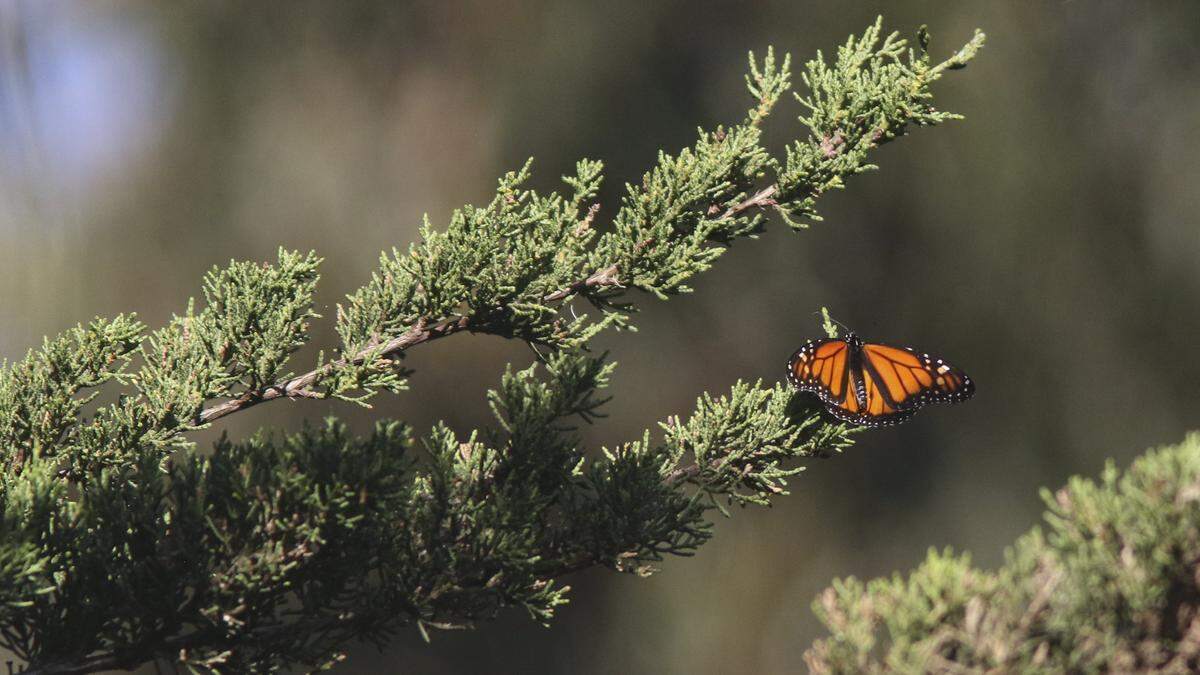
The monarch butterfly migration is off to a tough start this season — with fewer butterflies than usual fluttering to the Pismo State Beach Monarch Butterfly Grove.
As of Wednesday, California State Parks had only counted 471 butterflies in the butterfly grove, which is an unusually low number for this time of the season.
“It’s definitely disheartening,” State Parks interpretive program manager Danielle Bronson said. “We’re always rooting for more.”
Western monarch butterflies migrate from Arizona, Nevada, Oregon, Washington, Idaho, Utah and inland California to coastal California to stay warm and conserve energy during the winter, according to the Xerces Society for Invertebrate Conservation.
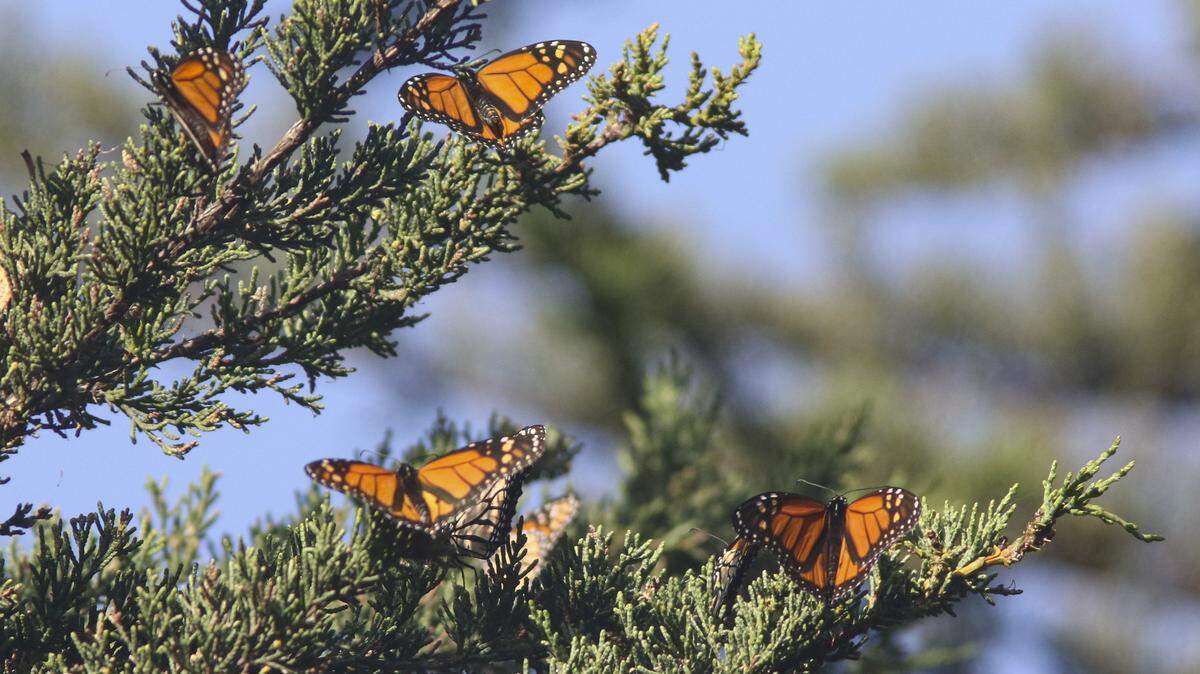
Monarchs prefer moderately warm temperatures, dappled light and protection from wind and rain — amenities offered by the eucalyptus and Monterey cypress trees in Pismo Beach, Bronson said.
This season, State Parks conducted two butterfly counts in November and one in December. The agency planned another count for December, one for January, and potentially one in February if there are any butterflies left, Bronson said.
Historically, the number of butterflies at the grove peaks between Thanksgiving and Christmas, then the population dwindles until they’re gone around Valentine’s Day, Bronson said.
“It’s like I blink, and they’re gone,” she said. “It’s like kids growing up so fast.”
The count is down from a high of 115,100 butterflies at the Pismo Beach grove in 1998, according to Xerces Society data.
While Bronson always hopes for more butterflies, she expects this season’s count to be low like last year, when the Pismo Beach Butterfly Grove hosted only 556 butterflies at the peak of the season, according to data from the Xerces Society.
Luckily, there’s hope that next year could be better.
Each female monarch butterfly can lay about 300 eggs at once. If those larvae have enough milkweed to eat after they’re born and the weather is ideal for migration — lots of them could survive, Bronson said.
“They’re insects, they can bounce back in numbers very quickly,” she said.
Why is the butterfly count so low?
Though the number of monarch butterflies visiting Pismo Beach has fluctuated over the past decade, one trend is clear: The Western Monarch butterfly population has declined by more than 90% since the 1990s, according to Xerces Society data.
It’s hard to say why the butterfly population has declined so significantly, Bronson said.
“Nature’s a beautiful thing, but it’s also a mysterious thing,” she said.
Scientists do know that pesticides are dangerous of butterflies.
A recent study published in the Environmental Toxicology and Chemistry Journal linked monarch butterfly deaths to pesticide exposure.
In January 2024, hundreds of butterflies died at the Pacific Grove Monarch Sanctuary in Monterey County, the study said.
“Tissue analysis revealed that dead butterflies collected at the site in January 2024 contained residues from multiple pesticides, including several at levels known to be lethal to insects,” a news release from the Xerces Society said.
Each butterfly contained about seven pesticides, but Monterey County could not find the source of the chemicals, the news release said.
Meanwhile, with such a drastic population loss, the remaining butterflies are heavily impacted by the weather.
That means drought, heat or cold snaps can harm the butterflies on their migration route, according to the Xerces Society.
There’s also evidence that habitat loss and a decline in milkweed has reduced the butterfly population, too.
To support monarch butterflies, people can plant nectar and milkweed in their yards, protect groves where butterflies stay in the winter and reduce pesticide and herbicide use, the Xerces Society said.