
CA Supreme Court hears developer’s case to build 3 homes in SLO County beach town
The California Supreme Court will decide whether a developer can build three new homes in Los Osos.
In 2019, San Luis Obispo County issued a coastal development permit to Shear Development Co. to build three homes on its Los Osos property.
The California Coastal Commission, however, appealed the county’s decision and revoked the permit, saying that the homes would be built in a sensitive coastal resource area.
Both a superior court and an appellate court upheld the commission’s decision in 2021 and 2024, respectively, and on Wednesday, the California Supreme Court heard oral arguments, with a decision expected within 90 days.
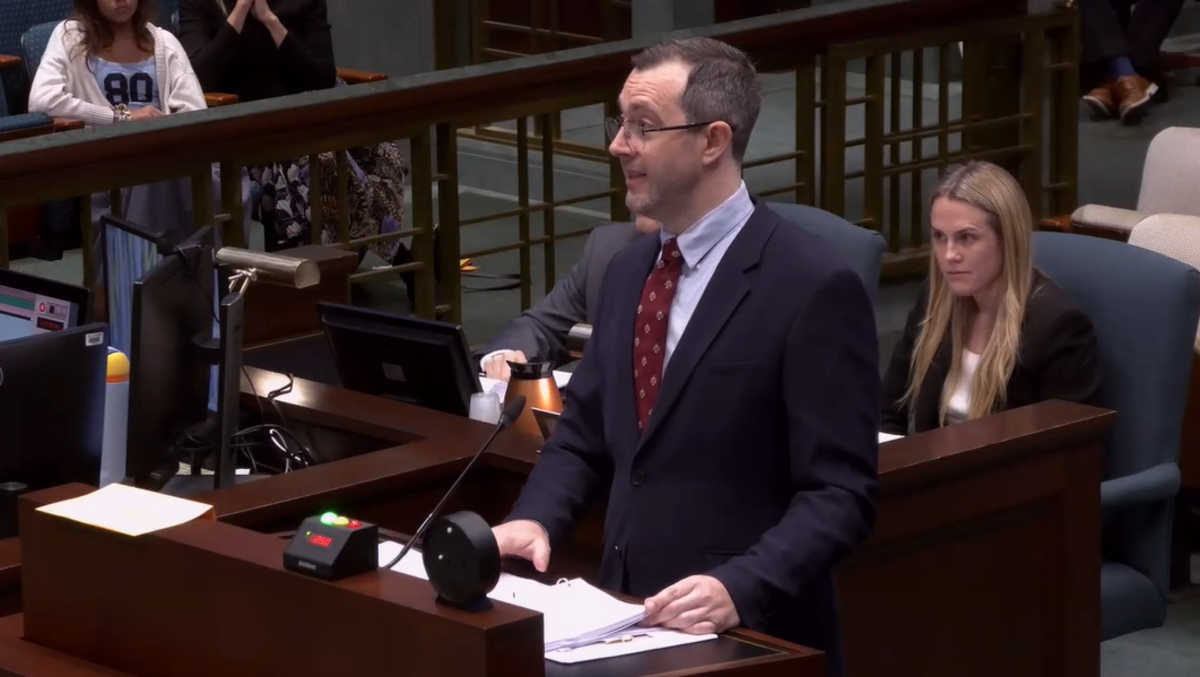
Pacific Legal Foundation attorney Jeremy Talcott represented Shear Development Co. He said the commission’s definition of a sensitive coastal resource area conflicted with the county’s Local Coastal Program, which is a long-term plan for development in a coastal area.
Because the commission approved the Local Coastal Program, he said the agency should implement that policy instead of the California Coastal Act.
If the commission can override a Local Coastal Program at will — local governments and developers won’t have a reliable process for development in their community, he said.
“This is an issue of great public importance,” Talcott said in court. “This is something that affects landowners up and down the coast, within the coastal zone, and it’s something that will continue to be a problem.”
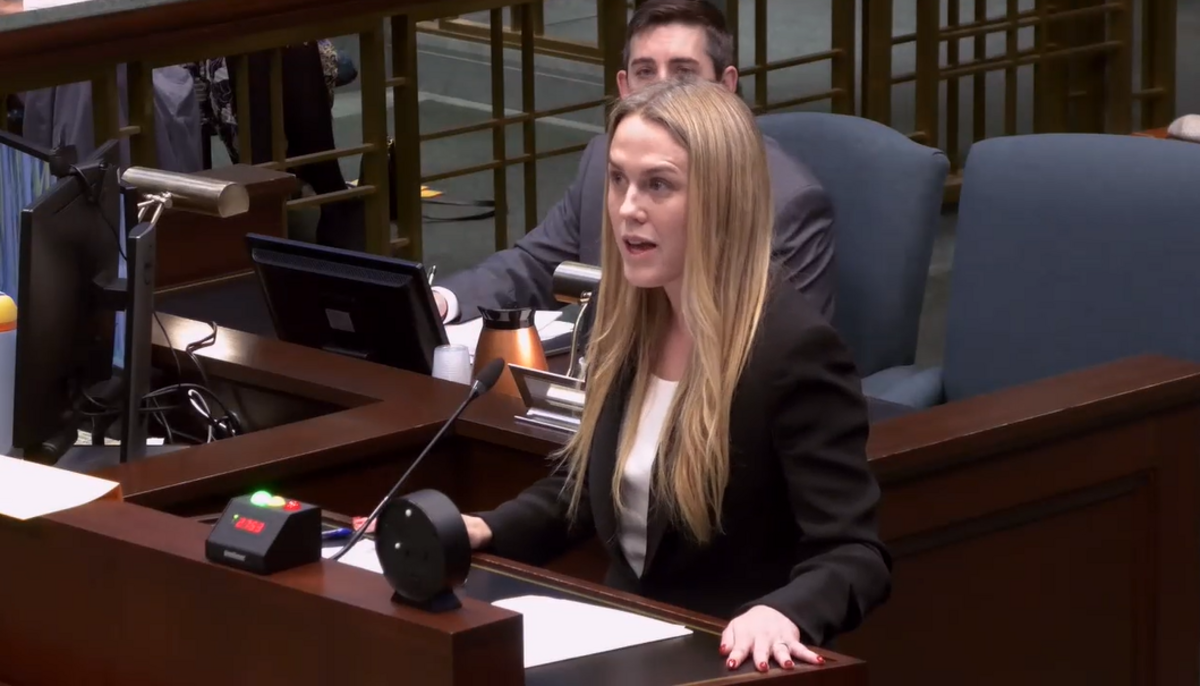
Deputy solicitor general Cara McConnell Newlon defended the California Coastal Commission at the hearing.
She disagreed with Talcott and said the commission was operating as designed: to supervise local governments as they carry out development on the coast. She said the commission should have final say over whether a project complies with both its Local Coastal Program and the California Coastal Act.
While Talcott said the outcome of the case would impact developers statewide, Newlon said the dispute was unique to Los Osos and unlikely to happen again.
“This is not a typical situation throughout the state,” she said. “This is a community that really struggles with having adequate water supply for new developments, and that’s why the situation has occurred here.”
Developer clashes with California Coastal Commission
In 2003, the developer bought eight lots in a residential neighborhood on Mar Vista Drive and Highland Drive, according to Pacific Legal Foundation.
In 2004, the county issued a coastal development permit that allowed for construction to occur in two phases.
First, Shear Development could build four homes that would be reliant on individual septic systems. At the time, Los Osos didn’t have a community sewer system. Then, Shear could build the remaining homes once Los Osos had a community sewer, the permit said.
The Coastal Commission appealed the permit to itself, and approved the construction of the first four homes — but ordered Shear to return to the county for a new coastal development permit to build the second group of homes, according to court documents.
Shear Development built the first four homes, and years later in 2016, the county started operating the Los Osos sewage treatment plant — opening the door to a limited amount of new development in the community.
In 2019, the county granted the developer a coastal development permit to build three more homes on the property. The commission appealed that permit to itself, then denied it.
The California Coastal Act gives the commission authority to review local permits in sensitive coastal resource areas, “which are often home to a variety of rare and endangered species found only in the state of California,” Newlon said.
At the time, the commission said the property was in a sensitive coastal resource area because it contained Los Osos dune sands.
The commission used a map of dune sands included in the county’s Local Coastal Program to make this designation. A Local Coastal Program is a plan developed by a local government in a coastal area to guide long-term development in its community.
That map, however, did not identify the property as an environmentally sensitive habitat area, Talcott said.
Meanwhile, the 2019 version of the Local Coastal Program also included an official map of environmentally sensitive habitat areas, which did not include the developer’s property, he said.
Talcott said the commission took the map out of context to claim jurisdiction over the permit. He urged the court to allow Shear Development to build the three houses in alignment with the 2019 Local Coastal Program.
Newlon maintained that the commission’s interpretation of the 2019 map was correct. However, she said it’s not necessary for the California Supreme Court to consider the 2019 map, as a recent amendment to the Local Coastal Program showed that the Shear property was not in a sensitive habitat area.
The amended Local Coastal Program created a priority conservation zone in the greenbelt surrounding the urban center of Los Osos. Shear’s property was not included in the conservation zone, she said.
Additionally, the amendment created a process for developers building in the urban center of Los Osos — where the Shear property is located — to pay mitigation fees if they disturb sensitive habitat, she said.
She said the court should apply the latest law to the case because the permit was never officially granted — as the commission denied it, and it has been the subject of litigation since.
Talcott, however, considered the permit final when the county approved it in 2019. He said the court should apply 2019 law to the case.
“I think this makes sense, both in certainty for local governments and for landowners, that if they are seeking a review of the agency action, applying a constantly, potentially changing web of regulations throughout the course of a legal proceeding ... would instead make it extremely difficult for courts to faithfully review these agency actions,” he said.
The California Supreme Court could side with Talcott and agree that the commission didn’t have jurisdiction over the permit. This would validate Shear’s 2019 permit from the county, and allow the company to build the three homes without paying mitigation fees.
The court could instead return the case to the appellate court, which could then return the permit to the commission for reconsideration. In this case, the commission would likely find that the project complies with the revised Local Coastal Program, Newlon said.
Newlon asked the court to return the case to the commission, so it could evaluate the permit according to the updated Local Coastal Program.
“The two grounds that the commission denied the permit on — the ability to connect to the wastewater and the environmentally sensitive habitat area issue, both of those grounds have been addressed in the terms of the new LCP,” she said.
But Talcott said this outcome wouldn’t be fair.
After 15 years of litigation, the court should give the developer relief and allow him to build the three homes — as the Local Coastal Program never identified the property as a sensitive coastal resource area, he said.
Additionally, if the commission evaluated the permit under the new Local Coastal Program, the developer would need to pay habitat mitigation fees — which he wouldn’t need to pay if he was allowed to keep his original permit, Talcott said.
The court will release a decision within 90 days.