‘Amazing transformation’: How a 30-year oil cleanup is restoring Central Coast dunes
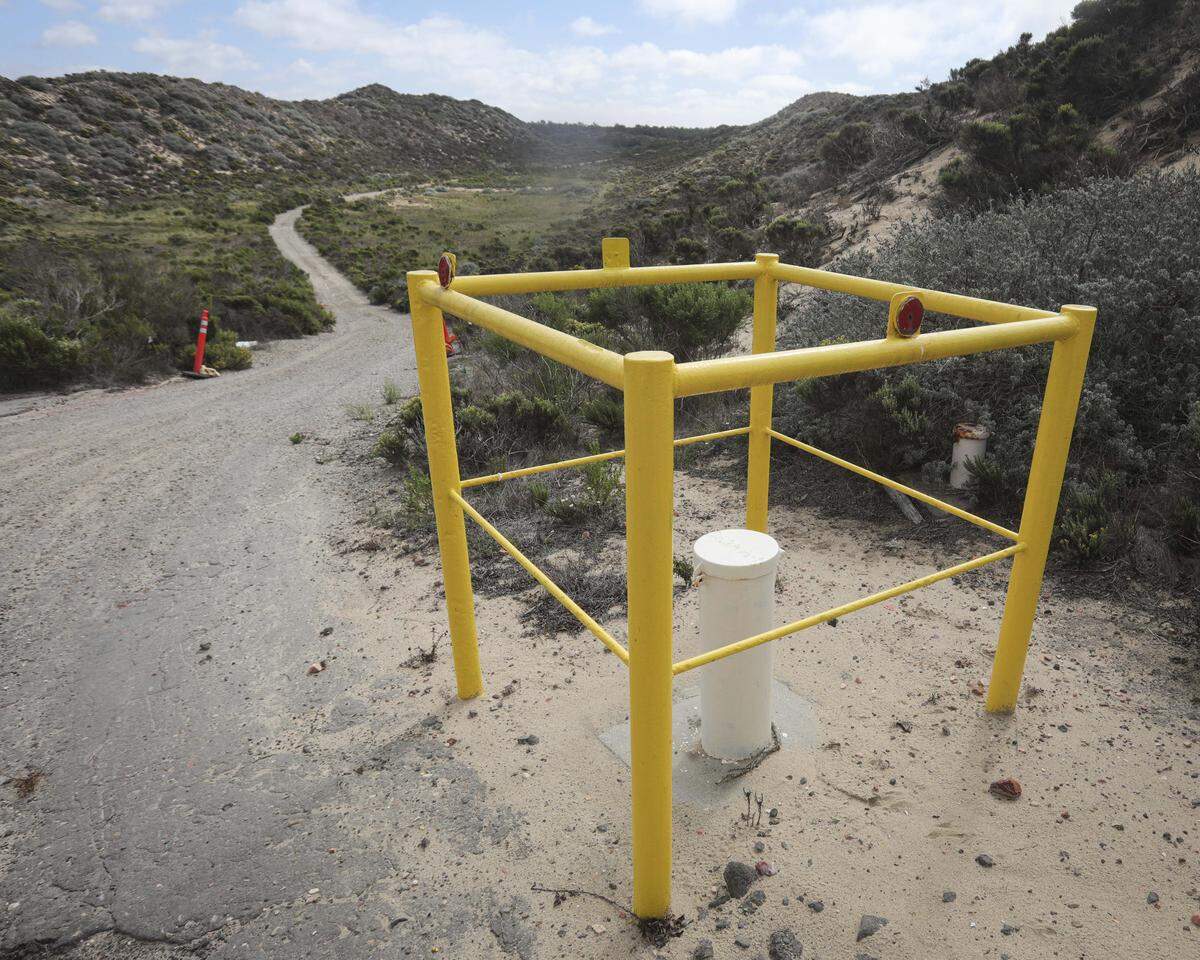
These days, coyotes, mountain lions and even, once, a black bear, roam through a former oil field at the Guadalupe-Nipomo Dunes Complex.
Once the site of an 8-million-gallon oil spill, Chevron and its team of nine contractors have removed much of the pollution and restored many of the ecosystems on the scenic coastal property.
Now, with the end of 30 years of cleanup in sight, Chevron signed an agreement on Sept. 16 to donate 2,700 acres of the property to the U.S. Fish and Wildlife Service when the restoration project is complete in about three to five years, Chevron Environmental Management Company lead public affairs adviser Jeff Moore said.
“We’re really excited,” he said.
The 2,830-acre oil field, which dates back to the late 1940s, was built on the ancestral lands of the yak titʸu titʸu yak tiłhini Northern Chumash Tribe.
The land is home to the red-legged frog, the western snowy plover, the La Graciosa thistle and 26 other special status species.
It is Chevron’s second-largest environmental remediation project in the United States, and the company has invested hundreds of millions of dollars into the cleanup so far, though Moore declined to share a more specific dollar amount.
“Over the past 30 years, we have been able to achieve an amazing transformation in the environment,” Moore said. “We’ve gone from a time when there were oil wells producing on the beach, to now, where we’ve taken those locations, we’ve remediated those sites, and now there’s flourishing wetlands. We’ve recreated foredunes and really restored the habitat here in a very special place on California’s Central Coast.”
Sand dunes, groundwater polluted with 8 million gallons of oil
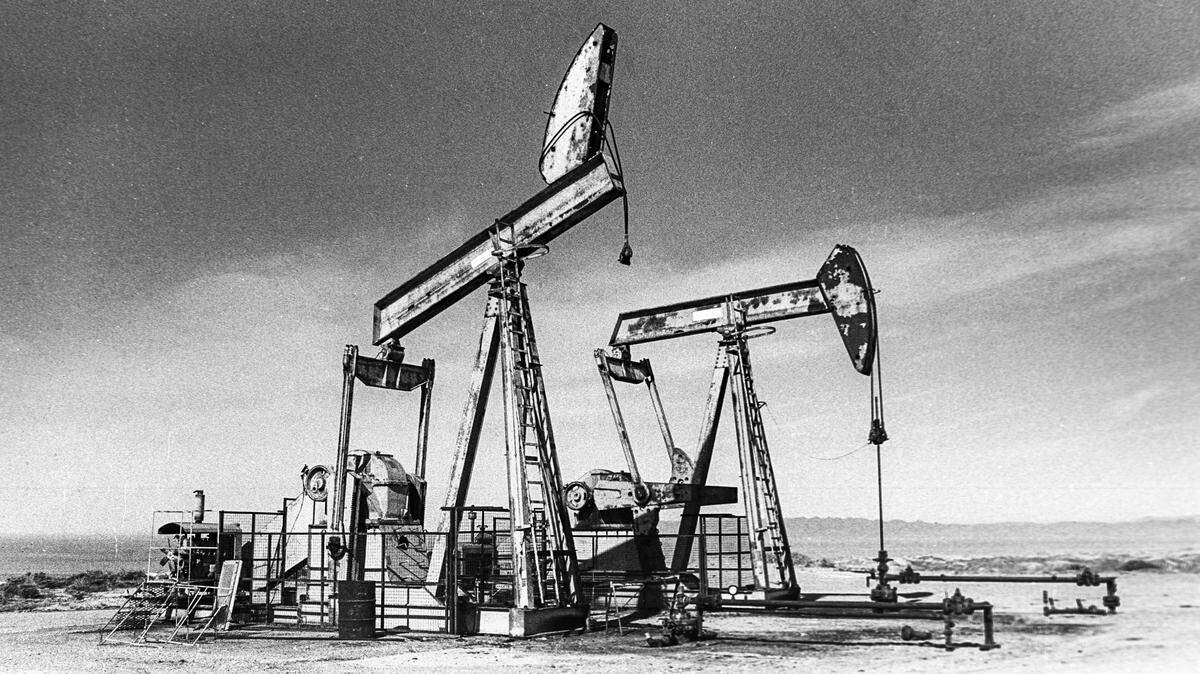
Oil production began on the coastal dunes in 1947.
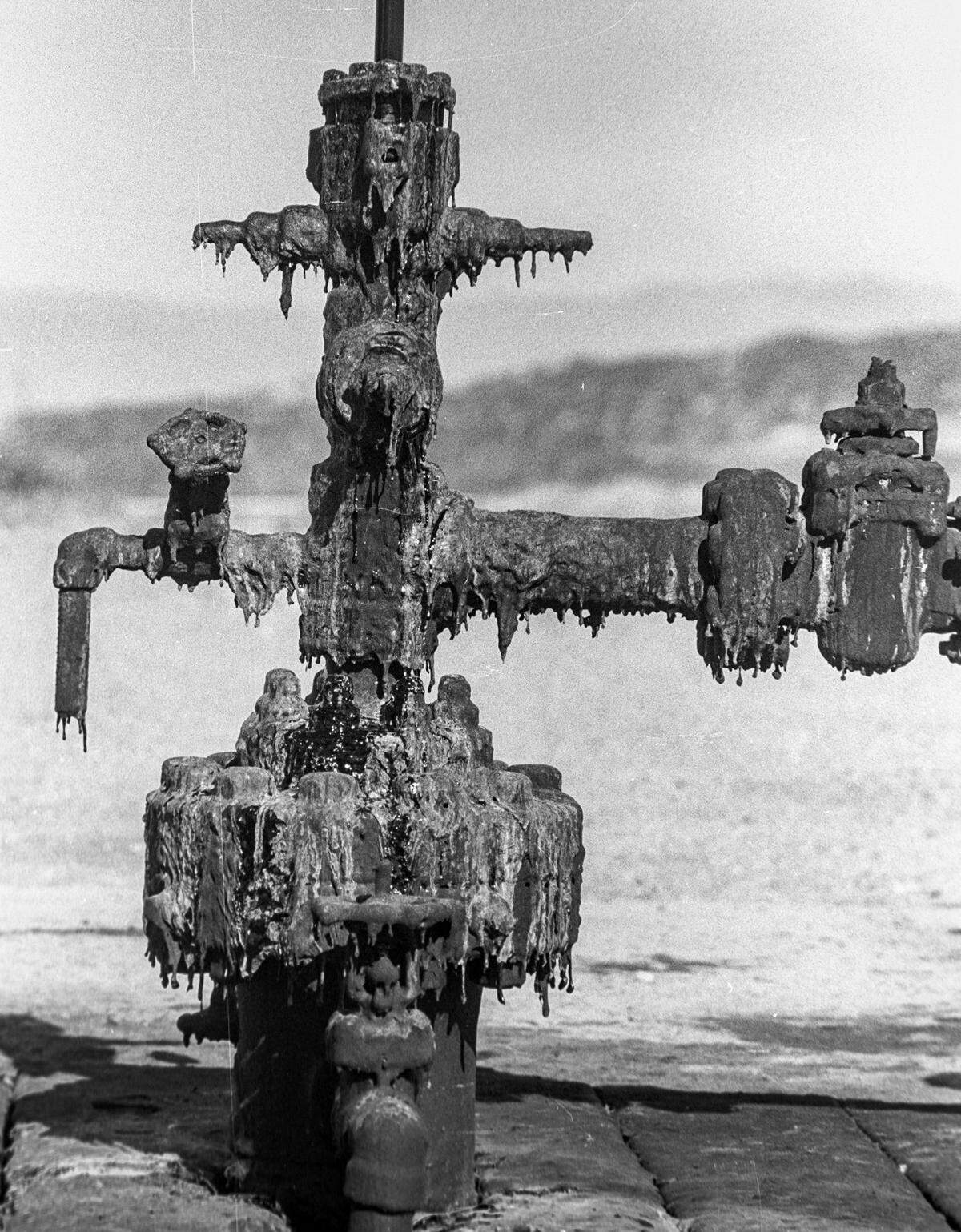
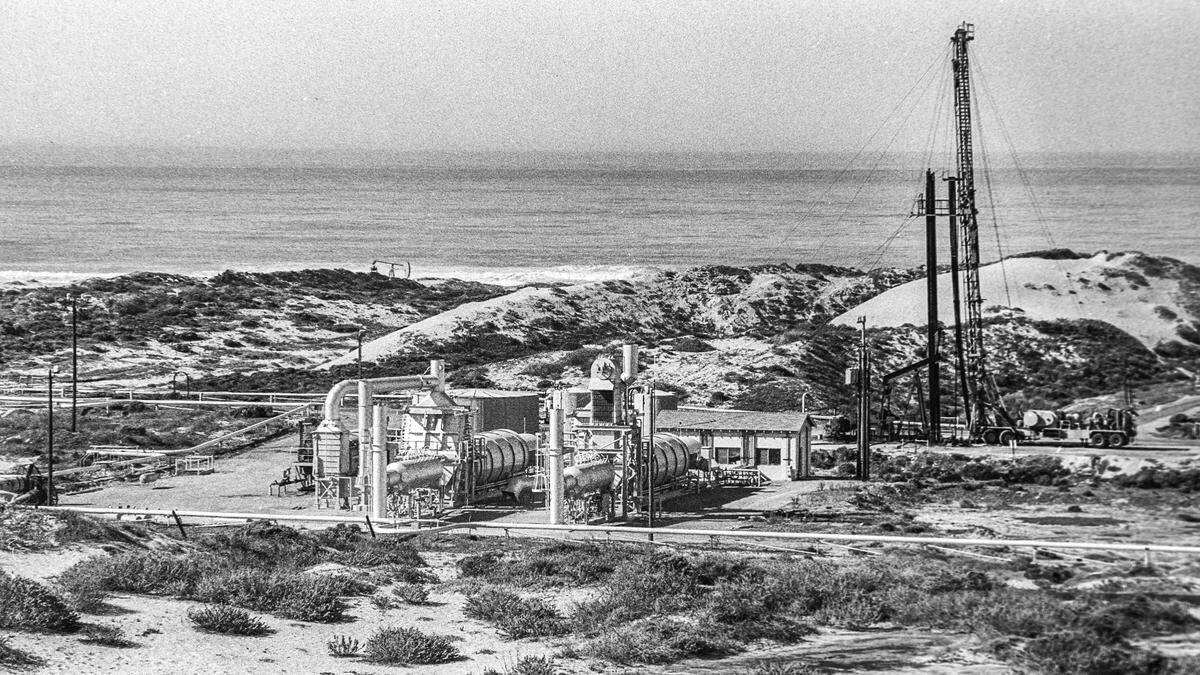
From 1949 to 1994, Union Oil Co. of California operated as many 240 oil wells on a 2,830-acre property at the Guadalupe-Nipomo Dunes south of Oso Flaco Lake in the southwestern-most corner of San Luis Obispo County.
The crude oil was so viscous that it hardened like asphalt at ambient temperatures. Starting in the 1950s, Unocal pumped a kerosene-like oil called diluent into the extraction wells to thin the crude oil.
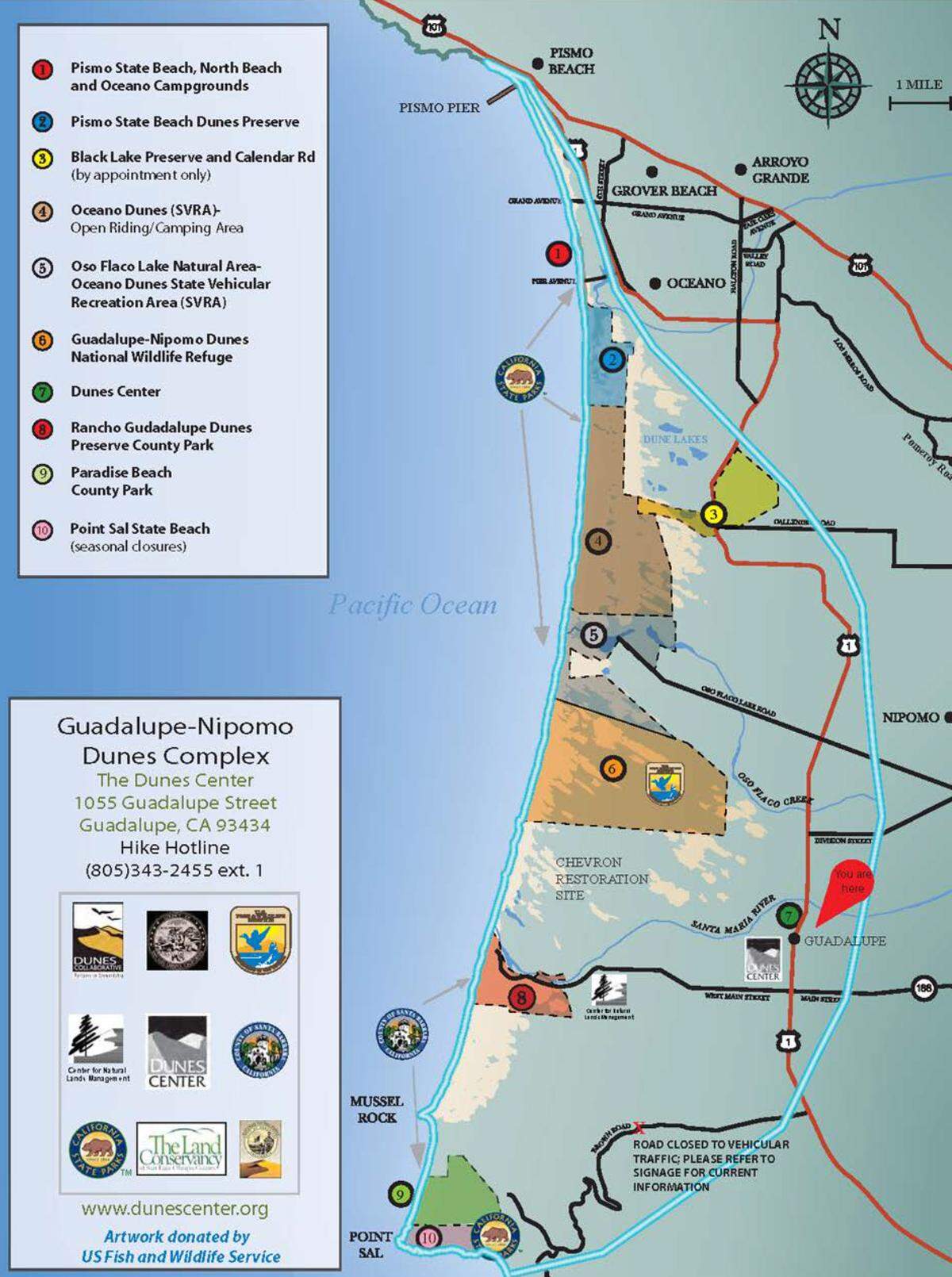
Over the next several decades, 8 million to 10 million gallons of diluent seeped into the soil, oozing slowly into the groundwater and eventually onto the beach, which is south of the Oceano Dunes State Vehicular Recreation Area.
In 1994, the U.S. Coast Guard ordered Unocal to clean up the oil on the beach, and the company fully decommissioned all of its wells, ending nearly a half-century of oil pumping at the site.
Then, in 1998, the Central Coast Regional Water Quality Board ordered Unocal to clean up the rest of the property — removing oil from the soil and groundwater and restoring habitat for the 29 special species in the area.
Chevron inherited the cleanup when it purchased Unocal in 2005.
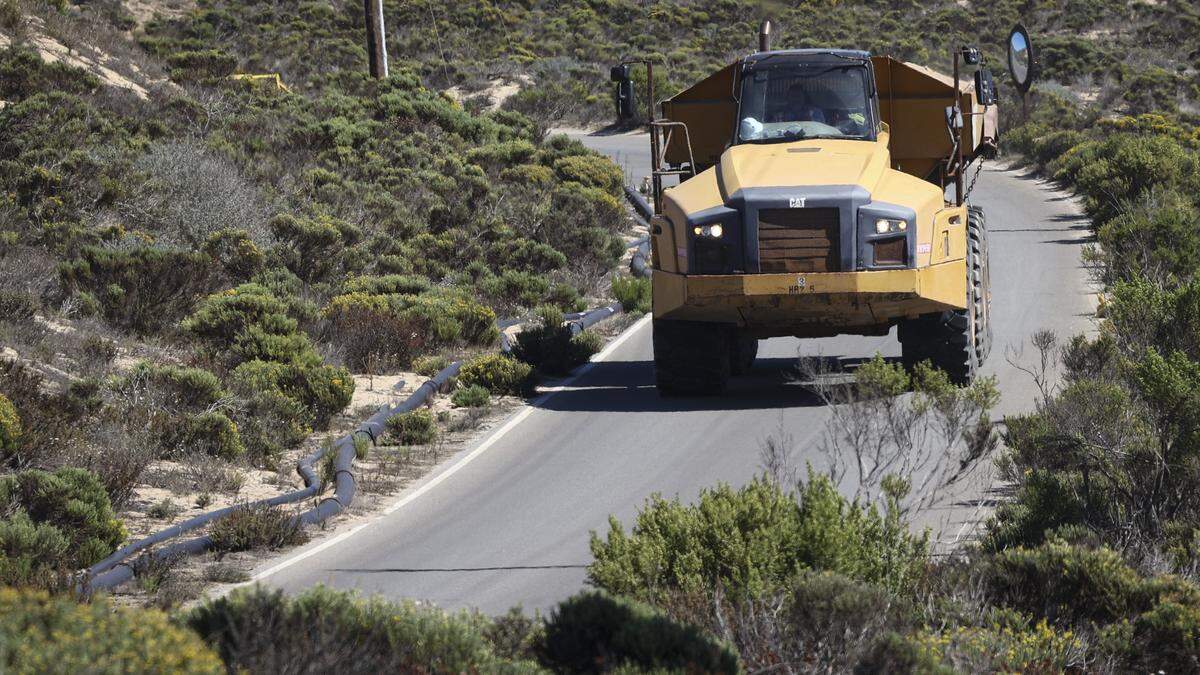
Today, the remediation is being completed by six Chevron employees and nine companies, who have 70 to 100 contractors working on the project at any given time.
Cleaning up the water and soil
From 2006 to 2018, Chevron excavated and sent about 1.1 million cubic yards of contaminated soil to the Santa Maria Regional Landfill for disposal.
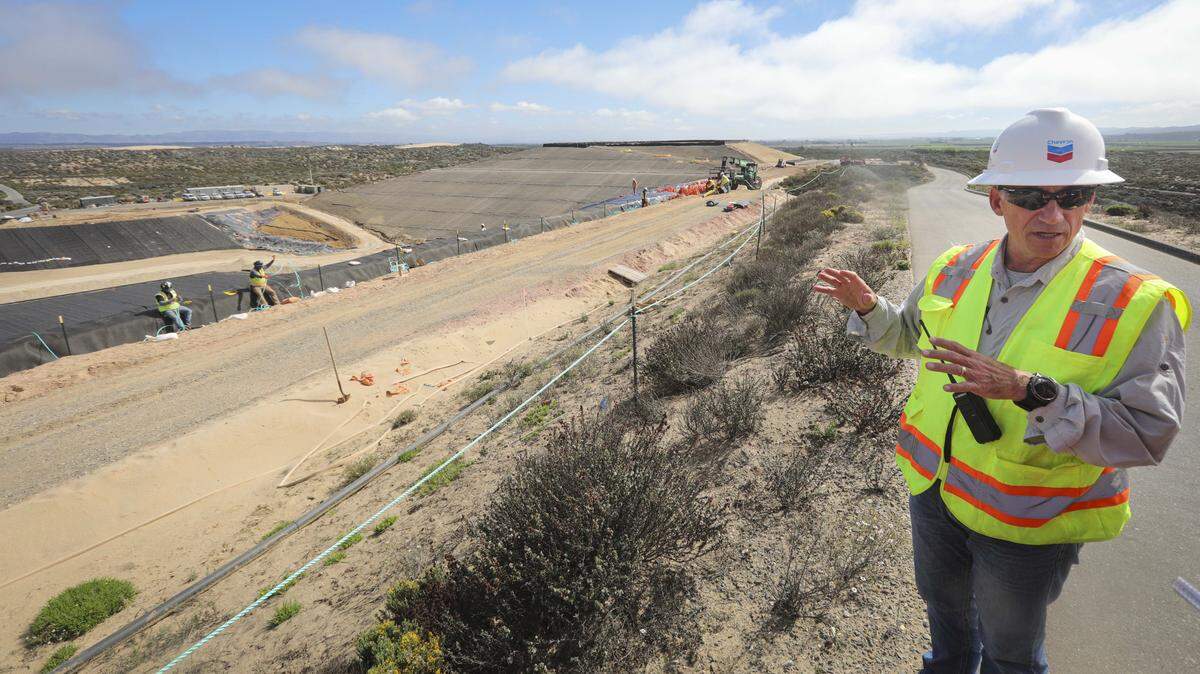
Now, Chevron is building a Class 2 landfill on the former oil field property to store the rest of the contaminated soil. Construction will be completed by the end of the year, Moore said, and eventually, a liner will be installed over the tainted soil and native habitat restored on top.
Meanwhile, Chevron installed 900 wells to monitor a remaining plume of oil floating in the groundwater below the property. The oil is concentrated in the top layer of the aquifer, and a layer of clay prevents the oil from seeping into lower levels of the aquifer, which are pumped for agriculture, he said.
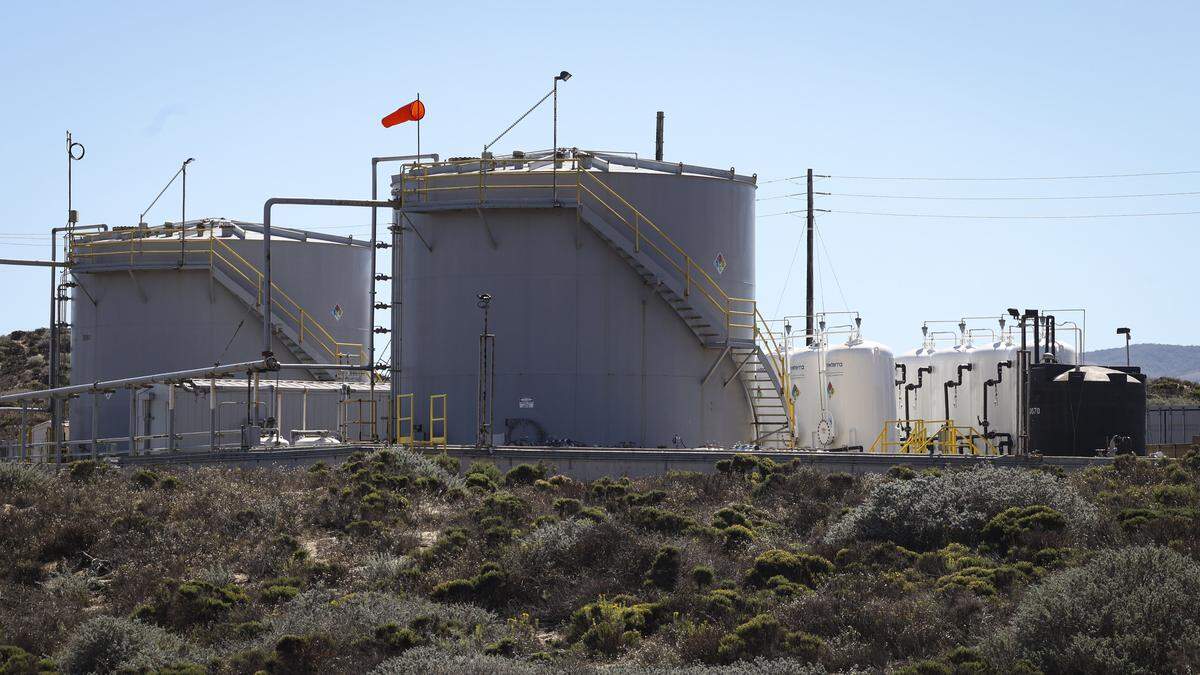
Chevron also built an on-site wastewater treatment system to remove diluent from the groundwater.
Eleven wells pump groundwater into the facility. Then, the water flows through an organoclay filtration system, activated carbon and walnut shells to remove the oil.
The filtered water is used for irrigation or returned to the aquifer, Moore said.
Since its creation, the facility has removed 1.4 million gallons of hydrocarbons from 40 million gallons of water.
Chevron’s work will be complete when contamination levels are at or lower than 1 milligram of total petroleum hydrocarbons per liter of water.
Chevron regularly samples at 266 groundwater monitoring wells throughout the site, then reports the results annually, Moore said.
According to the most recent report, total petroleum hydrocarbon concentrations in the wells ranged from 0.05 milligrams per liter to 37.9 milligrams per liter, with most of the wells containing less than 10 milligrams per liter, Moore said.
Habitat restoration
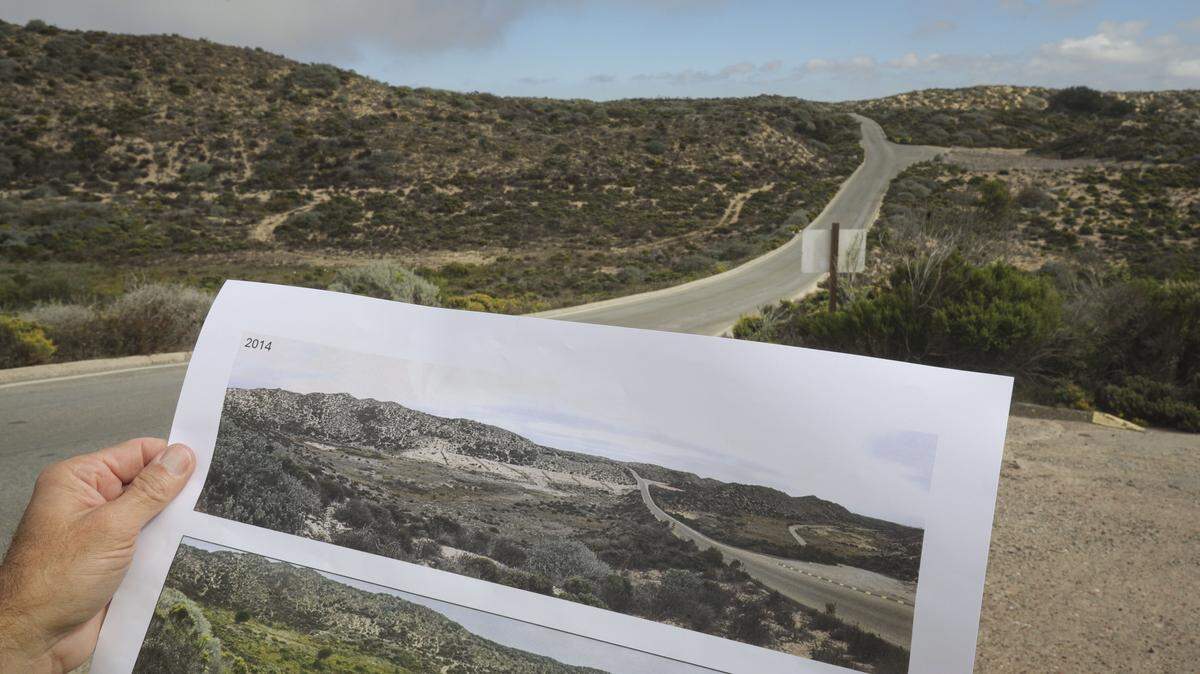
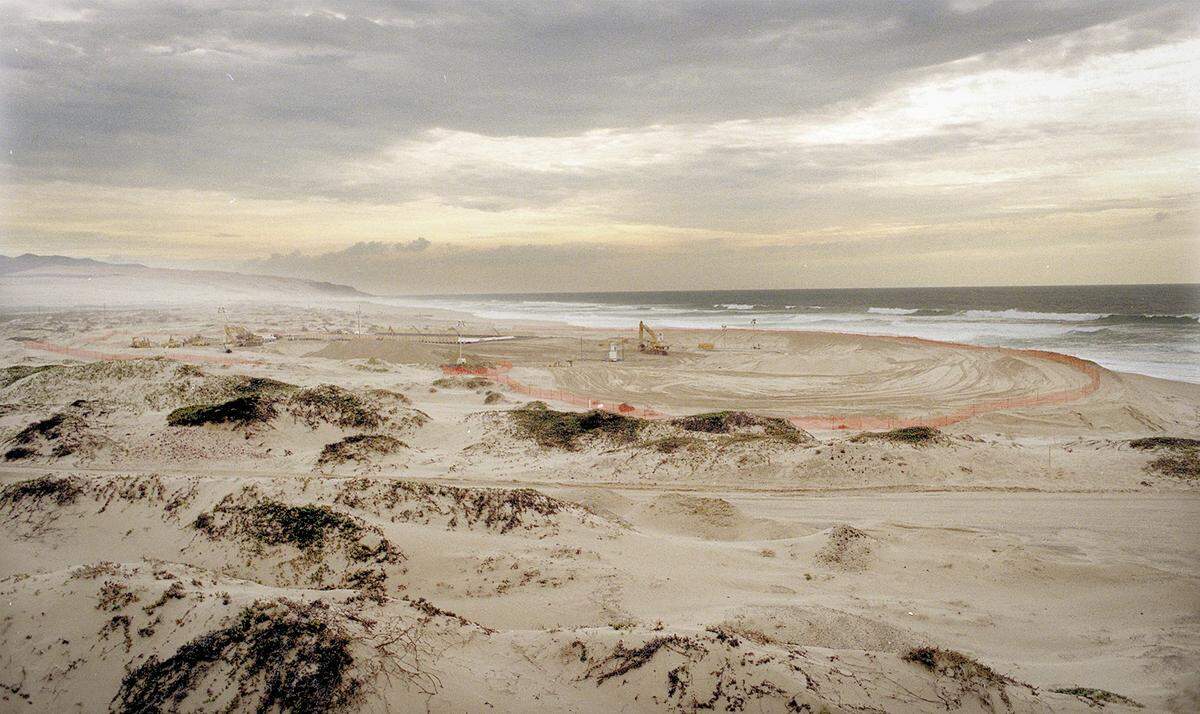
At the beginning of the work in 1997, contractors scooped contaminated sand off of the beach — leaving behind a flat landscape.
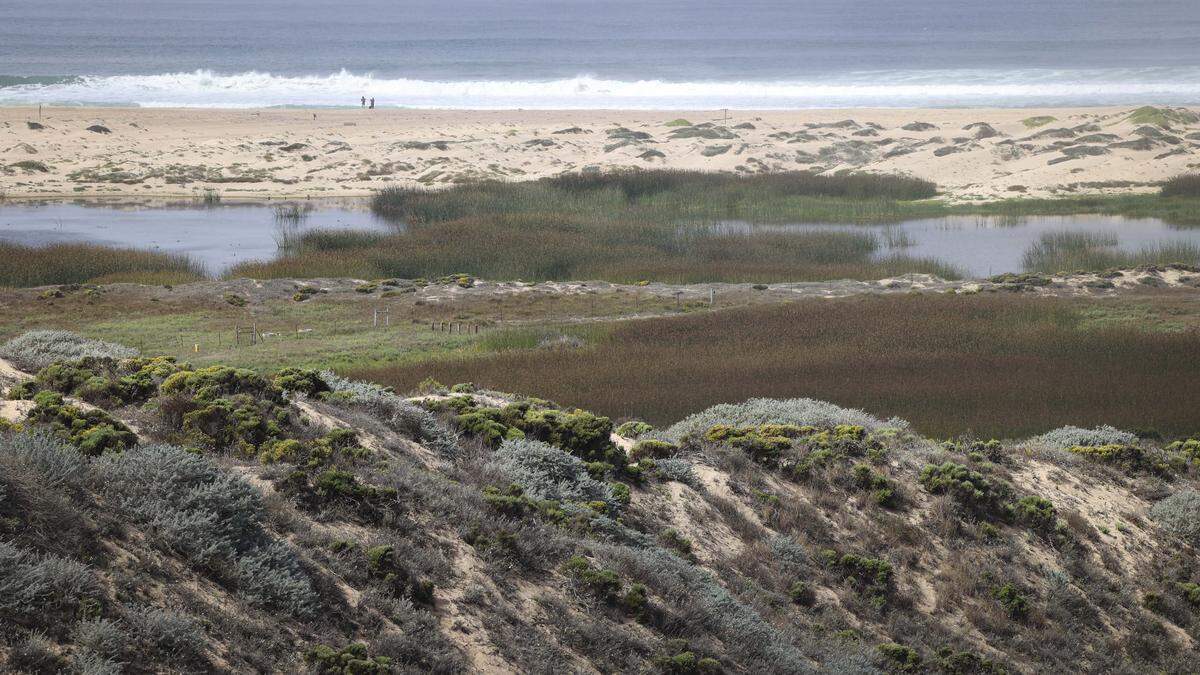
By 2025, a team of contractors had rebuilt the sand dunes, which swoop along the horizon beside a recently formed wetland.
Excavating soil is a relatively quick process, lasting a few months to a year per site. But habitat restoration lasts years, Moore said.
So far, Chevron has restored 122 acres of habitat. Meanwhile, 152 acres of habitat are undergoing restoration efforts, he said.
Restoring an ecosystem like the Guadalupe-Nipomo Dunes takes multiple steps.
First, contractors collect native seeds on the property. Then, they grow those seeds into small plants in a facility on site. Finally, when the plants are ready, they are sewed into the soil.
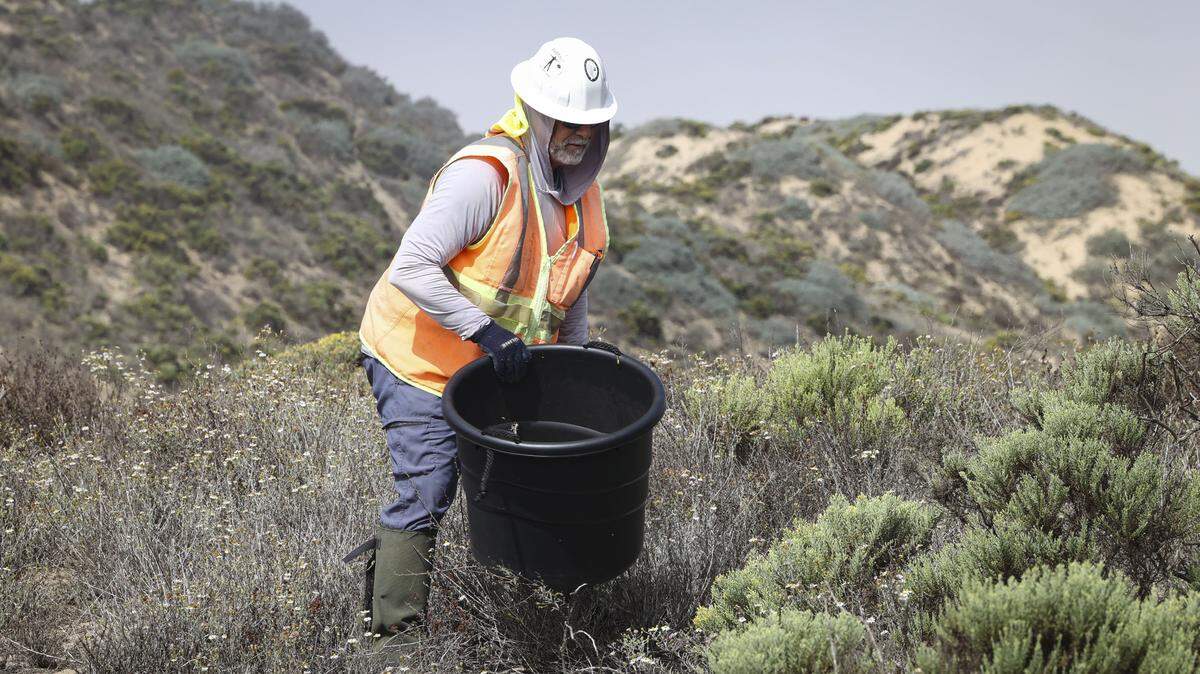
So far, the restoration team has collected 4,204 pounds of native seeds on the property, which sprouted into 111,000 plants in the growing facility, Moore said. Those plants were then relocated across the former oil field.
Restoration biologist Jenny Langford has worked on the project for 28 years. She looked out over a wetland she helped restore, now filled with red-legged frogs and the rare La Graciosa thistle.
Today, birdsong and the distant crashing of waves replaced the metallic whine of oil well pumpjacks.
“It’s like a dream come true to see that, to see the project I started come to the full ending,” she said.
What’s next for the property?
When the remediation project is complete, Chevron will donate about 2,700 acres of the property to the U.S. Fish and Wildlife Service.
The oil company will continue to own and manage the on-site landfill and wastewater treatment plant, Moore said.
The goal is for the former oil field to join the Guadalupe-Nipomo Dunes National Wildlife Refuge, which already spans 2,553 acres, Moore said.
While managing the land acquisition, the U.S. Fish and Wildlife Service will take the next few years to develop a plan for land use and public access to the property, the agency told The Tribune.