Project helped clear SLO County forest — but the star may be its wildlife cams
AI-generated summary reviewed by our newsroom.
- Greenspace installed 12 cameras in Strawberry Canyon for wildlife tracking.
- A $1 million forest restoration cleared debris and reduced wildfire fuel loads.
- Data from critter cams will support long-term tracking of forest health trends.
Wildlife in Cambria’s 35-acre Strawberry Canyon area is having a Candid Camera moment.
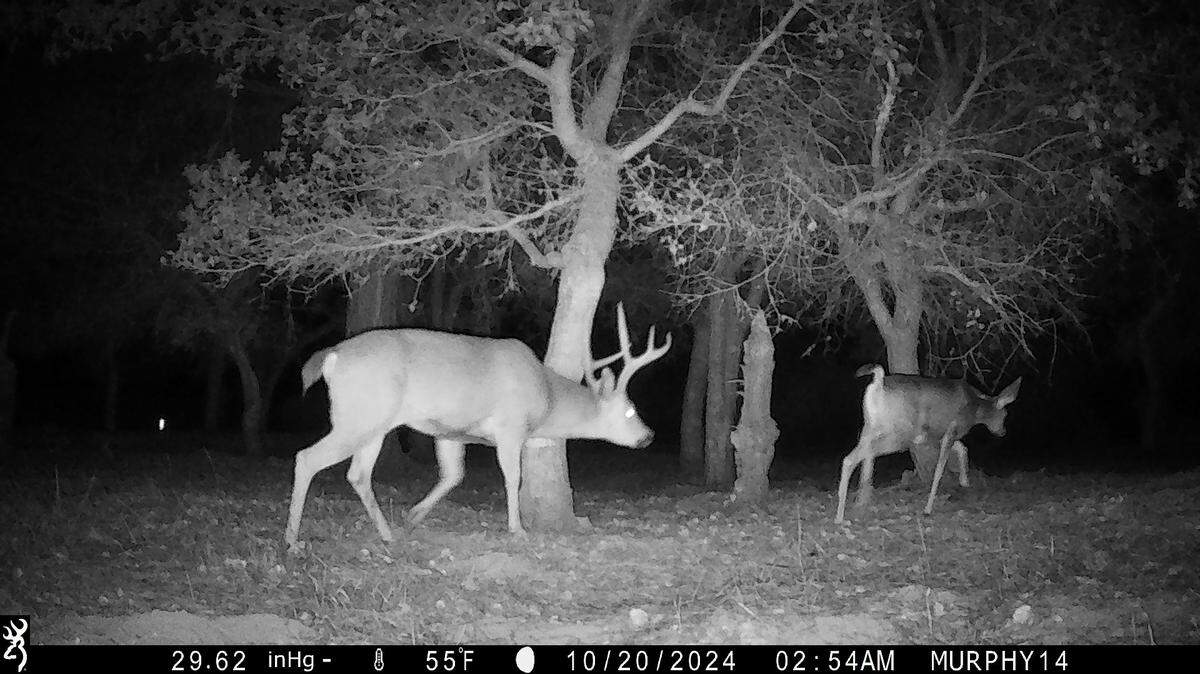
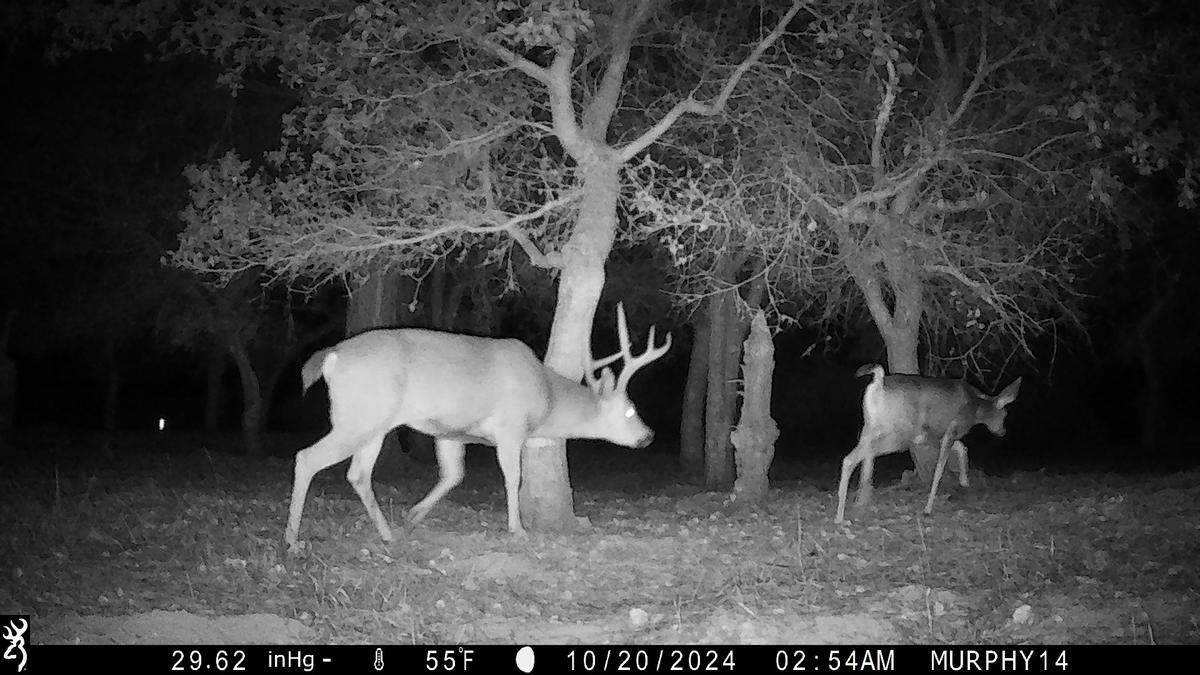
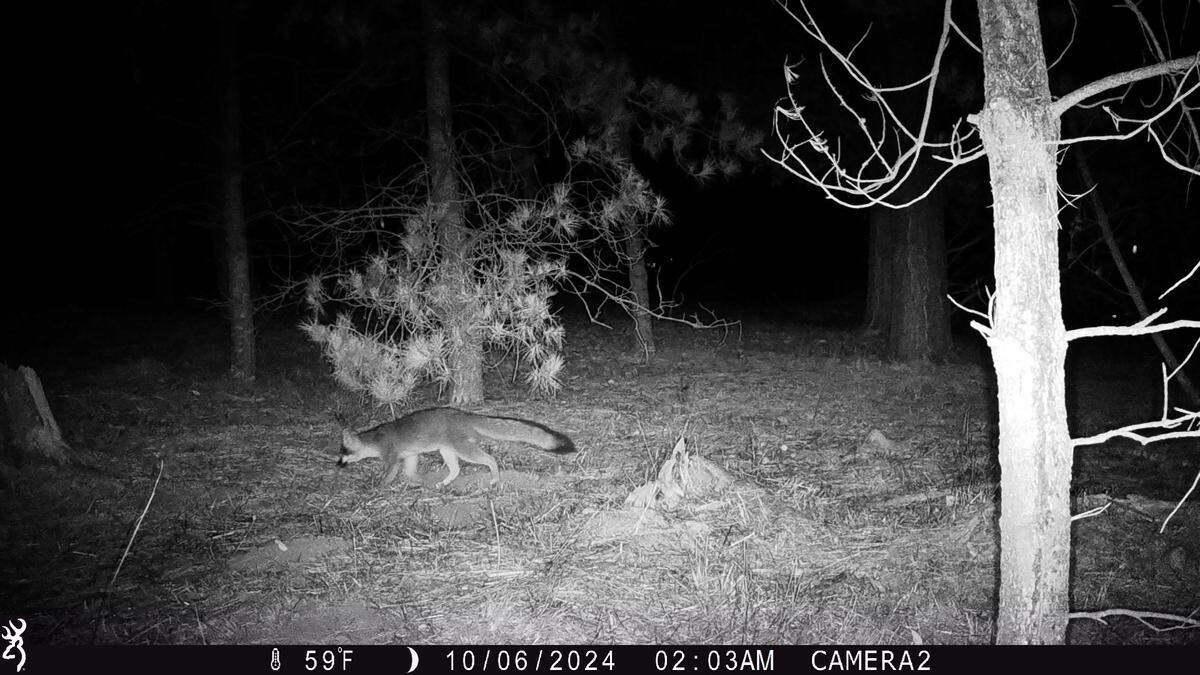
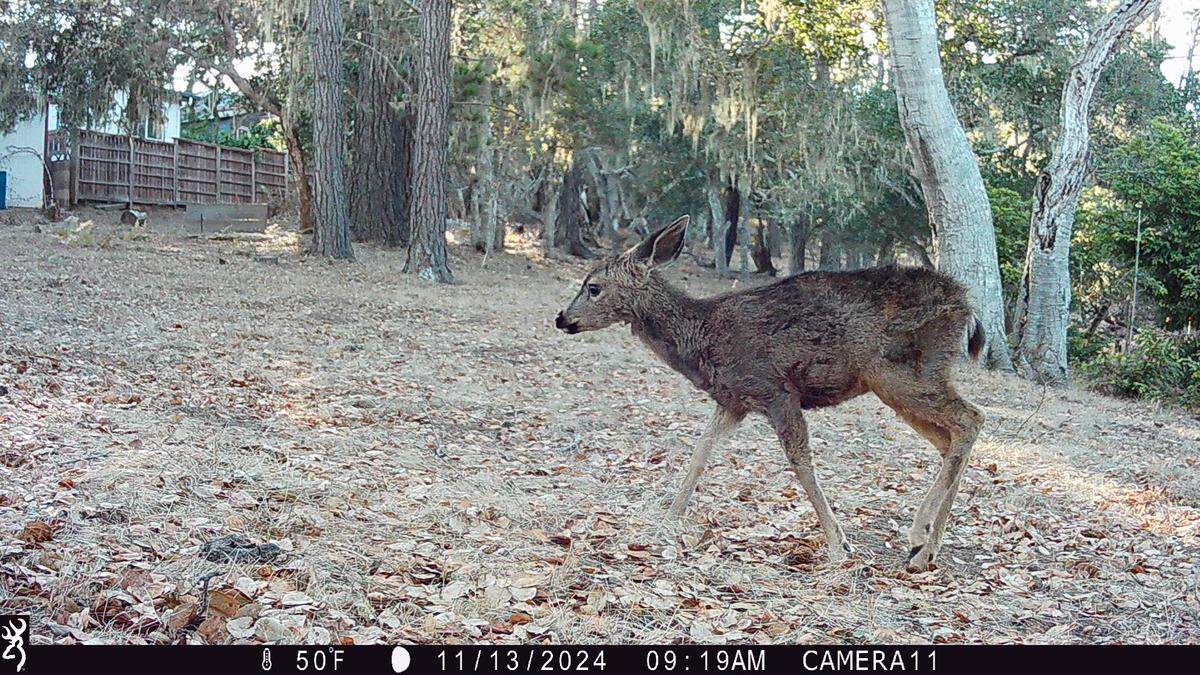
For the second year in a row, the canyon’s owner, Greenspace — The Cambria Land Trust, has installed a dozen pro cameras to track movements of the myriad wild creatures that live in or wander through the forested areas.
It’s all part of the national Snapshot USA project, a large-scale survey providing annual assessments of mammal populations across the country.
The “project is a huge collaborative effort to sample mammal populations with camera traps across all of the United States,” according to the sponsoring Smithsonian Institution.
What makes this year’s photo session at Strawberry Canyon so different from the one the land trust did there in 2024 is Greenspace has just completed a seven-week, $1 million-plus project to enhance the health of the forest and reduce fire fuels.
How the wildlife cameras work
The Greenspace project goal is “to collect baseline data of wildlife utilizing our properties,” said Lisa Murphy, the project’s principal investigator. She’s also secretary of the nonprofit’s board of directors.
“By having data before and after our restoration projects, we can better understand how to maximize the ecological benefit of the Greenspace properties within Cambria’s Monterey pine forest,” she said. “We can also track trends over time, to better understand how conditions may be changing, and adjust accordingly.”
Cambria’s forest is one of only five native Monterey pine forests in the world.
The Greenspace suburban forest “sub project” includes a minimum of 400 camera days accumulated from the 10 cameras.
Those devices are occasionally misnicknamed “critter cams,” Murphy said, explaining that’s a description more accurately applied to cameras either attached directly onto the animals or amateur cameras that consumers use to capture images of wildlife (and people) on their own properties.
She and her team of Cuesta College interns (Roy Murphy — not related to Lisa Murphy — plus Logan Dugas, Jasper Jones and 2024-25 intern Joanna Padron, with the latter now from Cal Poly Humbolt) will use their own knowledge and the project’s Wildlife Insights website to analyze the photos, identify the species and eliminate any pictures that include humans.
Ultimately, people will be able to see the wildlife photos on that national data base, where last year’s data is already available.
Researchers have made Strawberry Canyon’s forest healthier
The Cal-Fire-funded forest-health project paid for crews to clear from trails and habitat areas tons of fallen, dead, dying and diseased trees and invasive plants.
No material was removed from the area, said Greenspace executive director Karin Argano — in fact, a lot was used to help improve the trails and other habitat restoration projects.
“Everything was chipped and scattered,” Argano said.
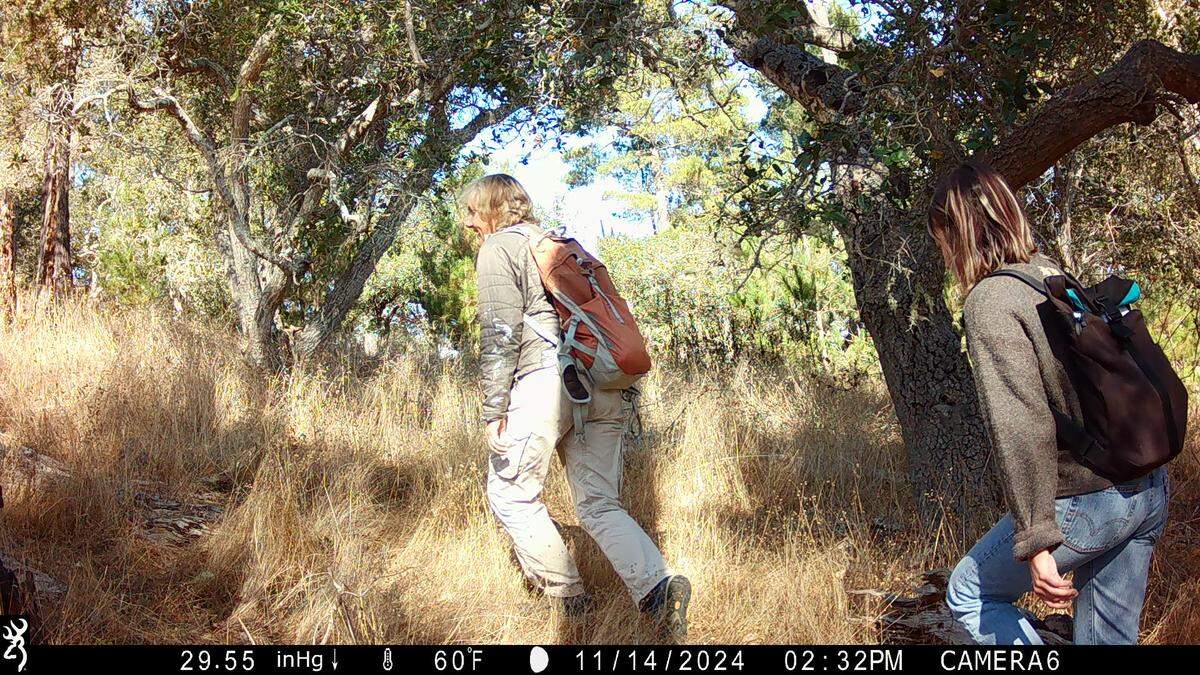
Now those areas are more open for human hikers and wandering wildlife, also making it easier for the scientific cams to capture images of the various species in the canyon.
“It opened up the canopy in the Monterey pine/coastal oak forest,” Argano said. “It looks very natural. There’s so much sun in there. It transformed the forest.”
“Now you can see into and through the forest,” she added. “Last year, there was so much vegetation and grasses, so many fallen trees, you couldn’t see as much.”
In previous years, “huge storms and winds through the canopies had brought down a lot of trees,” and the rain encouraged invasive understory species — like thistle, poison oak and grasses — to flourish, she said.
The project’s ultimate aim is to enhance and encourage regeneration of the trees, something the nonprofit will track carefully.
Also, “if and when there’s a wildfire, the clearing will give firefighters an opportunity to get in there and stop it,” Argano said. “We’re very lucky in Cambria, with our coastal fog and higher humidity in the air.”
But in an aging forest that’s been beset by illness and pests, the threat of wildfire is on everybody’s mind, especially at this time of year.
“It took a village to do this project,” Argano said.
That included Cal Fire, the Fire Safe Council, Cambria Fire Department, the Upper Salinas-Las Tablas Resource Conservation District, Steve Auten of ARC Forestry, the biological survey company and SWCA Environmental Consultants. Firestorm Wildland Fire Suppression provided expertise and the boots on the ground.
“We’re grateful to all of them, and to our neighbors for their patience,” she said.
The group was also able to start the project “earlier than expected” after Gov. Gavin Newsom proclaimed a state of emergency in California “due to catastrophic wildfire risks created by forest conditions across the state.”
The proclamation suspended statewide environmental requirements, allowing groups to expedite wildfire prevention projects, Argano said.
The Strawberry Canyon site is one of about a dozen areas in Cambria, many of them heavily forested, that the Fire Safe Council has focused efforts on in recent years in order to reduce the threat of wildfires.
Next on the Greenspace to-do list is a habitat restoration plan and then a grazing plan for goats and sheep to help keep down the invasive grasses and greenery.
To date, Greenspace has permanently withdrawn 20 properties from development.
To learn more about Greenspace, go to the nonprofit’s website, Facebook page, Instagram or call 805-927-2866.
This story was originally published September 9, 2025 at 10:21 AM.