Buck moon to shine over California, followed by meteor shower. When to watch it all
AI-generated summary reviewed by our newsroom.
- The buck moon reaches peak on July 10, marking summer’s first full moon.
- A rare alignment of Saturn, Neptune and moon occurs before dawn on July 16.
- Southern delta Aquariids meteor shower peaks on July 29 under dark skies.
Shimmering streams of comet dust and a rare planet alignment will appear in the California night sky in July.
You can also catch a full moon shining brightly above — if you know when to look up.
Here’s how to catch the upcoming celestial sights:
When to watch full moon in July in California
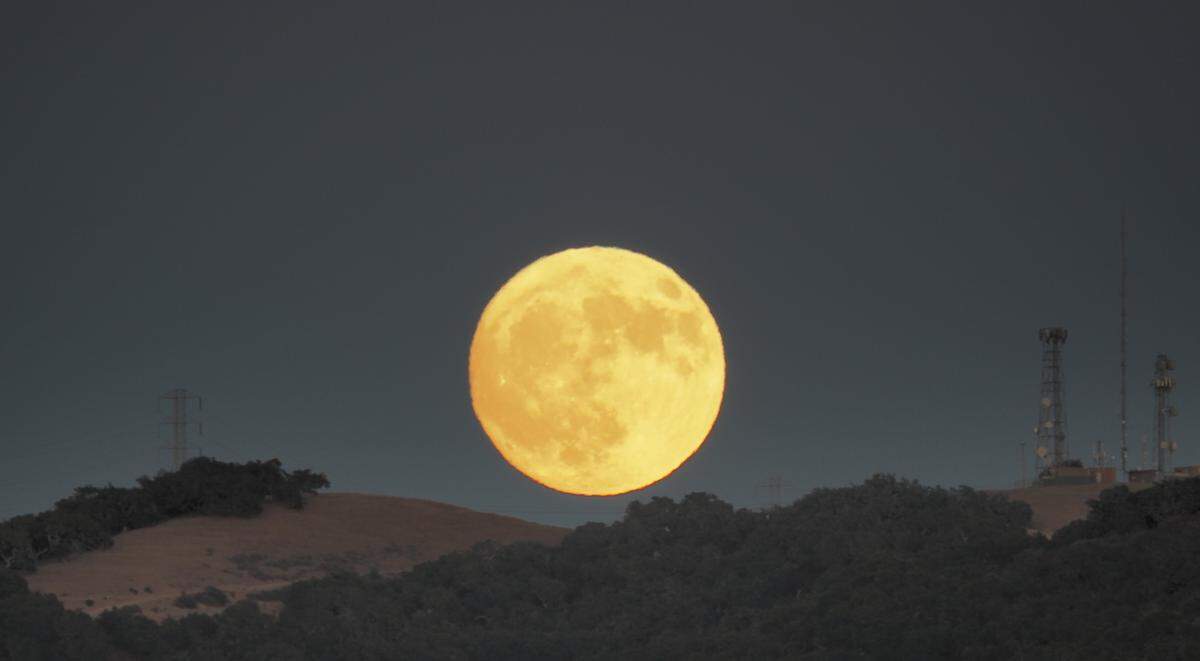
The seventh full moon of 2025 will reach peak illumination at 1:36 p.m. on Thursday, July 10, according to online calendar Time and Date.
How did buck moon get its name?
The first full moon of summer is called the buck moon, according to the Old Farmer’s Almanac.
The name refers to the time of year when male deer — or bucks — start to regrow their antlers.
“Bucks shed and regrow their antlers each year, producing a larger and more impressive set as the years go by,” the Old Farmer’s Almanac said.
Alternative names for July’s full moon were inspired by other animals.
The Cree peoples called it the Feather Moulting Moon, while the Salmon Moon is a term used by the Tlingit to signify the return of the fish to the area.
Seasonal fruits and vegetables also influenced July moon nicknames.
Anishinaabe peoples in the Great Lakes region called July’s full moon the Berry Moon and the Dakota peoples referred to it as the Moon When the Chokecherries are Ripe.
See Saturn, Neptune and the moon align
Amateur astronomers can witness a rare alignment of planets and the moon in the early hours ahead of dawn on Wednesday, July 16.
The “triple encounter” occurs when a waning gibbous moon will pass by the planets Saturn and Neptune, according to National Geographic.
The moon and Saturn will be visible to the naked eye that morning, but skywatchers will need a telescope to see the “far dimmer” Neptune, National Geographic said.

How to watch Southern Delta Aquariids meteor shower
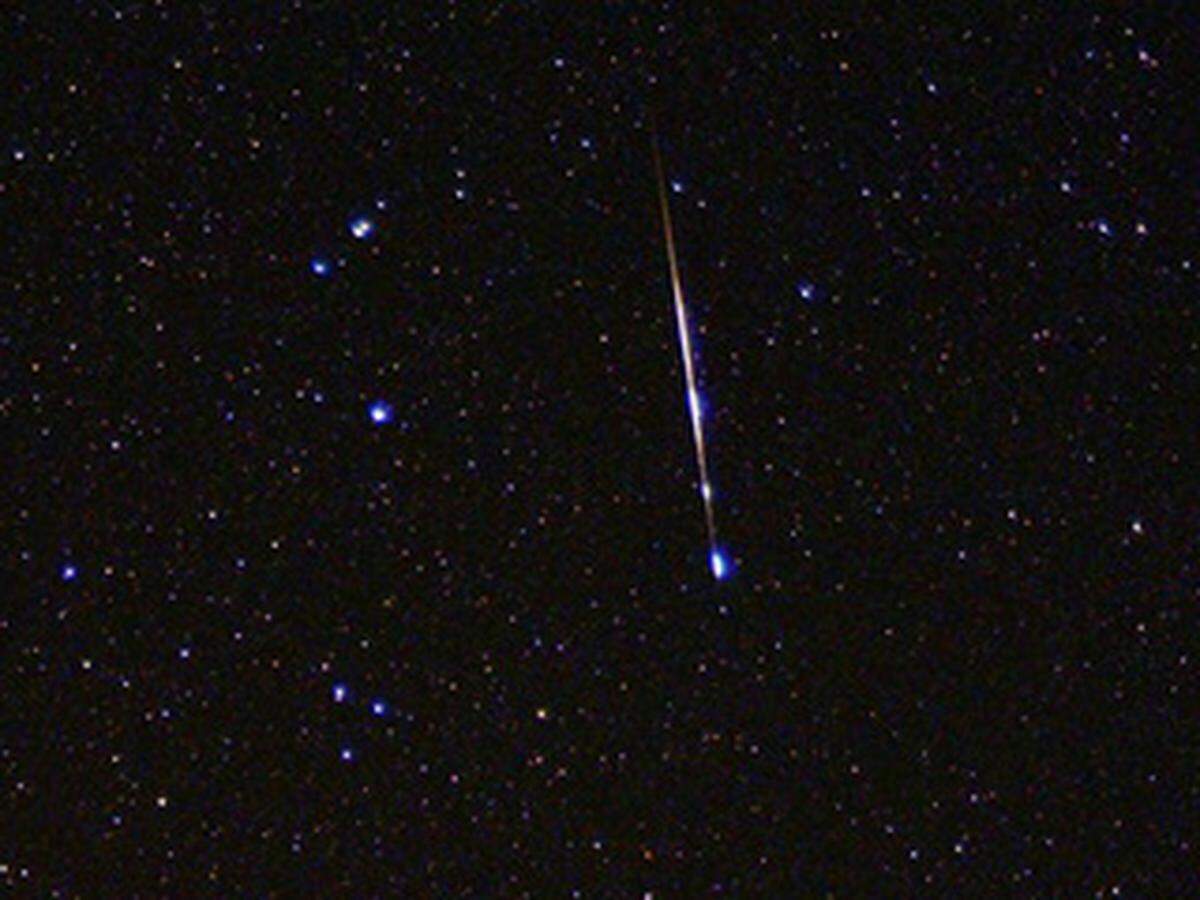
Californians can spot shooting stars sprinting across the night sky as the Southern Delta Aquariids meteor shower peaks at the end of the month.
The meteor shower will be active from Friday, July 18, to Tuesday, Aug. 12.
However, the celestial show will be at its best overnight from Tuesday, July 29, to Wednesday, July 30, according to National Geographic.
“This year, the waning crescent moon will set early during the peak, leaving skies dark for optimal meteor viewing,” the magazine said.
Southern Delta Aquariids meteors are typically fairly faint, but stargazers could still observe more than a dozen shooting stars per hour while the shower is underway, National Geographic said.
This story was originally published July 8, 2025 at 5:00 AM with the headline "Buck moon to shine over California, followed by meteor shower. When to watch it all."