‘Beautiful’ family ranch, vineyard preserved forever in northwest SLO County
AI-generated summary reviewed by our newsroom.
- Land Conservancy secured a conservation easement on 890-acre Adelaida Springs Ranch.
- Foshay family retains land ownership while blocking all future development.
- Funding came from a state program, private foundation and Foshay family donation.
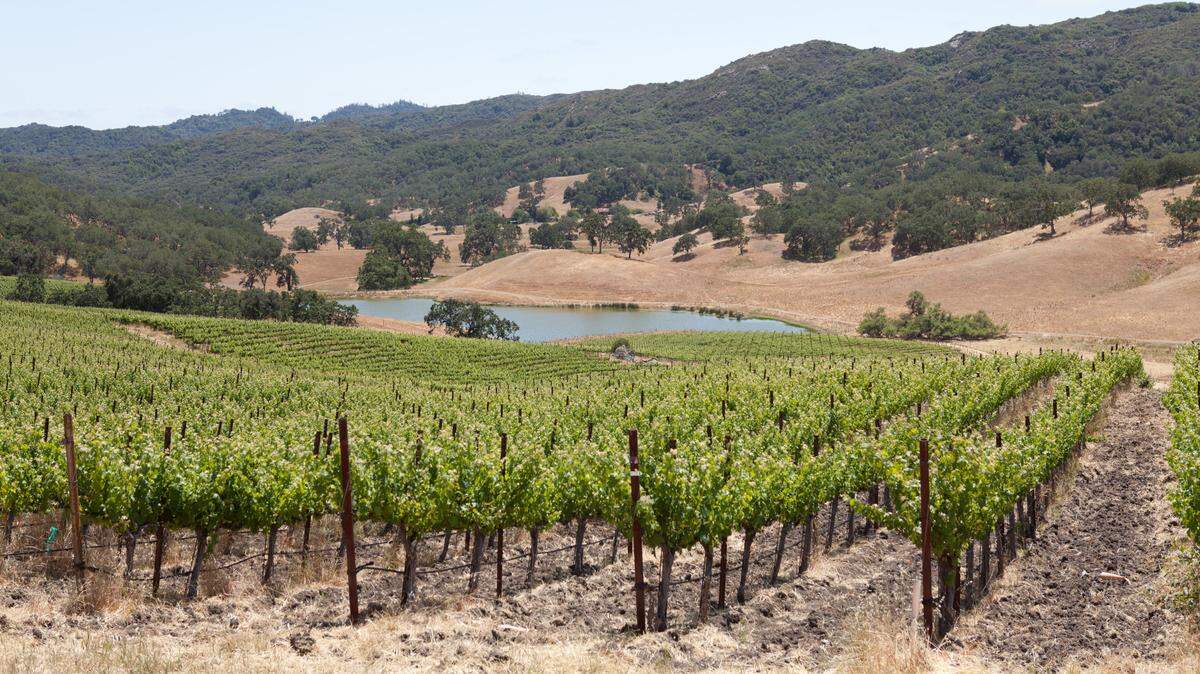
Hundreds of acres of grassy rangeland and oak woodland in northwest San Luis Obispo County have been forever protected by a conservation easement, the Land Conservancy of San Luis Obispo County announced on Friday.
For 25 years, the Foshay family has owned he Adelaida Springs Ranch, producing beef cattle and wine grapes. They prioritized sustainability in their operations, like rotating cattle between pastures to protect the soil health, while limiting pesticide use in the vineyard, according to the ranch’s website.
The Land Conservancy acquired the conservation easement over the 890-acre property on Jan. 31, a news release from the nonprofit said.
The Foshay family will continue to own and manage the land, but the easement blocks future development on the property.
“Since our childhood days hiking the coastal mountain parks of California, my wife Lisa and I have been drawn to this landscape,” ranch owner Laird Foshay said in the news release. “It has been very gratifying to live here and raise our family on a working ranch that produces food and wine. We are pleased to participate in the permanent conservation of such a bountiful and charming piece of the world.”
The funds to purchase the easement came from the California Strategic Growth Council’s Sustainable Agricultural Lands Conservation Program, the John S. Kiewit Memorial Foundation and a donation from the Foshay family.
Since 2002, the Land Conservancy of San Luis Obispo County has permanently protected about 19,000 acres in the Adelaida region through the purchase of conservation easements.
“I am deeply grateful to the Foshay family for partnering with us to protect their beautiful property — one that serves as an important part of our local food system and a critical wildlife corridor on the central coast,” Land Conservancy executive director Kaila Dettman said in the news release.