Trump’s policies could impact Central Coast public lands, waters. Here are 3 ways
On a warm, Wednesday afternoon, scientists, community members and local leaders gathered at the Grange Hall in San Luis Obispo to discuss the Trump administration’s attempts to weaken laws protecting public land and waters — and how those policies could impact the Central Coast.
The Santa Lucia chapter of the Sierra Club hosted a panel of local environmental leaders to answer the community’s questions on Wednesday from 5 to 7 p.m.
The panelists included Congressman Salud Carbajal, ocean policy expert Erin Eastwood, Carrizo Plain Conservancy board president Neil Havlik, wildlife biologist Ben Vizzachero and Coastal Band of Chumash Nation representative Michael Khus-Zarate.
From an attempt to reduce the scope of the Endangered Species Act to an effort to allow the president to eliminate national monuments, here are three issues to keep an eye on for the Central Coast.
.jpg "mick-kirchman-7_rRzKHzJsc-unsplash (1).jpg")
Trump tires to weaken federal protection of public lands, endangered species
Vizzachero returned to work at the Los Padres National Forest in late March, after being fired in February alongside thousands of other U.S. Department of Agriculture employees at the direction of the Trump administration and the Department of Governmental Efficiency.
The fight against these terminations led Vizzachero to the floor of Congress, where he confronted Elon Musk over the budget cuts that catalyzed his job loss.
A court determined that Vizzachero’s job termination was unlawful, and he was invited back to work, he said.
The biologist attended the panel as a private citizen, and he did not speak on behalf of the Los Padres National Forest, he said.
While he’s glad he won the battle over his termination, Vizzachero worries about the Trump administration’s continued assault on public lands — and its interest in cutting the federal workforce that manages those lands.
“They have successfully convinced a decent chunk of the public that scientists such as myself are bureaucrats standing in the way of, well, they would say progress — but really what we’re standing in the way of is industry and corporations that are stealing something that belongs to all of us, and that is our public lands,” Vizzachero said.
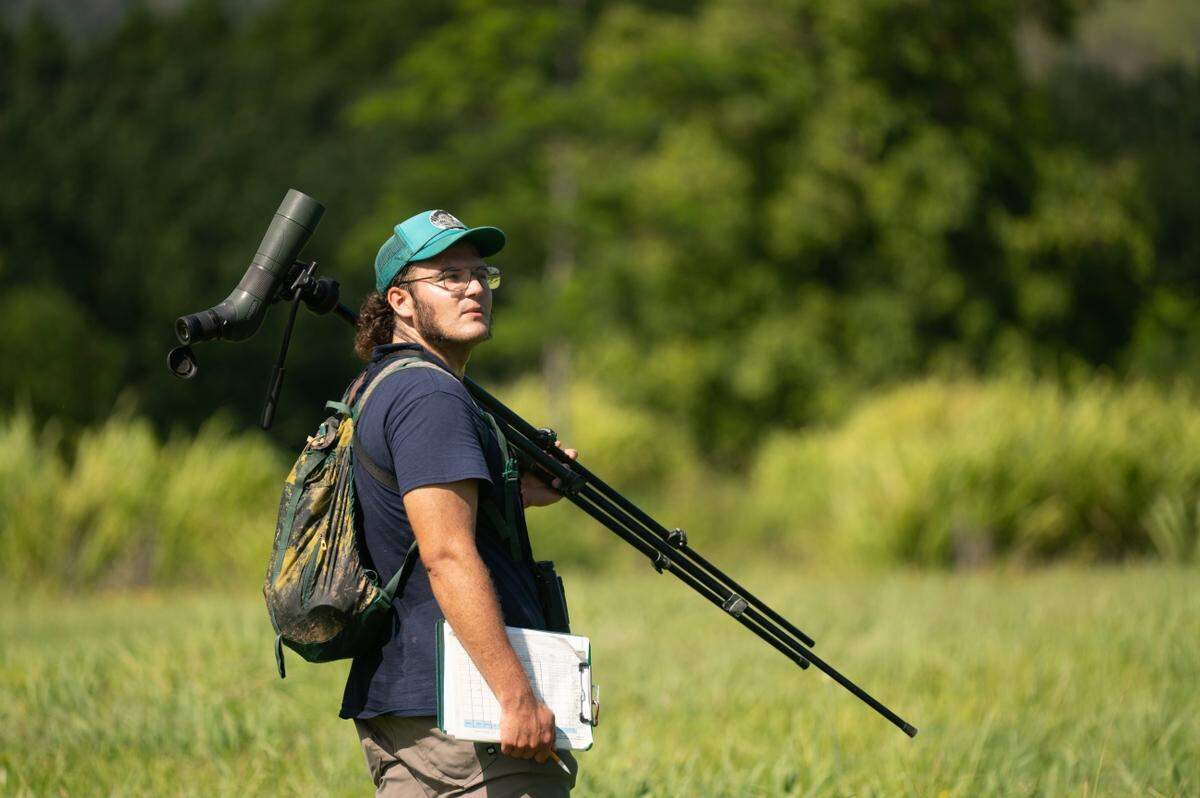
He said it’s imperative that wildlife biologists continue to be employed by the U.S. Forest Service to ensure that federal regulations designed to protect the environment are followed, he said.
“Our nation’s public lands provide tangible goods that we all depend on — things like water, safety from wildfire, timber, grazing for cattle,” Vizzachero said. “We need to support those things, and as a biologist, I’m making sure that our forest can provide those without sacrificing wildlife habitat.”
As a wildlife biologist, his primary job is to ensure that U.S. Forest Service projects comply with federal laws like the Endangered Species Act and the National Environmental Policy Act.
When a project is proposed in the national forest — from trail maintenance to vegetation management — Vizzachero evaluates its environmental impacts, reports his findings and monitors the project as needed.
“Fortunately, we have found that those laws have not lost their teeth,” he said, but the Trump administration still seeks to weaken those federal laws.
President Trump issued an executive order in January that directed the removal of certain rules under the National Environmental Policy Act, according to the U.S. Department of Energy.
Meanwhile, the administration proposed a rule change to the Endangered Species Act that would remove habitat modification or degradation from the definition of harm to an animal. If the rule change is made official, only direct harm to an animal would be prohibited by the law.
Vizzachero said it’s not clear how the proposed changes to the Endangered Species Act would affect his work as a wildlife biologist — but he’s concerned about potential impacts to protected species.
At the panel, he said reducing the definition of harm to exclude habitat degradation would have “terrifying implications.”
Harassing a condor would still be prohibited, but someone could legally take its habitat away — which would effectively kill the bird, he said.
“If we take away that definition of harm ... then that means that the Endangered Species Act doesn’t have the power to protect areas. It just protects individual animals, and that’s not the intent of the act,” he said.
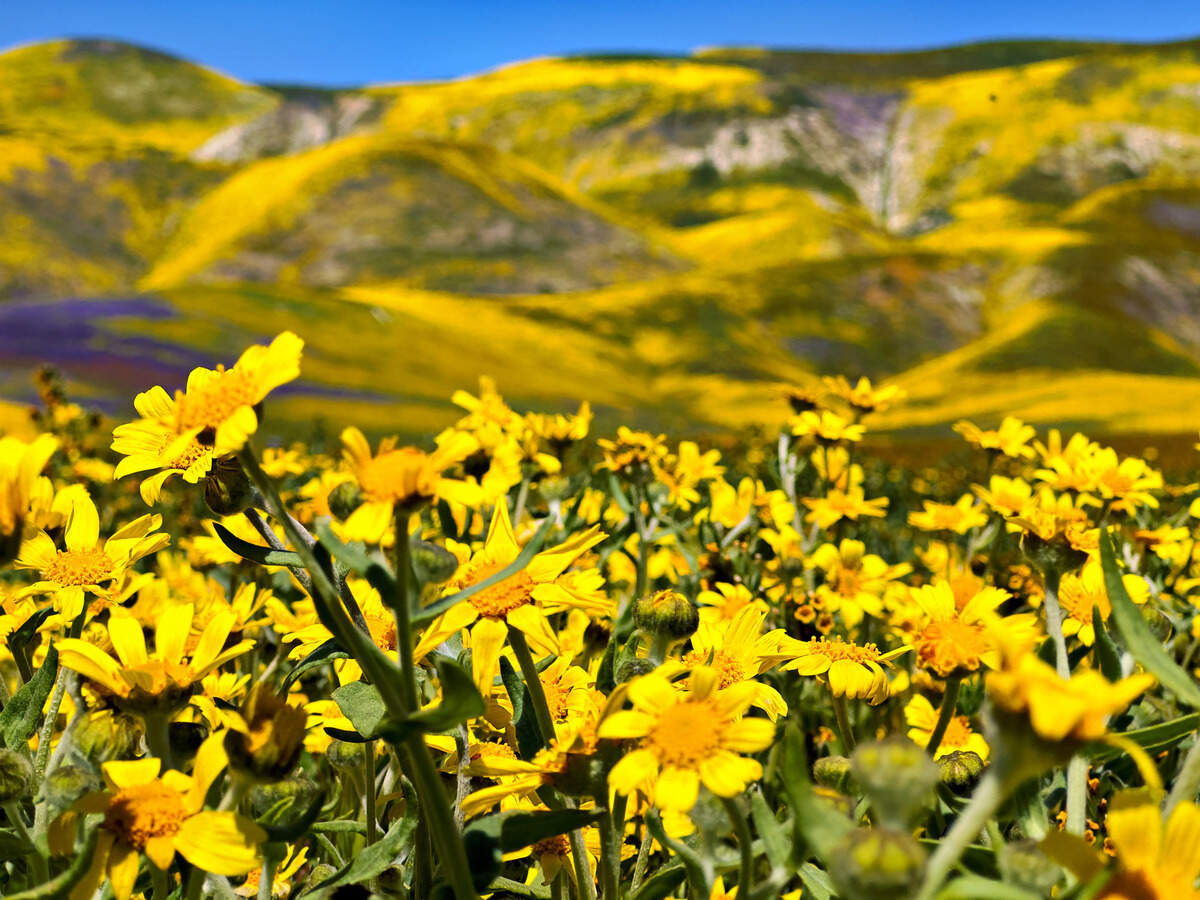
Is the Carrizo Plain at risk?
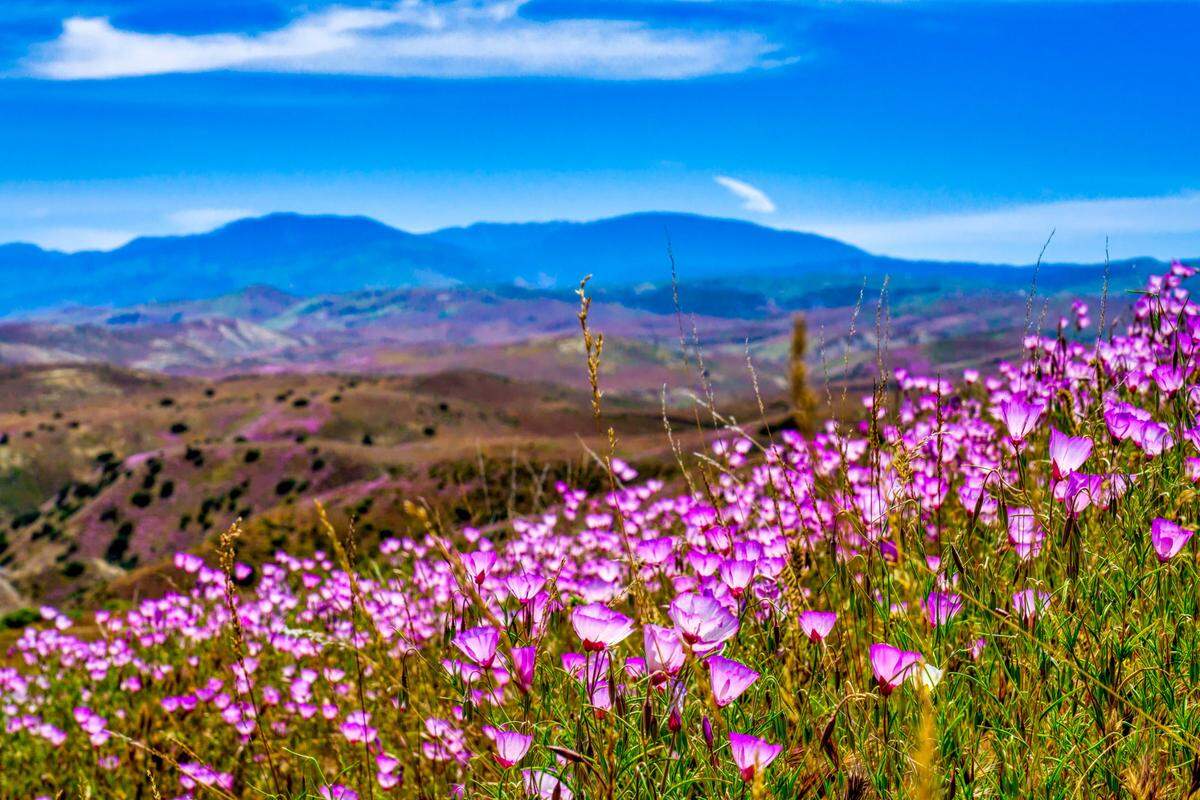
New marine protected area proposed for the Central Coast
The Central Coast could be home to a new marine protected area.
The California Fish and Game Commission, the California Department of Fish and Wildlife and the California Ocean Protection Council manage a network of 124 marine protected areas off the coast of California — and the agencies were considering 20 proposals for changes to the network, ocean policy expert Erin Eastwood said at the panel.
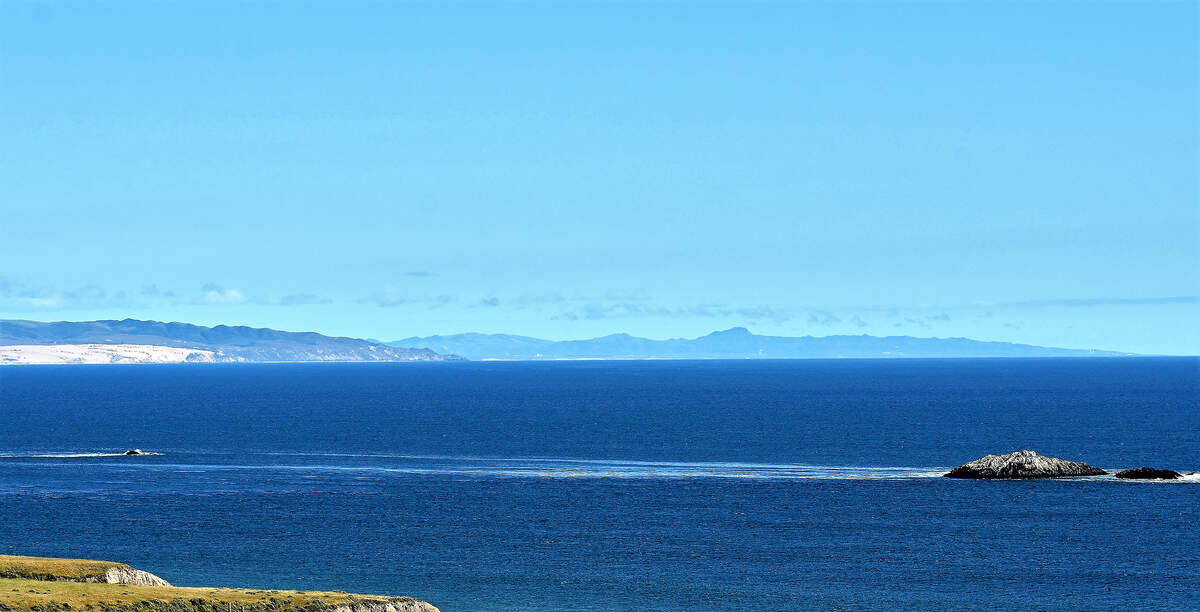
One of those proposals suggested that Point Sal in Guadalupe be designated as a marine protected area.
“Point Sal is an ecologically rich and relatively remote promontory along the coastline that supports a diverse marine ecosystem and provides critical habitat for seabirds and marine mammals alike,” the proposal said.
Kelp beds and tide pools thrive at Point Sal, while humpback whales and gray whales migrate through the area.
Marine protected areas are state-protected waters designed to protect ecological systems and natural resources, she said.
The state analyzed 10 years of monitoring data in the Decadal Management review and discovered that for the most part, fish were larger and more abundant in marine protected areas, Eastwood said.
This is exciting, of course, because the fish are healthier — but also because larger female fish can lay more eggs, which will support the population’s growth, she said.
This story was originally published June 20, 2025 at 10:03 AM.