How could offshore wind projects affect SLO County? See 3 potential environmental impacts
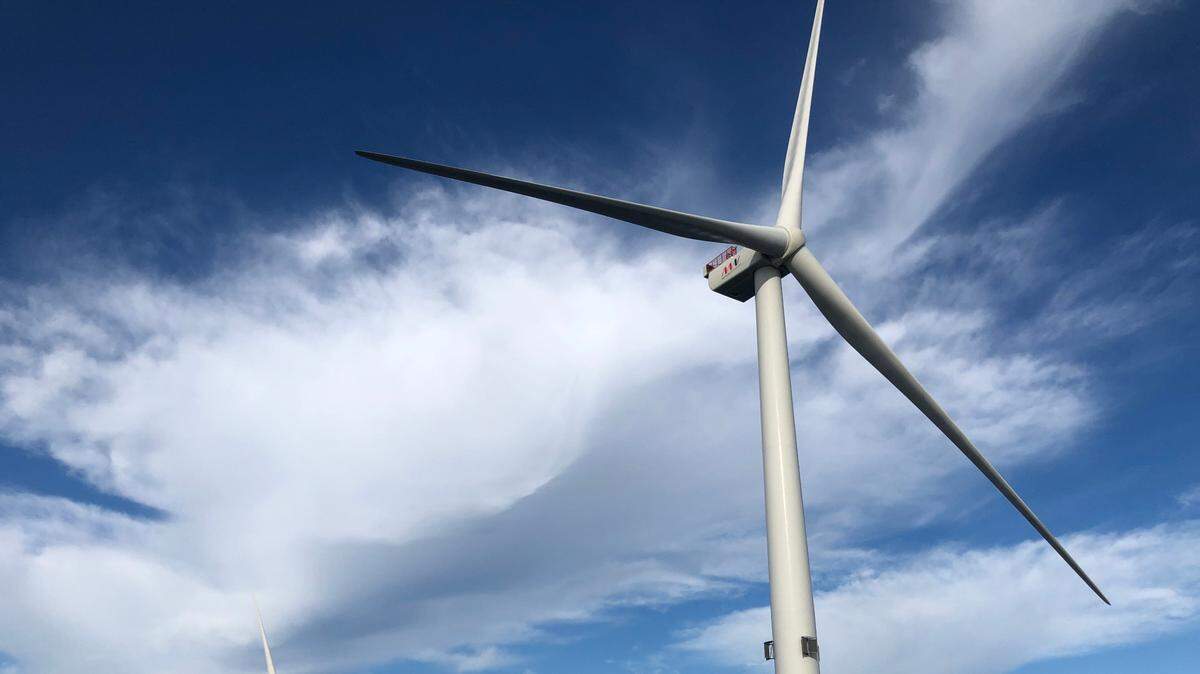
Three offshore wind farms could be built off the coast of San Luis Obispo County during the next decade.
Experts are working to understand potential environmental impacts of those projects — and how to prevent those projects from harming habitat, marine life, fisheries and cultural resources.
Three corporations won leases to build floating wind turbines in the 376-square-mile Morro Bay Wind Energy Area about 20 miles offshore of Cambria and San Simeon. Meanwhile, two other corporations purchased leases in the Humboldt Wind Energy Area.
On Nov. 14, the Bureau of Ocean Energy Management released a 659-page draft Programmatic Environmental Impact Statement analyzing potential effects of the wind energy projects and what requirements the leaseholders may need to follow during construction, operation and decommissioning.
The goal of the report is to identify potential mitigation measures that the Bureau of Ocean Energy Management might require as conditions of approval for Construction and Operation Plans, which each leaseholder must submit for approval to build their projects.
Each Construction and Operation Plan will detail the project design, along with plans for construction, operation and decommissioning. Each plan will undergo a separate environmental review process, the report said.
If all five projects are built, they could generate a total of 4.6 gigawatts of offshore wind energy each year — enough to power 1.5 million homes.
People can submit comments related to the report until Feb. 12.
None of the leaseholders have actually proposed a project design yet, so there is no way to know the size and number of turbines that will be included in each lease area and how it would impact the environment.
The draft Programmatic Environmental Impact Statement assumed that each lease area would house up to 200 wind turbine generators placed at least 920 meters away from each other.
The wind turbines could be up to 1,100 feet tall, which is the height of the Wilshire Grand Center in Los Angeles.
From carbon emissions to preventing harm to birds, here’s a look at three major takeaways from the report.
.jpg "IMG_1248 (2).jpg")
Offshore wind projects would reduce the California’s carbon emissions
Construction and operation of the wind turbines would emit carbon dioxide, a greenhouse gas responsible for climate change.
However, an offshore wind farm would release less carbon into the atmosphere than other energy sources, like oil, coal and natural gas, according to the report.
The report analyzed the impact of adding one 200-turbine project built in the Morro Bay Wind Energy Area to California’s 2019 power grid.
Construction of the wind farm would emit more than 1.5 million metric tons of carbon, which can be divided into 43,914 metric tons of emissions for each of the facility’s 35 years of operation. Additionally, operating the wind farm would release about 13,921 metric tons of carbon each year, but the energy produced by the turbines would also displace just under 3.5 million metric tons of carbon emissions annually from other energy sources, the report said.
As a result, one 200-turbine wind farm would reduce the state’s carbon dioxide emissions by about 3.4 million metric tons annually, which is equal to the carbon emissions of almost 745,600 passenger vehicles, the report said.
Even one project built in the Morro Bay Wind Energy Area would have a positive impact on air quality because “energy produced by wind turbine generators would displace energy produced by fossil-fuel power plans,” the report said.
These numbers aren’t set in stone, however. The amount of carbon emissions avoided each year would depend on the state’s energy portfolio.
As California procures more of its energy from renewable sources like wind, solar and nuclear, the carbon emissions avoided by the wind farm would “diminish,” the report said. But if California increased its use of fossil fuels, the carbon emissions avoided by the wind farm would also increase.
How would wind farm impact protected birds?
Snowy plovers nest and forage on the beach, with some “limited movement” to the Channel Islands off the coast of Santa Barbara County, the report said.
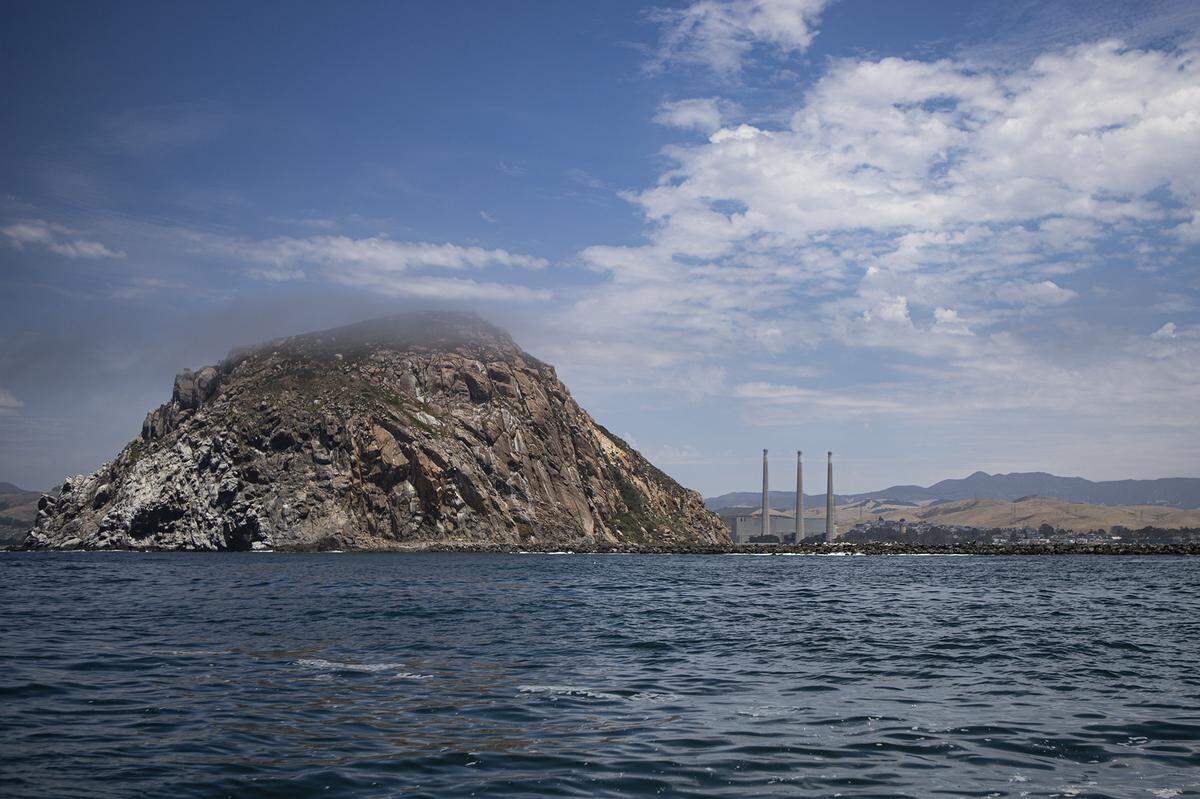
Impact of electromagnetic fields on marine life
Each offshore wind project will include subsea cables that transport electricity generated by the wind turbines to shore.
The cables will carry up to 525 kilovolts of electricity if using a high voltage direct current system or 420 kilovolts if using a high voltage alternating current system, the report said.
Export cables would be buried 3 to 10 feet under the seafloor, though they may be exposed at certain points along the cable route.
When the cables start transmitting power, they will emit heat and an electromagnetic field.
Magnetic fields occur naturally in the ocean. However, electromagnetic fields emitted at a higher level than usual could harm the ability of crustaceans and mollusks to navigate, as they use natural magnetic fields to get around, the report said.
Electromagnetic fields could interfere with interactions between predators and prey along with physiological and psychological development, the report said.
Additionally, a study found that offshore wind export cables harmed European lobster egg development, which lead to a higher rate of lobster larval deformity and death, the report said.
However, more research is needed to determine how subsea cables would impact marine life in on the Pacific Coast, as each species will react differently to electromagnetic fields.
Three factors determine the impact of electromagnetic fields on marine life: the amount of electricity carried by the cable, the cable design and the distance between marine life and the cable, the report said.
Electromagnetic fields have only had a documented impact on organisms within 3.3 feet, or 1 meter, of the cable, the report said.
The report recommended that lessees install underwater cables with electrical shielding “to control the intensity of electromagnetic fields.”
Additionally, the lessees should establish design standards for the cables, such as a minimum depth that they are buried below the seafloor, and they should monitor the cables after installation to see if more mitigation is needed.
Finally, neighboring leaseholders should coordinate and connect transmission cables between their projects to reduce the environmental impact of the projects.
How to comment on the report
The Bureau of Ocean Energy Management will host two virtual public meetings to review the report and take comments. The first meeting will be on Jan. 28 at 5 p.m. and the other on Jan. 30 at noon.
People can make a three-minute statement at the public meetings, or submit written comments online by Feb. 12, 2025, at bit.ly/4g5GYCI.
People can also submit written comments by mail to: Environmental Analysis Section Supervisor, Office of Environment, Pacific Regional Office, Bureau of Ocean Energy Management, 760 Paseo Camarillo, Ste. 102, Camarillo, California 93010.