‘Good fire is medicine.’ ytt Northern Chumash Tribe to lead cultural burn in SLO
The yak titʸu titʸu yak tiłhini Northern Chumash Tribe will conduct a second cultural burn at the Johnson Ranch Open Space in San Luis Obispo on Friday — this time at a new location on the property.
The burn will remove invasive plants and reduce wildfire risk, while revitalizing native plants and restoring a cultural practice.
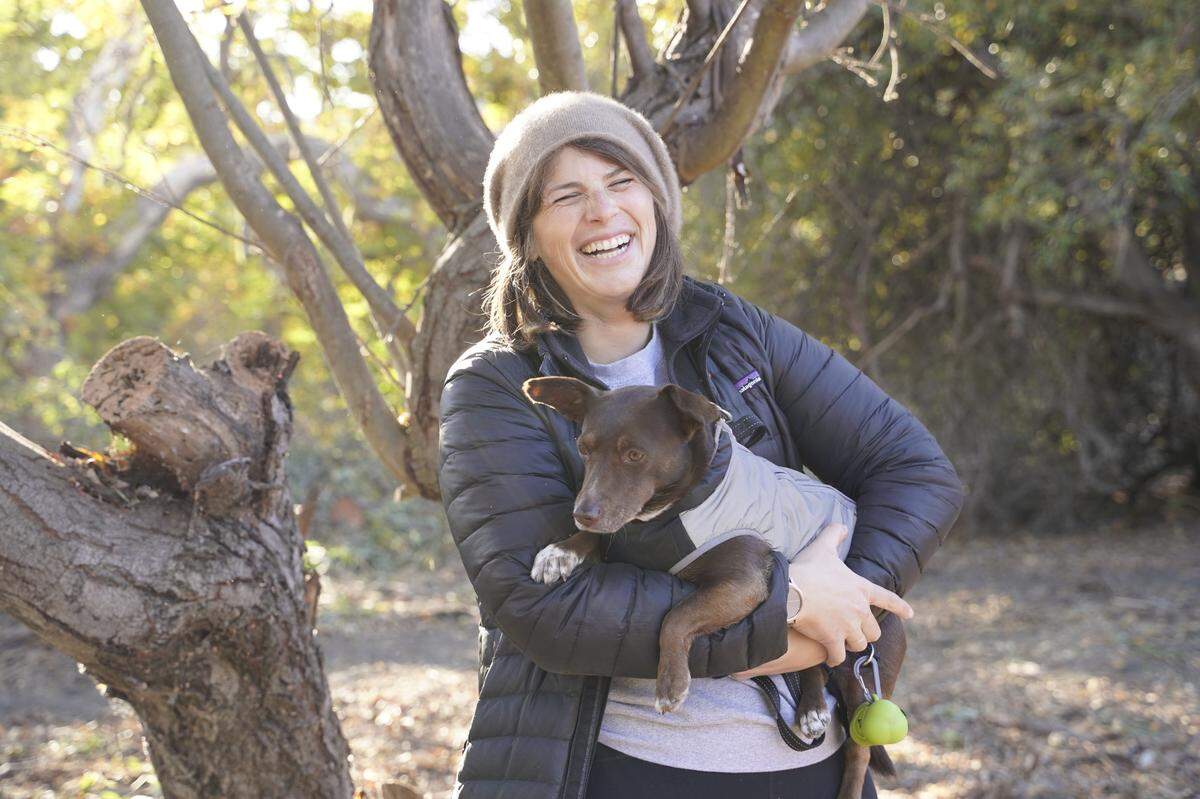
“It’s this really joyful way of reconnecting with our homeland,” cultural burn practitioner Becca Lucas said. “It feels really hopeful.”
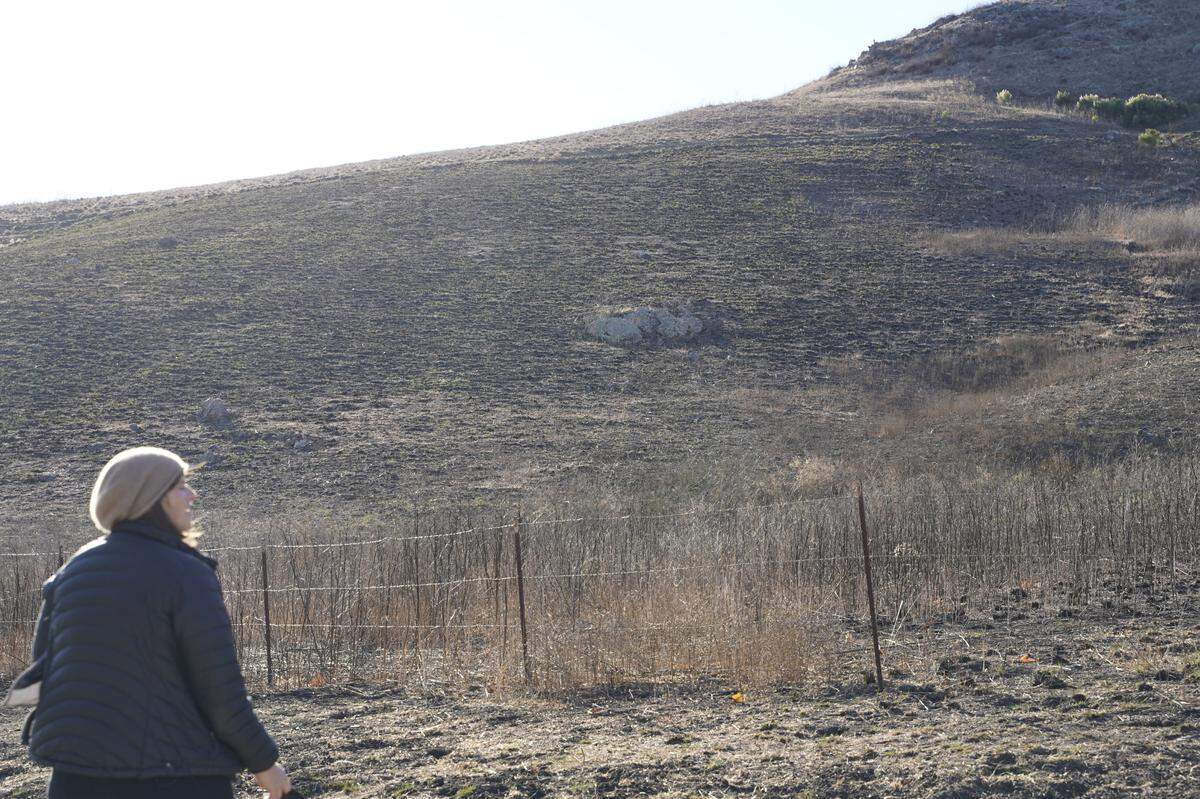
In June, the ytt Tribe led its first cultural burn in generations on a 15-acre plot of the Johnson Ranch Open Space. Native bunch grass has since sprouted on the burn scar.
“The regrowth has been incredible,” Lucas said. “The grasses, so far, they just have so much more room to regrow. We’re really, really happy with how it looks, and we’re excited to see how it changes in the next couple of years.”
On Friday, the ytt Tribe will collaborate with the city of San Luis Obispo and Cal Fire to burn a total of 5 acres across four different areas: three plots beside a creek bed and one underneath a grove of oak trees.
Traditionally, the ytt Tribe burned land periodically to return nutrients to the soil and promote healthy plant growth. But in 1850, the California State Legislature passed the Act for the Government and Protection of Indians, blocking Indigenous peoples from practicing traditions such as intentional burns.
Lucas said it has been a joyous, collaborative and healing process for the ytt Tribe to return prescribed fire to their ancestral land.
“Good fire is medicine,” Lucas said. “It’s not only healing for the land, it’s very healing for our people.”
First cultural burn cleared invasive grasses, made room for native plants
On June 18, the ytt Tribe led a cultural burn on a 15-acre hillside at the Johnson Ranch Open Space.
This was the first time in generations the ytt Tribe could return tinɨtʸu, or “good fire,” to their ancestral land.
The burn targeted invasive plants, including mustard and non-native grasses, in order to clear space for native species.
Purple needlegrass and other native bunch grasses evolved to withstand fire, as they have deep root systems that survive low-intensity burns. Invasive annual grasses, however, die each summer — and become a flashy fuel for wildfires.
The low-intensity, prescribed fire burned away the non-native grass seeds, while the dormant, native plants survived the fire and bloomed out of the ashes, Lucas said.
“I came out a week after the burn, and there was already like, five, six inches of regrowth,” Lucas said, noting that it was remarkable to see seedlings survive the summer’s scorching temperatures.
By November, green tufts of native bunch grasses poked through the once-scorched soil. A carpet of sun-baked, brittle grass rolled up to the perimeter of the burn scar — more evidence that fire is good for the land.
“The beauty and the sort of sad thing about having fire lost here for so long is that these guys all want fire,” Lucas said. “When you look at the burn unit from June, it’s so evident how much fire is desired from these native species. Look at how it bounces back.”
Lucas said watching the native grasses grow over the burn scar make her feel hopeful.
“This is something that is working and feels like an effective tool,” she said. “At a time where things don’t seem to have positive impacts quickly, it feels really amazing to do something where the impact is pretty visible pretty quickly.”
Cultural burn targets non-native grass, plants
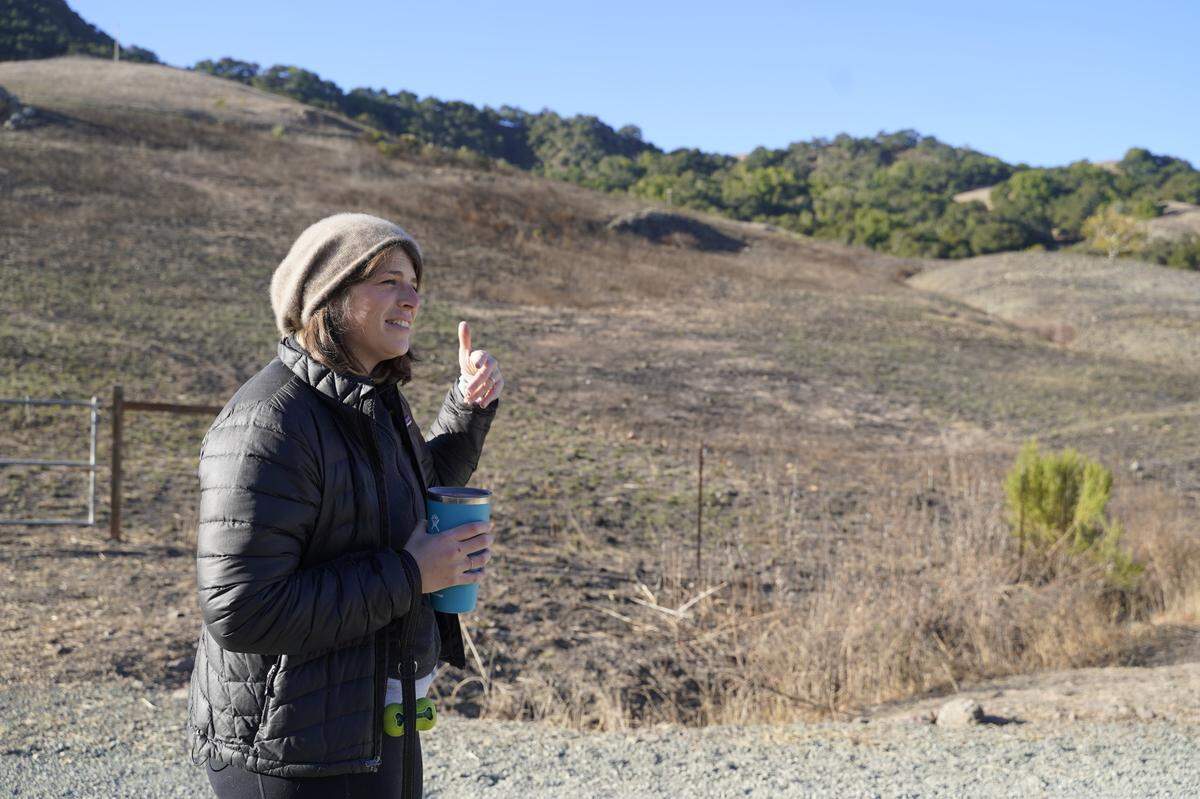
On Friday, the ytt Tribe will burn four different spots on the property from 9 a.m .to 6 p.m.
Three of the prescribed fires will target invasive grasses growing between the road and the creek bed — releasing space for native bunch grasses, buckwheat and rose hips to thrive.
“There’s a lot of grasses there that are getting totally choked out by invasives and overgrowth,” Lucas said.
The burn will also target a lone, overgrown willow tree near the creek to help it grow back healthier.
“Willow, with fire, grows back straighter and stronger,” Lucas said.
The ytt Tribe uses the trunk of a willow to build structures, and the bark can be made into twine. The ytt Tribe used willow bark twine to assemble many of their fire tools, Lucas said.
Meanwhile, the ytt Tribe will burn patches of dry grass and poison oak under a grove of oak trees near the June burn site. Right now, poison oak and dried grass crowd the ground under the trees — leaving little room for oak seedlings to sprout. Oak seedlings don’t like shade, so it’s important to use fire to clear brush underneath the trees so the seedlings get enough sunlight to grow, Lucas said.
Since June, the ytt Tribe has developed a closer relationship with fire and has learned how it moves and how existing plants respond to it.
“(The fire) we’re working with is really small, and it’s so much easier to track fire behavior and just see what works and what doesn’t work with the different plants that we have out there,” Lucas said. “We’re just continuing to build on what we learned and experienced from June.”
While Cal Fire uses gasoline and diesel to fuel its prescribed burns, the ytt Tribe will ignite its fire with natural materials.
Their primary burning tool will be a fire torch, which is an oak branch topped with dried grass and tule leaves, pine needles, lichen and moss. At the center of the torch are pine cones doused in sap and rolled in grass.
The ytt Tribe is committed to ongoing management of the land after the cultural burn, Lucas said. This includes studying how different landscapes and plants respond to fire, and evaluating if they need different types of fire and burn frequencies to thrive.
“We live in an environment that doesn’t look like it looked, yeah, even 1,000 years ago,” she said. “(We are) getting reacquainted with our homeland and the actual plant communities that are growing right now.”
Not only is conducting cultural burns healthy for the land — it also affirms that Indigenous Tribes are capable of managing land efficiently and effectively in a way that’s beneficial to all who use it, Lucas said.
“I think it’s really powerful in being able to uphold our own nationhood,” she said. “That feels empowering in a system that is really good at disempowering tribes.”
Friday’s burn will be the last of the season before the rain sets in, but the ytt Tribe plans to conduct more prescribed burns in the spring, Lucas said.
“It’s the end of this season, but it’s the beginning of a lot more fire projects,” Lucas said. “It’s exciting.”