This SLO County beach town is considering an offshore wind port. What could it look like?
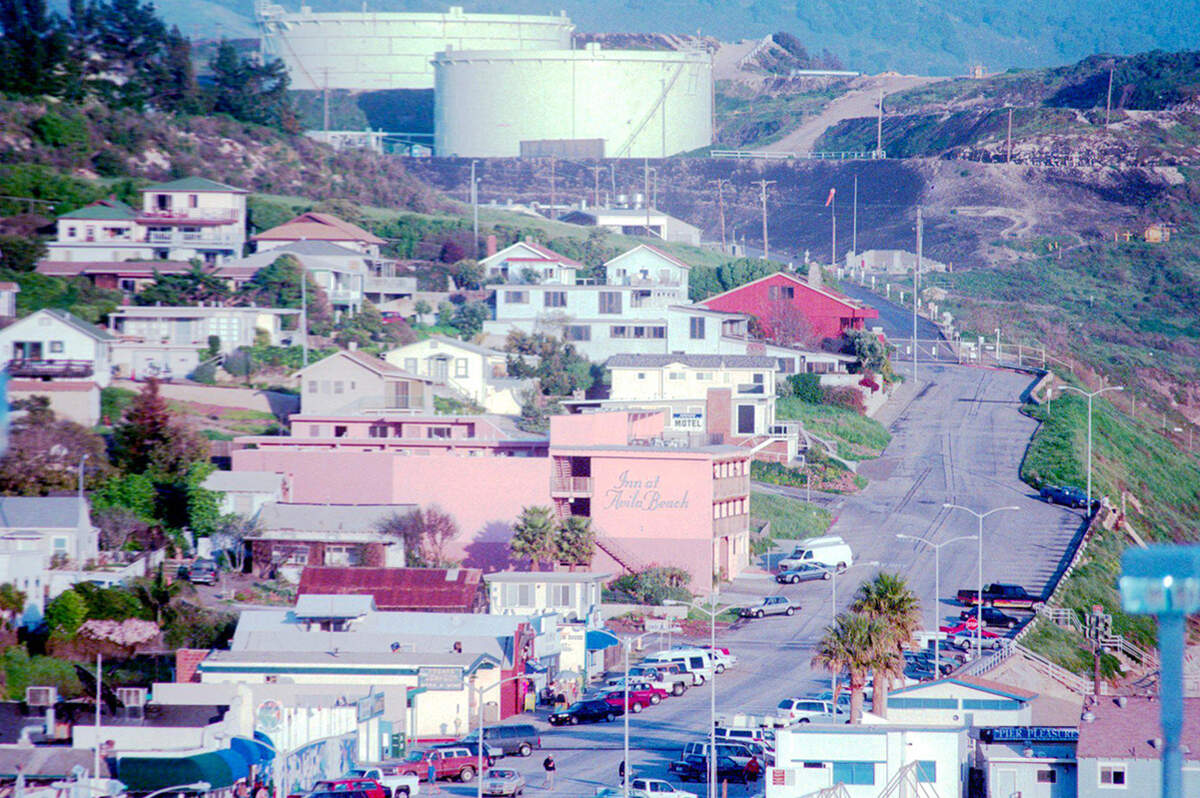
The sleepy, seaside town of Avila Beach used to be a bustling seaport — exporting oil from the Central Valley to the rest of the world.
Now, the energy industry could soon return to the scenic seashore.
The Port San Luis Harbor District will collaborate with Ventura-based company Clean Energy Terminals to study the potential of building an offshore wind port in San Luis Obispo Bay.
The study will evaluate if the bay could accommodate an operations and maintenance port, which would serve as a hub for monitoring the offshore wind farm in the Morro Bay Wind Energy Area and offer a place for maintenance vessels to dock, Port San Luis Harbor Director Suzy Watkins said.
“The primary goal is to first figure out whether this is workable in engineering terms, and if it is workable, does that concept fit with the district’s needs and the broader community?” Watkins said.
The harbor district’s Board of Commissioners must vote separately to approve a design or permits for the project. These votes would occur when the study is completed in six to 18 months.
“We are still in the evaluation stage,” she said. “Our board has taken a very deliberate approach to trying to gather information and make fact-based decisions, so they’ve moved pretty slowly.”
Some community members support an operations and maintenance port, as it would bolster the local economy and support California’s transition from fossil fuels to renewable energy. Others worry that it could disrupt the character of Avila Beach, harm the environment and interfere with commercial fishing and tourism.
Watkins said the harbor district would only approve the project if it has a positive impact of all users of the bay — from fishermen to tourists.
“One of our evaluation standards is that all of the current users are at the same or better off if it is built,” Watkins said.
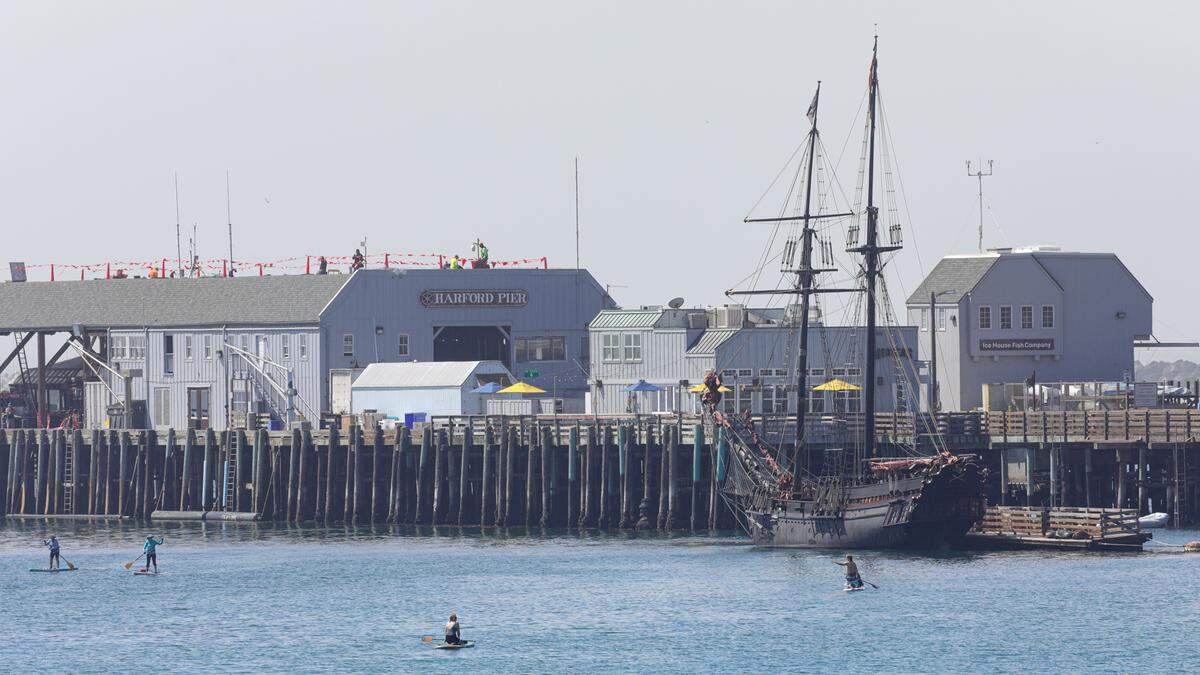
Port San Luis to study potential for offshore wind terminal
On July 23, the harbor district’s Board of Commissioners voted to enter into a feasibility evaluation agreement with Clean Energy Terminals, which allows the entities to work together to study if San Luis Obispo Bay could support an operations and maintenance port. If the answer is yes, the study will also explore a potential design, location, cost and scale of operations for the port.
When the study is completed, the board would have to vote to approve an official design and permits before the port is built.
The study will evaluate offering Clean Energy Terminals a 35-year, 10-acre tidelands lease, according to the agreement.
The study could take six to 18 months to complete.
Clean Energy Terminals will pay the Harbor District $9,000 to support administrative work for the project, $25,000 for the first six months of work and $4,100 for each additional month, the staff report said.
Meanwhile, San Luis Obispo County commissioned a study to evaluate the potential for building an operations and maintenance port at Port San Luis, the Cal Poly Pier and Morro Bay.
The San Luis Obispo County Board of Supervisors will discuss funding the study at its Tuesday meeting.
What could the port look like?
Clean Energy Terminals has not yet proposed an official design for the port, but the company does have ideas for how the facility may look and operate, company CEO Brian Sabina said.
The heart of the port could be a 3,000-foot pier, which would match the length of the Cal Poly Pier, he said. Meanwhile, the nearby Avila Beach Pier is 1,685 feet long and the Harford Pier is 1,320 feet long.
The pier must be long enough to reach waters of about 40 feet deep to accommodate the deep-water vessels, which would dock in a berth at the end of the pier, he said.
This port would be much smaller than the one sketched in a study developed by REACH Central Coast in 2022.
That study evaluated the potential for building a staging and integration port in San Luis Obispo Bay. Ports that large are now being considered for Long Beach or Humboldt but would not be built on the Central Coast.
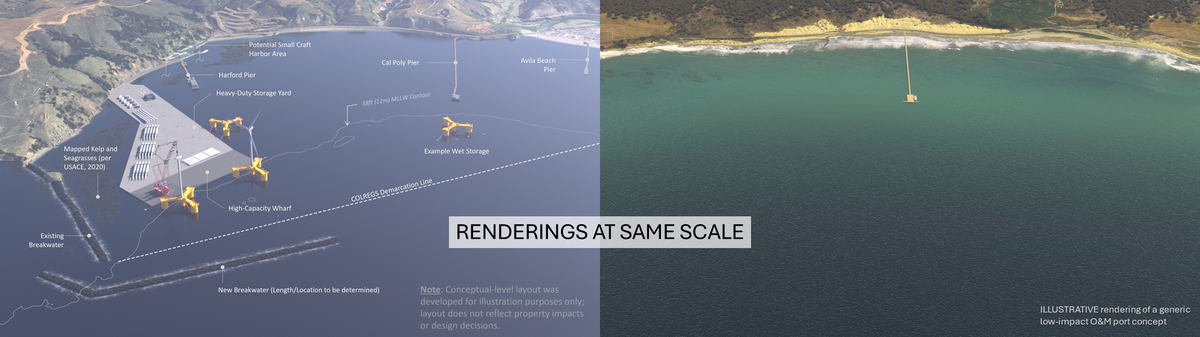
A 250- to 300-foot service operation vessel would stop by the port every two to three weeks to restock supplies and pick up a fresh crew. Otherwise, survey vessels, wildlife monitoring vessels and tug boats would occasionally dock at the pier, the Clean Energy Terminals website said.
The vessel holds two crews of 65 to 100 people.
All of this information, however, is hypothetical; Clean Energy Terminals has not yet proposed an official design for an operations and maintenance port in Avila Beach.
Port San Luis is no stranger to large vessels. During the past two years, the port intermittently hosted a 255-foot derrick barge to repair the breakwater, Watkins said. That vessel was accompanied by two 240-foot barges, she said.
As of Wednesday, however, the largest vessel mooring in Port San Luis was 55 feet long, she said.
Onshore buildings would house a control room for monitoring the wind farm, a warehouse for spare parts, a workshop area, offices and a parking lot, according to the website.
The port would not be large enough to store or transport wind turbine blades or towers, Sabina said.
Sabina said Port San Luis is ideal for an operations and maintenance port because it is relatively close to the proposed wind farm about 20 miles offshore Cambria and San Simeon.
Port San Luis is 45 miles away, while San Francisco Bay is 168 miles and Port Hueneme is 178 miles away, Sabina said.
The bay also already has existing deep water infrastructure, like the Cal Poly Pier, and wave protection from the breakwater.
Could port support Central Coast economy?
An operations and maintenance port would create hundreds of jobs in Avila Beach, from crews sailing out to maintain the wind farms to administrative workers in onshore offices, REACH Central Coast spokesperson Sally Buffalo Taylor said.
“That’s long-term jobs that last the lifetime of these farms,” she said.
The feasibility evaluation will show the Central Coast how to design a port that balances environmental, economic and community interests, she said.
“We want to preserve everything that is special about this region, while also making this a place that people can get a job and make a living,” Taylor said.
SLO County residents, fishermen protest offshore wind port
Some, however, aren’t thrilled about the prospect of a port.
Saro Rizzo remembers when the Unocal pipeline burst and spilled 150 barrels of crude oil into the sea.
The 1992 spill was just the tip of the iceberg, the San Luis Obispo attorney said.
The corporation’s underground pipeline carried oil from the San Joaquin Valley to Port San Luis to be shipped around the globe, according to a 1992 Tribune article.
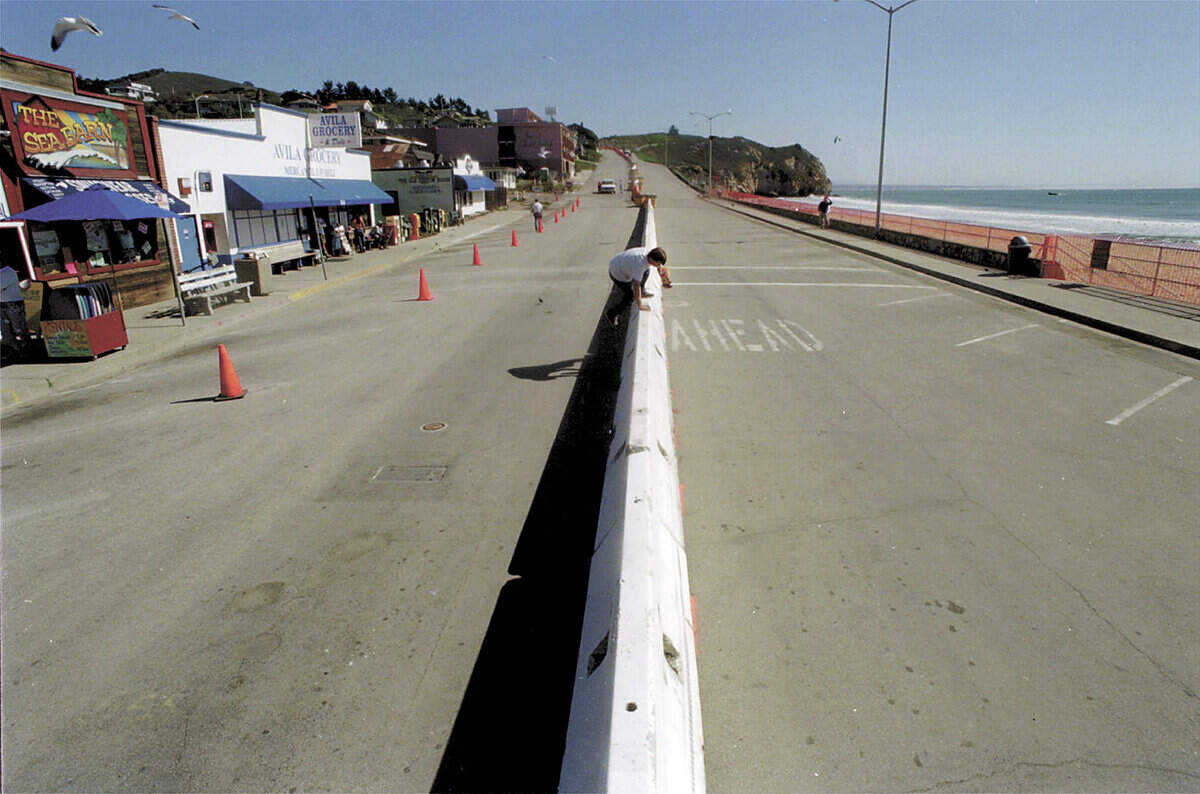
That pipeline had slowly leaked a 400,000 gallon potion of crude oil, gasoline and diesel fuel into the soil under Avila Beach. Tar balls bubbled to the surface and inspired Rizzo and his neighbors to form Avila Alliance: an organization that sued Unocal to clean up the spill.
Unocal settled the lawsuit for $200 million in 1998. The oil company then ripped out part of Front Street and hauled away the contaminated sand.
“If you know the history of Avila, you realize that it has done so much for energy in California,” Rizzo said. “For being such a small, little community, it’s more than its fair share.”
Rizzo now serves as the vice president of REACT Alliance, a local nonprofit formed to fight offshore wind development on the Central Coast.
Rizzo said Avila Beach transformed into “this quaint little tourist area” when Unocal closed down its tank farm and pipeline. Now he worries an offshore wind port would clash with the character of Avila Beach and choke the bay with increased vessel traffic and noise pollution.
“The potential of an energy port going out there, I think it’s contrary to what we’ve been trying to achieve, Rizzo said.
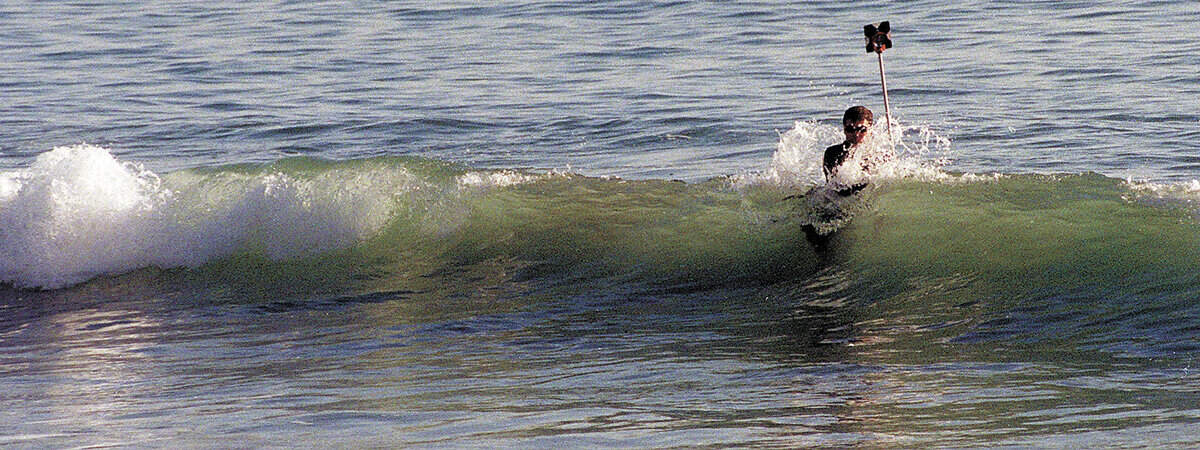
So, REACT Alliance is mobilizing the community to fight the project. On Monday, the group will protest Clean Energy Terminals’ presentation on the port at the Avila Advisory Council meeting.
“There’s very few decisions affecting offshore wind that are happening at a local level,” Rizzo said. “Everybody needs to do what they can do on their own level. If everybody kicks in at a different level, then you can effect change that way.”
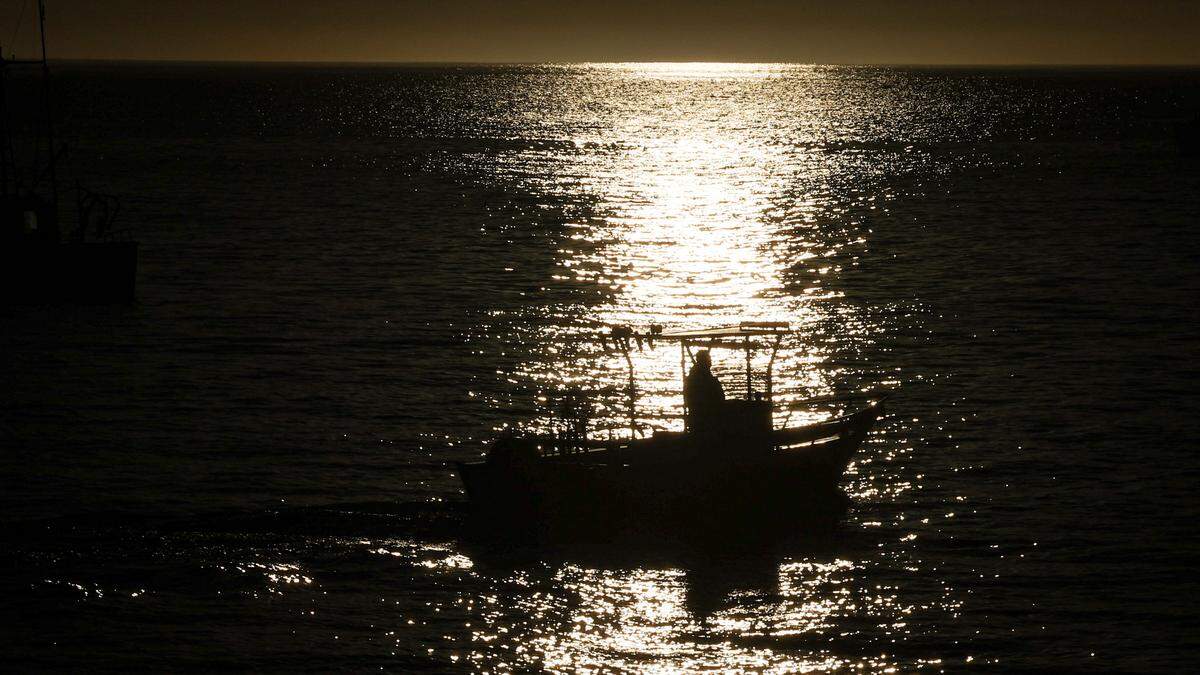
Port San Luis salmon fisherman Ross Rickard also opposes the port. He fears the bay will get crowded with offshore wind vessels — which could slow fishermen down as they navigate to their fishing grounds.
“One hour on the water can make or break your day,” he said. “Every second counts.”
After Unocal polluted the bay, Rickard doesn’t want to see another corporation industrialize Port San Luis, he said.
“The main concern would be having outside companies come in and basically exploit a beautiful place,” he said. “If they come in and ruin our environment, we’re all out of a job.”
Sabina, however, said Clean Energy Terminals is committed to protecting the environment if the company does build a port in San Luis Bay.
The company would support an environmental review process as mandated by the California Environmental Quality Act and the National Environmental Policy Act, and mitigate any negative impacts, he said.
He added that offshore wind generation reduces the state’s reliance on fossil fuels, reducing greenhouse gas emissions and fighting climate change.
“I think every source of energy generation has some degree of emission impacts,” Sabina said. “I think the question becomes, what is the scale and scope of those impacts over the lifetime of projects”
From building to operation, offshore wind projects have lower lifetime emission impacts than fossil fuel-based energy projects, he said.
“On the whole they’re much cleaner than many other sources of energy,” he said.
Watkins reminded community members that the Port San Luis Harbor District is simply in the information gathering phase of the project. Because there is no design yet, the harbor district doesn’t yet know how it could impact the environment, commercial fishing or tourism.
“It’s difficult to quantify any impacts until there’s a design, but all of those issues will be addressed as part of the project evaluation, and, of course, the permitting,” Watkins said.
She said the harbor district will hold public meetings and engage with fishermen, the tourism industry, residents and all other stakeholders once it has more information about the potential project.
“We’re trying to make sure we’re really fact-based and telling people things we believe are true,” she said. “We’re not rushing into any decisions. We are taking the time to evaluate information and have public discussion.”
This story was originally published September 9, 2024 at 5:00 AM.