Does Lopez Dam harm steelhead trout? Activists sue SLO County to protect endangered fish
Four environmental groups have accused San Luis Obispo County of operating Lopez Dam in a way that harms multiple endangered species, especially steelhead trout.
On Aug. 14, San Luis Obispo Coastkeeper, California Coastkeeper Alliance, Los Padres ForestWatch and the Ecological Rights Foundation filed a lawsuit in federal court alleging that the county violated the U.S. Endangered Species Act by damaging steelhead trout habitat.
The groups said the county released too little water from Lopez Lake into Arroyo Grande Creek to support steelhead migration to the ocean, while blocking the fish from accessing historic habitat above the dam. The activists blamed the county’s actions for a decline in steelhead trout population in the creek.
The county, however, dismissed the activists’ claims as “suspicion and conjecture” in a response filed on Wednesday. The activists didn’t provide enough evidence to prove that the county’s operation of the dam was the true cause of the trout’s decline, the county said.
The parties will present their arguments to a judge in a hearing on Sept. 18.
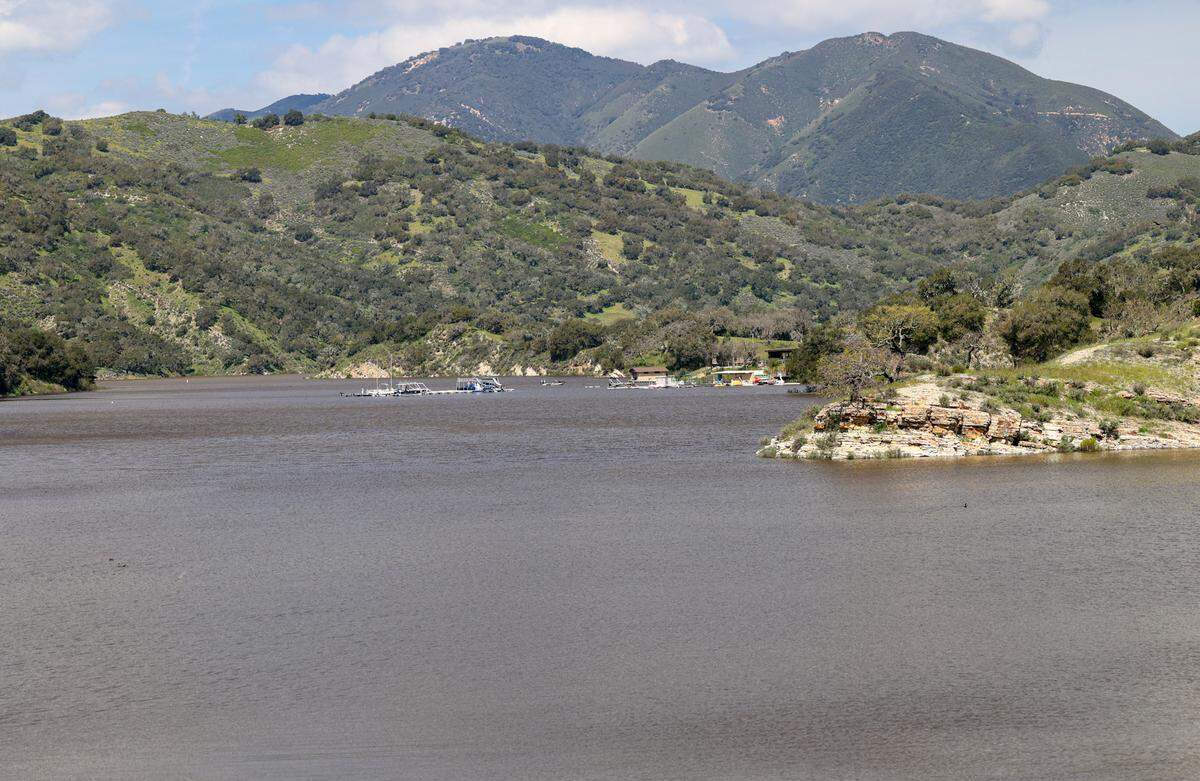
Lawsuit urges county to release water from Lopez Dam for steelhead trout
Before Lopez Dam was built in 1969, steelhead trout hatched in shaded, slower-flowing portions of Arroyo Grande Creek. The trout migrate downstream to the Pacific Ocean for their adult lives, then return to Arroyo Grande Creek to lay eggs.
“They’re amazing fish, definitely worth preserving and an important part of native culture in California,” attorney Christopher Sproul told The Tribune.
The dam, however, created Lopez Lake and blocked the fish from higher elevation areas of the river that had cooler water better suited for laying eggs and raising the newly hatched trout, the complaint said.
The county also consistently fails to release enough water from Lopez Lake into Arroyo Grande Creek to support steelhead trout migration, the complaint said. During some years, the water level is too shallow and narrow for the trout to migrate to the ocean, so they stay in the creek.
Meanwhile, dam operations damage habitat for other protected species like the red-legged frog, the tidewater goby and the southwest pond turtle.
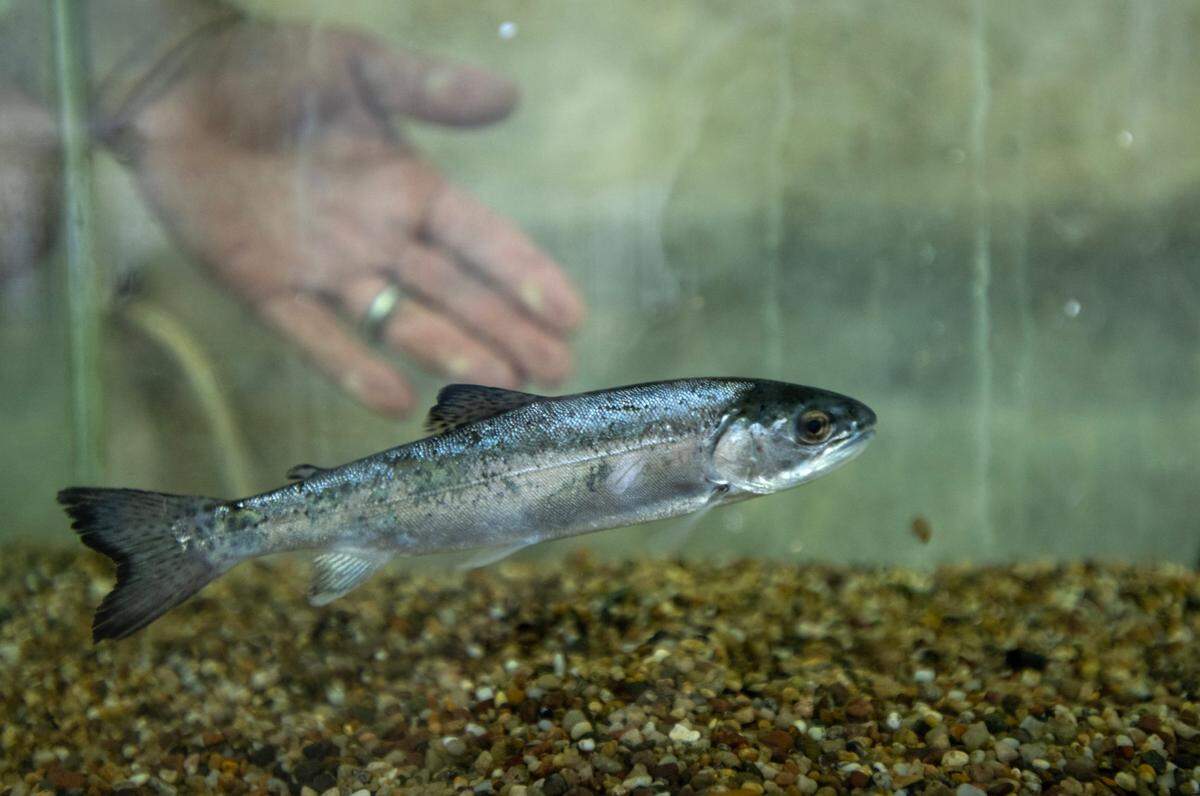
The Endangered Species Act prohibits the “take” of an endangered species, which includes habitat disruptions that could threaten an endangered species with extinction or prevent its population from recovering to a healthy level.
The dam’s impact on steelhead trout should be considered a “take” under the Endangered Species Act, Sproul said.
This would require the county to apply to the National Marine Fisheries Service for a permit to authorize the “take” of the trout. The permit process would then require the county to form a plan to mitigate any impacts to the trout and support the population’s recovery.
The lawsuit asks the court to order the county to connect steelhead trout with their original habitat above Lopez Dam.
The county could build a fishway, which would be a channel built around the dam to assist trout migration, or even remove the dam entirely, Sproul said.
“We recognize that the county needs water,” he said. “But Lopez Dam isn’t the only humanly possible way to meet people’s needs, so the solution needs to be studied.”
In the meantime, Sproul filed a motion to compel the county to release enough water into the creek to support a healthy steelhead population.
The county, however, said the activists did not prove that dam operations caused the steelhead trout population to shrink. In fact, historical data showed that the size of the trout population in Arroyo Grande Creek fluctuated even before the dam was built, the county said in its response.
“This history demonstrates that steelhead abundance in Arroyo Grande Creek is low and heavily influenced by factors other than Lopez Dam,” the response said.
Meanwhile, about 48,000 county residents rely on the Lopez Reservoir for drinking water, the county emphasized.
The activists did not provide enough evidence to prove that continuing current dam operations would cause “irreparable harm” to the trout — so the county can’t justify disrupting a critical water source for its residents, the response said.