Threat of invasive mussels means all boats will be inspected at 2 SLO County lakes
To combat the threat of invasive shellfish, the San Luis Obispo County Parks and Recreation Department is strengthening its boat inspection protocols at Lopez Lake and Santa Margarita Lake.
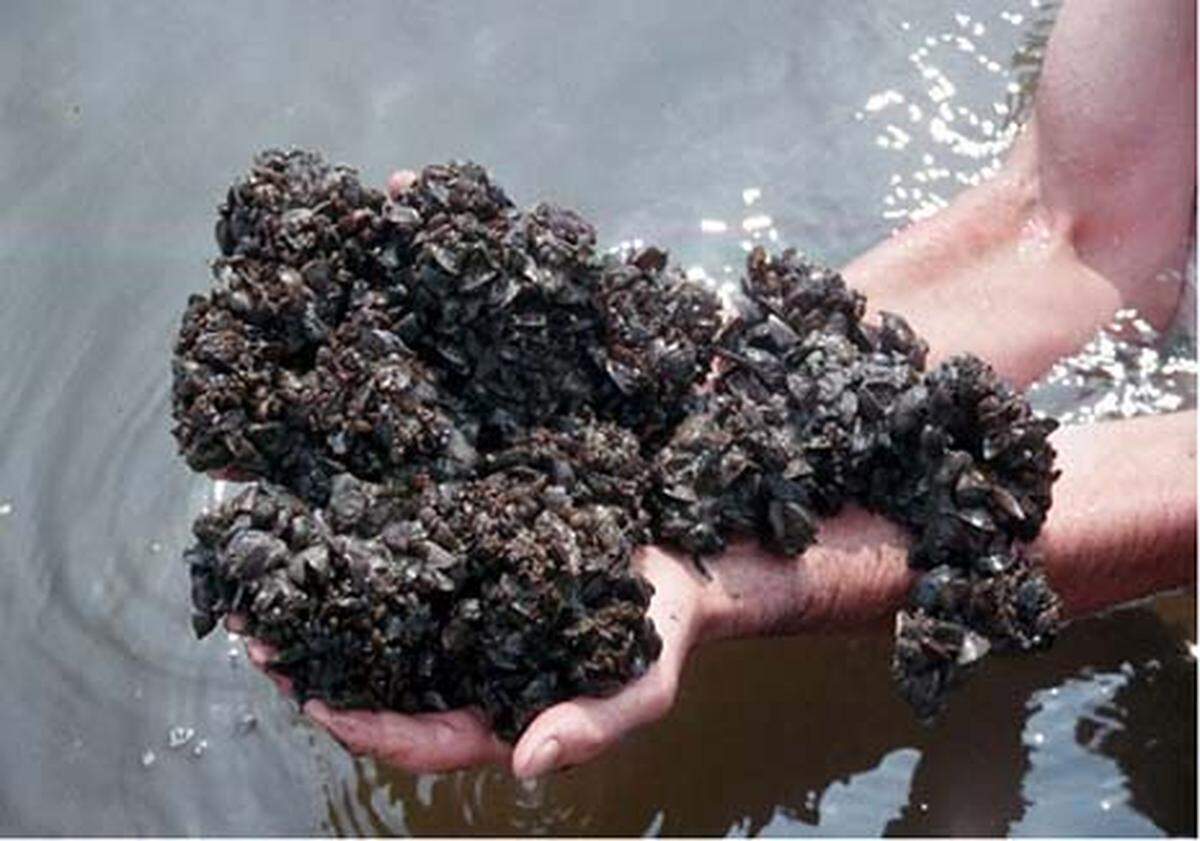
Zebra and quagga mussels, which are native to eastern Europe, attach to boats and hitchhike from one lake to another, damaging the environment and clogging water equipment, according to Lopez Lake supervising ranger Craig Duprey.
Neither Lopez Lake or Santa Margarita Lake are infected with the shellfish — and the county wants to keep it that way.
Starting Nov. 1, all boats entering the two lakes will be inspected for both mussels, he said.
“Our job is to make sure it’s not getting into the lake,” Duprey said. “The impacts can be really significant, so we’re really diligent about inspections.”
Strict shellfish inspection protocols at SLO County lakes
In infected lakes, the mussels congregate and clamp onto boats, clog pipes and carpet the lake bottom, according to Duprey. This can disrupt the food chain, damage expensive equipment and harm tourism, he said.
Infestations at other lakes have been “catastrophic,” he said.
The mussels are about the size of a dime, but larvae is microscopic and travels in water sloshing around vessels traveling between different water bodies.
Right now, when a boat has a tag showing that it passed a mussel inspection at certain lakes, that boat is allowed to enter Lopez Lake or Santa Margarita Lake without another inspection, Duprey said. Other boats are inspected for the mussels, he said.
Starting Nov. 1, however, all boats will be inspected by park rangers for mussels before entering the two lakes, Duprey said. County parks will implement the change in the fall to give boaters time to adjust to the new rule.
“We just didn’t want to throw it on them,” he said.
During the inspection, a trained park ranger checks each boat to ensure that its clean, dry and drained of all water, he said. The plug must be pulled on the bilge, and the ranger must not find any organic matter attached to any part of the vessel, Duprey said.
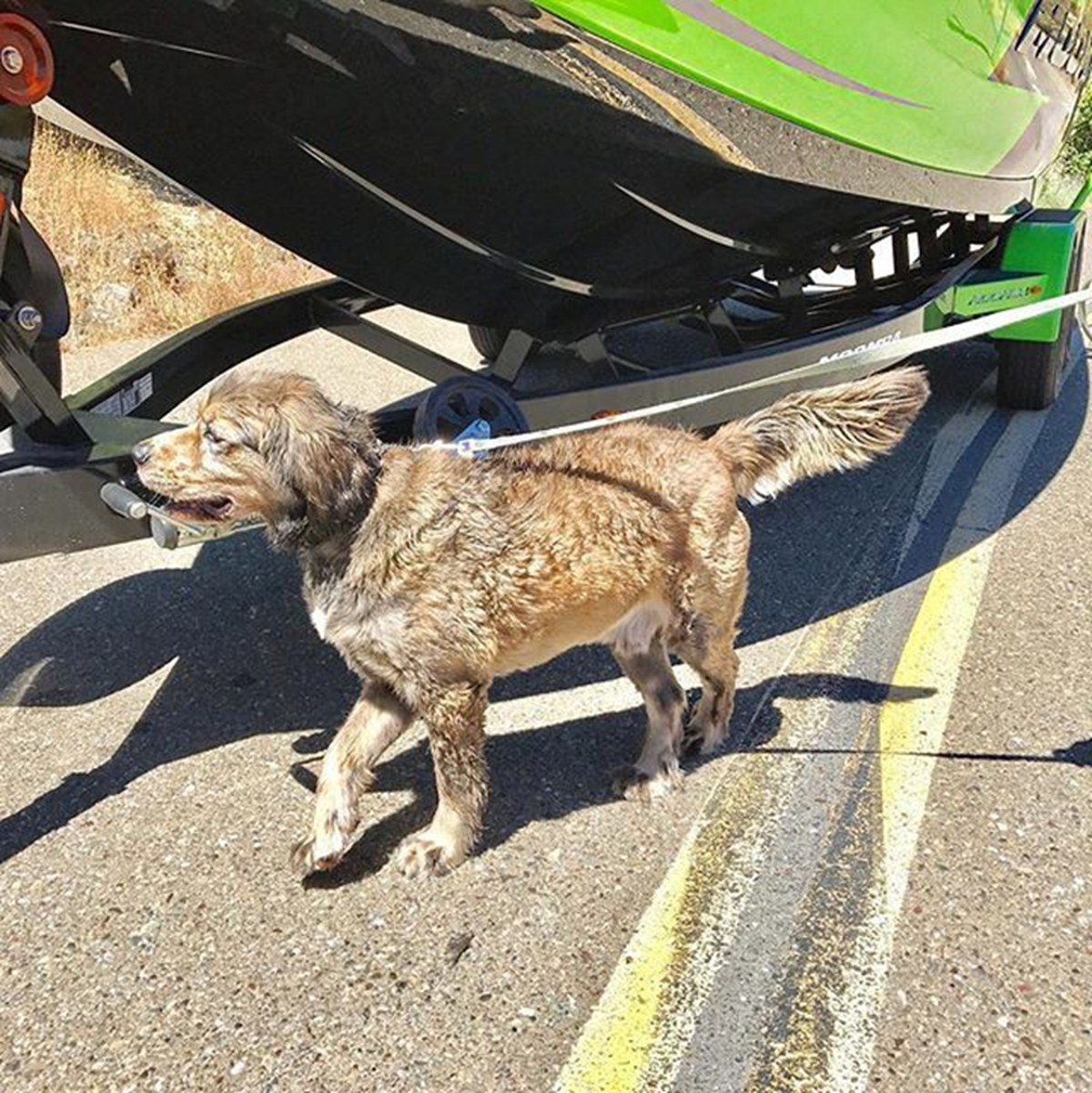
Sometimes, the park will recruit mussel-sniffing dogs to check the boats after a park ranger performs a first inspection, he said.
To prevent mussel infestations, a county news release instructed boaters to take the following precautions:
- Check boat surfaces for mussels, which feel like sandpaper;
- Wash the hull of the vessel;
- Remove plant and animal material;
- Drain water from the vessel and dry all parts of the boat;
- Clean and dry all live-wells;
- Throw away unused bait;
- Empty and dry buckets and compartments.
Grant funding to hire dogs to assist with inspections
The California Department of Boating and Waterways awarded Lopez Lake a $318,590 grant to increase staffing for invasive shellfish inspections, Duprey said.
The lake has a high calcium content, which supports the mussels in creating their shells and makes the lake more susceptible to a mussel infestation.
The grant will allow county parks to hire two new inspectors and a dog to regularly check boats for the mussels during peak boating season, Duprey said.
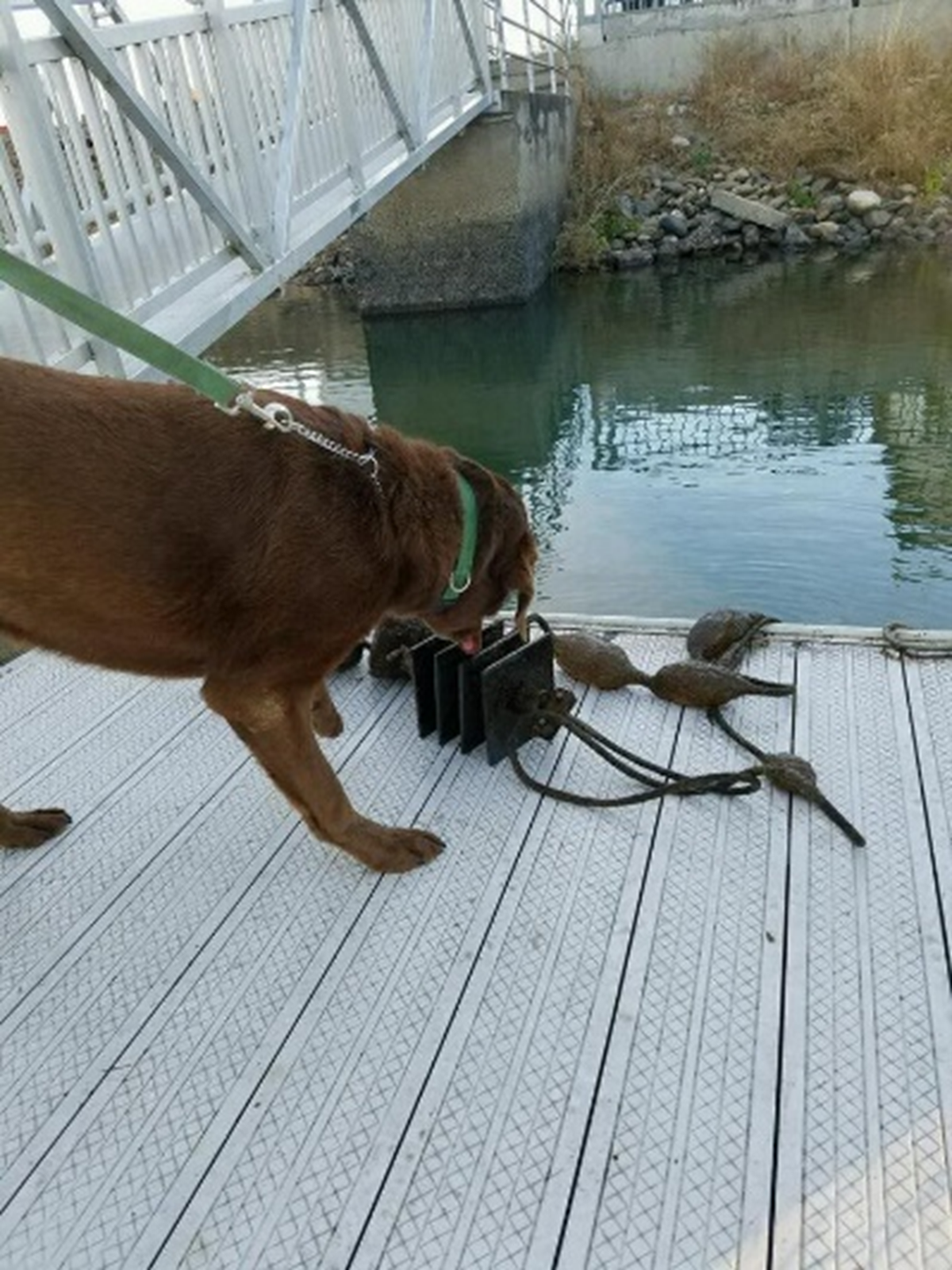
Duprey said he’s especially looking forward to a new canine on the team.
“They can sniff or smell larvae and mussels in areas we can’t see,” he said. “There’s definitely a sense of security when there’s a dog on site.”
The rest of the funding will be allocated to public outreach, including signage and brochures, he said.
The county should receive the funding when the paperwork is finalized, Duprey said. The three new inspectors, called the Resource Protection Team, will likely be hired during the fall or winter.
“Lopez rangers are excited to welcome these additional resources from the state to help further protect the reservoir,” he said.