CA Coastal Commission approves plan to end Los Osos building moratorium. What’s next?
Development could resume in Los Osos as early as next year despite community concerns about the water supply.
At a tense meeting Thursday, the California Coastal Commission voted unanimously to approve the Los Osos Community Plan, which will lift the 35-year building moratorium and set rules for development that aim to protect the water supply and sensitive habitats.
“Our hope is that we can find a way for housing development in Los Osos to be compatible with coastal resources,” Commissioner Justin Cummings said.
The San Luis Obispo County Board of Supervisors will next vote on the plan in September or October, then the commission will evaluate the plan one last time in December, according to County Supervisor Bruce Gibson.
If the plan makes it through that final round of approvals, the county could start issuing building permits early next year, he said.
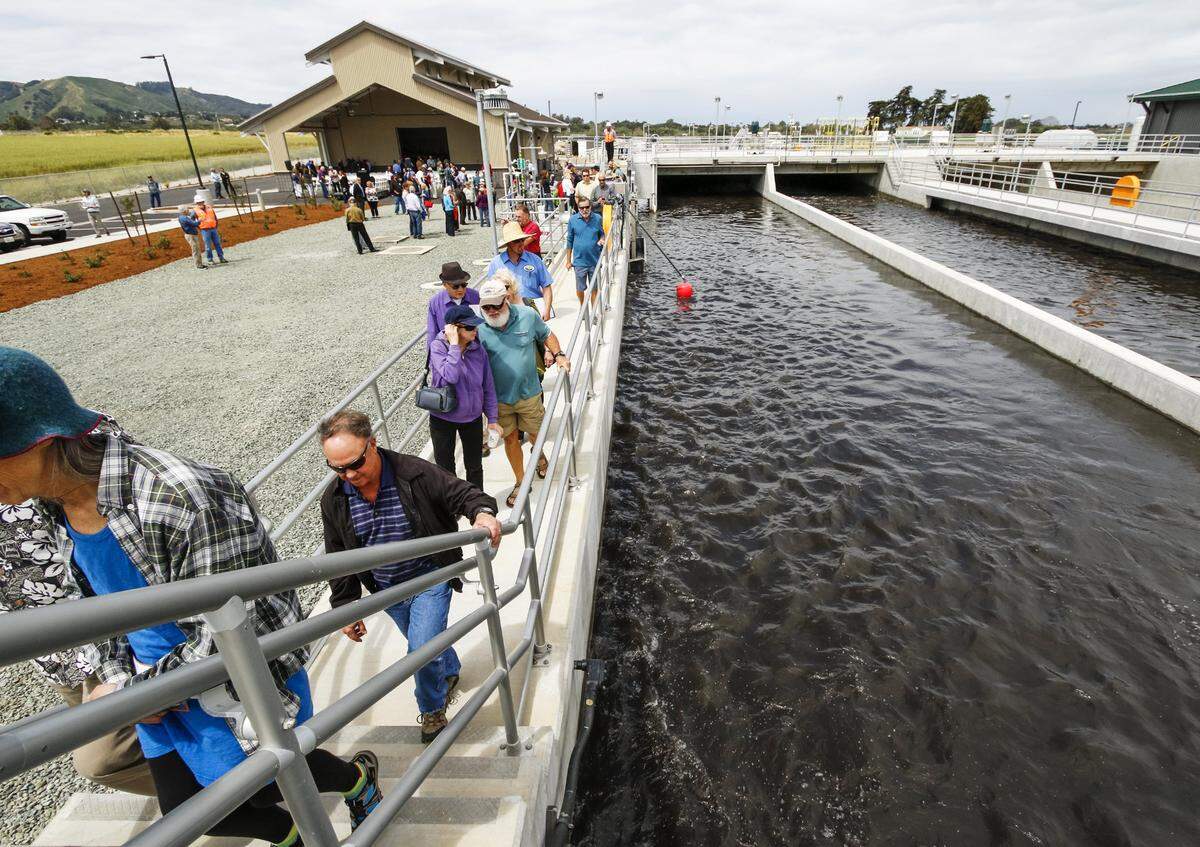
For 35 years, construction in the coastal town of 15,500 people has been effectively banned due to a limited water supply, habitat constraints and ineffective wastewater treatment infrastructure.
During the 1970s and 80s, poorly designed septic systems leaked nitrates into the community’s only water supply: the Los Osos groundwater basin. Meanwhile, a population boom overdrew the basin, and chlorides from seawater intrusion contaminated the groundwater, according to the Coastal Commission staff report.
In 1988, the SLO County Regional Water Quality Board banned new developments from installing new septic systems, essentially placing the community under a building moratorium.
The Los Osos Water Recycling Facility became fully operational in 2016, but the commission still prohibited new development from connecting to the facility until the county set rules for managing the water supply and protecting sensitive habitats.
The Los Osos Community Plan would satisfy those requirements and green-light development in the coastal community again.
Some Los Osos residents, however, said at public comment that they think the basin can’t yet support new development.
They worry that the plan doesn’t empower the county to halt development if the basin takes a turn for the worst and asked the Commission to postpone its decision.
“We all know housing is needed, but resources are needed to service that housing,” Los Osos Sustainability Group Chair Patrick McGibney said at the meeting. “It is premature to be certifying the Los Osos Community Plan.”
The audience raised their hands in silent applause to support McGibney’s comments.
What does the community plan allow?
If the Los Osos Community Plan survives the final two round of approvals, it would allow a maximum 1% growth rate for new residential units per year. That would accommodate about 50 units annually, according to the staff report.
Meanwhile, new developments must connect to the Los Osos Water Recycling Facility. Homes outside of the facility’s service area must use septic systems that meet water quality standards so they don’t pollute the basin, the report said.
New developments must be served by water within the basin’s sustainable yield and acquire a “will-serve” letter from the neighborhood’s water purveyor, the staff report said.
Finally, developers building in the town must pay a fee for disturbing sensitive habitat on the construction site. Those payments will transfer to a fund used to maintain the 1,510-acre greenbelt surrounding Los Osos.
“Every square inch of Los Osos is considered environmentally sensitive habitat area,” Gibson told The Tribune on Monday ahead of the meeting. “If you’re going to build a new house, you’re going to pay per square foot of disturbing this habitat.”
The fund offers a way for developers to mitigate the impact of construction on the environment, while creating a funding source for conserving larger swaths of wild land nearby. Meanwhile, the plan encourages developers to build on vacant lots in the town where construction would have less of an impact than in the greenbelt, the report said.
The county will plug these new rules into the existing Estero Area Plan instead of publishing them in a separate document.
Can the basin support more development?
Los Osos is only using 69% of the basin’s sustainable yield, which is the amount of water that can be pumped from the basin by certain wells without depleting the water supply and worsening seawater intrusion, according to a 2023 report by the Basin Management Committee. This means the basin is no longer in overdraft, the report said.
The committee tracks three other metrics for the health of the basin: the water level and the levels of nitrate and chloride contamination.
The basin hasn’t yet met its goals for water, nitrate and chloride levels, according to the report. Still, the trends for those three metrics match the county’s predictions and indicate that the basin will eventually meet those goals, according to San Luis Obispo County Groundwater Sustainability director Blaine Reely.
Some community members, however, were still uncomfortable with the state of the basin. Los Osos residents spoke against the plan during more than an hour of public comment.
Many residents argued that the basin is not ready for new development if it is not meeting all four of its goals. Many worried that two rainy winters recharged the basin, but a drought year would cause the basin’s health to deteriorate again.
They asked the commission to wait to approve the plan until there’s more certainty that the basin reached sustainable levels.
“You don’t take off your parachute just because you’re getting closer to the ground,” Los Osos resident Alexandra Fairfield said at the meeting. “The aquifer changes slowly, more time is needed to judge when it is safe, adequate and sustainable.”
Longtime Los Osos resident Pat West said she works tirelessly to save water — from catching rainwater to irrigate her garden to reducing the amount of water she uses in the home.
“Our entire community has made these kinds of sacrifices in hopes of improving the volume and quality of our basin water,” West said. “We have not done this so that outsiders can come in and benefit from the sacrifices that we have made.”
Gibson, however, reminded the commission that the Basin Management Committee is bound by a court order to ensure that the basin is sustainable.
“The water supply is a big deal, but under adjudication — the court has authority,” Gibson said. “So it is guaranteed that the basin will be managed to be balanced. ... Ongoing management, in perpetuity, is essentially required.”