
What sickened scores of Central Coast pelicans? Wildlife experts now know the cause
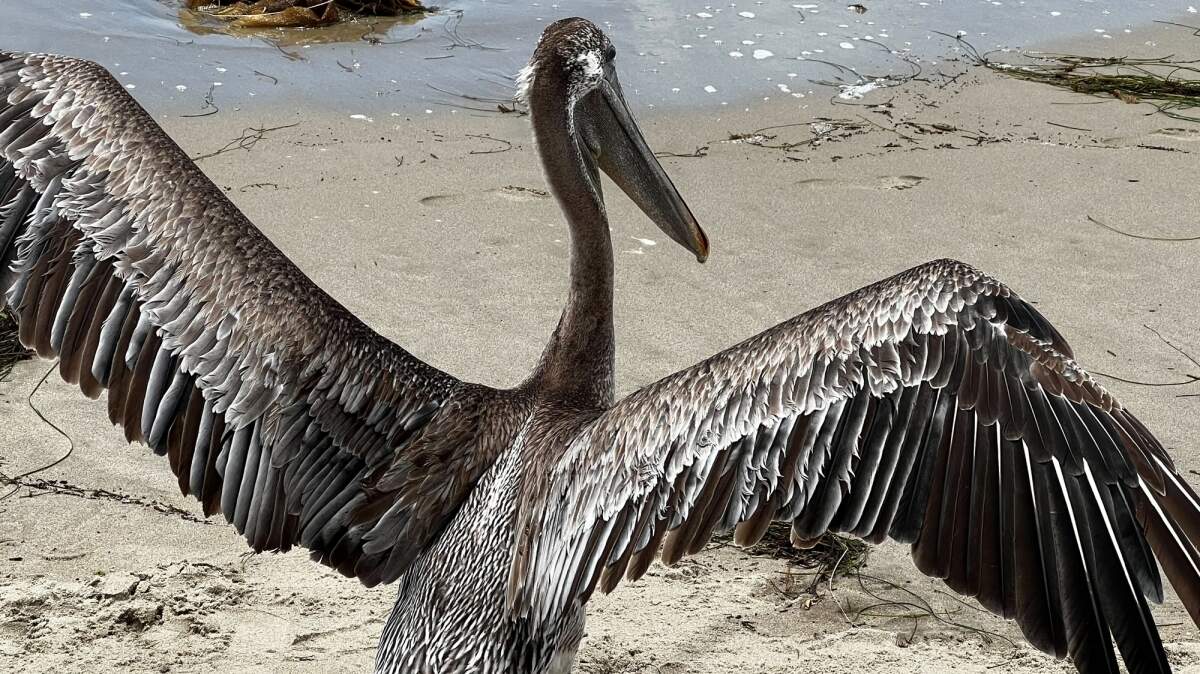
The California Department of Fish and Wildlife has determined the cause of the brown pelican crisis in California to be starvation, the department said in a news release, although factors contributing to it are still under investigation.
According to the CDFW, nearly 700 pelicans have been admitted to wildlife rehabilitation centers between Monterey County and San Diego County since May 13, and more than 130 have been released following treatment and monitoring.
“Pelicans feed primarily on anchovies, but anchovies are currently abundant, and it is unclear why these pelicans were not able to find enough prey over this relatively short timeframe in May,” the CDFW said after determining starvation to be the cause of this event. “It is possible the prolonged periods of unusually strong winds in late April and early May interfered with their ability to forage.”
The department also said that the overall population of pelicans has increased during the past several years, possibly leading to more competition for food resources among the birds.
Examinations of deceased pelicans showed no detection of diseases, toxins or avian influenza.
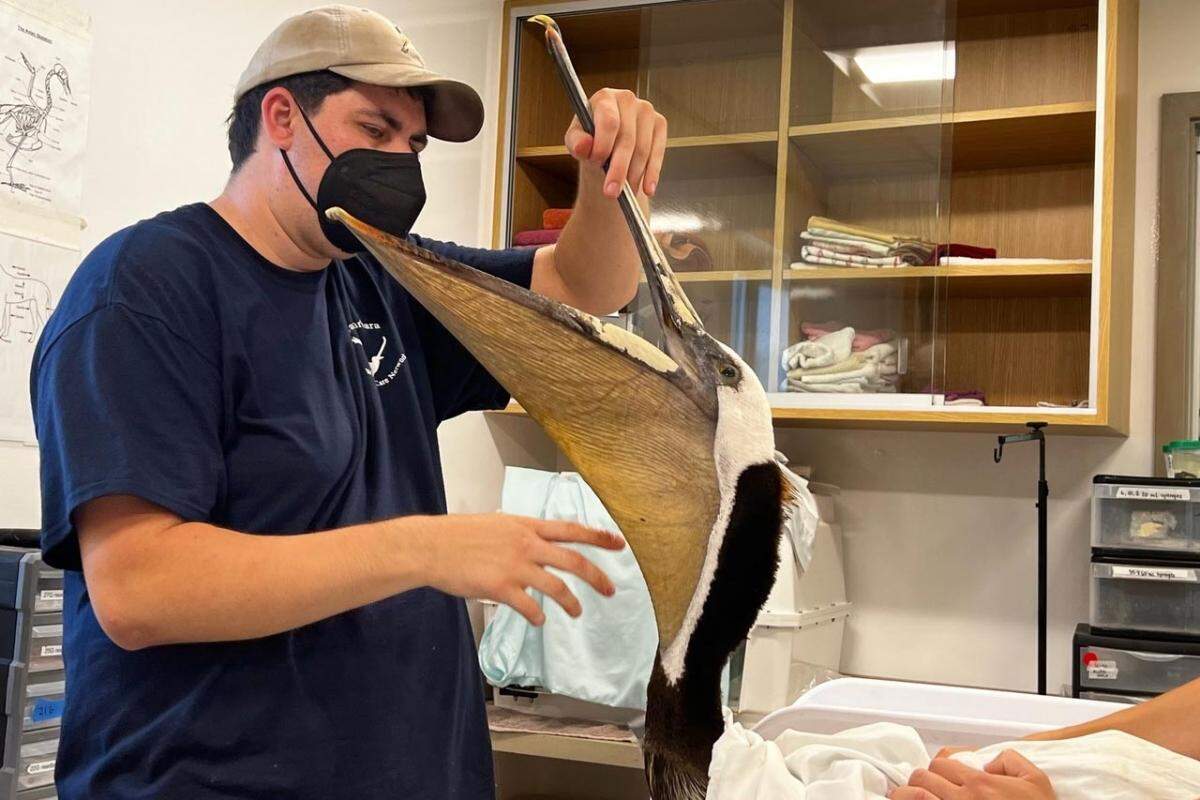
Locally, the Santa Barbara Wildlife Care Network had more than 270 brown pelicans brought into its Wildlife Hospital in Goleta, and according to a social media post from the network, it has released at least 52 brown pelicans.
“SBWCN is grateful that so many of the brown pelicans affected were healed with warmth, hydration and nutrition. The dozens of pelicans in our care certainly ate a lot of fish during their recovery,” Wildlife Care Network Executive Director Ariana Katovich said.
“SBWCN is proud to serve as a safety net for wildlife in need of rescue and rehabilitation, and we thank the community for volunteering and donating to our organization to ensure we have the resources required to respond to wildlife emergencies,” she said.
Katovich added that the network had five pelicans still in its care as of Friday.
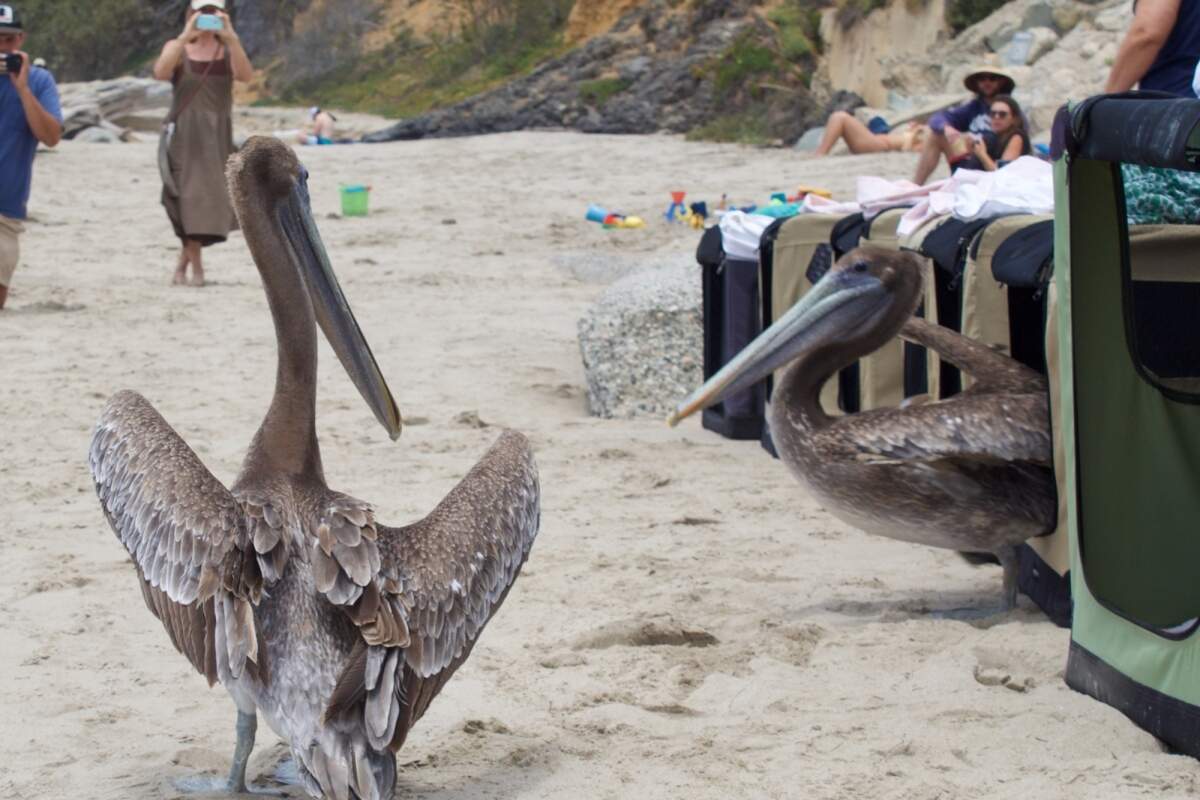
Other pelicans were transported to nearby wildlife centers for rehabilitation throughout the crisis.
Pacific Wildlife Care in Morro Bay, which covers San Luis Obispo County and bits of the southern Big Sur coast, treated dozens of ill birds.
The pelicans — which were found emaciated, dehydrated and hypothermic, with some sustaining additional injuries — were treated with fluids, food, medication, warmth and supportive care.
The CDFW said it is continuing to compile information on possible factors of the event.
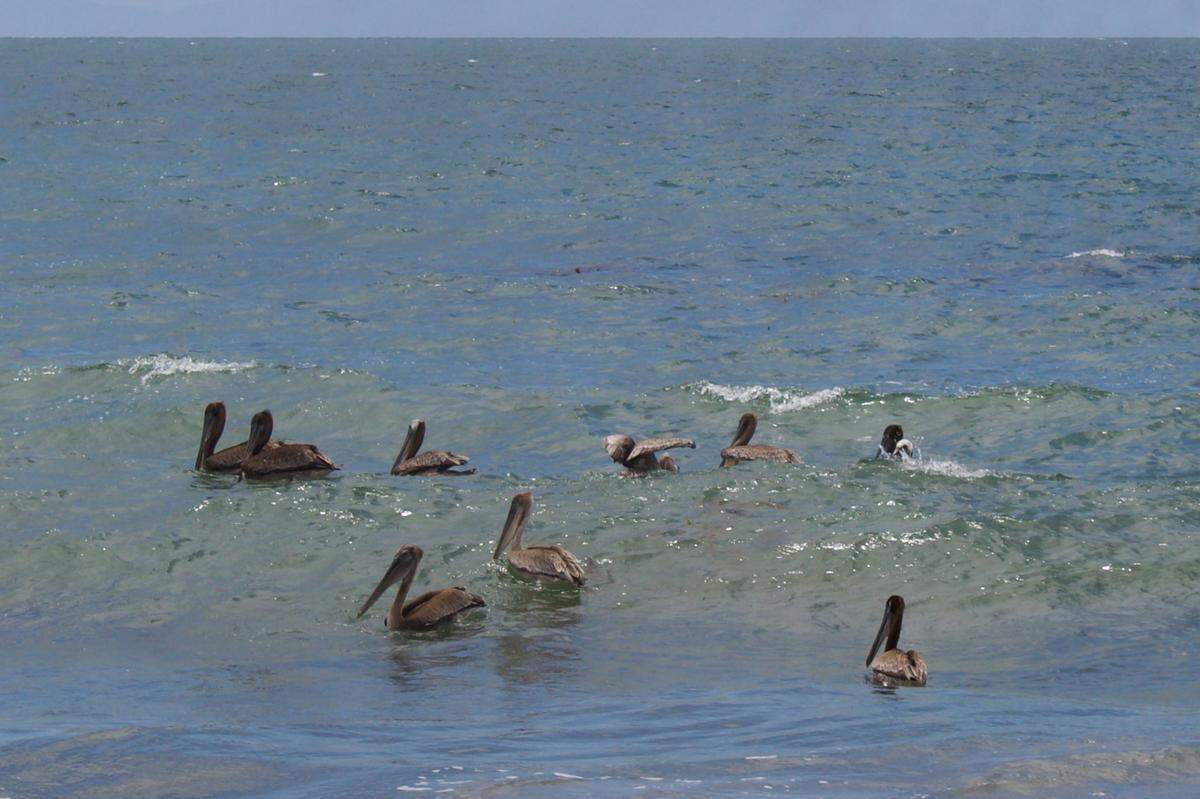
Community members who are interested in supporting the Santa Barbara Wildlife Care Network can do so by donating at sbwcn.org/donate or by volunteering, with information available on the network’s website.
Sick or injured pelicans can also be reported to the network’s helpline at 805-681-1080.