Pollution from old Avila Beach tank farm is seeping into tide pools. What should be done?
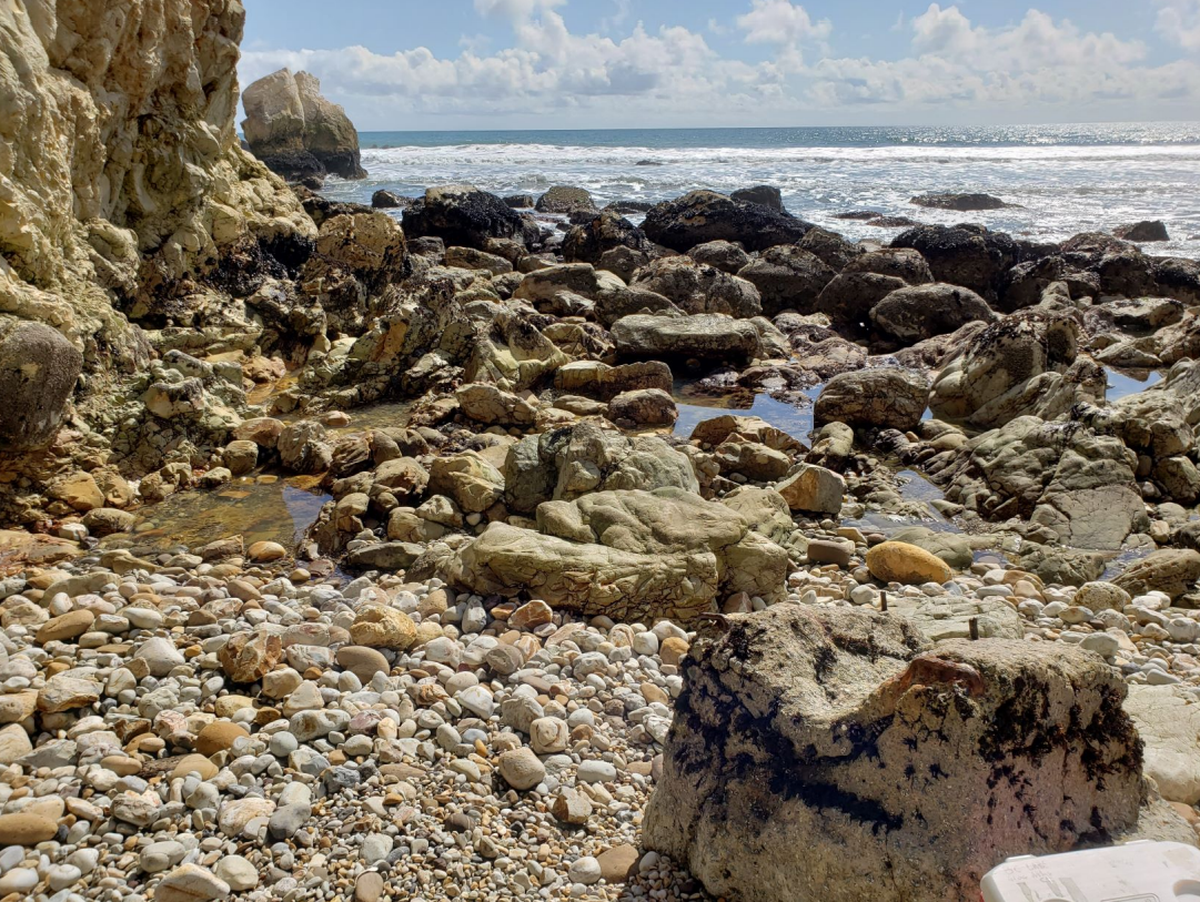
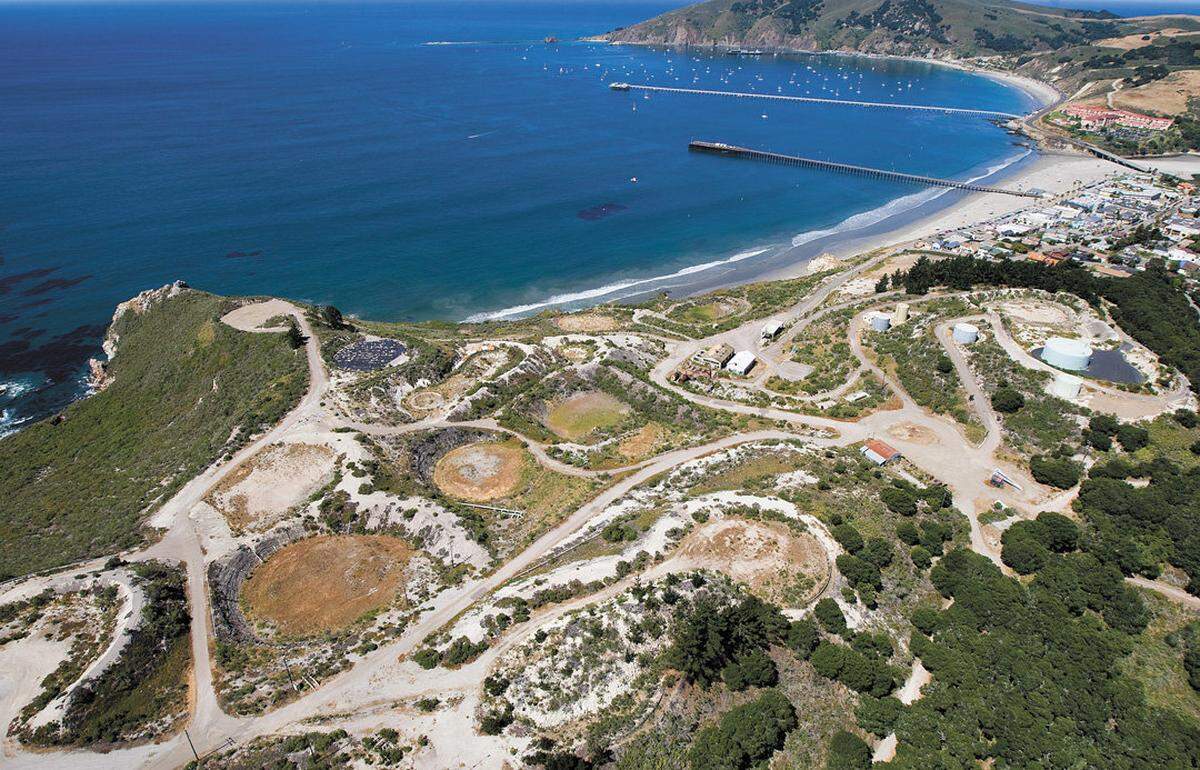
For years, petroleum hydrocarbons have been seeping from the groundwater beneath the old oil tank farm property in Avila Beach into tide pools below.
Much of the source of the pollution has been cleaned up, but an unknown amount remains. The question now is, what should be done with it and could over-aggressive remediation cause more harm than good?
The trickle of hydrocarbons — comprised of a mixture of diluted, broken-down gas from the tank farm — was discovered in May 2012 “only by a mistake,” said Dan Niles, an engineering geologist at the Central Coast Regional Water Quality Control Board.
“It was probably ongoing for a number of years before then,” Niles said. “And I just happened to catch a whiff one day.”
It’s difficult to detect the pollution, Niles said.
A faint, silver sheen can sometimes be seen in the tide pools, and occasionally there is a weak smell of old gas in the cliff area beneath the old tank farm, he said.
The sheen found on the tide pools can only be found and accessed a few times a year: during the winter and only during very low tides.
In the summer, the tide pools fill with sand and often the surf is too close to the cliffs for the tide pools to be accessed safely.
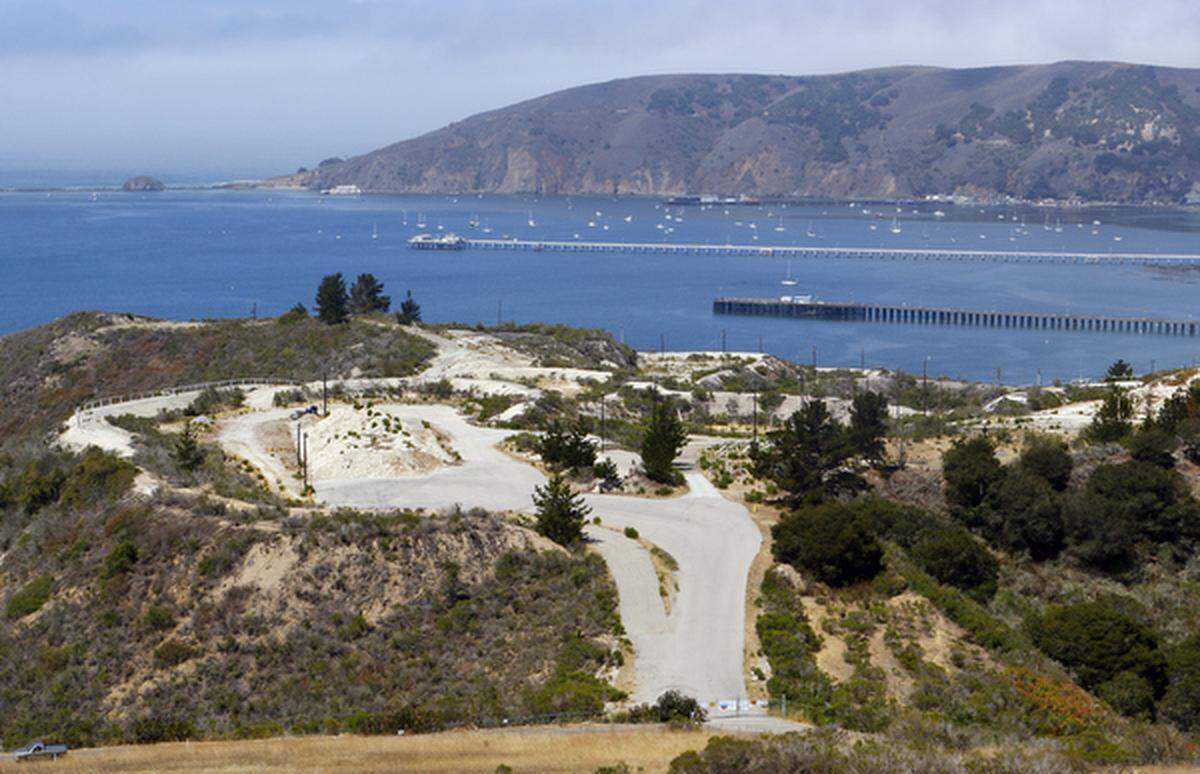
The pollution poses an extremely low health risk, according to a 2015 human health risk assessment conducted by the San Luis Obispo County Department of Public Health.
“Potential risk to public health is insignificant, safeguards are not warranted, a public notice is and was not required by the health agency, since the release does not pose an imminent threat to public health,” the risk assessment report said.
Additionally, the California Department of Fish and Wildlife’s Office of Spill Prevention and Response found in 2014 that the levels of contamination in mussels in the tide pools, the sediment and tide pool water were below toxicological benchmarks for living organisms in the area.
Neither agency has conducted health assessments since.
More pollution at old tank farm site to clean up
The oil and gas — known as total petroleum hydrocarbons — has slowly leached its way into the groundwater, or broken down into a vapor form held within the soil over the past few decades.
The pollution isn’t new, according to Niles.
It was caused by decades of oil shipping activities and spills that occurred after the tank farm was built in 1906 by Union Oil of California, he said.
The site was the largest oil shipping port by volume in the world during the 1920s and 1930s. During World War II, it was a major source of fuel oil for the U.S. Navy’s Pacific Fleet.
The tank farm was decommissioned in 1997, shortly after a major oil leak and spill in the late 1980s and early 1990s.
In 1989, about 300,000 cubic yards of crude-soaked earth was discovered, later costing Unocal about $200 million to clean up. The remediation was known as the “Big Dig,” as much of Front Street and nearby blocks were razed to excavate the polluted soil.
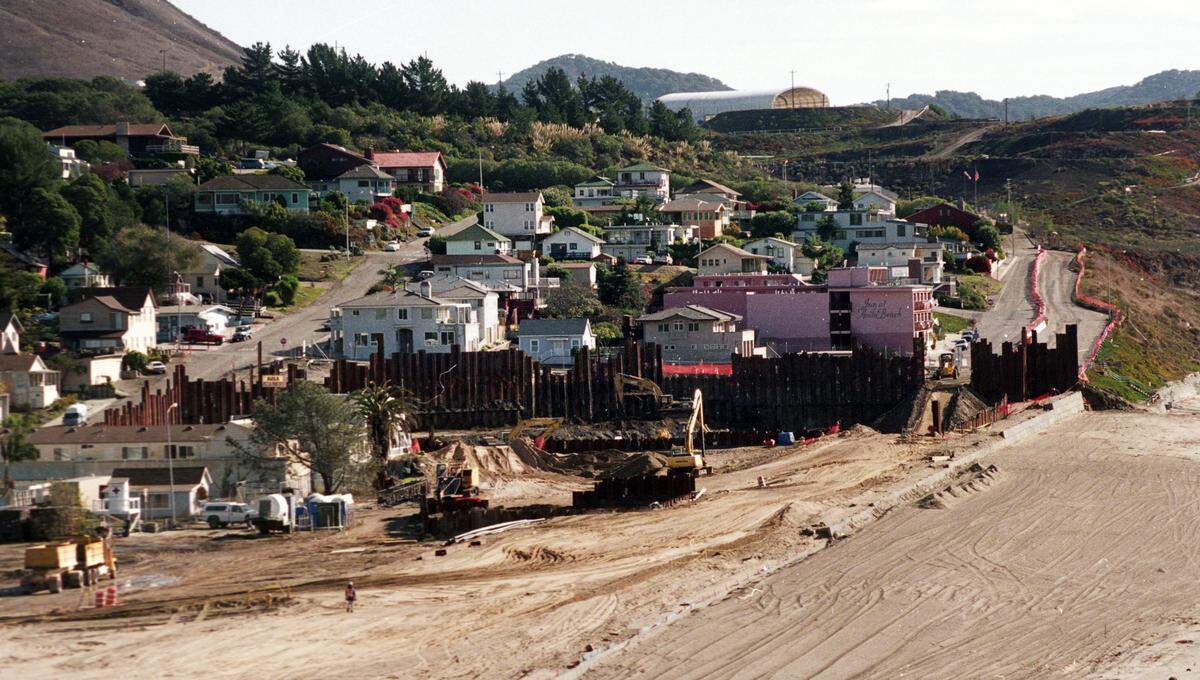
In 1992, a pipe on the tank farm broke and spilled nearly 600 barrels of oil into the ocean between Fossil Point and Pirate’s Cove.
The above-ground oil storage tanks were removed by 1999.
The pollution that is now seeping into the tide pools beneath the old tank farm originates from substances such as benzene and fuel oils that accumulated in the soil and groundwater while the tank farm was in operation.
Most of the pollution remains suspended in the groundwater and soil on the northern side of the property, where the majority of the old tanks were.
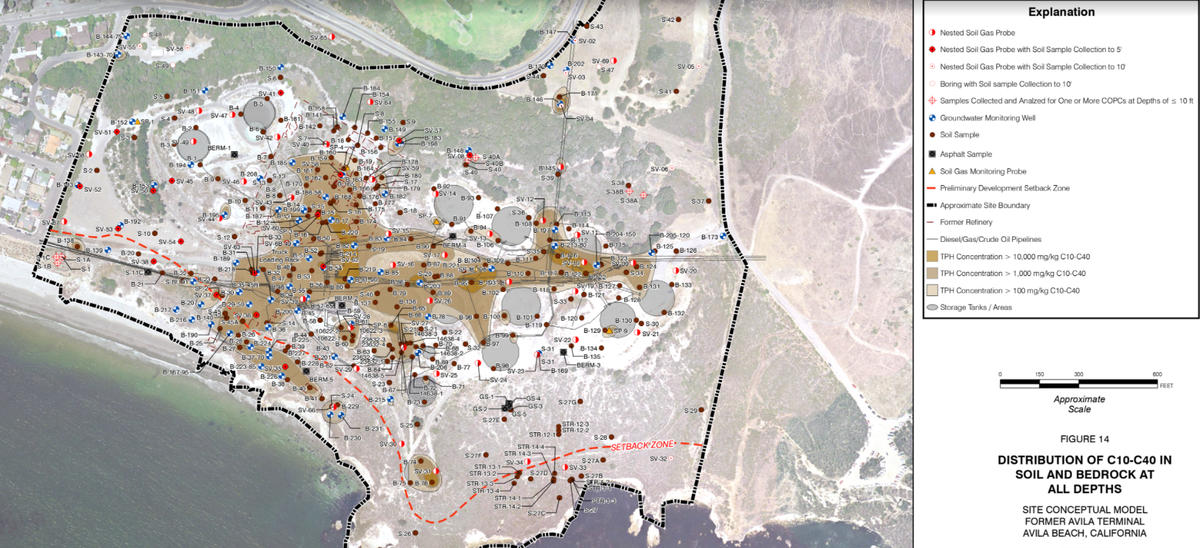
Chevron, which acquired the tank farm property from Unocal in 2005, has pumped more than 30,000 pounds of hydrocarbons from soil vapor and 700,000 gallons of impacted groundwater from the site.
It’s hard to tell how much more pollution there is left to remove, Niles said.
“Most of the mass that’s easy to remove has been removed,” he said. “So we’re kind of at that point now where we need to look around to see if there’s more to find to remove.”
Chevron now has to factor in feasibility, cost-effectiveness and climate change into any remediation efforts.
“We don’t want to just clean up something if it’s going to radically pollute the atmosphere for some marginal benefit on the ground,” Niles said.
That being said, Niles said he expects the remaining remediation of the site to be done within the “next year or so.”
Future development on Avila Beach property still up in the air
Chevron is working on drafting a feasibility study that would outline the next steps in the remediation efforts and eventually allow for future development of the site.
A previously proposed 232-unit resort is no longer an option, according to Chevron spokesperson Jeff Moore, due to the traffic impacts it would have on the town.
“Chevron is no longer pursuing the resort plan,” Moore said. “We heard all the feedback from the community and their concern. And so what we’re doing right now is we are developing a new conceptual plan which we’ll bring back to the community to get feedback and try to move forward on redeveloping the site for some beneficial use.”
That plan is expected to be submitted to the Central Coast Regional Water Quality Control Board by the end of the year.