
Styrofoam breaks into bits and litters the ocean. SLO County might ban it
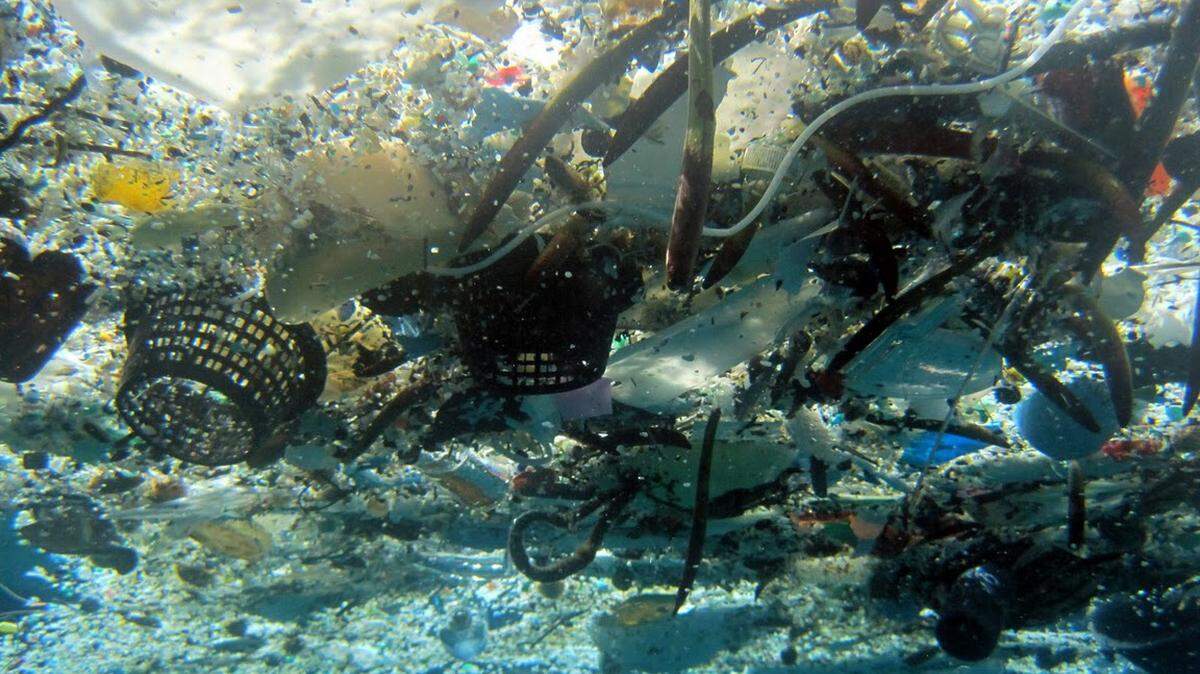
Five cities in San Luis Obispo County have already banned the use and sale of Styrofoam-type food containers — legislation that soon could be countywide.
That would likely reduce the flow of small pieces of floating plastic garbage that travel through storm drains out to the ocean, where marine animals easily mistake the debris as food. Local businesses would need to find alternative to-go containers, which could be more expensive.
The question of whether to adopt a countywide ban on expanded polystyrene, commonly called Styrofoam, will be considered by the county Integrated Waste Management Authority Board when it meets at 1:30 p.m. Wednesday at the County Government Center in San Luis Obispo. The 13-person board includes all five county supervisors, one representative of each of the seven cities and a representative of community services districts.
If board members decide to ask staff to draft an ordinance, it could be adopted as early as July and would be in effect in all areas of the county where a ban isn't already in place.
Activists see this as opportunity for the local community to take action on a global issue.
"Plastics have become the number one issue in ocean-related pollution and we can stop that, or at least start to address our part, by stopping the source of polystyrene foam and plastics at the retail and restaurant level," said Janine Rands, an activist with SLO Foam Free.
Food and drink containers made from polystyrene are not biodegradable, yet they can easily break into small pieces that can be harmful to fish and wildlife.
In addition, the containers are manufactured with a substance that can leach a potentially carcinogenic chemical into food and drinks when heated or when coming into contact with hot foods, according to IWMA staff.
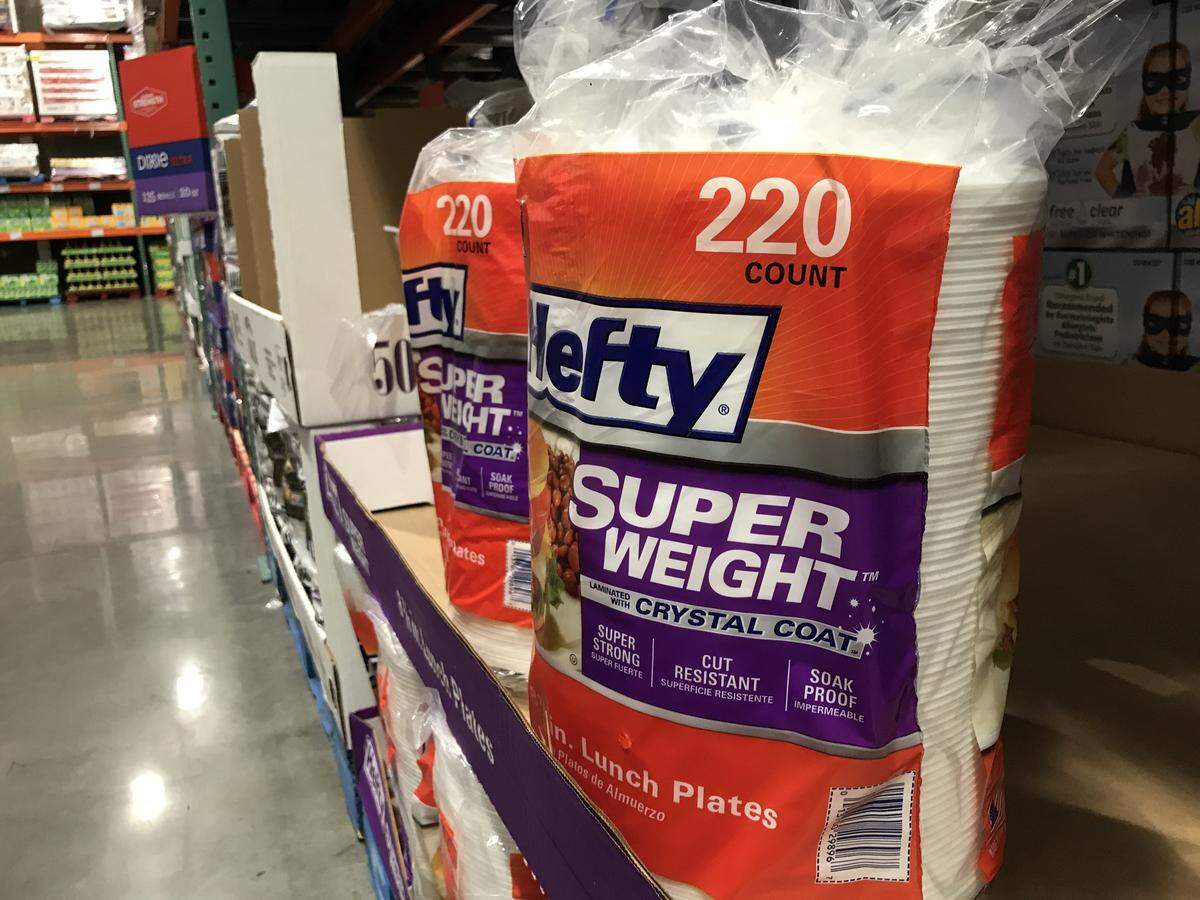
A ban would likely reduce the amount of foam trash found in the local environment; according to a study, Santa Clara Valley experienced a 74 percent decrease in polystyrene food service ware in 53 local storm drains after a local ordinance was passed.
But, IWMA staff warns, alternative products could be more expensive for small businesses that would likely pass the cost on to customers in the form of higher prices.
Supervisor Bruce Gibson, who asked the IWMA board to consider the issue, said food establishments are still in business in places that have adopted a ban.
"As a coastal supervisor, the thing that strikes me is this stuff never breaks down. It just breaks into tiny pieces. It's bad for fish and other marine animals," Gibson said.
He said he asked the IWMA to consider a ban instead of the Board of Supervisors because "it seems clear to me that the likelihood of getting this done was greater through IWMA."
The city of San Luis Obispo adopted a polystyrene ban three years ago. Pismo Beach, Arroyo Grande, Morro Bay and Grover Beach have since adopted similar ordinances.
All of those ordinances include the following:
- Food providers may not provide food in a container made from expanded polystyrene.
- Disposable food containers made from expanded polystyrene are prohibited from use in government facilities.
- Government contractors may not provide prepared food in disposable containers made from expanded polystyrene.
- Food containers shall instead be biodegradable, compostable or recyclable.
Both Atascadero and Paso Robles have been asked to consider bans. The city of Atascadero, in a letter from the city manager, Rachelle Rickard, urged IWMA to adopt the ordinance to avoid piecemeal legislation throughout the county.
Monica Vaughan: 805-781-7930, @MonicaLVaughan
This story was originally published May 7, 2018 at 5:41 PM with the headline "Styrofoam breaks into bits and litters the ocean. SLO County might ban it."