Cal Poly fraternity suspended after hazing, underage drinking accusations

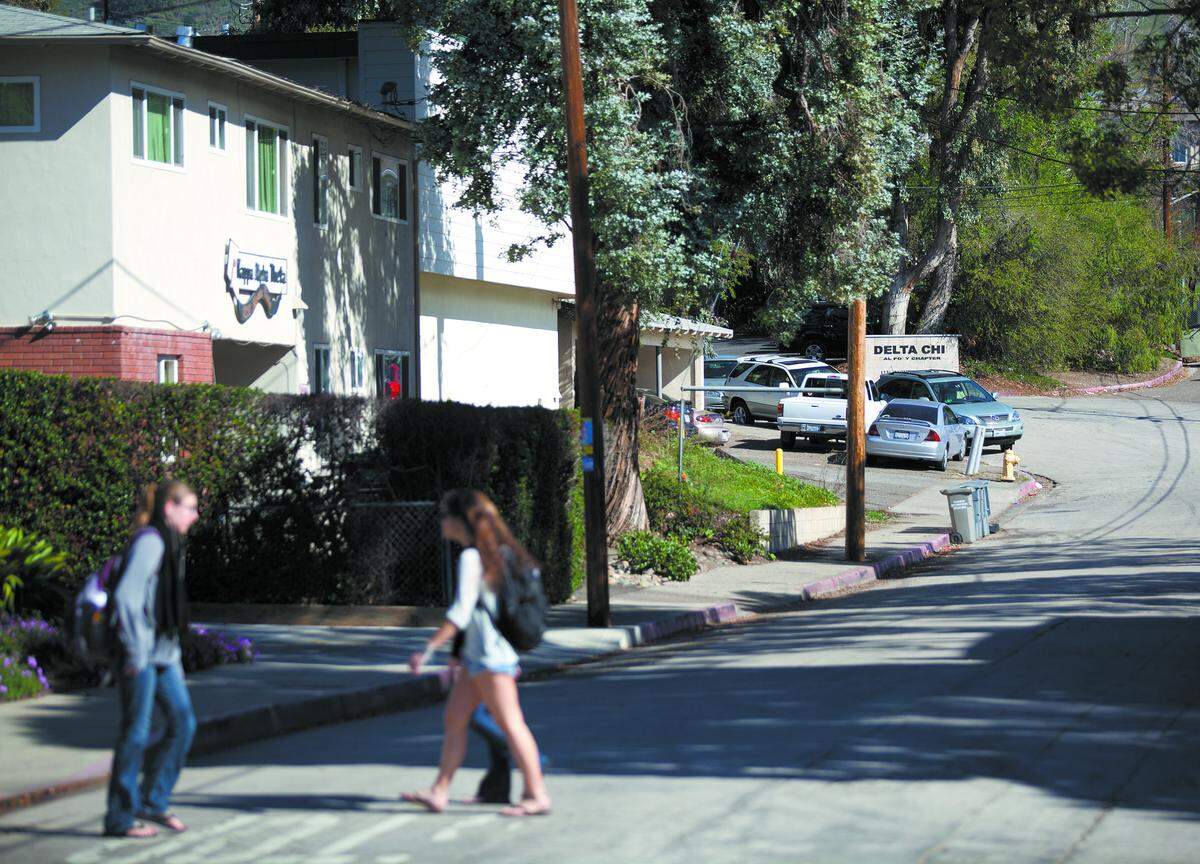
Cal Poly’s chapter of the Sigma Pi fraternity was suspended this week due to accusations of hazing and underage drinking, according to the university.
Sigma Pi was suspended on Monday, according to university spokesman Matt Lazier. The suspension will last until June 15, and the fraternity will be on probation through the spring of 2020, Lazier said.
Lazier said university officials began investigating the chapter after receiving reports that Sigma Pi hazed pledges in the fall, “actions that included the humiliation of its pledges, causing mental and emotional distress,” Lazier wrote in an email to The Tribune.
It’s unclear what specifically took place. Lazier declined to release the details of the incident report, citing student privacy laws.
Hazing is defined by the university as a method of initiation or pre-initiation into a student organization or student body likely to cause serious bodily injury and in addition “cause physical harm, personal degradation or disgrace resulting in physical or mental harm” to any former, current or prospective student.
The university also found that the chapter provided alcohol during its recruitment and pledging processes, including events where guests under the age of 21 “had access to and were provided with alcohol,” Lazier said.
Lazier said the hazing didn’t involve alcohol, and was a separate violation from the furnishing of alcohol to minors.
No crimes will be charged
Although hazing can be charged as a crime in California, the university has not referred the matter to law enforcement based on its evaluation of the situation.
“In this instance, the hazing did not involve alcohol and was not deemed a sufficient health and safety risk to warrant a criminal report,” Lazier said. “Separately, while alcohol was present and provided at fraternity gatherings involving minors, it was not furnished directly to minors, nor were minors forced to drink.”
The rundown of the fraternity’s misdeeds, cited by the university, includes the following: “violation of registered student organization code of conduct, violation of health and safety, violation of alcohol use, violations of law, violation of hazing & conspiracy to haze,” according to the university’s website.
In the case of a hazing complaint, Cal Poly’s Office of Student Rights and Responsibilities investigates the incident — working with Fraternity and Sorority Life and the fraternity or sorority chapter’s national headquarters — and determines whether the student code of conduct was violated and, if so, what are the appropriate sanctions, Lazier said. The decision is then delivered to the organization.
Cal Poly has asked Sigma Pi’s national headquarters to conduct a review of the chapter’s membership, Lazier said.
The chapter’s executive board also must complete risk management training through Cal Poly’s Fraternity and Sorority Life Office during the fall 2019 quarter, Lazier said.
“Failure to do so could result in a violation of the organization’s probation and result in additional sanctions,” he said.
The Starkeys react
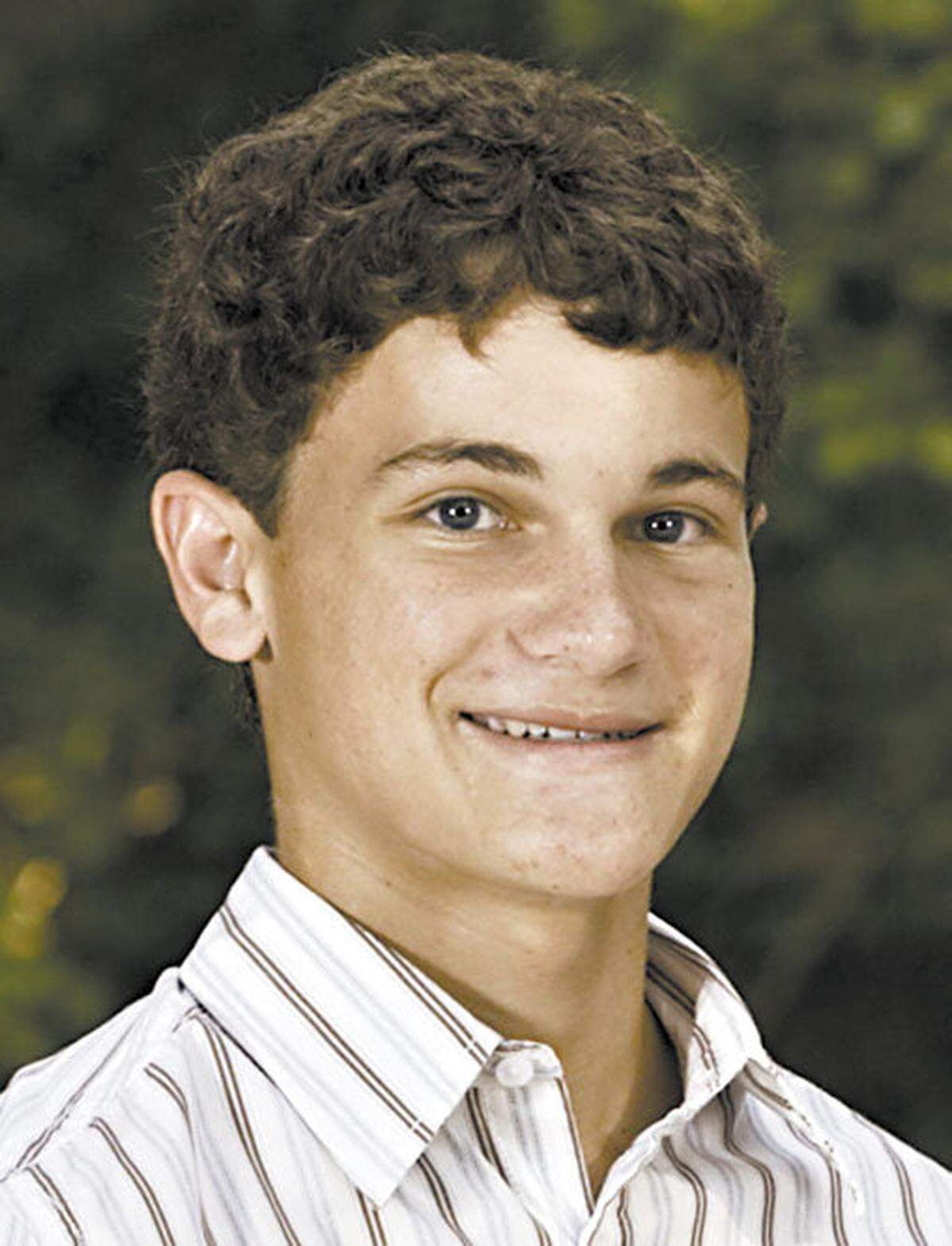
Scott and Julia Starkey, parents of 18-year-old Carson Starkey who died in a fraternity-related alcohol hazing in 2008, urged in an email that continued efforts strive toward preventing abuses and hazing.
“It’s really unfortunate that hazing continues to happen even at Cal Poly, but I think there is something to be said about the fact that someone came forward and reported it, and the group is being held accountable before anyone got seriously hurt,” they wrote. “Cal Poly has anonymous reporting systems for things like hazing and has ramped up educational efforts.”
The Starkeys also told The Tribune they felt “heartbroken” by the death of Noah Domingo, an 18-year-old UC Irvine student and Sigma Alpha Epsilon fraternity member, found on Jan. 12 following a large party at a house near campus (the fraternity there has been placed on suspension). Sigma Alpha Epsilon was the same fraternity that Carson Starkey was pledging at the time of his death.
“We think everyone across the country is looking around thinking that what we’re currently doing just isn’t cutting it,” the Starkeys wrote. “There are many barriers to overcome to get our young people to pay attention to all the social issues that surround them — if it’s not an alcohol-related death, it’s a sexual assault incident we’re hearing about, or something of the like. These tragedies persist year after year.”
With Us aims to prevent future deaths and harm
Late last year, around the 10th anniversary of their son’s death, the Starkeys started the national organization With Us encouraging bystander intervention in situations of potential sexual abuse, alcohol overdoses, hazing and discrimination. The organization is aiming to research and develop programs that are effective with today’s students.
“In our opinion, we can do better by placing greater emphasis on creating cultures of helping one another,” the Starkeys said. “At the core of these problems, we have passive bystanders that allow this behavior to happen.”
They said in most cases, there is typically always an aggressor, a potential victim, and a bystander — and the organization’s goal is to empower the bystander to be an upstanding citizen who takes action earlier “before these problems progress into people being killed and seriously harmed.”
Challenges universities face include educating new crops of students every two to five years to establish awareness, and the Starkeys added that “even the campuses that are working hard to do the right things are still finding that the problems persist.”
“You hope those that need to hear the message will get it, but with over 20,000 students, it’s very difficult to reach every individual in meaningful ways,” the Starkeys said.
This story was originally published January 16, 2019 at 9:32 AM.
%20Cropped.jpg)