2 brothers faked alibis to hide killing of woman in SLO County, witnesses say
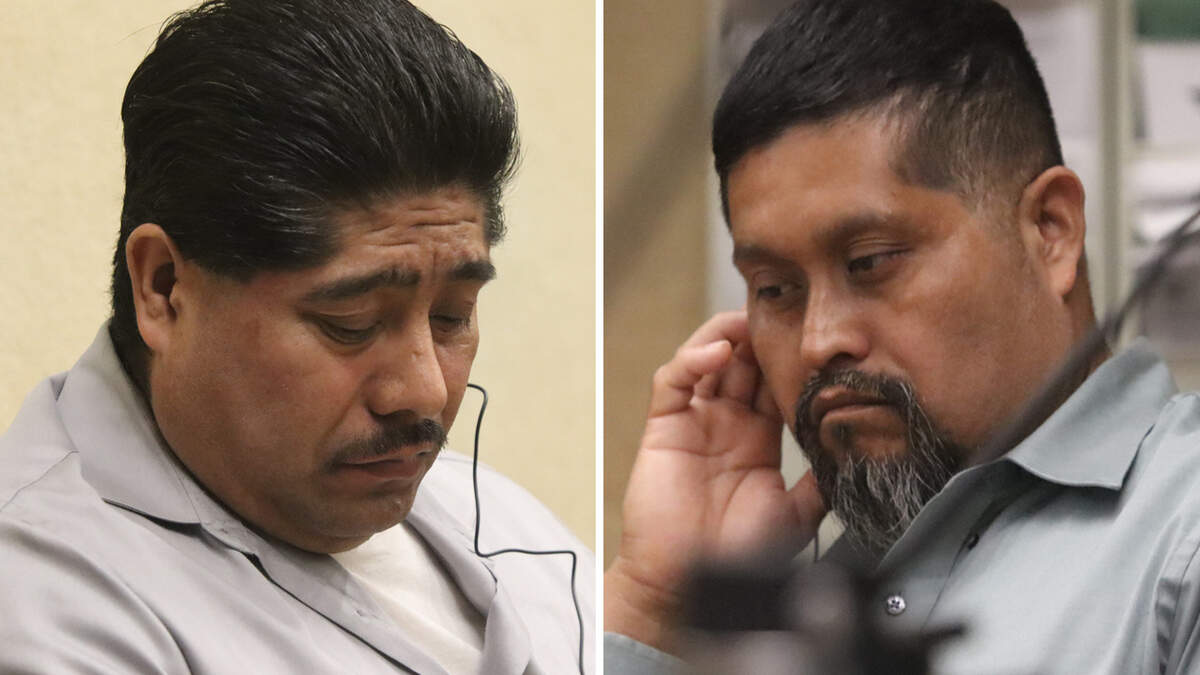
Two brothers accused of murdering a Coalinga woman and torching her car will face trial, a San Luis Obispo County Superior Court judge ruled Friday after a multi-day hearing.
Infidelity, jealousy and lies motivated the crime, prosecutors argued in court.
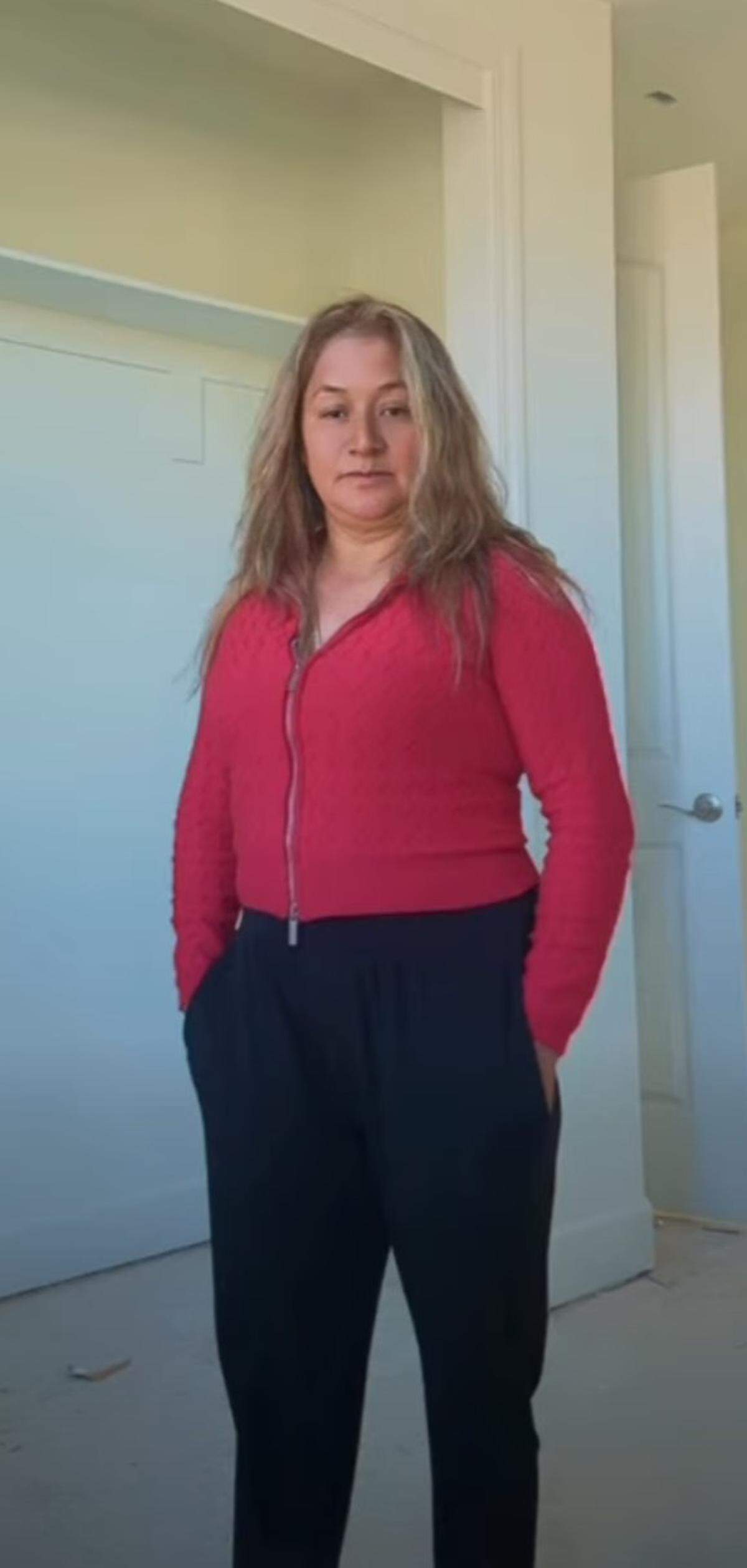
Brothers Alejandro Soriano Ortiz, 45 of Coalinga, and Celestino Soriano Ortiz, 41 of Santa Maria, were both arrested Oct. 11 in connection with the killing of 50-year-old Isabel Lucas Velasco, who disappeared from an Arroyo Grande jobsite about a month prior on Sept. 12. She is thought to have been killed that night.
Her body, with a broken neck and stab wounds, was found on Oct. 11 wrapped in black plastic with one foot sticking out of the dirt, in a shallow, haphazard grave along Highway 198 west of Coalinga, an investigator testified Friday. The plastic was consistent with heavy-duty, black trash bags found inside Alejandro’s truck, according to court documents.
Alejandro Soriano Ortiz was believed to be Lucas Velasco’s boyfriend. According to testimony from one investigator, Alejandro Soriano Ortiz was married and having a secret affair with Lucas Velasco.
Detectives believe Alejandro saw a Snapchat message on Lucas Velasco’s phone from another man that read “What’s going on my love” in Spanish around 4 p.m. on Sept. 12 and killed her as a result shortly after.

The brothers appeared in court for their joint preliminary hearing starting last week, which spanned three days from Thursday to Monday. A preliminary hearing is the first time evidence in a case in presented to the public, and where the judge decides if enough evidence exists to carry the case to trial.
Thirteen witnesses took the stand, including friends and loved ones of the suspects, Sheriff’s Office deputies and interestingly, a LexisNexis representative, who gave a presentation on how cellphone records tied to cell tower data were used to geolocate the suspects on the days of and after the alleged murder.
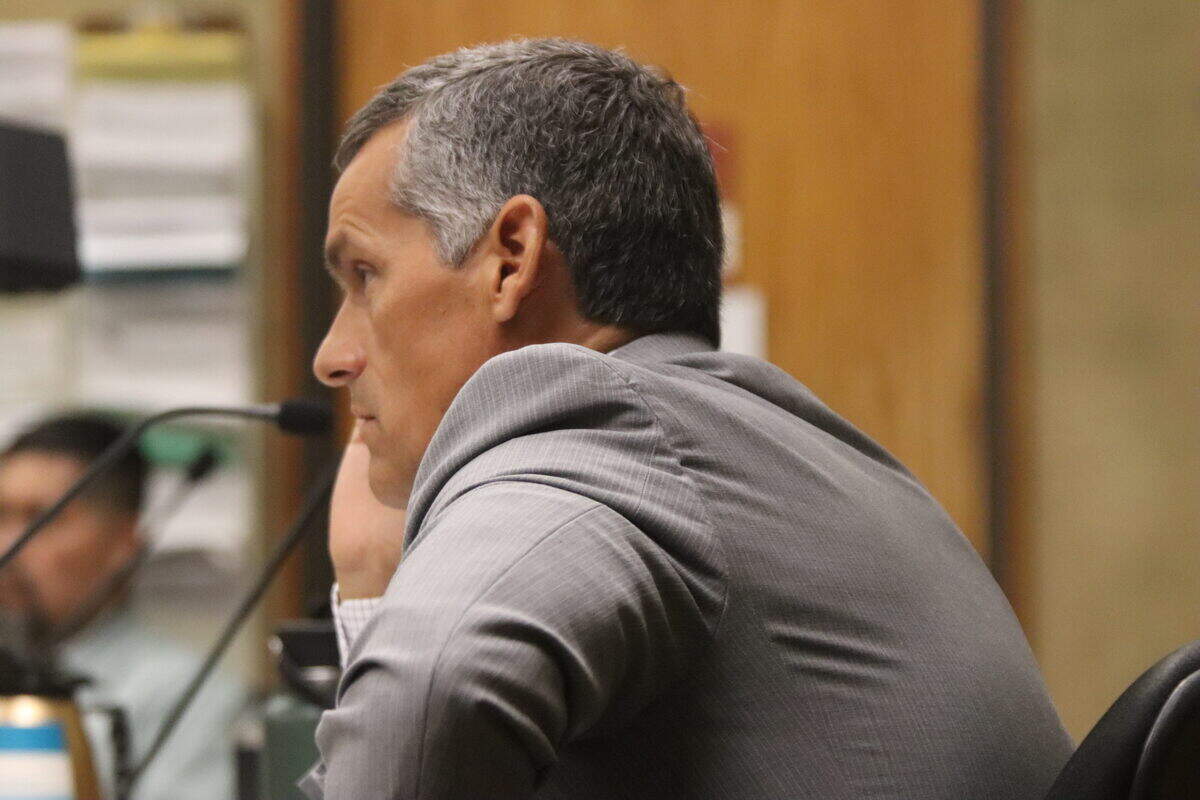
“The evidence indicates Mr. Alejandro Soriano Ortiz suspected that Ms. Velasco was unfaithful based on some social media exchanges, and that at some point between the area of the jobsite off Lopez Drive in rural Arroyo Grande and Paso Robles that Mr. Alejandro Soriano Ortiz killed her,” Assistant District Attorney Eric Dobroth said in his opening statement.
“Sometime thereafter, he summoned his brother, Celestino Soriano Ortiz, to come and help him,” Dobroth added later in his statement.
While Dobroth argued that “an interesting amalgamation of electronic data” provided evidence to prove the brothers committed the crime, the defense argued there were “gaps” in the prosecutions’ argument.
“Nowhere was there evidence presented via text or a wiretap ... that he said anything that he had guilty knowledge that he was involved in the criminal enterprise, that he knew what had happened and what he was engaging in,” Celestino’s defense attorney Paul Phillips said in his closing statement.
According to the complaint filed by the San Luis Obispo County District Attorney’s Office, Alejandro allegedly filed a fraudulent insurance claim after he allegedly murdered Lucas Velasco and set fire to her car. He was charged with murder, arson with the intent to defraud, and insurance fraud.
His brother, Celestino, was also charged with arson with the intent to defraud and accessory after the fact, meaning he is alleged to have helped his brother hide the murder, as well as misdemeanor possession of methamphetamine, the complaint said.
They both pleaded not guilty to all the charges.
Both brothers were also charged with forging a U.S. Permanent Resident Card, also known as a green card, which included a counterfeit government seal, according the complaint said, and had spoken about fleeing to Mexico on phone calls intercepted by the Sheriff’s Office, a court document said.
Immigration and Customs Enforcement issued detainers for both men to the San Luis Obispo County Sheriff’s Office. State law prohibits local law enforcement from cooperating with ICE detainers expect for inmates with qualifying convictions, including murder and arson.
The Sheriff’s Office previously told The Tribune the agency would cooperate with ICE upon request only if the men are convicted.
Both men have remained in custody without bail.
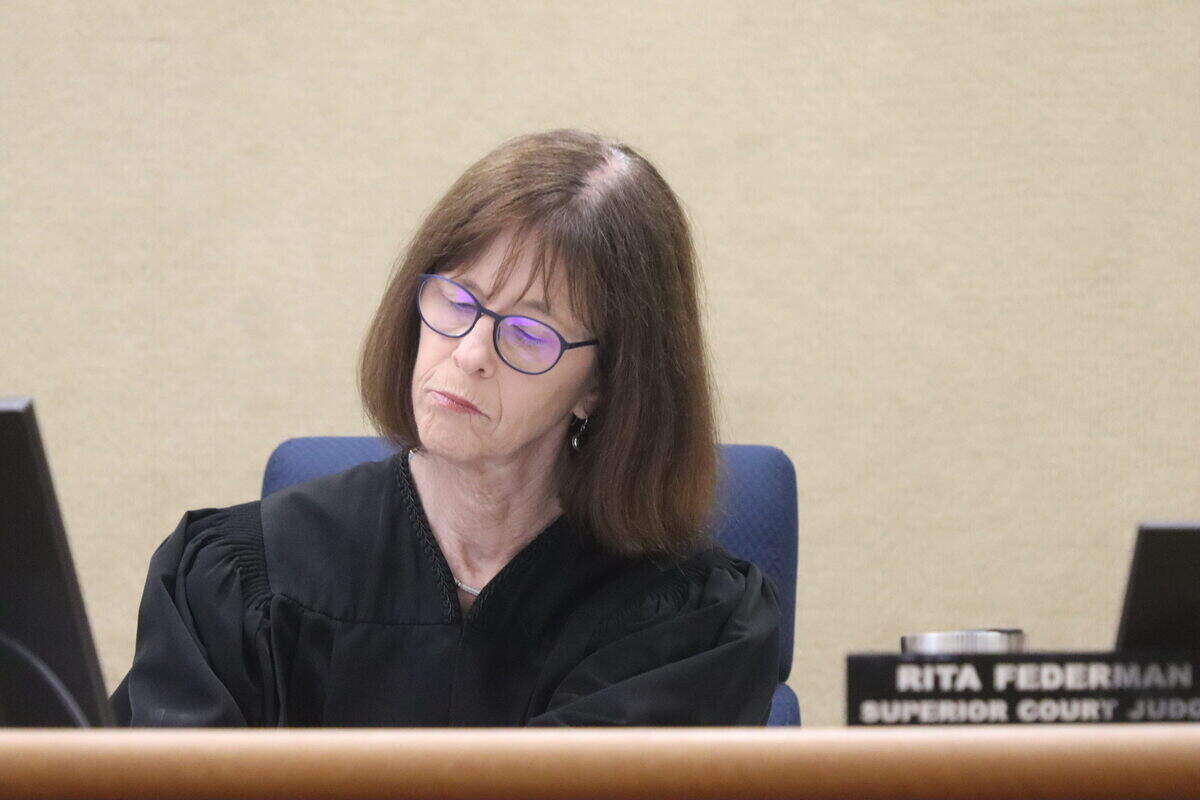
After over 13 hours of witness testimony and questioning, San Luis Obispo County Superior Court Judge Rita Federman found that probable cause existed such that the brothers should be held to answer for all charges in a trial. The brothers are expected back in court on July 14.
‘I beat the living daylights out of her,’ suspect allegedly told friend
Several civilian witnesses took the stand on the first day of the preliminary hearing, testifying about their interactions with the victim and suspects on the day of Lucas Velasco’s disappearance.
Alfredo Robles Garcia worked on the Arroyo Grande jobsite with Lucas Velasco and Alejandro Soriano Ortiz and called the man his “compadre” — the Spanish word for buddy — who he’s known for years.
On the witness stand Thursday, he described a phone call he received from Soriano Ortiz just before 5:30 p.m. on Sept. 12.
“I was conversing with him, and then he asked me whether I could get him a shovel,” to bury a cell phone, Robles Garcia said in Spanish through an interpreter. He said it was a confusing conversation.
Soriano Ortiz also allegedly asked for a bottle of tequila and some cigarettes. He wanted to drink, Robles Garcia said.
The two met in a dirt lot near the SpringHill Suites in Atascadero around 6:30 p.m., Robles Garcia said. Security footage later placed them in a dirt lot on Dallons Drive near Lowe’s Home Improvement in Paso Robles just before 6 p.m., a geolocation specialist testified on Friday.
When they met, Soriano Ortiz did not speak much of his girlfriend, except that he thought she was cheating on him, Robles Garcia said.
He appeared upset, Robles Garcia said. The couple had recently fought, Soriano Ortiz told him.
Robles Garcia later told an investigator that Soriano Ortiz told him: “Nobody plays with me. That’s why I beat the living daylights out of her.”
“They’re not going to laugh at me,” Robles Garcia said that Soriano Ortiz told him. “... This has already gone to shit. If they put me in jail, they put me in jail.”
He took that to believe his friend had hurt Lucas Velasco, Robles Garcia said.
Both suspects lied about their alibis, witnesses say
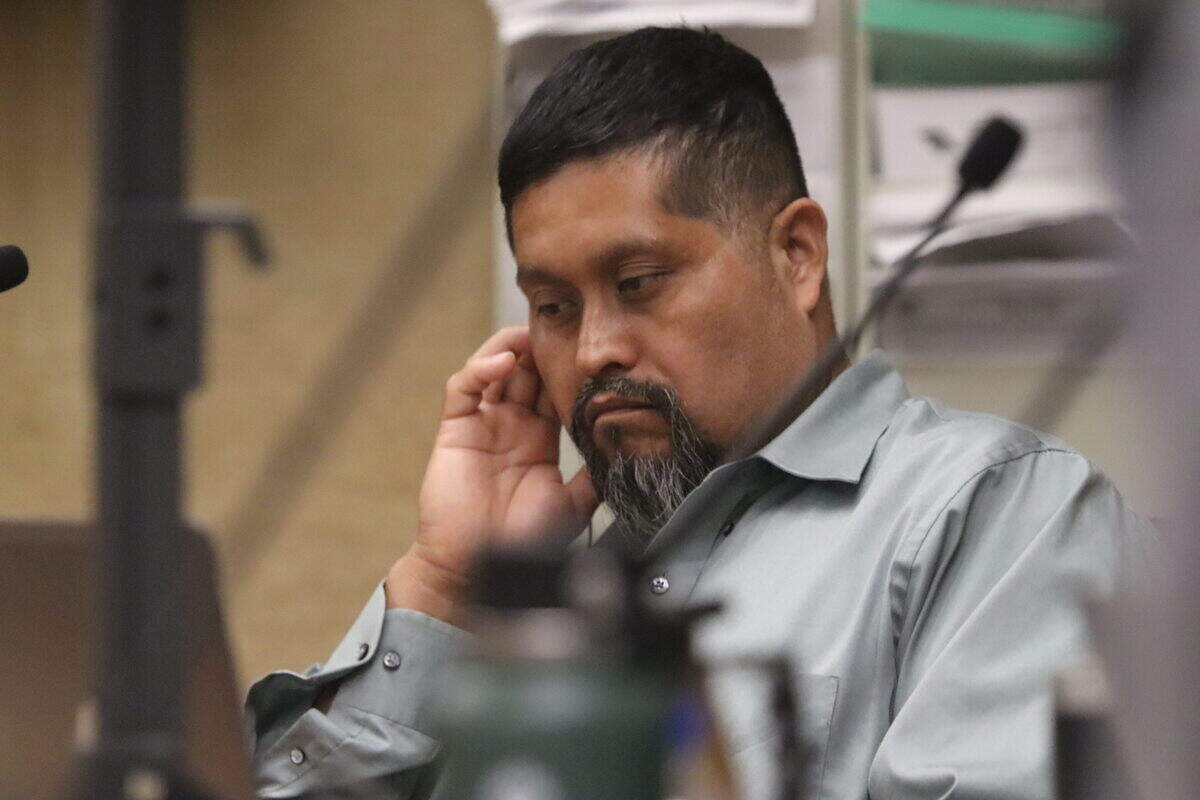
Alejandro Soriano Ortiz told an investigator he was miles away from Paso Robles when he was allegedly there speaking to Robles Garcia, but another friend later admitted the alibi was fake.
Luis Sanchez Bautista had known Soriano Ortiz for 10 years as his friend, he testified on Thursday. He worked with Soriano Ortiz and Lucas Velasco and knew they were in a relationship.
Sheriff’s Office Det. Arturo Munoz testified on Thursday that Alejandro told him during a Sept. 18 interview in Spanish that he spent the afternoon of Sept. 12 working another job and then drinking beers at Sanchez Bautista’s home in Santa Maria until around 10 p.m. Sanchez Bautista confirmed he originally told detectives the same story.
Munoz said Soriano Ortiz told him that the last time he saw Lucas Velasco was around 4:30 p.m. that day when he dropped her off at her car, which he said was parked at the Johnson Ranch Trailhead in San Luis Obispo. They had driven together to the jobsite from there because Lucas Velasco did not like driving the windy road to the jobsite, Munoz said Soriano Ortiz told him.
The couple, who lived together in Coalinga with Soriano Ortiz’s third brother Marcelo, usually drove to the rural Arroyo Grande jobsite together, but that day Soriano Ortiz had to go to Santa Maria that afternoon, so the couple drove separately from Coalinga and left her car at the trailhead in SLO, Munoz said Soriano Ortiz told him.
According to day-two testimony from another investigator, the couple always left the Coalinga home separately then parked a car in Avenal and drove together from there so as not to raise suspicion from Marcelo Soriano Ortiz because they were in a secret romantic relationship while Alejandro Soriano Ortiz was still married.
However, in subsequent interviews with Sanchez Bautista, the man admitted the entire story was made up by Soriano Ortiz, who asked him to lie to the authorities. There was no afternoon job in Santa Maria, and Soriano Ortiz never went to Sanchez Bautista’s home, he said. Sanchez Bautista also testified that the alibi wasn’t true.
“The whole story was fabricated at the request of Alejandro,” Munoz said Sanchez Bautista told him.
When Sanchez Bautista expressed concerns to Soriano Ortiz that law enforcement would figure it out and see him as an accomplice, Soriano Ortiz just told him to “stick to the story,” Munoz said Sanchez Bautista told him.
Sanchez Bautista also said that when Alejandro Soriano Ortiz eventually told the friend about Lucas Velasco’s disappearance, he also told him about her burnt vehicle located somewhere in Visalia and expressed regrets about making Lucas Velasco the sole insurance policyholder on the car, Munoz said.
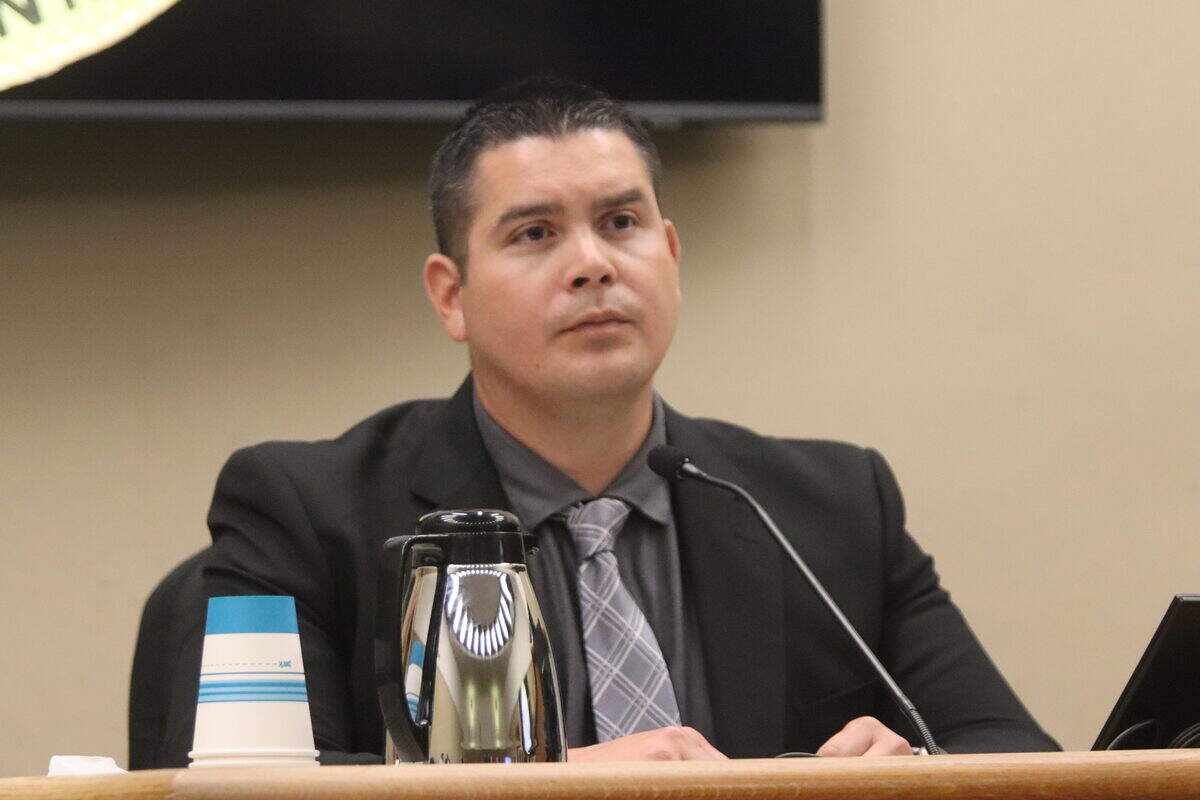
After Munoz, Sheriff’s Office Det. James Wyatt testified about his interviews with Celestino Soriano Ortiz about his whereabouts the day of the killing.
Wyatt said Celestino had told him that he was not with his brother the night of Sept. 12 and instead went home to Santa Maria after work to spend time with his girlfriend, Sabastiana Garcia Alonso.
However, Celestino’s cell phone data from that night and video footage of his car placed him not at home with his girlfriend, but with his brother in the area where Lucas Velasco’s body was found.
When asked on the witness stand on Thursday whether she was with Celestino Soriano Ortiz that night, Garcia Alonso said she was not.
When Celestino and his brother were arrested on Oct. 11, Wyatt said he was “argumentative” and “fairly uncooperative” in interviews.
He never gave a straight answer confirming or denying whether he was in the area where Lucas Velasco’s body was found except to stick with his statement that he was home all night, Wyatt said.
“’I wash my hands of this,’ meaning I am not taking responsibility anymore,” Wyatt said Celestino told him. “And when he said, ‘I can no longer keep my hands clean of this,’ it was a strong statement.”
Wyatt also said Celestino also told him that he had previously dated Lucas Velasco when they both lived in Mexico and ended that relationship when he found out she had another boyfriend and was cheating on him. Celestino said he never told Alejandro that and didn’t think his brother should have been dating her, Wyatt said.
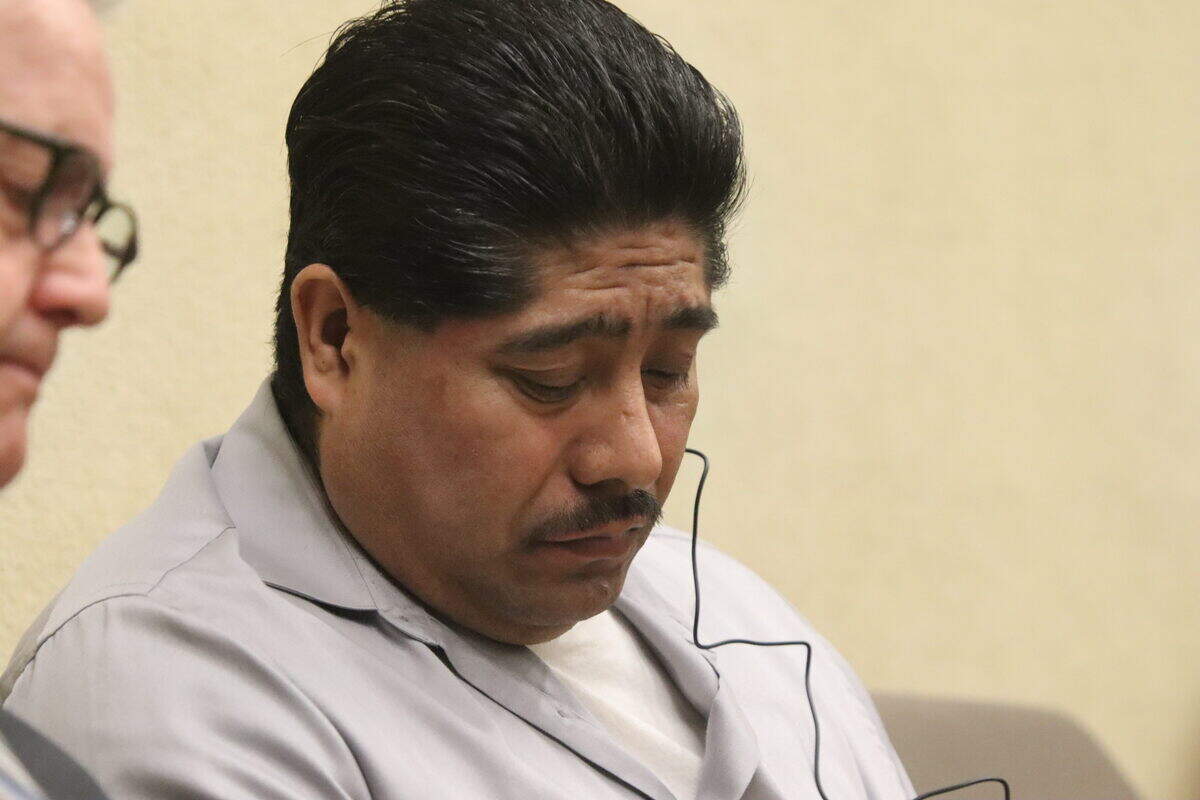
What happened to Isabel Lucas Velasco?
On the second day of the preliminary hearing, SLO County Sheriff’s Office Det. Patricia Montalvo shed light on new details of Lucas Velasco’s disappearance.
Alejandro Soriano Ortiz has been married since 2004 and shares three children with his wife, Montalvo learned.
In September 2024, Soriano Ortiz began a secret affair with Lucas Velasco, Montalvo said. In July 2025, the married man gifted Lucas Velasco a black Camaro, causing a fight between him and his wife.
By September 2025, Soriano Ortiz had separated from his wife and moved in with Lucas Velasco and his brother Marcelo Soriano Ortiz, who also knew Lucas Velasco from childhood when their families lived close-by in Mexico, Montalvo said.
However, Alejandro Soriano Ortiz was not satisfied with their relationship when he moved in. He expected to sleep with Lucas Velasco in her bedroom, but instead remained sleeping on the couch, he told Montalvo. Montalvo said he felt “disrespected in the relationship.”
The day of Lucas Velasco’s disappearance started like all others. She, Marcelo and Alejandro woke up around 4:15 a.m., made coffee and packed their lunches together in the kitchen before separately leaving for the work day, Marcelo told Montalvo.
But that was the last time Marcelo saw Lucas Velasco. The roommates usually kept in close contact throughout the day via WhatsApp texts and calls, he told Montalvo, but on the day of Sept. 12, she had stopped replying to him sometime in the afternoon. Her last WhatsApp activity that day was at 4:04 p.m., Montalvo said.
Lucas Velasco never came home that night, and Alejandro did not get home until after 2 a.m., Marcelo told Montalvo.
When Marcelo woke for work at 4:20 a.m. the next day, Sept. 13, he found her lunch containers and to-go coffee cup washed and drying in the kitchen, and Alejandro was gone, Montalvo said he told her.
On Oct. 12, the day after his arrest, Montalvo interviewed Alejandro and confronted him about the murder of Lucas Velasco.
“Alejandro responded, why would he kill her if he loved her?” Montalvo said.
Montalvo asked him multiple times if he killed her out of jealously, to which at one point she said he responded, “You already know. You’ve already analyzed things.”
At one point, he tried to claim that four armed and hooded men attacked him and Lucas Velasco at the jobsite, but he quickly abandoned that story, Montalvo said.
Wyatt, who was also interviewing Soriano Ortiz with Montalvo, asked the suspect what his motive for killing Lucas Velasco was. Montalvo said Soriano Ortiz tilted his head toward a printed screenshot of the affectionate Snapchat message a man had sent to Lucas Velasco and said, “It’s right there.”
At one point, he responded that he could’ve killed her “for lots of things, maybe,” Montalvo said.
At no point in the interview did Alejandro Soriano Ortiz deny killing Lucas Velasco, Montalvo said.
Phone records, LexisNexis used to track suspects
Two key witnesses took the strand on Friday to explain how automated license plate readers and cellphone records tied to cell tower data were used to identify the actual location of the suspects on the day of and after the alleged murder.
SLO County Sheriff’s Office Det. Luke Weimer, major crimes investigator and geolocation specialist, assisted by LexisNexis geolocation investigative team member Trevor Buchanan, reconstructed the movements of Lucas Velasco and Alejandro and Celestino Soriano Ortiz — and their vehicles — using phone and video evidence.
LexisNexis is a data and analytics company that hosts a public records database and legal search network.
Buchanan gave a PowerPoint presentation on how the exact location of cellphones can be tracked by triangulating the signal within “cell sites,” which are the areas between the cell towers of each cell provider.
The more cell towers there are in a given area, the smaller the cell sites and thus the more precise a phone can be pinpointed, he said. That makes it easier to track signals in populated areas vs. rural ones.
When questioned on cross-examination about the accuracy of the technology, Buchanan explained “there is a degree of imprecision, which typically ranges ... 250 or so meters.”
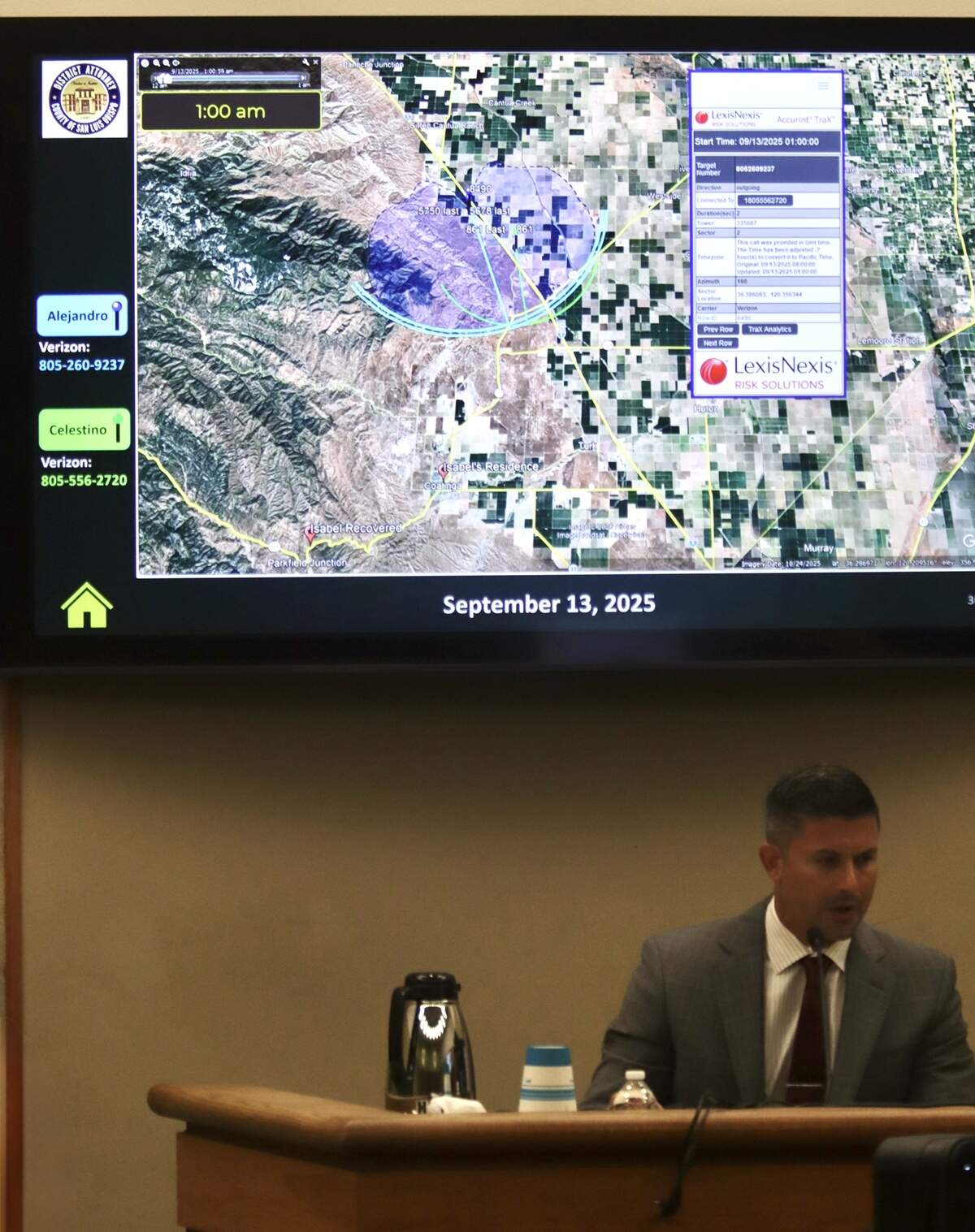
On Sept. 12, the data showed Lucas Velasco left her car on San Joaquin Street in Avenal — about 18 miles south of Coalinga on Highway 33 — early that morning and drove to south San Luis Obispo County with Alejandro Soriano Ortiz in his red Toyota Tacoma truck, Weimer said. But she never returned to her vehicle.
Most of the day, phone records showed Lucas Velasco and Alejandro Soriano Ortiz in the same area at the rural Arroyo Grande jobsite until around 5 p.m., when Alejandro Soriano Ortiz first called his brother and allegedly asked him for help.
After 5 p.m., cellphone data showed both devices moving north toward San Luis Obispo, and video footage put Alejandro Soriano Ortiz’s truck in SLO at 5:26 p.m.
Alejandro Soriano Ortiz made two more calls to his brother within the hour of 5 p.m., and several more calls in the coming hours and well into the middle of the night, according to the phone record data.
Video footage and cellphone geolocation data showed that Alejandro’s truck stopped in Paso Robles to meet with Robles Garcia for half an hour from around 6 to 6:30 p.m., and then drove toward and through Coalinga followed by Celestino’s vehicle between 8 and 9 p.m., Weimer said.
Weimer described the area west of Coalinga where the cars were driving as “very rural,” with “no cell service for a majority of Highway 198.”
Meanwhile, Lucas Velasco’s phone data showed it was still with Alejandro’s and Celestino’s, with the last available record for her phone recorded near Coalinga at 9:06 p.m. and the data for the brothers’ phones unavailable for nearly two hours.
“Based on this area, it would not be surprising that a device loses service,” Buchanan said.
This is the area where Lucas Velasco’s body was later found, around 15 to 20 miles out along Highway 198 from Coalinga, Weimer said.
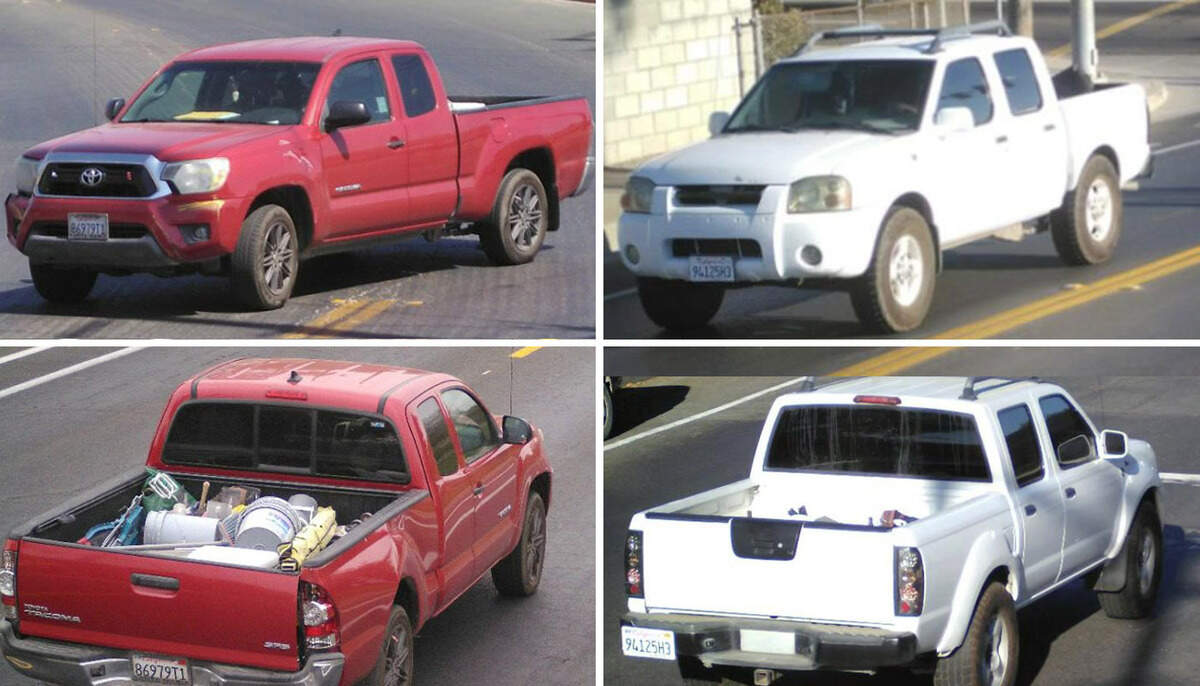
Both cars were next seen on a business camera returning to Coalinga at 11:06 p.m., then driving together to where Lucas Velasco’s car was left parked in Avenal at 11:40 p.m.
Alejandro Soriano Ortiz was seen on video footage parking his truck near Lucas Velasco’s Camaro and a short time later, the Camaro and Celestino Soriano Ortiz’s car left Avenal, Weimer said, leaving Alejandro’s car behind.
The two cars were seen on video footage driving together in northern Coalinga around 12:30 a.m. on Sept. 13, and the Camaro is not seen again after that, he said.
Celestino Soriano Ortiz’s car was seen on a neighbor’s security camera returning to Avenal at 2:26 a.m. to where Alejandro Soriano Ortiz’s truck was parked, Weimer said. A short time later, both cars left.
Pairing the geolocation data with cadaver dogs, investigators were able to locate Lucas Velasco’s body in a water culvert along the highway near Coalinga, SLO County Sheriff’s Office investigator Garrett Spencer said. She had been buried in a crude grave with her foot sticking out of the dirt, he said.
The coroner’s autopsy report showed she suffered a fractured neck vertebrae and stab wounds to the heart, stomach and liver, Judge Federman said in her ruling. The cause of death was reported inconclusively as “homicide, undetermined,” according to Alejandro’s defense attorney Linden Mackaoui.
Investigators later located her “fully burned” car not in Visalia, but in Fresno, about 110 feet off the road at Elk Horn Avenue and Madera Avenue, Cal Fire Capt. Brandon Ramos said. He conducted an investigation and concluded the car had been burned in an act of arson.
When arrested, Celestino was found with a fraudulent U.S. permanent resident card and two fake Social Security cards in his wallet, along with a white substance wrapped in a dollar bill believed to be crystal meth, Spencer said.
Fraudulent U.S. permanent residency and Social Security cards also were found in Alejandro’s truck, as well as a car insurance policy for the Camaro under Lucas Velasco’s name, Spencer said.
According to a claim adjuster at the insurance company who Spencer spoke to, Alejandro had filed a claim on her car, reporting that both the policyholder and her car were missing. The insurer said it could not move forward without speaking to the policyholder, Lucas Velasco, Spencer said the claims adjuster said.
Mackaoui noted that the claim number was unknown.
Another claim adjuster interviewed Alejandro and later told Spencer about the conversation.
“He was not as concerned about his missing girlfriend as he was more concerned about the vehicle,” he said.
This story was originally published June 30, 2026 at 12:00 PM.