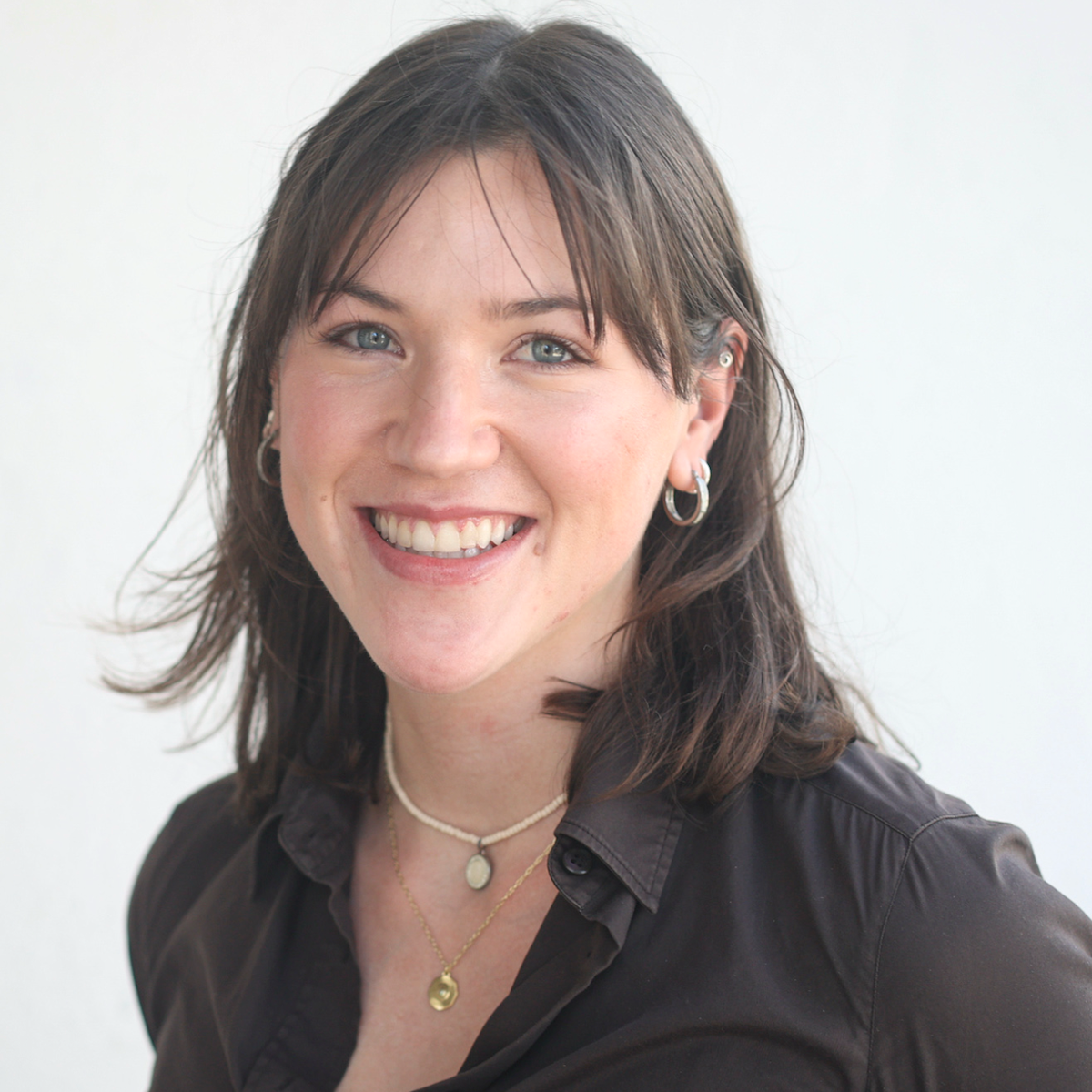
SLO County murder went unsolved for decades. Now, family finally has answers
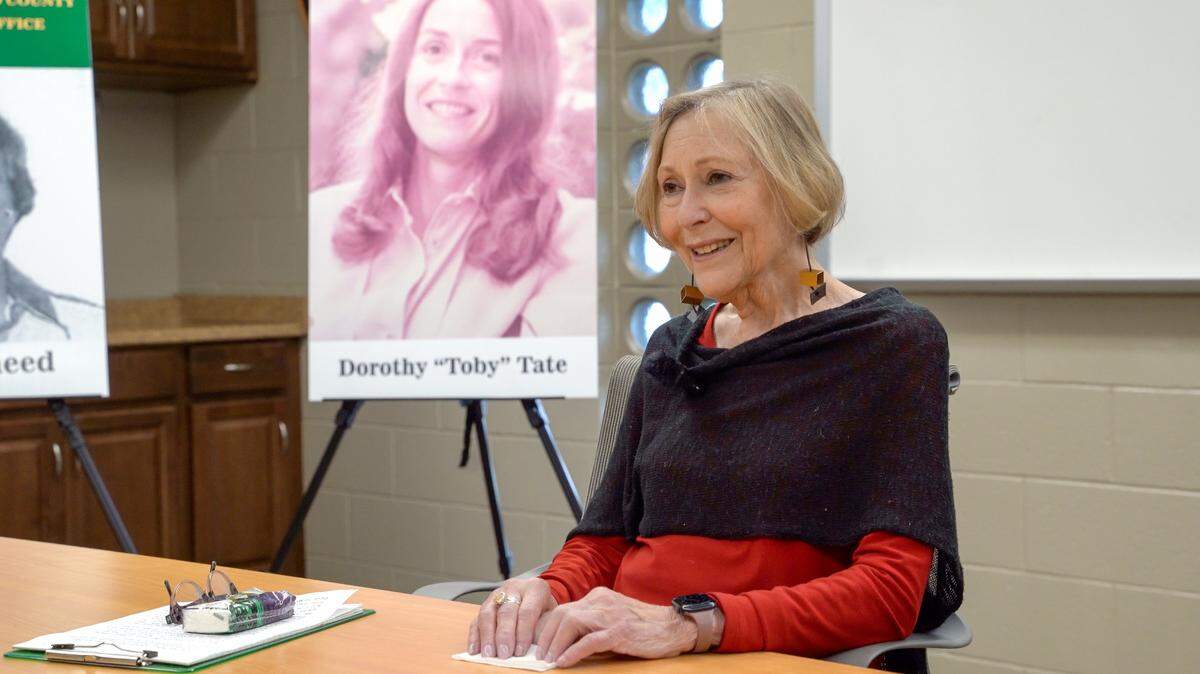
Priscilla Tate lived most of her life without knowing who killed her sister — until the San Luis Obispo County Sheriff’s Office finally solved the decades-old cold case.
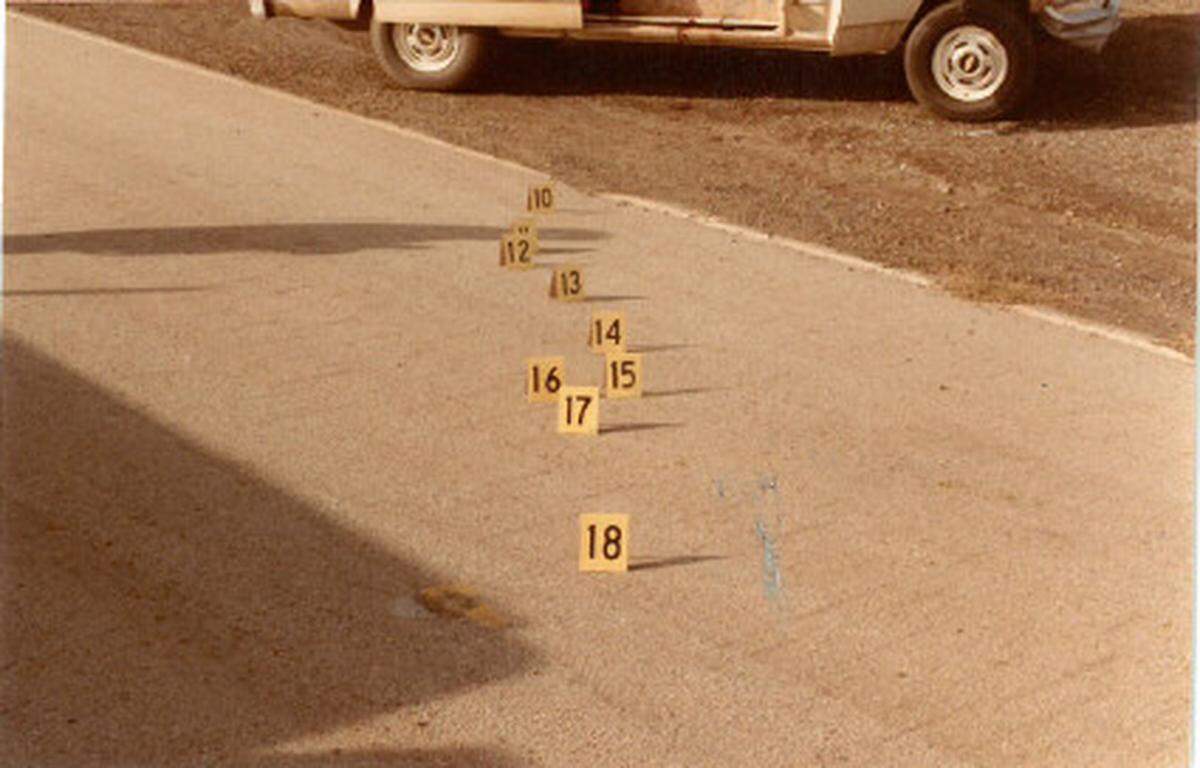
On Nov. 15, 1983, Dorothy “Toby” Tate was found fatally shot in a van parked in a turnout along Highway 1 about three miles north of Hearst Castle.
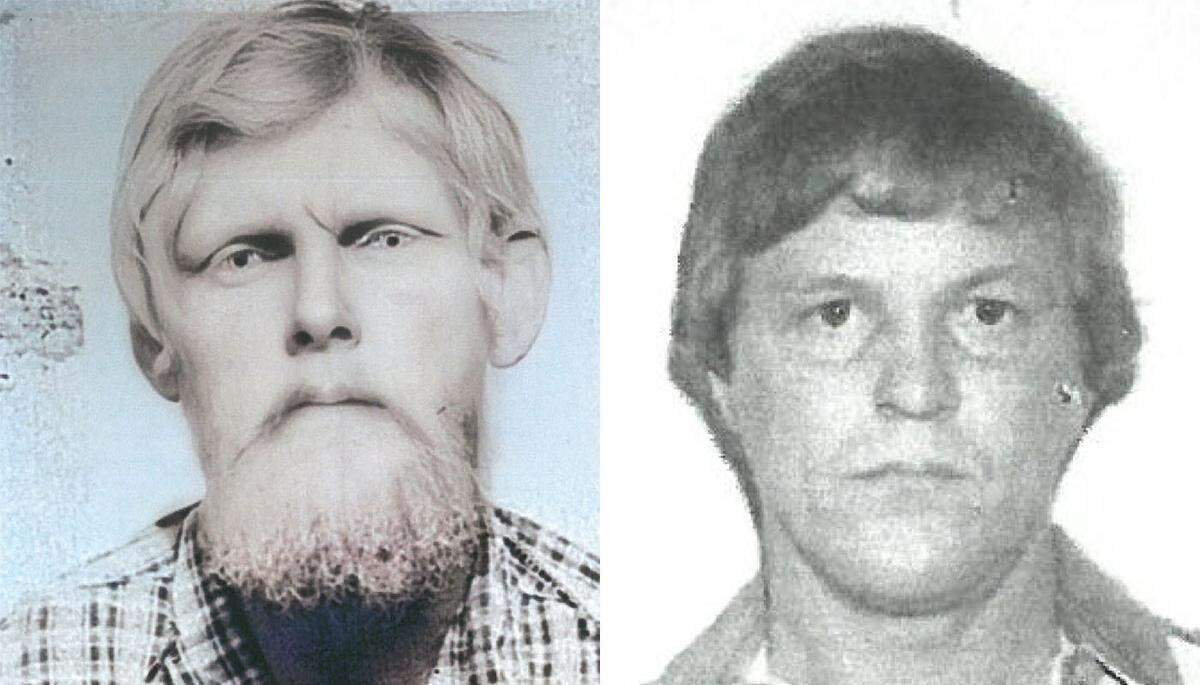
But after some 40-odd years of no leads or suspects in the cold case, the Sheriff’s Office announced Tuesday it had solved the murder, identifying the killers as two Texas men — both now dead — through DNA genealogy analysis of old forensic evidence.
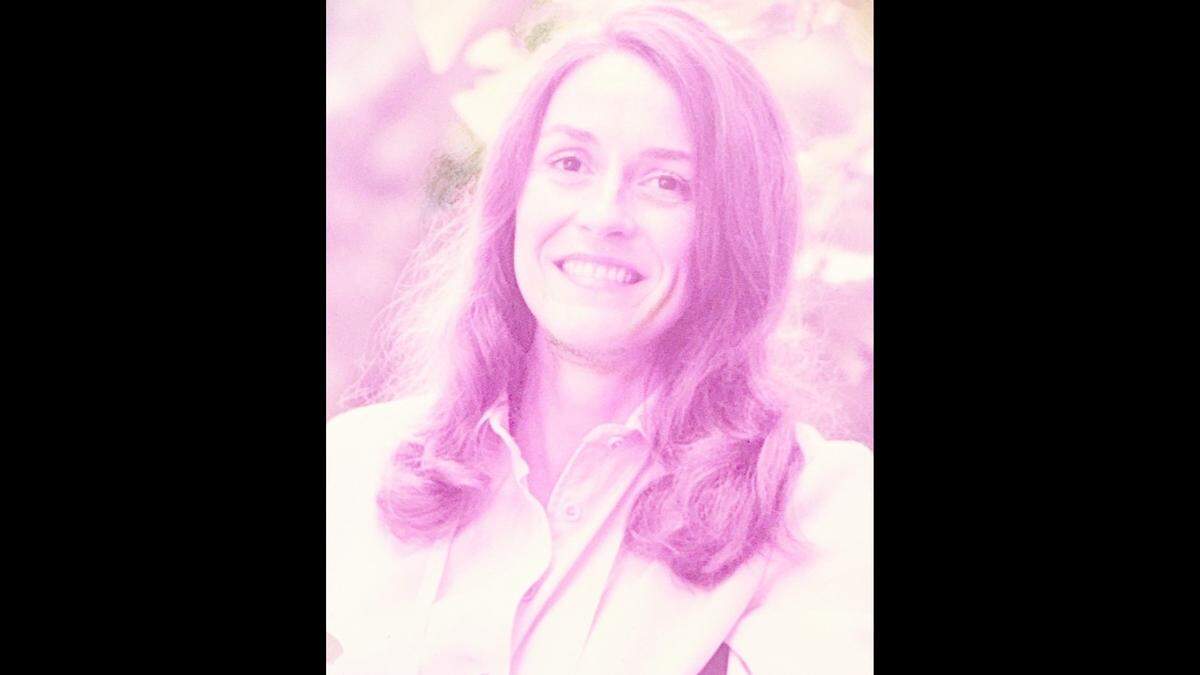
For Priscilla, her sister couldn’t be fully put to rest without the closure brought from solving her case.
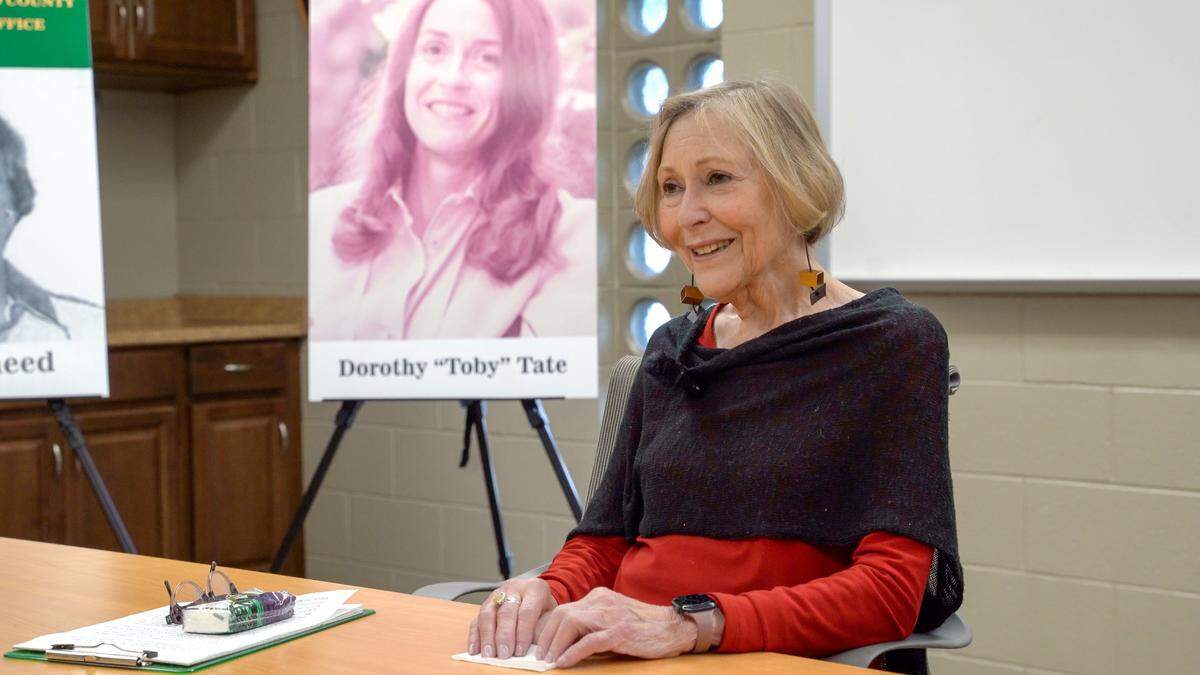
“I can say they put an end to this,” Tate told The Tribune. “We buried her, and she’s proud of it. She’s proud of us for doing this work.”
.JPG "1983 11-15 tate murder (1).JPG")
Woman remembers her sister as ‘magical’
Priscilla said her older sister was always the rebel of the family.
“She seemed to get people right away,” Priscilla said. “She’d look at you, and you knew. ... She was kind of like a priest. You know how they look inside your soul.”
Born in Dallas, Toby always wanted to live a life of adventure, leaving shortly after high school.
Priscilla and her sister were as close as could be, writing each other letters every day when Priscilla lived in Europe while studying abroad.
Priscilla said her sister was very health-focused and ahead of her time in that way. Toby attended Austin College in Texas but never finished — the food didn’t have enough vegetables for her, Priscilla said.
Toby was quiet, but beat to the rhythm of her own drum, her sister said.
Toby went on to work as a bartender and waitress in Estes Park, Colorado, then as a governess. Priscilla would spend summers with her in the Rocky Mountains.
Toby later moved to a shaman’s property in British Columbia, where she collected plants and studied herbology from indigenous tribes, Priscilla said. She even built her own longhouse, a traditional indigenous communal dwelling.
“She wanted to study her biology when she came back and work in medicinal healing,” Priscilla said. “She was amazing.”
Toby was on her way back to Estes Park from California to close on a house when she was killed. The home overlooked the Front Range of the Rockies — she and her sister’s favorite place.
“It was like a great beginning for her,” Priscilla said. “She was about to embark on a wonderful new life, and that was taken from her.”
Unfortunately, Toby was not the only sister Priscilla lost. Thirteen years after Toby was found dead, their third sister, Judy, tripped and fell down the staircase in her house, killing her, Priscilla said.
“It’s almost unspeakable,” she said. “Therapy helps. Talking to other people who’ve suffered loss really helps. Keeping it in doesn’t help. ... You’re not supposed to carry this alone.”
Though she still doesn’t have all the answers, given that the identified suspects of Toby’s murder have died, Priscilla said the Sheriff’s Office hard work gives her hope that other families facing similar tragedies may benefit from the genealogical research that solved Toby’s case.
As for Priscilla, a weight has lifted from her chest, and she finally feels able to talk about her sister again.
“She was magical, and she always had a faith that far exceeded mine in, you know, the goodness of the world.” Tate said. “I always marveled at that, and I knew that she was my big sister, and if she could believe in all of that, I could probably do that, too.”
How was the murder solved?
The murder of Toby Tate went unsolved and cold for more than four decades, until advanced DNA genealogy analysis of original evidence and forensic material recently allowed detectives to reopen and solve the case.
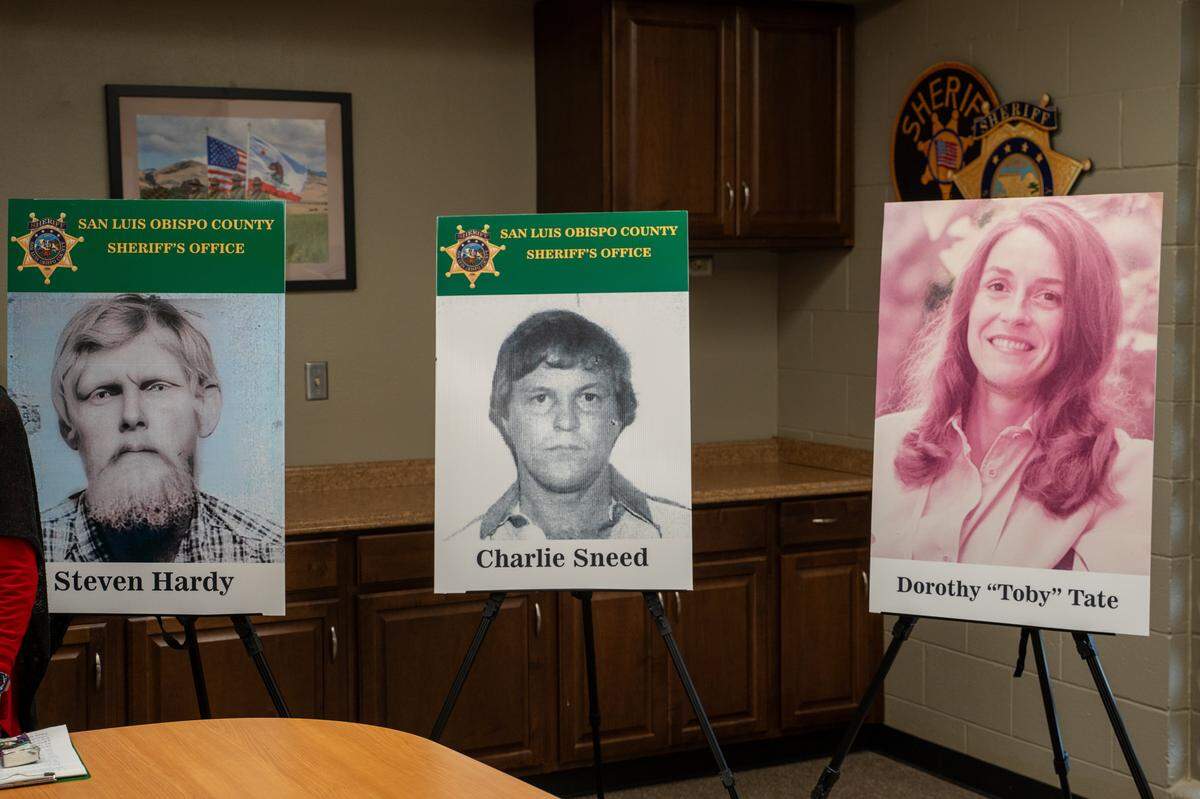
Steven Richard Hardy and Charley Sneed, both now-deceased men from Texas, were identified as suspects through this process.
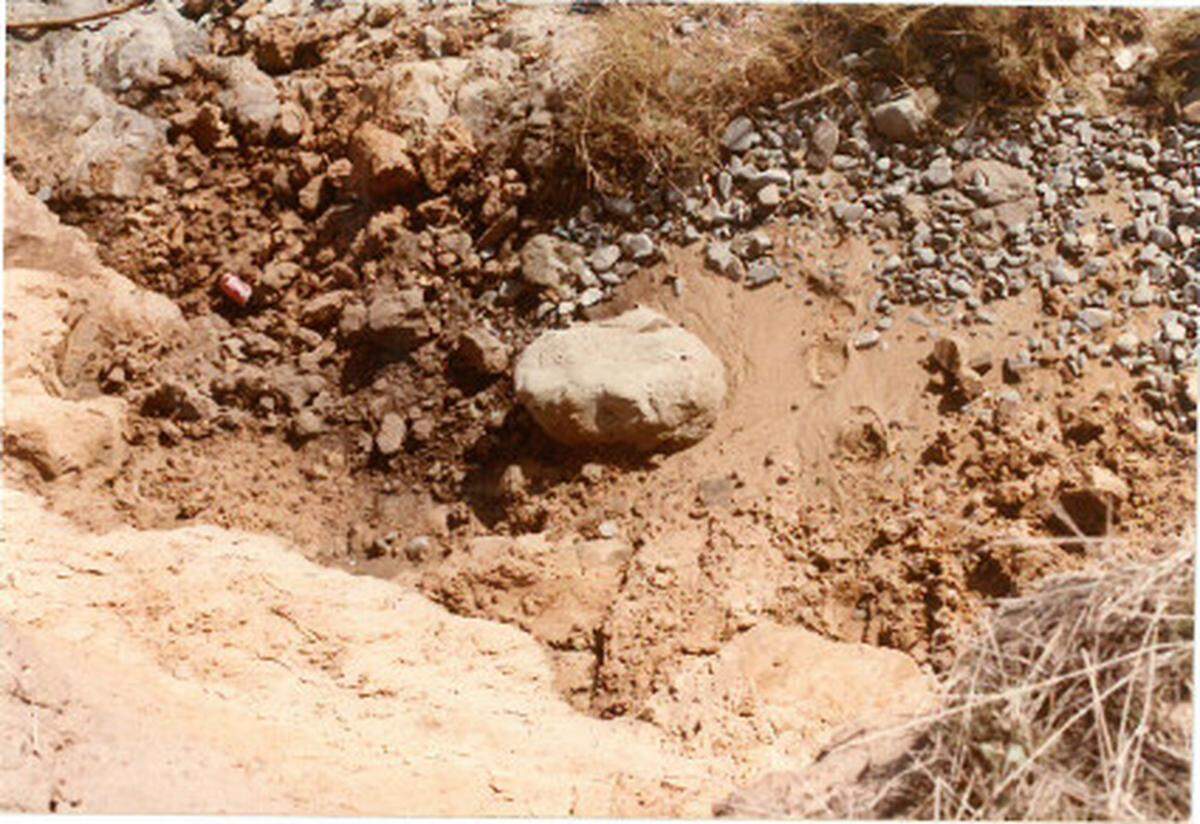
A blood sample and a Coca-Cola can with fingerprints on it were recovered from the crime scene in 1983, years before the technology existed to conducted genetic testing on the evidence to find matches.
The blood sample was originally run through the Combined DNA Index System — the FBI’s national criminal DNA database better known as CODIS — but yielded no matches.
The Sheriff’s Office then turned to investigative genealogical analysis. A DNA profile of the blood sample was submitted to Parabon NanoLabs, a DNA technology company that assists law enforcement identify suspects using forensic evidence.
The process works by comparing DNA profiles to two consumer DNA databases of approximately 2 million people to identify potential relatives through partial DNA matches. Family trees are then built to identify suspects and trace their lineage from common ancestors.
“I reverse engineer his identity piece by piece,” CeCe Moore, chief genetic genealogist at Parabon Nanolabs, told The Tribune.
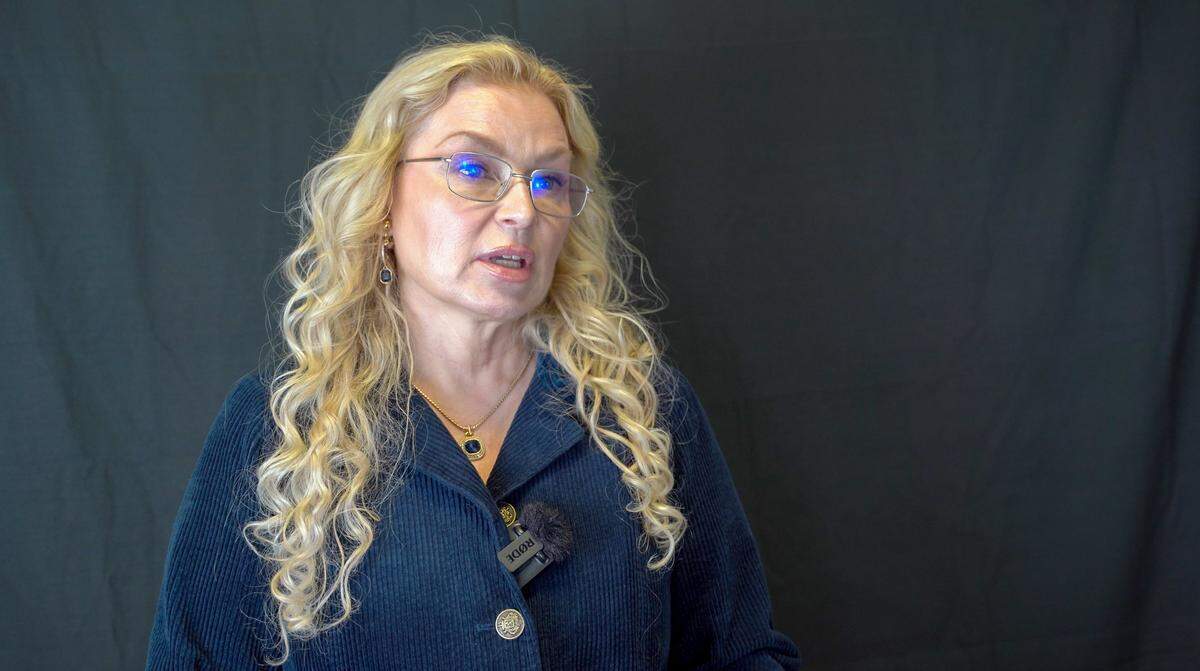
This was how Hardy was identified — but Moore said this case was more difficult than most.
Hardy’s DNA profile led to his father, but the man had no recorded sons. Moore spent months piecing together public records to figure out Hardy’s mother had given birth to him without the father’s knowledge, which explained why he didn’t appear in genealogy databases.
The work was collaborative, with Sheriff’s Office detectives contacting potential relatives until Hardy was identified as the suspect.
“If these detectives had not been so proactive, and trusted me, this case would not have been solved,” she said.
Meanwhile, the Sheriff’s Office crime lab determined the fingerprints on the soda can belonged to Charley Sneed, also linking him to the crime.
The case was submitted to the San Luis Obispo County District Attorney’s Office, which reviewed the evidence and concluded that sufficient probable cause existed to support prosecution had the suspects been alive.
“This will be considered a closed, solved homicide with deceased suspects,” SLO County Sheriff’s Office Det. Clint Cole said. “ ... It’s just extremely rewarding to give the family some closure.”
Priscilla Tate came to SLO County on Tuesday for the announcement, but also to visit the spot along Highway 1 where her sister lived her last moments.
“They always say that we never walk alone, and I want to put my footsteps behind, beside hers, in a happy way, because I know she was very happy,” Priscilla said. “She didn’t know what was coming, but for that moment, she was very happy.”
This story was originally published January 20, 2026 at 5:17 PM.