Attorney requests gag order in embezzlement case after SLO County DA posts comments online
The attorney representing the former probation officer accused of embezzlement requested a gag order on the case Tuesday after San Luis Obispo County District Attorney Dan Dow posted statements on social media, alleging they were prejudicial to his client, created false innuendos and violated Dow’s duty as a prosecutor.
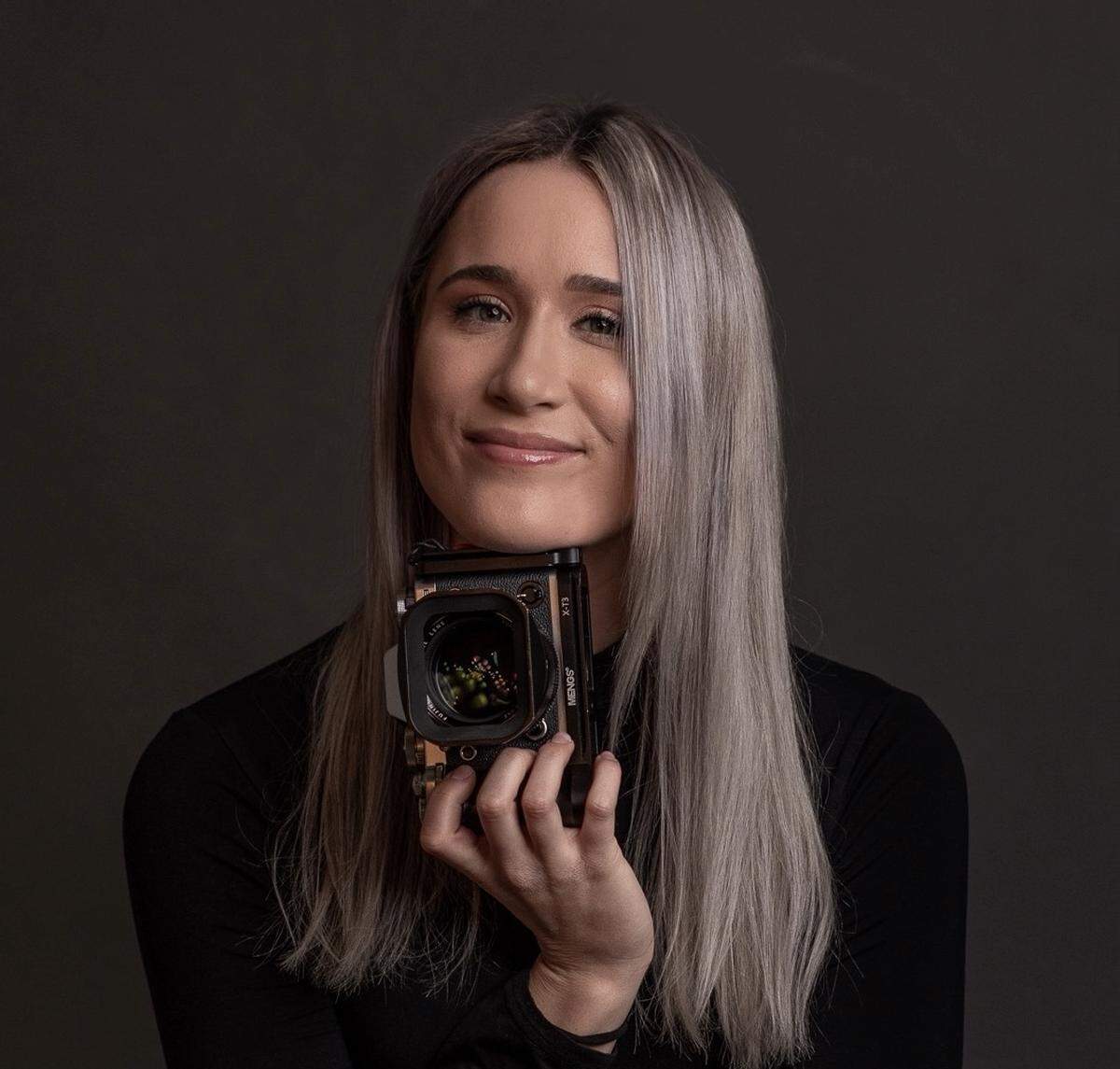
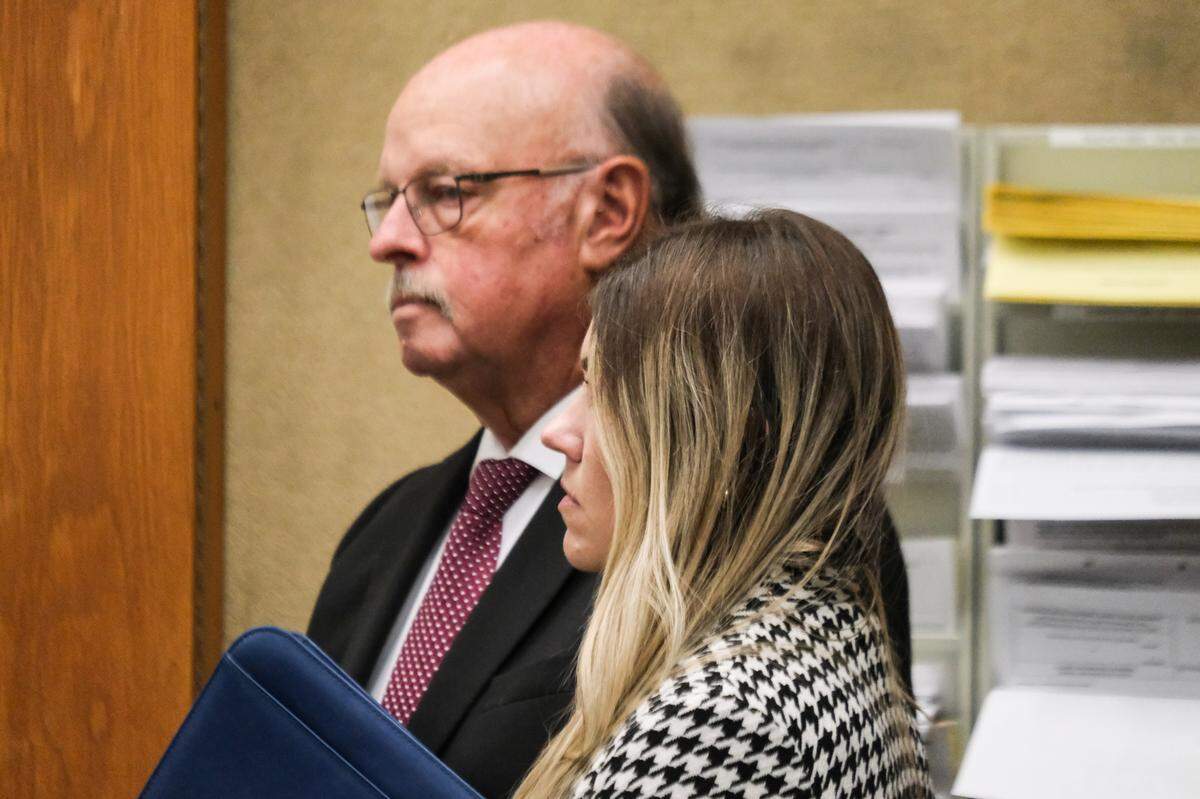
Fallyn Rollins, 32, appeared in court for the first time Friday to face nine counts of grand theft for allegedly embezzling more than $100,000 from the Probation Department’s union.
She was not arrested or booked into jail because her attorney, Robert Sanger, found out about the arrest warrant and had her case scheduled on the calendar, a practice that is not unusual, according to Sanger and two other defense attorneys interviewed by The Tribune.
Rollins, who was sworn in as a deputy probation officer in 2019, resigned from the department in September.
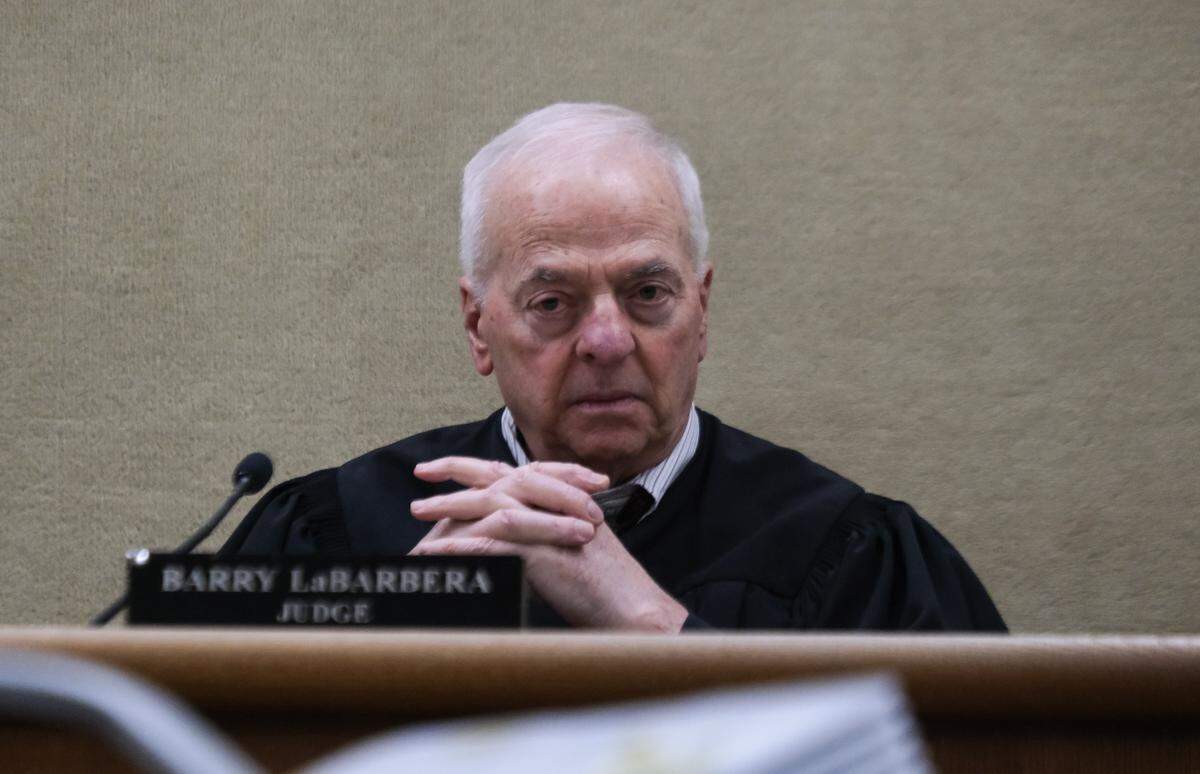
Dow made several comments on Facebook following Rollins’ Friday court appearance, alleging San Luis Obispo Superior Court Judge Barry LaBarbera gave Rollins special treatment for allowing her to surrender and post a reduced bail without being arrested.
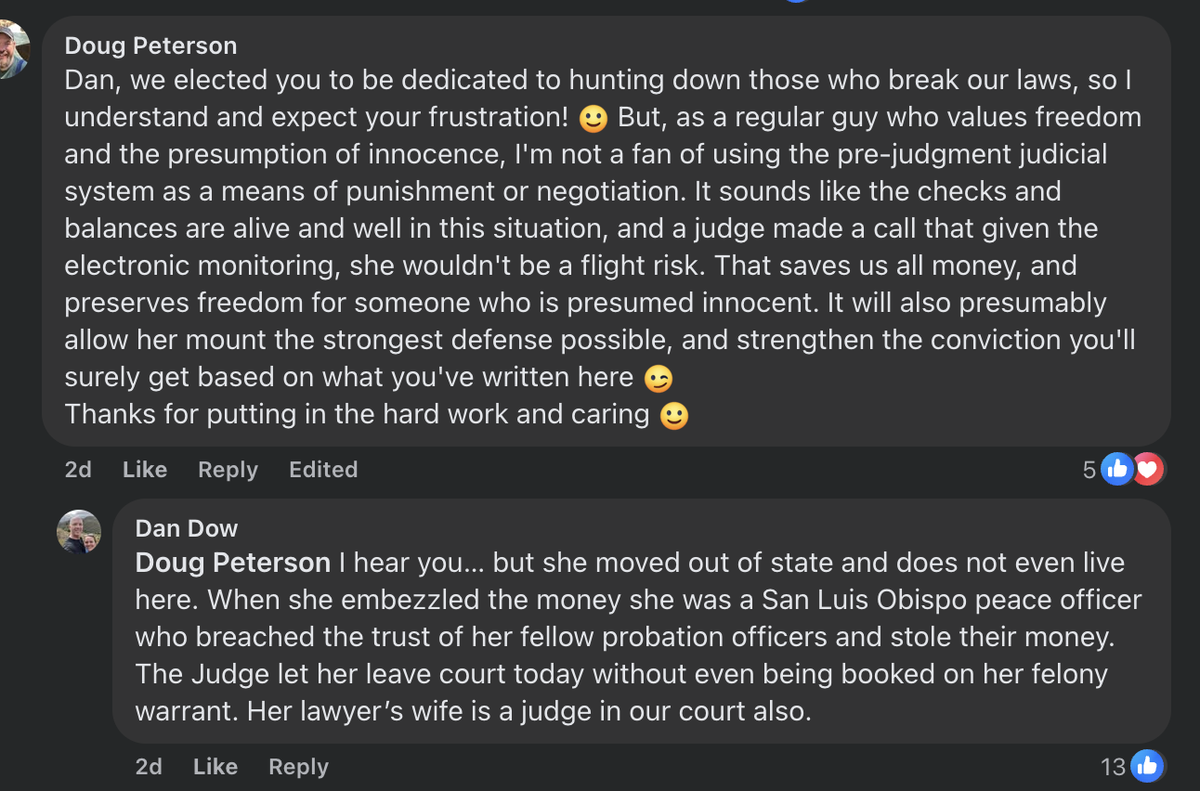
In response to one commenter who agreed with LaBarbera’s decision and said they were “not a fan of using the pre-judgment judicial system as a means of punishment or negotiation,” Dow appeared to declare Rollins guilty and wrote:
“I hear you ... but she moved out of state and does not even live here. When she embezzled the money she was a San Luis Obispo peace officer who breached the trust of her fellow probation officers and stole their money. The Judge let her leave court today without even being booked on her felony warrant. Her lawyer’s wife is a judge in our court also.”
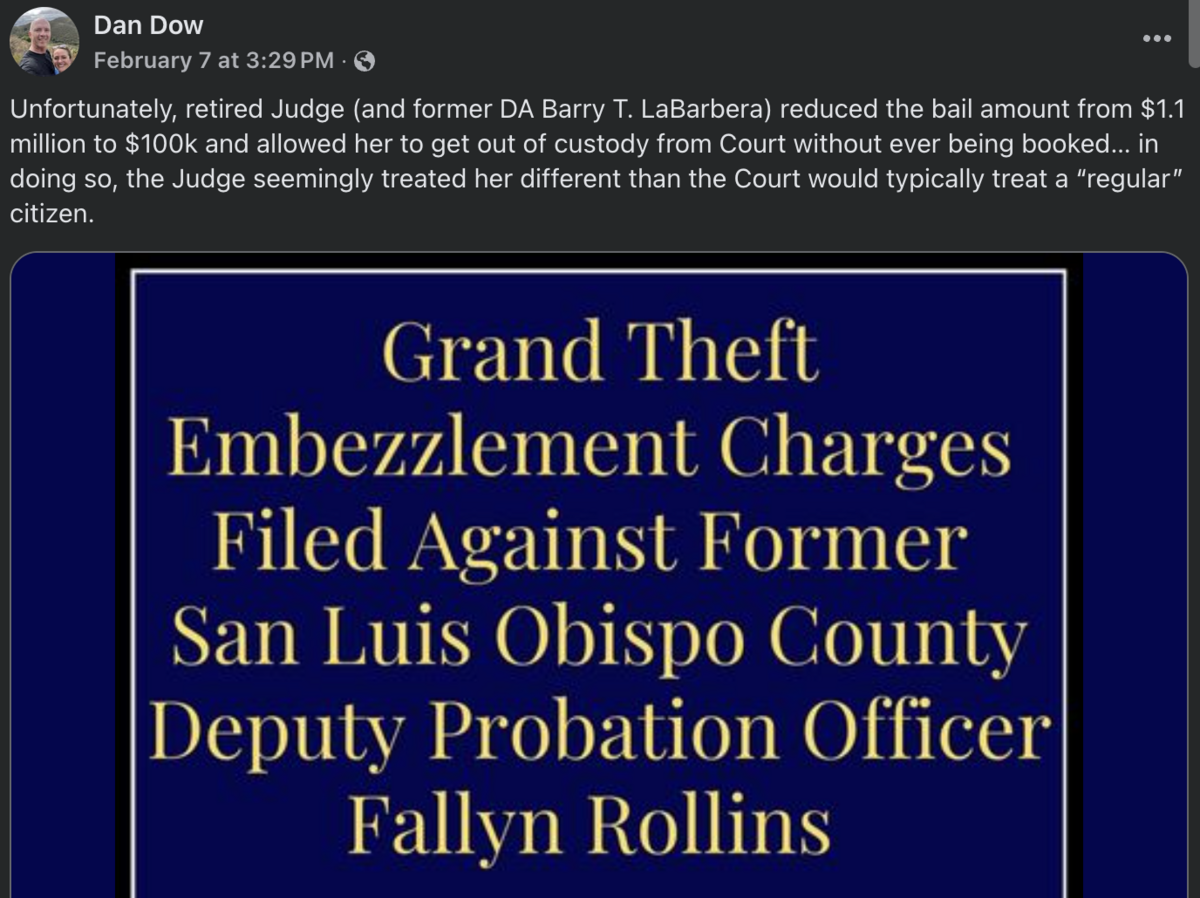
Sanger said Dow’s statements were prejudicial to a fair resolution for his client and included an attempt “to inflame public opinion on the allegations in the case and impugn the integrity of the San Luis Obispo Superior Court.”
“These statements appear in part to be designed to persuade the public, including potential jurors, that the defendant is guilty and should be treated harshly,” he added.
He also argued Dow’s statements violated the duty of a prosecutor.
In the motion, Sanger cited the 2013 California Supreme Court decision that found a prosecutor is held to an elevated standard of conduct because of the unique function they perform in representing the interests and exercising the power of the state.
“Prosecuting officers owe a public duty of fairness to the accused as well as to the People, and they should avoid the danger of prejudicing jurors and prospective jurors by giving material to news-disseminating agencies which may be inflammatory or improperly prejudicial to defendant’s rights,” the decision found.
Sanger asked for the judge to issue the gag order and any other relief that the judge finds “just and proper.” San Luis Obispo Superior Court Judge Rita Federman was scheduled to oversee Rollins’ next hearing on Feb 24.
Dow and Assistant District Attorney Eric Dobroth did not respond to The Tribune’s request for comment.
Attorney says DA knew client was willing to surrender for months
According to the motion, Rollins retained Sanger as her attorney on Aug. 23 — about two weeks before she resigned from the probation department and five months before charges were filed — when there was an investigation pending.
That day, his motion said, he told Assistant District Attorney Eric Dobroth that Rollins intended to cooperate with the law enforcement investigation and would voluntarily surrender if there was an intention to arrest her.
On Oct. 9, the motion said, Sanger then contacted San Luis Obispo Police Det. Tim Koznek, the lead investigator in the case, and told him the same thing he told Dobroth.
Sanger also told both Dobroth and Koznek that his client would voluntarily return to San Luis Obispo County from living out of state so there wouldn’t be a need to extradite her.
Sanger said he attempted to contact both Dobroth and Koznek between Oct. 9 and Feb. 4, but did not hear anything further from either.
On Feb. 4, Sanger discovered that a felony complaint and arrest warrant had been filed against his client. He said he immediately contacted Koznek and told him his client could voluntarily come to San Luis Obispo to avoid the cost and need of executing a felony extradition warrant.
He also immediately called the District Attorney’s Office, who told him Deputy District Attorney Ben Blumenthal was assigned to the case. Sanger then called Blumenthal and confirmed that he did not object to putting the case on Friday’s calendar.
Blumenthal told Sanger he could not instruct law enforcement to not attempt to execute the arrest warrant, to which Sanger responded that Rollins intended to return to the county voluntarily.
Rollins returned to California on Thursday and appeared in court on Friday, as scheduled, the motion said.
In his experience, Sanger said, it was not unusual to make arrangements of this sort to surrender a defendant to court for terms of release and avoid an arrest, which could be a danger to both the defendant and law enforcement.
“I have made such arrangements many times, both in state and federal court, and generally the effort on our part to voluntarily surrender a person at court has been appreciated by law enforcement,” Sanger said in his motion.
Dow’s comments on judge’s integrity ‘unfounded,’ attorney says
Sanger said the substance of Dow’s comments on social media “are not only prejudicial but create false innuendos,” noting that Dow disparaged LaBarbera, who had a “distinguished career” as SLO County’s district attorney followed by his work as a San Luis Obispo Superior Court judge.
“He has a reputation for following the law and being unbiased and fair to both sides in criminal cases,” Sanger said. “There is no evidence or inference in any way that Judge LaBarbera did anything other than fairly apply the law to the facts.”
It is unclear at this time how the “excessive amount” of bail was originally set for the arrest warrant and Sanger has not yet received the affidavit that accompanied it, the motion said. Records show that San Luis Obispo Superior Court Judge Crystal Seiler signed off on the $1.18 million warrant.
Sanger argued the proper amount of bail on a warrant for this kind of arrest generally reflects the amount of loss, which the prosecution said was less than $160,000. Sanger added that setting bail without notifying all parties involved is reviewable by a judge once the case is on the calendar.
“The innuendo attempting to impugn the integrity of another member of the bench is totally unfounded,” Sanger said, referring to Dow’s comment about his wife.
“There is no inappropriate influence exercised by anyone in this case on behalf of Ms. Rollins,” he continued. “It was not discussed with any other members of the bench nor would it be.”
Sanger said many judges have spouses who are lawyers, including criminal and defense attorneys. There are strict protocols in place to avoid the discussion of pending cases between judges and their spouses.
“In San Luis Obispo, there have been judges whose spouses were active prosecutors and I am not aware of there ever being a controversy (of) such relationship,” Sanger said in the motion.
Sanger said he and Blumenthal litigated Rollins’ bail reduction motion, which included six declarations from Rollins’ family and friends and were provided to the District Attorney’s Office. He argued that Dow was aware of the specific circumstances of Rollins’ bail reduction at the time of his comments on social media.
To protect his client’s right to a fair trial, Sanger requested a gag order to prohibit anyone on the prosecution or defense teams, parties, witnesses, court officials or law enforcement officers from making public comments on the case, including but not limited to written comments on social media platforms such as Instagram, Facebook, X and Truth Social.
SLO DA’s statements in ‘gray zone’ of legal ethics, professor says
According to UCLA Law School’s legal ethics chair Scott Cummings, Dow is “walking a fine line” ethically when it comes to his public statements about the case.
Attorneys are generally allowed to make out-of-court statements, Cummings said, but it should be limited to factual claims and statements to protect the interests of their client. For Sanger, that’s Rollins, and for Dow, its the people of California, specifically San Luis Obispo County.
“They’re definitely not permitted to say anything in a pending investigation or matter that they know, or reasonably should know, is going to materially prejudice the matter,” Cummings said, adding that prosecutors should not make statements that could pollute the jury pool or heighten the public’s sense of condemnation or bias against a defendant.
On the one hand, Cummings said, Dow could argue that there is a factual basis for the claims he made about the amount Rollins was alleged to have stolen or where she was residing, but that doing so on social media and engaging and responding to people with arguments that may be made in the case was “more into the domain of something you shouldn’t do.”
When it comes to Dow’s statements that imply Rollins’ guilt despite her not yet entering a plea, Cummings was more definitive: “I don’t think that any district attorney should say those things in that kind of way.”
Prosecutors are public servants who are “held to the highest standard of conduct,” Cummings said, so even if other lawyers make public statements that are along an ethical ambiguous line, “prosecutors should stand firmly behind that line because the integrity of the system is paramount, and it’s fragile.”
Cummings said it’s OK to state what the allegations are and what the state will try to prove, but to “assert it as a kind of blanket statement that’s factually accurate does seem to walk up to and potentially cross this line of not saying things in public that are going to materially prejudice the matter.”
He added that Dow’s comments on LaBarbera that cast doubt on the credibility and legitimacy of the court itself could undermine confidence and potentially affect the perception of fairness in the case.
“Do prosecutors do it? Sometimes, unfortunately. Should they do it? No,” Cummings said.
Dow’s mention of Sanger’s wife being a judge was also in the “gray zone” of ethical prosecuting, Cummings said.
It is factually accurate that Sanger’s wife is a judge, Cummings said, but “the insinuation that’s left hanging is that, therefore, there’s some nefarious action and unfairness going on in the decision-making process.”
“To me, it’s on the boundary,” Cummings said. “But I think as a matter of kind of ethical principles, prosecutors should steer very clear of the boundary, and so deliberately walking right up to it and sort of dancing on the edge of it as this prosecutor appears to be doing is not best practice, even though it may not be a sanctionable event.”
Dow operating in this “gray zone” of ethics can negatively affect the public’s trust in the justice system, Cummings said.
Cummings said attacks on the integrity of the judicial system are becoming more routine around the country and added that “lawyers and prosecutors may be more emboldened to also play that particular card to gain advantage in their cases.”
“That would be a pretty scary reality if that were to be the case,” he added.
“All these things add up in the public’s mind to create additional weight in favor of this idea that the system is not running fairly and judges aren’t acting impartially,” Cummings said. “That’s dangerous for democracy.”
This story was originally published February 12, 2025 at 3:14 PM.