Man who killed sisters in Santa Margarita in 2010 to be released from mental health facility
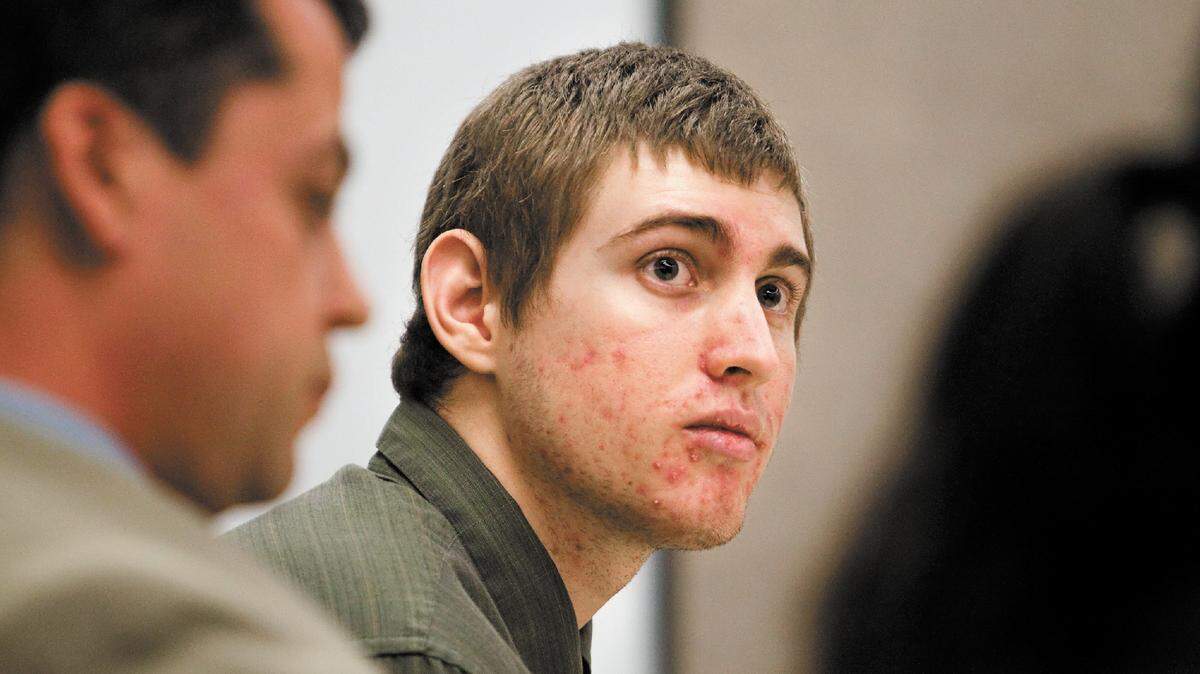
A man who was found not guilty by reason of insanity for killing two women in Santa Margarita on Christmas Day 2010 will be released from a long-term psychiatric facility to a supervised outpatient program.
A San Luis Obispo Superior Court judge on Tuesday ordered the release of Andrew Wesley Downs, who was 20 years old when he fatally shot sisters Beverly Reilly and Kathy Yeager at Santa Margarita Ranch and attacked and injured Glen Johnson of Atascadero with a wrench during a psychotic episode brought on by severe untreated mental illness.
Downs, now 31, has been under constant psychiatric care since his arrest in December 2010, his attorney Linden Mackaoui, said Tuesday.
Following his trial, Downs spent several years at Atascadero State Hospital and is currently in custody at the Sylmar Health and Rehabilitation Center, a secured long-term mental health treatment facility in Los Angeles.
His progress was checked annually at hearings in San Luis Obispo Superior Court, where judges heard from mental health experts about his ability to understand the crime and his commitment to continued treatment.
On Tuesday, after hearing arguments from Mackaoui and the District Attorney’s Office, Superior Court Judge Jesse Marino ordered Downs released from Sylmar and into a conditional release program.
“Mr. Downs has made remarkable progress since going on medication and going through treatment,” Mackaoui said Tuesday. “When it comes to people with mental health issues, they all respond differently. He has responded well and has shown insight into what they call his triggers.”
Mackaoui can’t discuss Downs’ mental health in detail due to medical confidentiality laws, but he said his client has shown continual progress since he was first arrested and resumed medication. He added that several doctors have determined that Downs does not present a danger to society.
Downs will not be released into general society unsupervised. Rather, Mackaoui said, he will enter what is called a conditional release program where he is housed with other similarly situated individuals and supervised by Department of State Hospitals staff.
“He’ll continue to be supervised, most likely for the rest of his life,” Mackaoui said.
The attorney explained that Downs would be housed in a board-and-care facility, where he’ll be subject to chemical testing, and where there is a manager on site to ensure he attends mandatory mental health and substance abuse treatment.
Any violations can result in the revoking of Downs’ outpatient status, Mackaoui said, and he could be brought back to a state hospital before another court process begins.
“There are safeguards put in place,” Mackaoui said.
The Tribune has reached out to a spokesperson for the victims’ families for comment through the District Attorney’s Office.
‘A terrible, terrible tragic event’
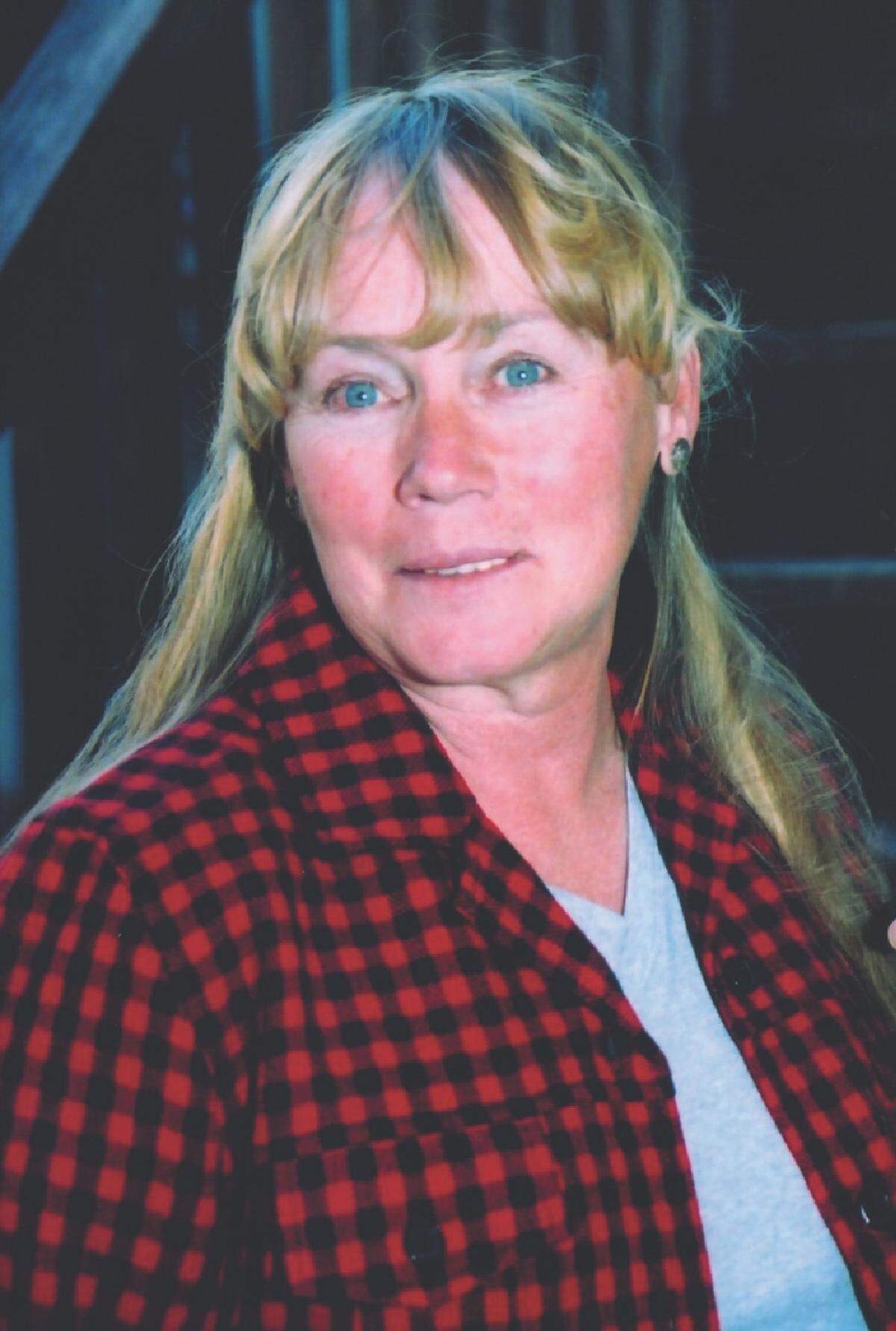
After years of worsening mental health problems, Downs shot and killed Yeager and Reilly, both in their 60s from Owens Valley, at Santa Margarita Ranch on Dec. 25, 2010. He had gone missing just prior, stopped taking his medication, and believed the two to be military officers who were part of an evil government conspiracy against the world, according to court testimony.
Hours later he used a wrench to try to beat Johnson to death. Johnson was a family friend.
Downs had been a straight-A student, in the honor band, and a “very popular kid” at Atascadero High School until he was diagnosed with schizophrenia at age 15, according to a San Luis Obispo County probation report. As his symptoms worsened over the years, his parents tried tirelessly to help him, according to Tribune reporting from the time.
In the year leading up to the killings, Downs periodically stopped taking his medications, and he went missing a month before the homicides.
Downs had been detained in involuntary 72-hour mental health holds several times in the months leading up to the shootings, and would often “cheek” — or pretend to consume — his medications.
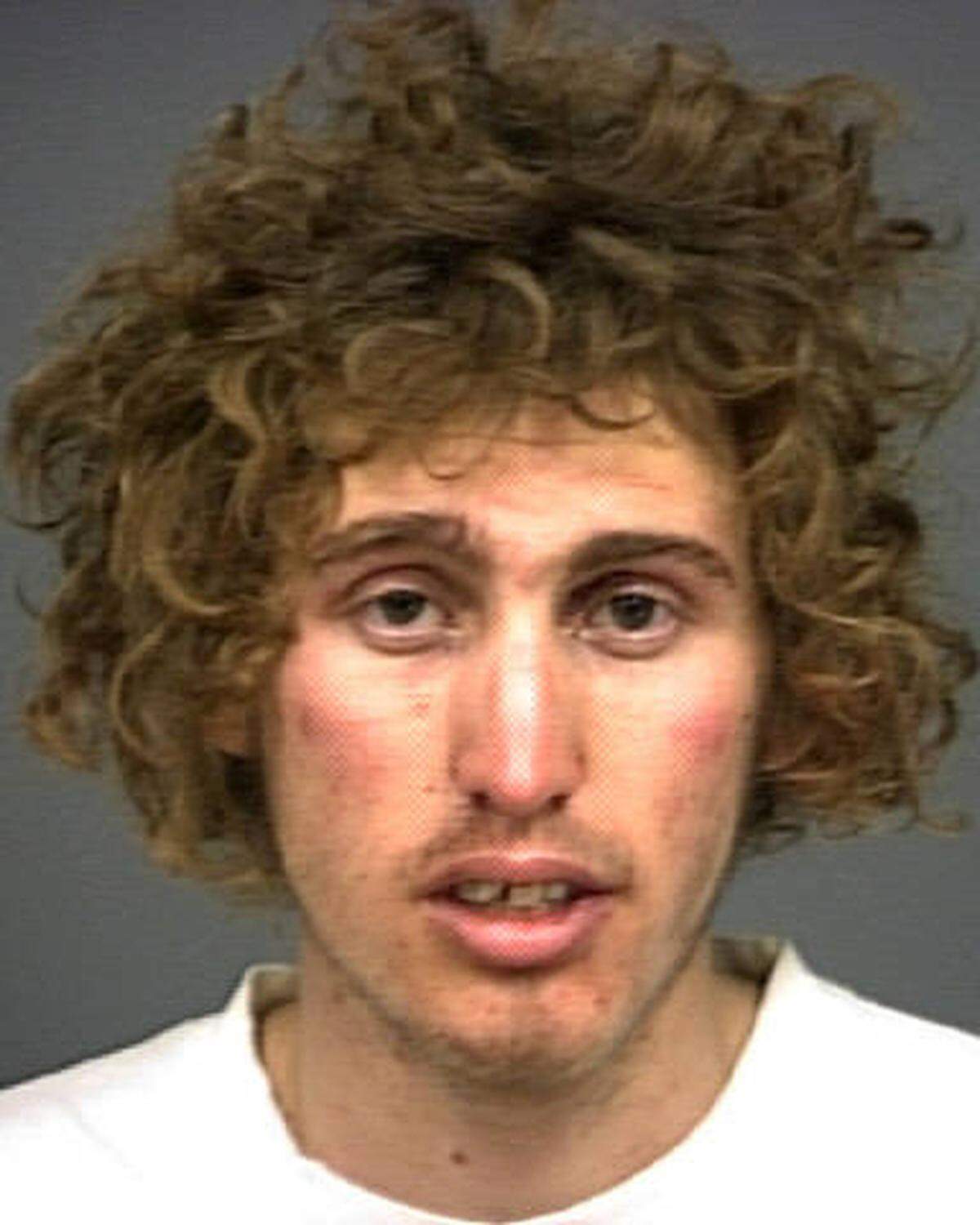
During his 2013 trial, his public defender, now-Superior Court Judge Matthew Guerrero, argued that Downs was not responsible for his actions because at the time of the homicides he could not tell the difference between right and wrong.
The District Attorney’s Office, represented by Deputy DA Dave Pomeroy, had argued for a prison term, saying that Downs’ daily use of marijuana played a role and that, even with his delusions, Downs could have chosen to avoid killing.
A forensic psychologist who testified for the prosecution surprised the courtroom by telling the jury that of the 15 cases involving not guilty by reason of insanity pleas that he had worked on, he’d found defendants sane in each one, save for Downs’ case.
After finding him not guilty by reason of insanity, since-retired Superior Court Judge John Trice said at the conclusion of Downs’ trial that the case not only “shocked” San Luis Obispo County but also revealed symptoms of a broken mental health system in which mandatory 72-hour holds are a “revolving door” to some patients.
“Andrew Downs did not ask for this,” Trice said at the time. “It was a terrible, terrible tragic event.”
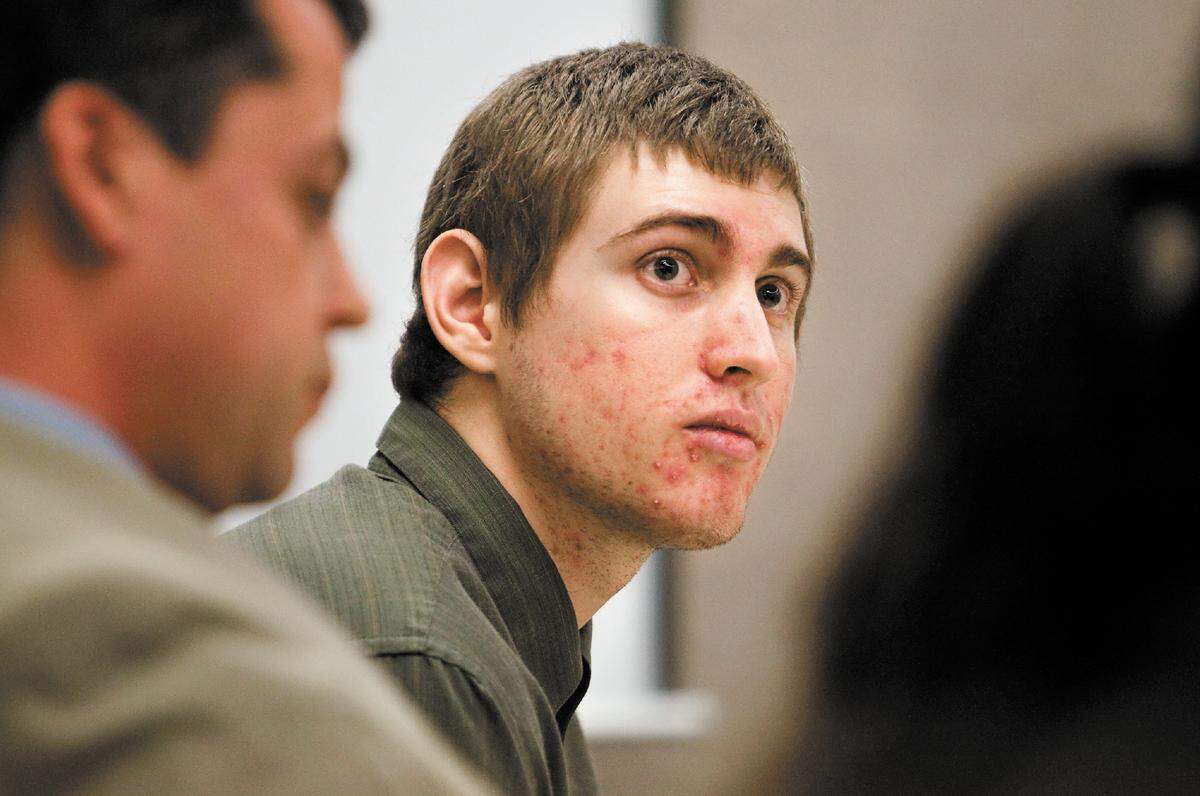
Though it is rare for a defendant in San Luis Obispo County to be found not guilty by reason of insanity for serious crimes such as murder, Downs’ case is not the most recent.
In September 2018, 56-year-old Thomas Terrell attacked an 82-year-old neighbor at her home in downtown San Luis Obispo. A charge of murder was filed after the woman, Louise Jean Villa, died two months later from complications that resulted from her attack.
It was later revealed that Terrell had a history of severe mental illness and involuntary stays at the county’s psychiatric health facility. He was off his medication at the time, and experts testified in his case that his actions were directly related to his mental illness.
According to court records, Terrell was found not guilty by reason of insanity in March 2019 and is currently housed at Atascadero State Hospital.
Reporting by The Tribune’s Nick Wilson contributed to this article.
This story was originally published August 27, 2021 at 9:00 AM.