‘What happened here?’ New books reveal a century of stories from SLO County’s past
If you’ve ever driven past an old building in San Luis Obispo County and wondered what stories it could tell, you might want to ask Stephen “Steve” Provost.
The former Cambria resident was my managing editor for three-plus years at The Cambrian, while also working for our big sister paper, The Tribune.
He’s also very good, extraordinarily fast writer working in a wide and eclectic range of topics and genres. Keeping up with Steve’s recent book output has been flat-out dizzying.
A recent look at Steve’s bibliography revealed 20 books spanning history, fantasy, horror and children’s fiction. His nonfiction subjects have included highways, cities, sports and malls.
The prolific blogger, author, editor and publisher of Dragon Crown Books wrote most of those books in the three years since he and his family left Cambria for their new home in Virginia. And Steve has assured me that he has lots more in progress or on his to-do list.
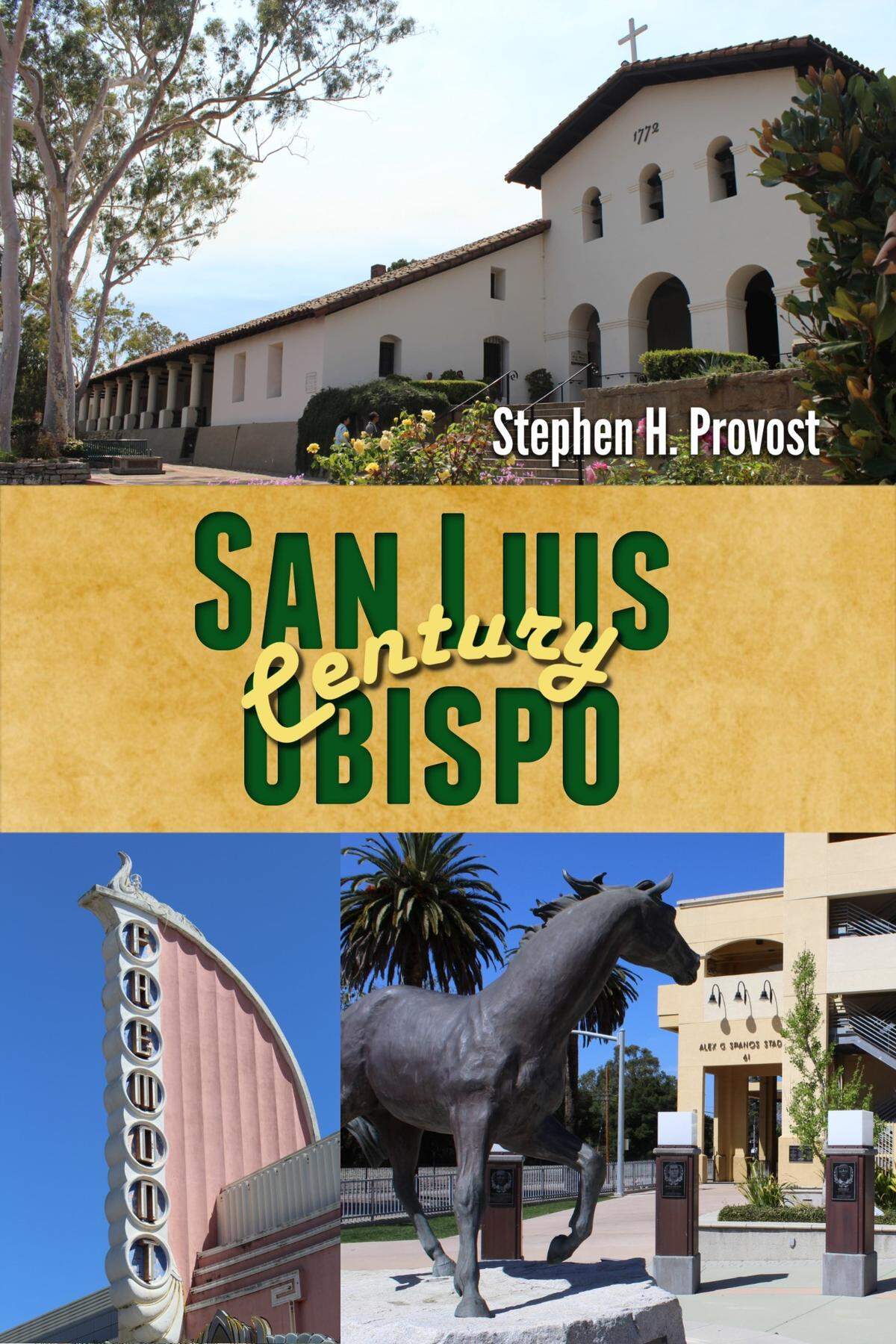
For me, two of Steve’s most recent nonfiction volumes — “Cambria Century” and “San Luis Obispo Century” — hit literally close to home. Both were published in July by Dragon Crown Books as part of the Century Cities series.
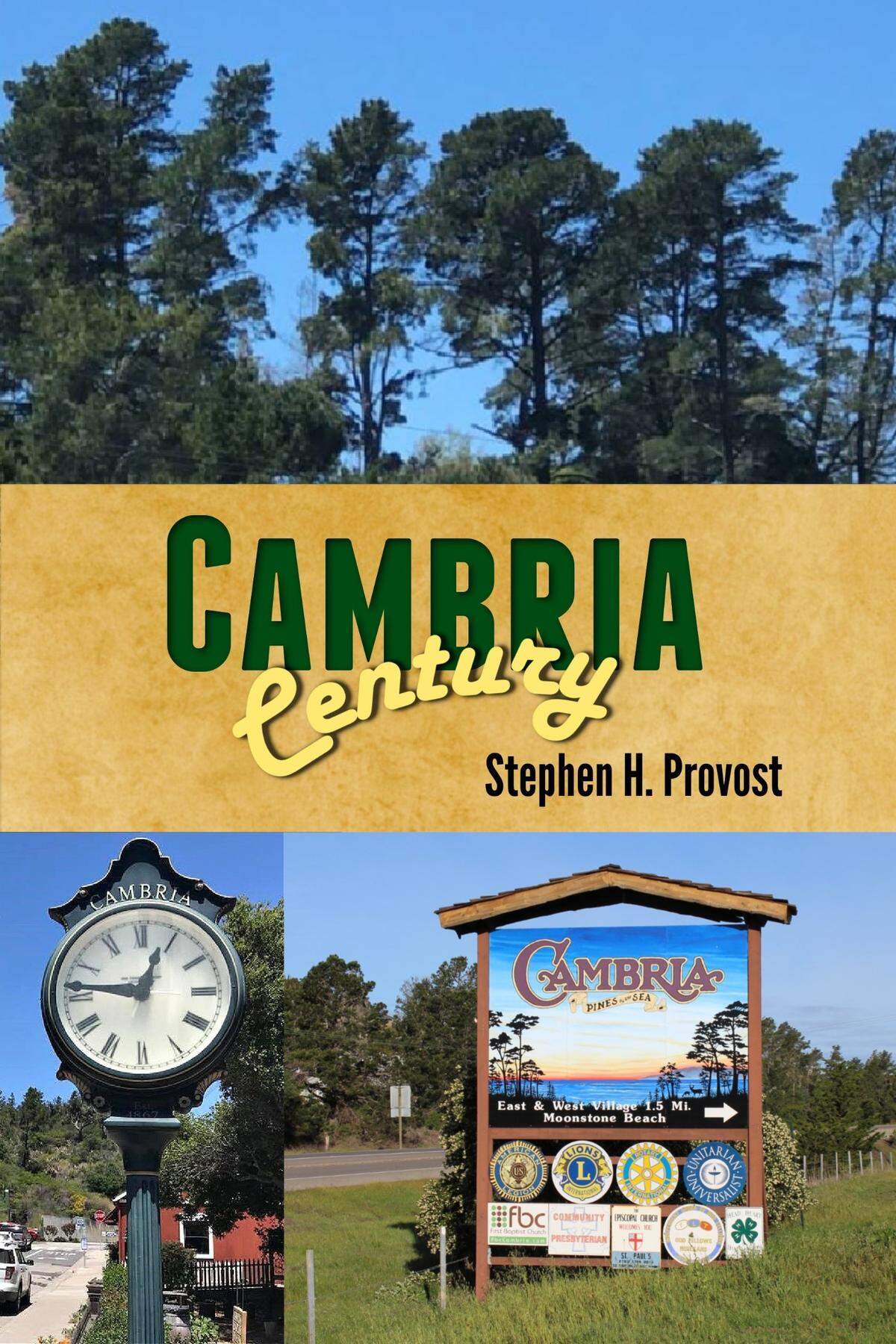
Each book lovingly covers a hundred years of history, a topic the writer obviously loves.
Steve told me via email that history had been his second choice as a college major, after journalism.
“The further into the 21st century I’ve gotten,” he wrote, “the more nostalgic I’ve become for the 20th.”
Steve explained that “the books are collections of short pieces about historical happenings,” which can be read as stand-alone stories or a timeline retrospective. “The format shows how cities evolved and developed over time, which I personally find fascinating.”
“I’m drawn to abandoned places that once were busy and thriving,” he wrote. “I like to ask the question, ‘What happened here?’ ”
“Cambria Century” and “San Luis Obispo Century” are part of Steve’s growing series of books that chronicle small and mid-sized American cities and towns in the 20th century. Another one in the series was due to be published and available by the end of August.
Both of the books provide lovely glimpses of the past, with chronological narratives to carry the reader through a remarkable century that spanned from horse-drawn carriages to space travel.
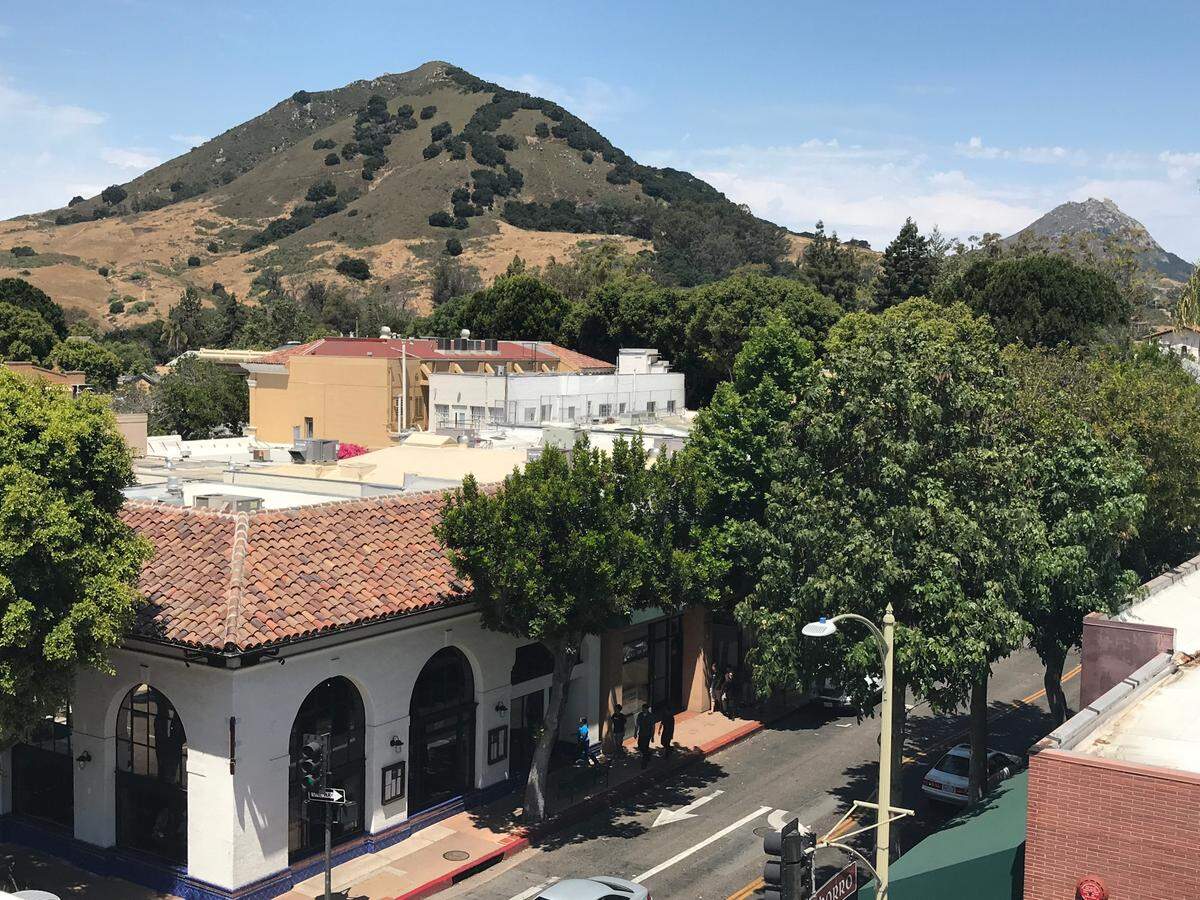
San Luis Obispo
According to Steve, “San Luis Obispo Century” contains “a wealth of anecdotes, nearly 100 contemporary and historic images, and details of familiar stories you thought you knew.”
Steve explained that readers will learn about a diverse collection of topics that made up the fabric of the growing city, such as San Luis Obispo business pioneer Ah Louis, the development of Highway 101 and the Cuesta Grade and the Sunset Drive-In movie theater.
Steve also writes about such businesses as Riley’s Department Store, Scrubby & Lloyd’s Burgers and Foster’s Freeze, as well as the building that housed a garage, William Randolph Hearst’s personal taxi service, a hotel annex and newspaper offices before it was torn down to make room for Mission Plaza.
In addition, his book covers Exposition Park, once considered the fastest automobile dirt racetrack in the West.
“Exposition Park, was built opposite a hillside where fans would camp out and watch the races free of charge,” Steve wrote. “The track couldn’t make money that way, so they closed it down. I’m not sure whether that’s funny, sad or both.”
Cambria
In “Cambria Century,” Steve elaborates about “the quicksilver mines and old saloons that made Cambria part of the wild, wild West … rodeos of the past and the birth of Pinedorado, Cambria’s annual Labor Day weekend celebration.”
He also highlights such vignettes as Cambria’s long-gone movie house and a tiny park on Main Street.
Steve wrote that, despite the town’s aversion to national chains, Cambria had for years a small A&W drive-in, which evolved into a quirky place called Calamity Jane’s and eventually to the Main Street Grill that’s there today.
That deep-seated antipathy for national-chains triggered quite a revolt decades ago when McDonald’s was considering setting up where the former Chuckwagon Restaurant had been. Didn’t happen. There’s a boutique hotel there now.

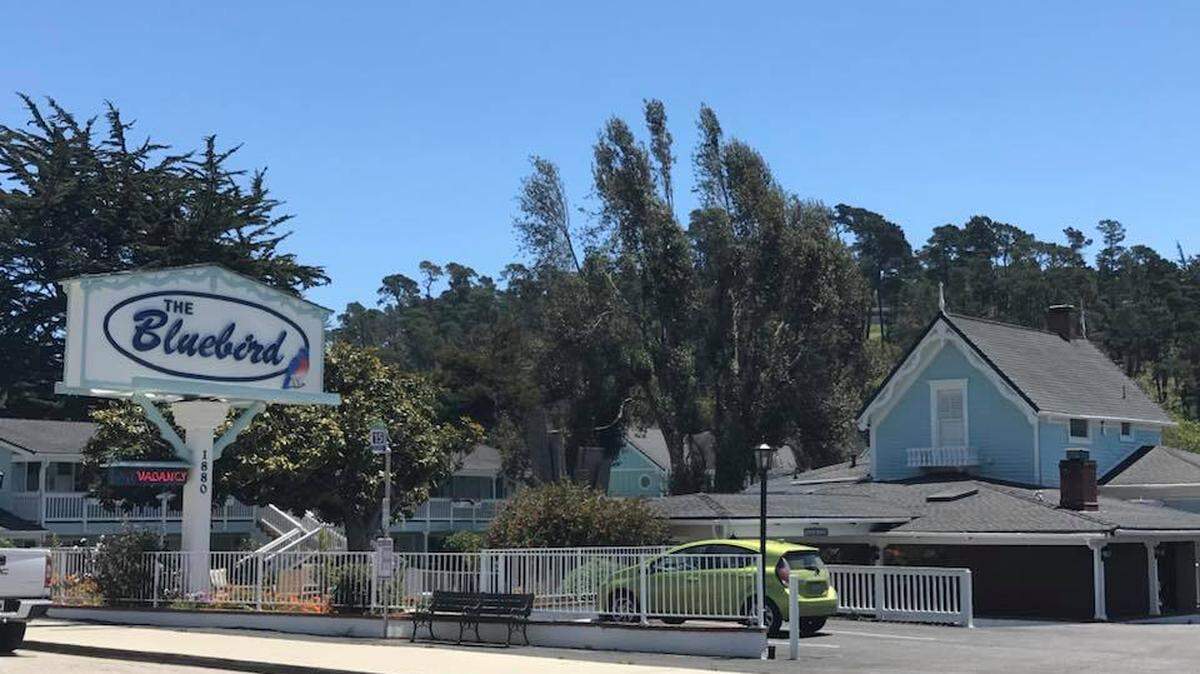
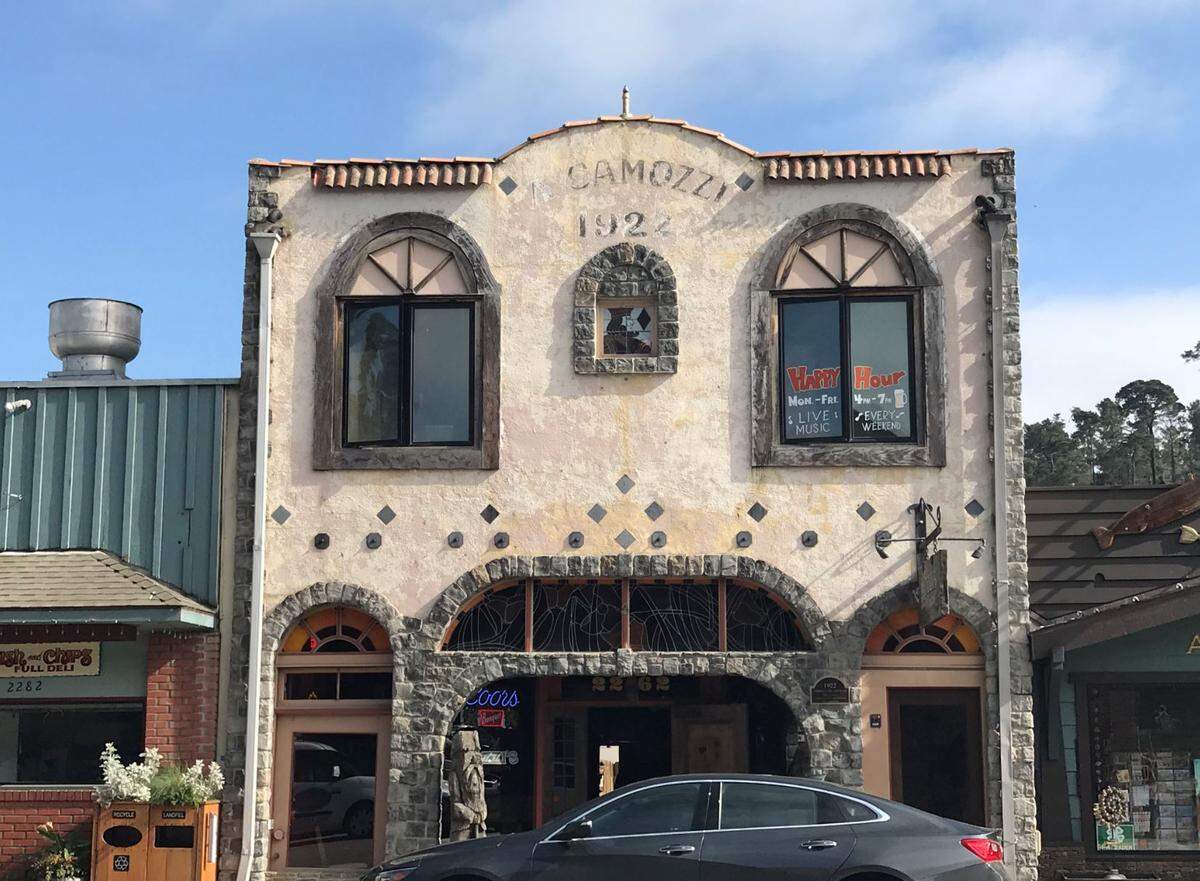
The Cambria book, Steve wrote, “will take you to William Randolph Hearst’s castle and Art Beal’s anti-castle overlooking the West Village. You’ll return to the Toy Soldier Factory, the Pewter Plough Playhouse, the Chuck Wagon, Exotic Gardens, Lyons’ Red & White store, Camozzi’s, the Rigdon Building, Bank of America and the Bluebird Inn.”
Some of those buildings are still standing and a couple of the businesses are still in business.
Knowing the back stories can make visits to those spots even more intriguing and enjoyable. In my mind, therein lies one of the pure pleasures of knowing the history of a place you’re in.
Steve Provost amplifies these voices of the past and lets them tell you their stories.
All of Steve’s books are available on Amazon at amazon.com/kindle-dbs/entity/author/B00UFWGMLY. Since some are in paperback, hit “all formats” to see the full selection.
Read Steve’s blog at stephenhprovost.com.