
SLO mayor to send letter outlining concerns with Phillips 66 rail project
UPDATE: SLO mayor asks planners to deny Phillips 66 rail project »
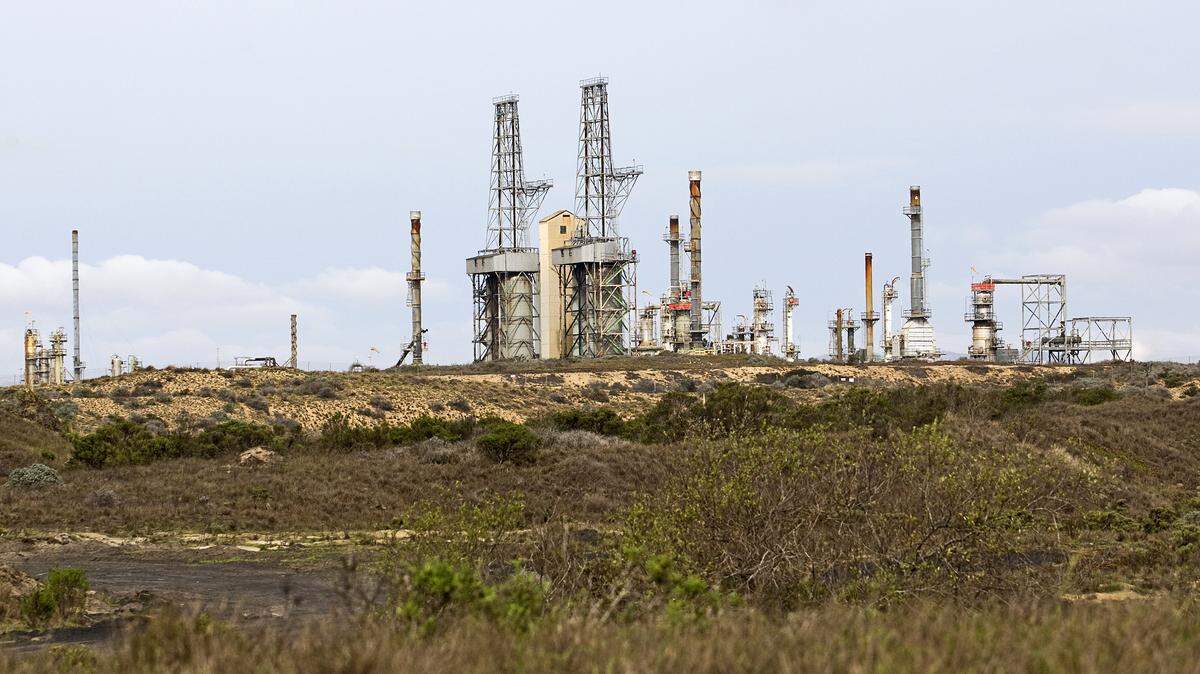
San Luis Obispo Mayor Jan Marx plans to send a letter to county planners with concerns about a proposed rail project that would allow crude oil shipments to a Nipomo Mesa refinery, following the council’s recent policy action discouraging the transportation of oil through the city.
The move follows a massive rail accident Monday in West Virginia in which a train carrying 3 million gallons of North Dakota crude oil derailed and caught fire.
During council comments at the end of Tuesday’s meeting, the San Luis Obispo City Council authorized Marx to pen a letter to the county Planning Commission about Phillips 66 Co.’s plan to make upgrades to its refinery to allow for crude oil deliveries by rail for processing.
No vote was taken, but the council has previously outlined its positions about rail safety in a 2015 legislative platform and in a recent update of part of the city’s General Plan, Marx said Wednesday.
In addition, city staff commented on the Phillips 66 proposal as part of the environmental review process, stating that increases in rail traffic would raise the potential for accidents and possible spills and impact local residents’ quality of life.
Marx said the timing of the letter was prompted in part by two emails the council received Tuesday from members of the Mesa Refinery Watch Group, which opposes the Phillips 66 rail project.
Both emails cited the West Virginia derailment. In that incident, all but two of the train’s 109 cars were tank cars, and 27 of them left the tracks, according to The Associated Press. Nineteen tank cars were involved in the fire, Randy Cheetham, CSX regional vice president, told The AP.
The derailment shot fireballs into the sky, leaked oil into a Kanawha River tributary, burned down a house nearby and forced nearby water treatment plants to temporarily shut down. The fire was still burning Wednesday.
“This oil train derailment danger is exactly what we are trying to convey,” wrote Linda Reynolds, chairwoman of the refinery watch group. “Expanding a dangerous, Rust Belt industry is not what San Luis Obispo County is about.”
City officials from throughout California have already sent letters to the county opposing the project, including those from Berkeley, Moorpark, Oxnard and San Jose, according to the Center for Biological Diversity, a nonprofit conservation organization that has opposed the project along with other environmental groups.
“This letter has been on my to-do list for a while,” Marx said, “so I just referenced those letters from a couple of members of the public … and the council decided to respond to their request.”
Phillips 66 is proposing to add 1.3 miles of track to an existing rail spur, including five parallel tracks, an unloading facility and on-site pipelines for trains to deliver crude oil for processing.
No crude oil or refined product would be transported out of the refinery by rail, but instead it would be refined and piped to the company’s oil refinery in Rodeo in Contra Costa County. There, it would be refined into gasoline, diesel fuel and jet fuel.
Phillips 66 anticipates unloading up to five trains a week with about 80 tank cars each, with a maximum of about 250 trains arriving each year.
A county Planning Commission hearing on the project was pushed back after the county was inundated with thousands of comments on the revised environmental impact report. A hearing date has not yet been set, said Ryan Hostetter, county senior planner.
Marx said she would incorporate city staff’s concerns about the project in her letter, as well as the council’s recent policy actions.
In its legislative platform approved Jan. 20, the council said it supports legislation to improve and enhance the safety of cargo transported by rail, including efforts to rapidly improve the safe transport of volatile crude oil and to reduce rail car speeds in populated areas such as San Luis Obispo.
In the recent update of the city’s Land Use and Circulation Element, the council adopted two programs:
To monitor and respond to changes or proposed changes in passenger and freight rail traffic that may impact the safety of local residents, including the transport of combustible materials; and to discourage the transportation of oil and other combustible hydrocarbons through the city.
The letter wasn’t put on a council agenda for a formal vote because its contents will reflect city concerns that have already been written in previous comments and will be consistent with the council’s approved policies, City Attorney Christine Dietrick said.
This story was originally published February 18, 2015 at 6:40 PM with the headline "SLO mayor to send letter outlining concerns with Phillips 66 rail project."