SLO County town won’t add controversial surveillance camera on CSD property
Amid national controversy surrounding Flock Safety’s automated license plate readers, the Oceano Community Services District debated the installation of a camera on its property — and ultimately voted against it.
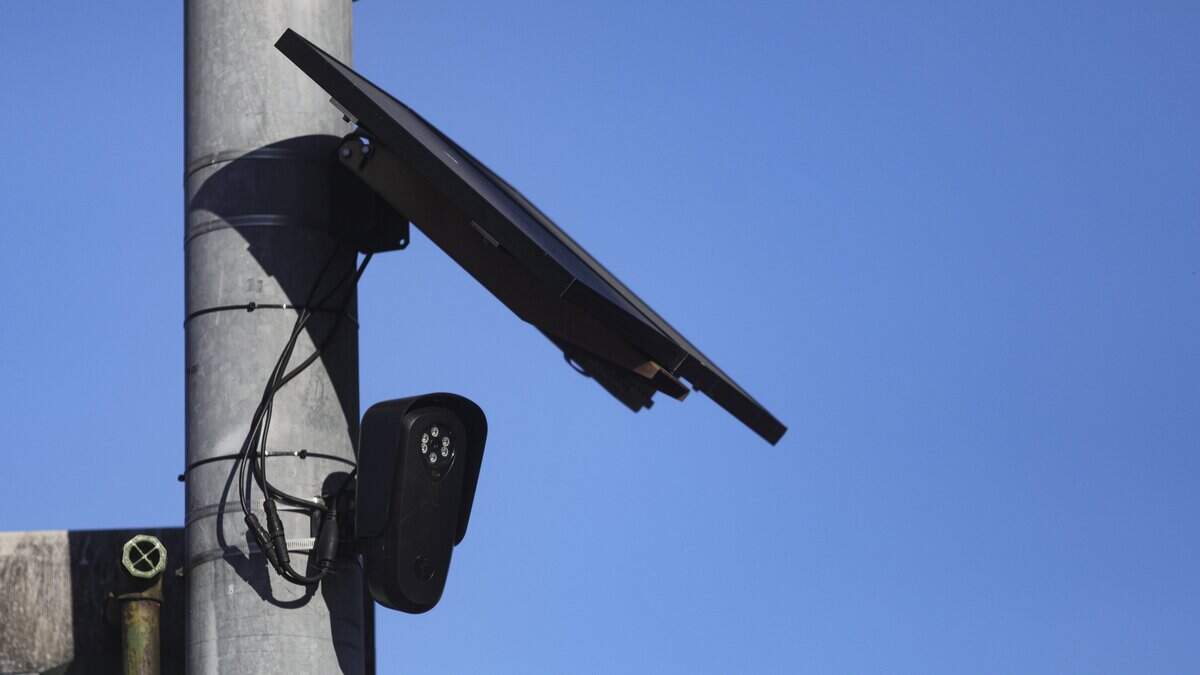
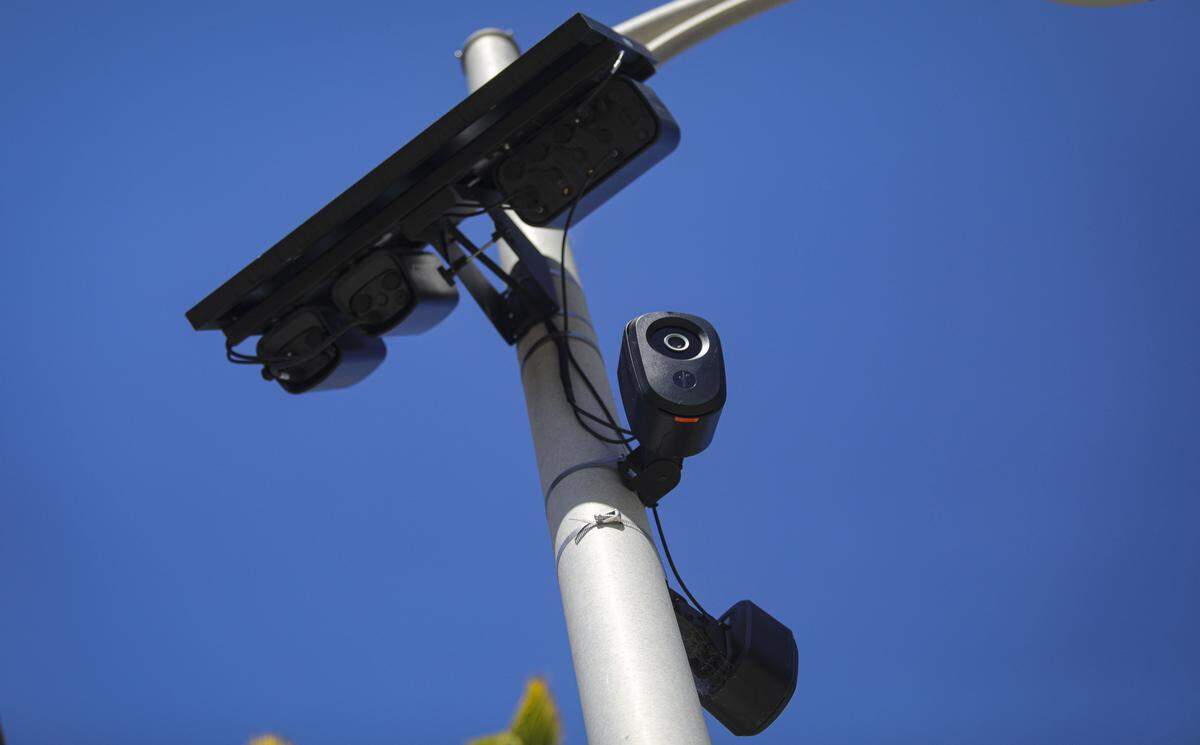
Flock Safety, a surveillance technology company, has contracted with several law enforcement agencies in SLO County, including Cal Poly, the Grover Beach Police Department, the San Luis Obispo Police Department and the San Luis Obispo County Sheriff’s Office.
Flock’s cameras have been the subject of local protests and online activism over the past year, with SLO County residents and Cal Poly students raising concerns about the company’s history of data breaches and involvement in immigration enforcement.
Why did Sheriff’s Office request new Flock camera?
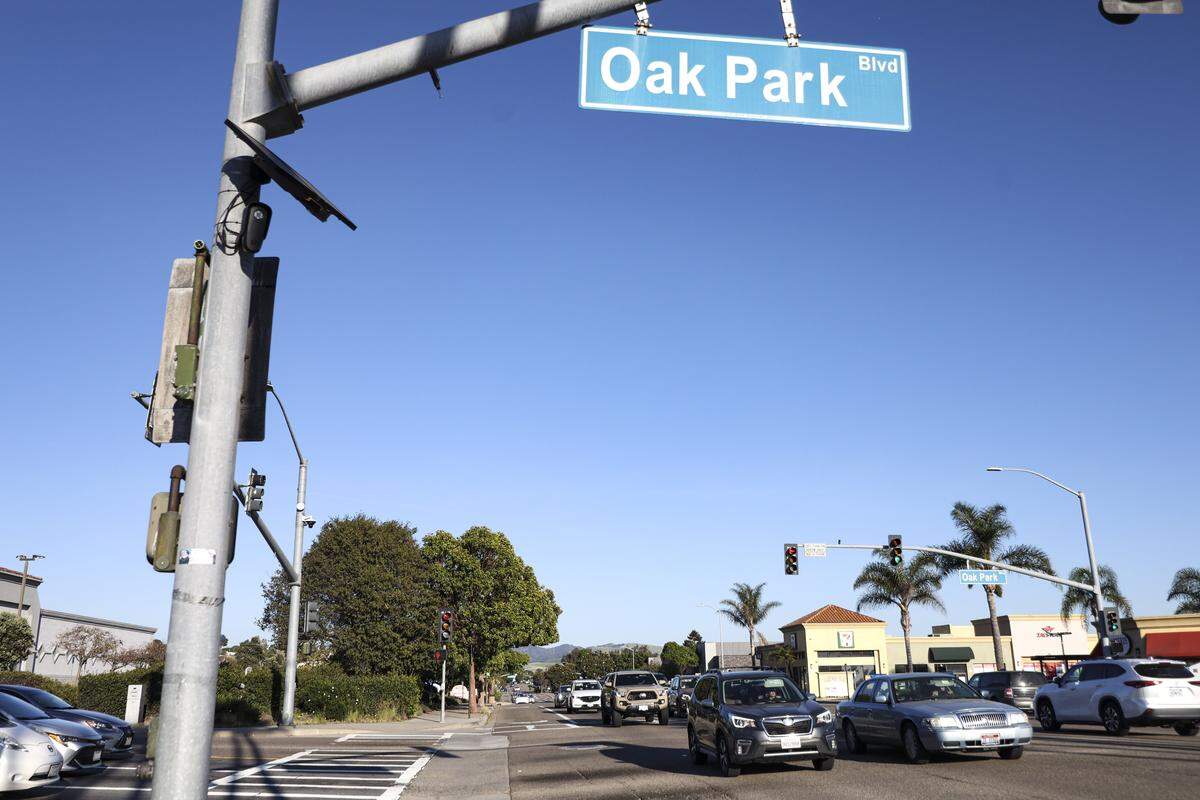
As part of its ongoing Flock contract, the SLO County Sheriff’s Office asked the Oceano Community Services District to approve a camera at the Sheriff’s Oceano Substation, which it leases from the district.
Cmdr. Ian Doughty made the request in a June 22 email to the district’s general manager, Will Clemens.
He wrote in the email that the Sheriff’s Office has contracted with Flock to install “approximately 20” license plate readers throughout the county.
Doughty said most of the cameras have already been installed, but several of the remaining ones are planned for highways — a route that requires a “lengthy” Caltrans permitting process.
“If we were to receive permission from the Oceano Community Services District to install the camera on South Station property, we would avoid the delay form Caltrans,” Doughty wrote in the email. “The license plate readers are extremely helpful in retroactively solving crimes, recovering stolen property and locating missing persons.”
Doughty introduced the request for the Flock camera’s installation at the district’s July 8 meeting.
During that meeting, he said the Sheriff’s Office has had an automated license plate reader program in place since 2014, and the office’s contract with Flock is part of years of “slowly expanding upon” that program.
Sheriff’s Office spokesperson Tony Cipolla wrote in a statement to the Tribune that the Sheriff’s Office currently has approximately 30 cameras throughout unincorporated areas of the county.
In June 2025, he said, the Board of Supervisors approved funding for an additional 19 Flock license plate readers, which will be placed in high traffic areas, and four video cameras, which will be placed at various trailheads.
Community members oppose new security camera in Oceano
After Doughty spoke, seven community members stood to provide public comment — all in opposition to the camera.
Clara Fulks, a SLO county resident who holds a master’s degree in artificial intelligence and runs a consulting business focused on digital safety, spoke during the meeting to “urge the board to not adopt a new Flock camera.”
“Flock Safety is known, actually quite famous, for breaching data sharing agreements,” Fulks said. “When these data sharing agreements are broken, data is transferred from not just local police departments across municipalities, but also to federal agencies.”
Fulks also noted that, in 2019, the ACLU found that the SLO County Sheriff’s Office was breaking a data sharing agreement and sharing license plate reader data with ICE.
In a statement to The Tribune, Sheriff’s Office spokesperson Tony Cipolla said their records do not show any sharing of license plate reader data with ICE. He said that, under California law, license plate reader information can only be shared to another public agency, which includes state, county and city law enforcement agencies but not federal ones.
Several of the public comments submitted via email cited a February NPR article about Flock, which states that “many city officials have realized after the fact that they were sharing their data more broadly than they had known, and that federal agencies, including U.S. Border Patrol, had searched their data.”
After public comments raised concerns about Flock’s data privacy, Doughty spoke again to clarify how the data is managed.
“Reviewing the contract with Flock, they maintain the data, and they receive it, but the Sheriff’s Office owns the data,” Doughty said.
Oceano CSD votes against new Flock camera
Each board member then gave their opinion on the issue before moving forward with a formal vote.
District Vice President Kim Rose and Director Linda Austin each spoke in support of the camera.
“I understand the comments here, but the Sheriff’s Office here, they don’t operate that way,” Austin said. “They’re not out to get people, and if they are, it’s because they’re criminals.”
President Shirley Gibson, and directors Allene Villa and Beverly Joyce-Suneson each opposed the camera due to concerns about privacy and its proposed location next to the Community Services District office.
“How can we trust a private company with the Sheriff’s Office’s data?” Gibson said ahead of the vote.
Villa said she opposed the camera mainly because of its proposed location near a community space.
“Honestly, I’m all for it, but not at our Community Services District, where people come to pay their bills, and we have a large Latino community,” Villa said. “This place is considered a safe place, a voting place.”
The final vote was 3-2 to reject the camera’s installation.
After the vote, Lisa Hernandez, a Nipomo resident who spoke during the meeting, said she was “pleasantly surprised” by the board’s decision.
Kathy Gonzalez, who also attended the meeting to speak in opposition to the Flock camera, said she was relieved by the board’s decision, but felt like they “won a battle, but haven’t won the war.”
“The way to win the battle is getting the whole community involved, the whole county of San Luis Obispo, to let them know that their privacy is in danger,” Gonzalez said. “If we start sharing it across social media, we’ll be able to get all age ranges to come out, and to fight back and to stand against these Flock cameras.”