Whistleblower sues SLO, alleges building safety violations, inflated fees
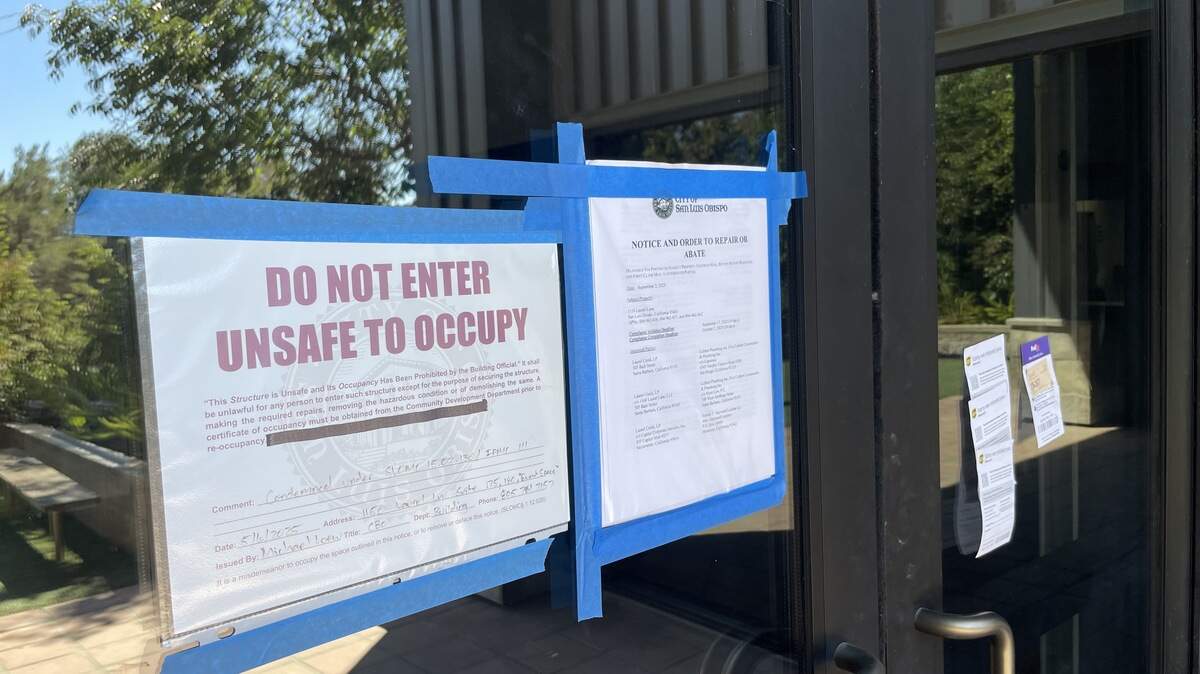
A former San Luis Obispo employee has filed a whistleblower lawsuit against the city accusing it and top city officials of overcharging building permit fees and keeping a dangerous building open to public businesses for six months beyond what was safe.
The employee also alleged the city and officials retaliated against him for reporting these violations, through a “sustained campaign to silence, punish and ultimately force (him) out,” according to a complaint filed June 12.
Michael Loew was SLO’s deputy director of community development and chief building official from March 2022 until he resigned one year ago on June 19, 2025. The position remains vacant, according to the city’s building and safety division website.
His duties included enforcing state and local building codes, managing the city’s fee-supported regulatory programs and condemning unsafe buildings — duties “the law made mandatory,” Loew’s lawyer David Secrest told The Tribune in an emailed statement.
In his whistleblower lawsuit, however, Loew alleged that “he was directed by city leadership not to comply” with his stated responsibilities.
The lawsuit names city manager Whitney McDonald, assistant city manager Scott Collins, director of community development Timothea Tway (Loew’s former direct supervisor) and city attorney Christine Dietrick.
The lawsuit also alleged the city based its fees charged to building owners, homeowners and developers on a projected budget much higher than actual department expenses, such that the fees brought in an extra million dollars in revenue annually.
When Loew raised these concerns to the city “repeatedly and through appropriate channels,” officials retaliated, the lawsuit says.
“They stripped him of key enforcement duties, denied him budget resources ... excluded him from safety initiatives” and “subjected him to a three-hour intimidation session in which the city manager accused him of being ‘immoral,’“ the complaint said.
The city and its officials “constructed working conditions so intolerable that he had no reasonable alternative but to resign,” after which the retaliation continued through public attacks against his credibility, the complaint said.
Loew is seeking “all available remedies,” including back pay, front pay, emotional distress and punitive damages and attorney’s fees from San Luis Obispo and the named city officials, the complaint said.
“The city maintains that it engaged in no wrongful conduct and believes these allegations are entirely without merit,” assistant city attorney Markie Kersten told The Tribune in an emailed statement. “The city looks forward to vigorously defending its position.”
A case management conference for the lawsuit is scheduled in Superior Court on Oct. 12.
“We look forward to presenting the facts in court,” Secrest said.
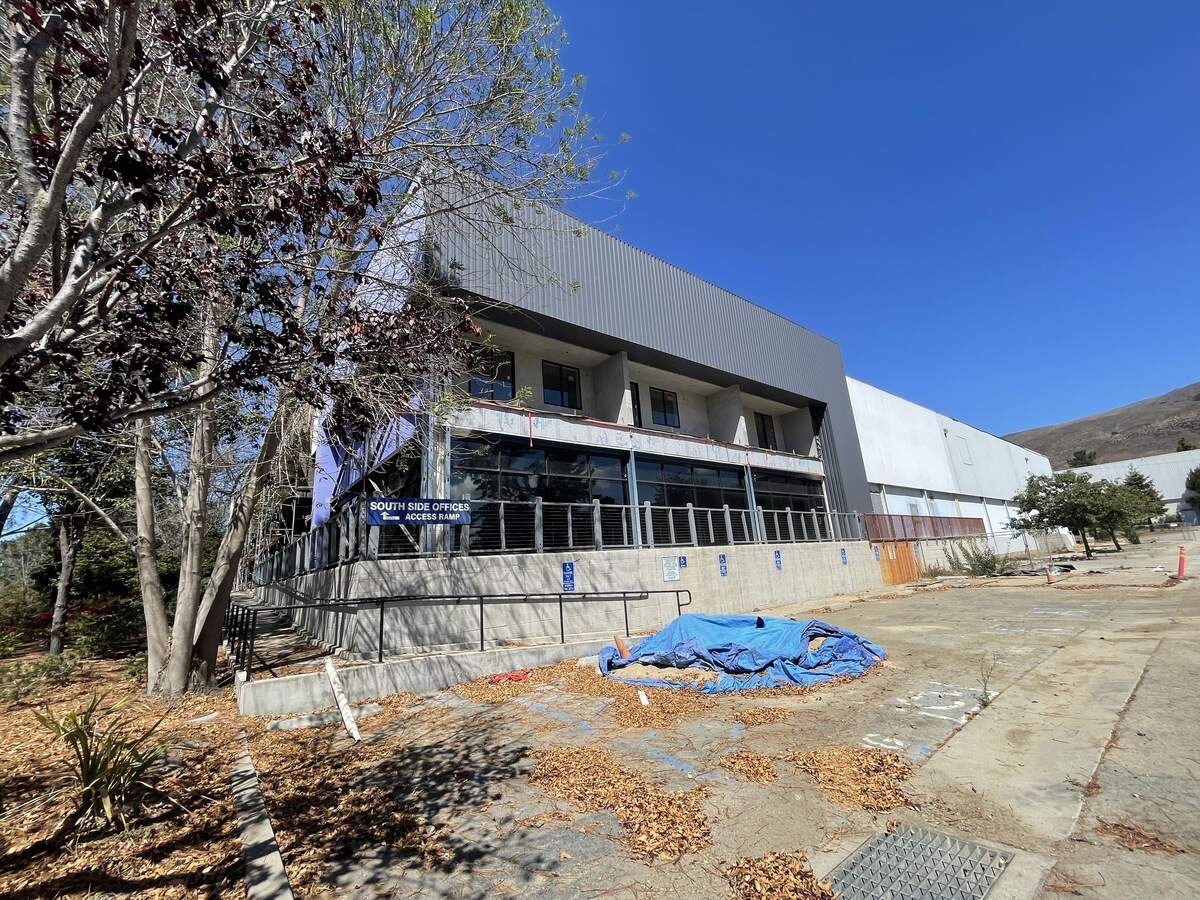
Warnings about safety of Bang the Drum building ignored, lawsuit alleges
Some of Loew’s allegations center around 1150 Laurel Lane, the now-condemned warehouse that once housed the popular Bang the Drum brewery and SLO City Church.
The building’s unsafe condition — which was largely due to abandoned construction — allegedly remained unaddressed for at least six months after he raised alarm. According to the lawsuit, his cries to the city fell upon deaf ears.
In November 2024, Loew, in his capacity as chief building official, determined the property “posed a serious and unreasonable risk to the life safety of occupants and the public,” and was also being used and occupied without valid authorization, the complaint said.
But building residents were not notified to vacate until March 10, 2025, an order that was upheld at a May 5, 2025, SLO Construction Board of Appeals hearing.
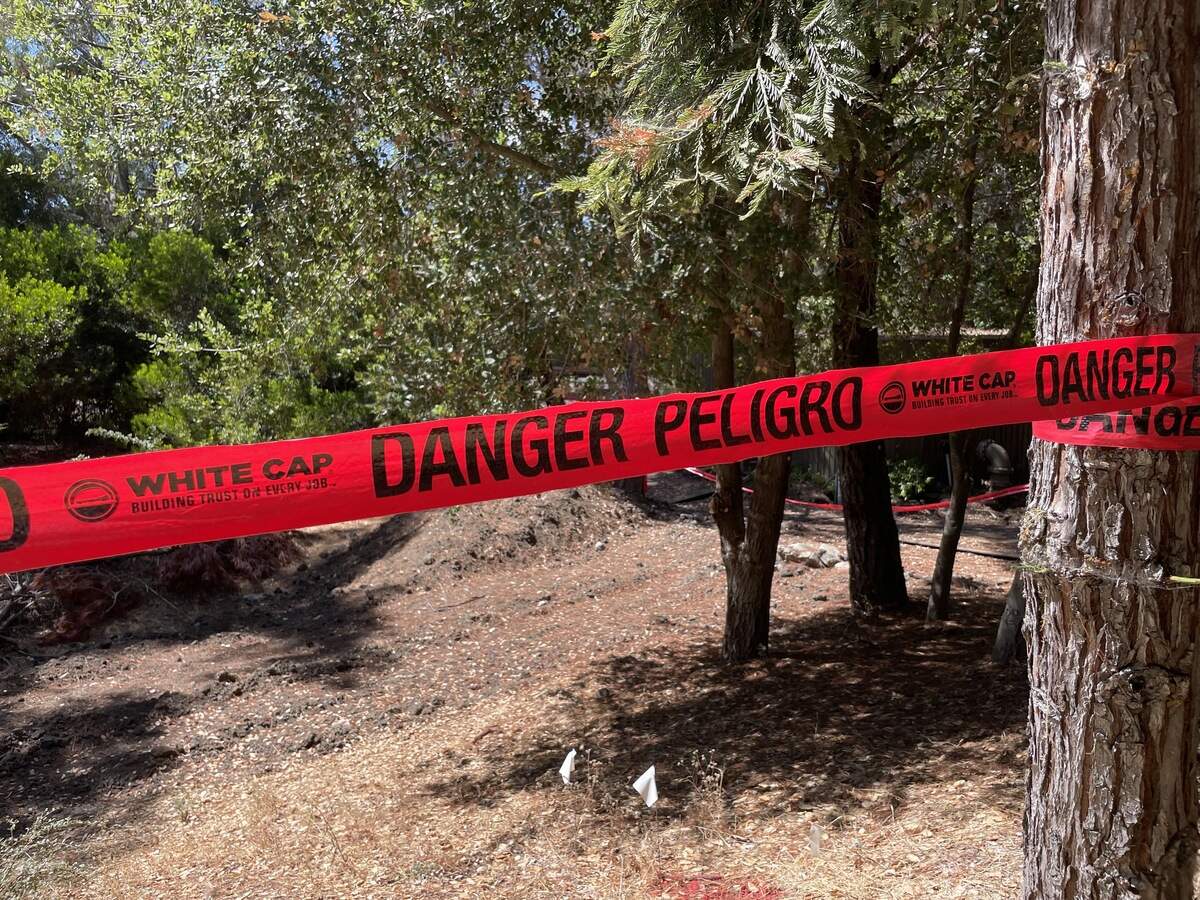
At the appeal hearing, former SLO Fire Chief Todd Tuggle said, “The building was too dangerous for firefighters to enter in the event of an emergency, confirming the severity of the life-safety risks plaintiff had identified and reported,” according to the lawsuit.
Also, days before the appeal hearing, on May 1, Mayor Erica Stewart reportedly posted on her social media about a social event at the building, “thereby exposing members of the public to known life-safety hazards,” the complaint said.
The lawsuit alleged that prior to the board of appeals hearing, McDonald had directed that fire marshal safety hazard placards placed on the building be removed and McDonald, Collins and Tway told Loew not to condemn and placard the building.
The lawsuit alleged this directive was in violation of the International Property Maintenance Code adopted by SLO in 2021, as well as other state laws and local ordinances.
Loew did ultimately place a placard on the building and condemn it on May 6, the day after the appeal was overturned.
Ten days later, Dietrick allegedly wrote a directive to Loew to “cease enforcement,” and Tway — Loew’s direct supervisor — simultaneously issued a “written reprimand” to Loew, the complaint said.
According to his lawsuit, Loew believed the city’s conduct was “illegal, unsafe and unethical.”
Lawsuit alleges city overcharged land use fee by $1 million a year
Another core allegation of Loew’s lawsuit is that the city was overcharging home and building owners, developers and contractors for regulatory use fees, collecting more than the fee-funded permit and inspection program’s cost to deliver.
In August 2023, the city hired a consultant to conduct a comprehensive user fee study based on expenditure history and financial data from fiscal year 2022-23, the complaint said.
The consultant concluded that the division was reaping $1 million in revenue annually from the fees it collected and recommended a 35% reduction in the rates, the complaint said.
As chief building official, Loew also separately reviewed the division’s expenditure data back to 2015 and identified “a multi-year spending trend that confirmed and substantially expanded the scope” of the consultant’s single-year analysis, the complaint said.
In response to this study and “to avert this reduction in revenues,” city officials directed Loew that December to develop “an entirely new cost-justification methodology for building and safety fees, one based not on the division’s actual historical expenditures, but on the estimated cost of what the division ‘should’ cost to operate at the level its services warranted,” the complaint said.
This “forward-looking cost model” was used to “justify” keeping the $1 million fee revenue, the lawsuit alleged.
Loew did so, but in May 2024, when he requested an operating budget of more than $500,000 — half of the “estimated” cost of operation he was told to base his model after, “those budget requests were largely denied by city leadership,” the complaint said.
As a result, Loew believed that the city’s fee collections exceeded the reasonable cost of services actually provided, noting other financial “discrepancies,” too.
According to the lawsuit, the building and safety division had a budget surplus of about $7.2 million during fiscal years 2019-2025, proving it was generating more than it was spending. At the same time, the 2024 fee study asserted the division recovered only 96% of its $3.9 million in costs, putting it at a $145,474 annual deficit, the complaint said.
However, the lawsuit claimed the fee study was “inflated” and included $500,000 worth of operations funded by the city’s general fund, not the permit fees, to justify their collection.