How 2 SLO doctors blended women’s health and primary care via a new health model
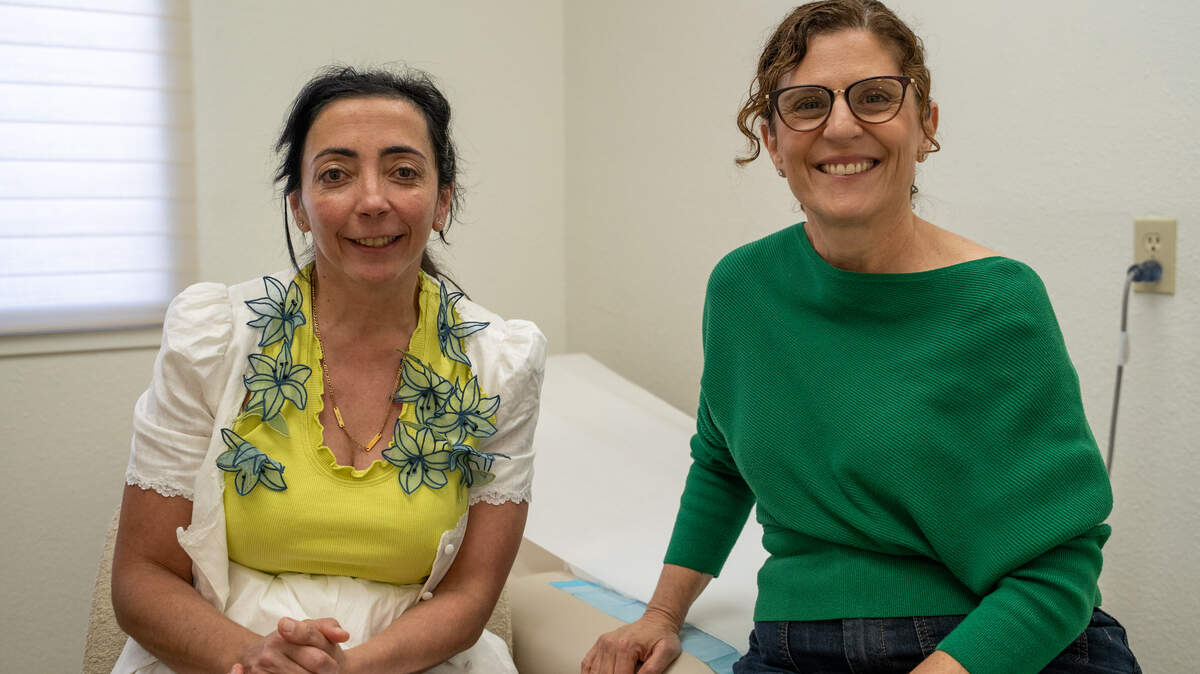
After decades of caring for patients in San Luis Obispo County’s corporate health system, Drs. Christine Lopopolo and Heidi Sungurlu felt their impact on individual health was waning, even as they climbed the ladder of leadership.
Between growing staffing inconsistencies, more hours spent on administrative paperwork vs. one-on-one patient time, and the county’s rural Medicare designation — which keeps Medicare reimbursement rates low, driving some doctors away — Lopopolo and Sungurlu began to feel the strain of working in the traditional hospital system.
The doctors, both specialists in gynecology, served San Luis Obispo County residents first as physicians, then as department chairs through the Adventist Health system, but even as their administrative responsibilities grew, they realized that their skills could be better used elsewhere.
“People are just unhealthier, whether it’s food or environment that affects them, and so when I started feeling some of the pulls of being in big corporate medicine, I had to look at what was going to work better for me personally, so I could provide the kind of care that’s congruent with who I am,” Lopopolo said. “I like people, and I like to talk to them and get to know them, and I couldn’t do that in a 15-minute appointment, so (I was) kind of pulled to this different style of medicine.”
Their answer? To leave corporate healthcare and establish their own clinic operating under the MDVIP healthcare umbrella, a company that operates using a “personalized primary care” model.
Under this model, Lopopolo and Sungurlu say they’ve been able to build stronger relationships with their clients and spend more time on individual visits, while providing a more comprehensive approach to tackling their patients’ health issues.
While they have started serving all patients regardless of gender, their primary area of expertise is in women’s health — and their new model makes it easier to apply that expertise, Sungurlu said.
“A better model is to have the gynecologist provide the primary care aspect anyway, because there are times where a woman’s symptoms are, although not gynecologic in symptomology, sometimes a hormonal (imbalance) is related, and so the primary care providers that they were seeing weren’t really aware of it,” Sungurlu said. “I feel like our relationships with our patients often are closer than the average primary care provider, maybe because of all the years of doing obstetrics with them, and you get to know them really well.”
Is MDVIP a concierge clinic?
Though MDVIP does not specifically refer to its model as concierge medicine — instead saying on its website that it “offers concierge benefits but isn’t concierge” — it bears plenty of similarities, with some added benefits.
Concierge medical practices charge annual or monthly fees in exchange for providing a host of services and benefits for patients.
“With MDVIP, the annual membership fee is tied to a specific deliverable: the MDVIP Annual Wellness Program, a 90-minute executive-style physical tailored to each patient’s age, history, and health concerns,” a spokesperson for the company said in an email. “It includes advanced labs, diagnostics, and screenings that go well beyond a standard annual physical — covering areas such as heart health, bone density, diabetes risk, brain health, sleep quality, and more.”
Clients of concierge practices can expect shorter waits for appointments, longer visits and access to more specialized services, according to a December 2025 study by Johns Hopkins University.
It’s a model that has exploded in popularity in recent years.
Between 2018 and 2023, the number of concierge and primary care practices skyrocketed by 83.1% from an estimated 1,658 practices to 3,036, expanding from an estimated 3,935 clinicians to 7,021 over that timeframe, according to the Johns Hopkins study.
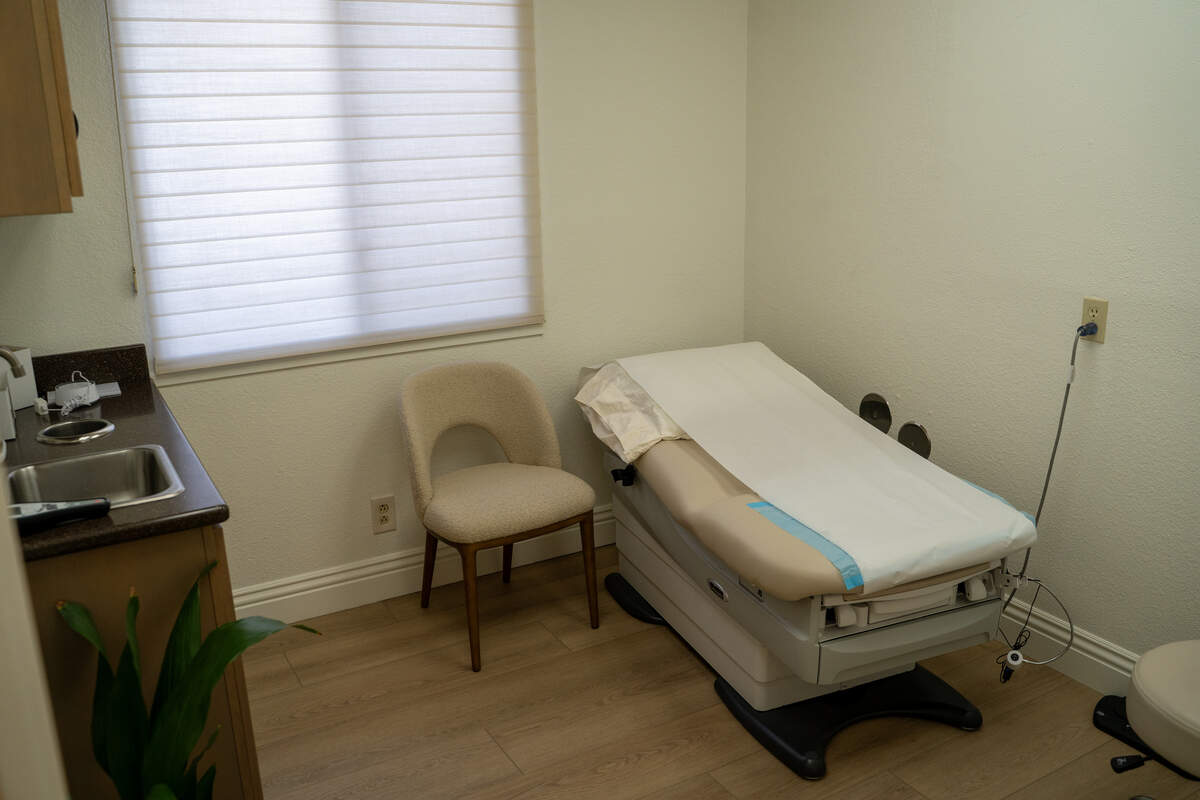
Lopopolo and Sungurlu’s San Luis Obispo clinic, ThriveWell Women’s Health, charges the standard MDVIP fees: $675 for quarterly payments, $1,350 for semi-annual payments or $2,700 for annual payments, according to MDVIP’s website.
Lopopolo said the new clinic was able to accommodate longer visits, which can run as long as around an hour, by cutting down the administrative paperwork and note-taking that dominates much of the day-to-day schedules of primary care physicians.
Part of that comes down to simple changes such as going all-electronic with paperwork and leaving the note-taking to AI, Lopopolo said. The doctors also chose to drop obstetrics from their care, as the unpredictable nature of pregnancy proved disruptive to providing responsive, comprehensive primary care, Sungurlu said.
All told, it’s typical for a doctor in a healthcare system like Adventist Health to have a panel of roughly 1500-2000 patients, whereas each doctor’s panel is currently capped at 350, an MDVIP spokesperson said.
“We used to see 30 patients a day, and do a surgery before office hours, and do a surgery at lunch,” Lopopolo said. “Now we see half that — maybe eight to 10 — so you have a longer time to spend with them.”
Unlike direct primary care — another model that circumvents the traditional primary care system by eschewing health insurance in favor of a flat rate paid monthly or annually for quick access to doctors — ThriveWell and other MDVIP clinics take payment from traditional health insurance and Medicare, Sungurlu said.
“The fee our patients are paying for is a separate wellness preventative (program) that the insurance doesn’t typically cover,” Sungurlu said. “All the other services that we do, it’s your traditional practice of medicine, and we bill insurance.”
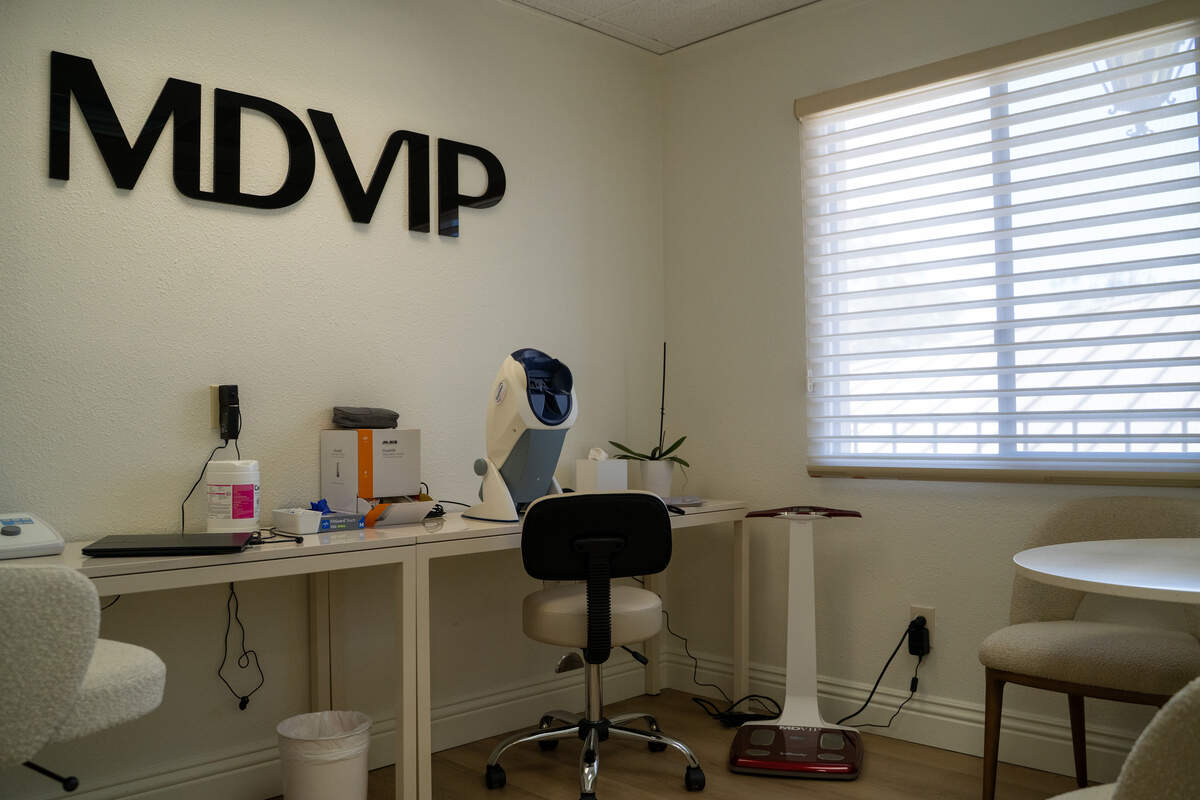
ThriveWell offers unique prevention, wellness benefits
The doctors own their practice and can run it as they see fit, but they require their patients to participate in the MDVIP wellness and preventative programs “because that’s what complements the method of care we want to provide,” Sungurlu said.
That wellness program involves looking at an individual’s overall health through a variety of lenses, including nutrition, exercise routines, bone health and hormone replacement therapy, Sungurlu said.
It also includes advanced diagnostics to assist with cardiovascular health, stroke prevention, diabetes management, hearing, sleep quality, mobility, fitness, and emotional well-being, according to the clinic’s website.
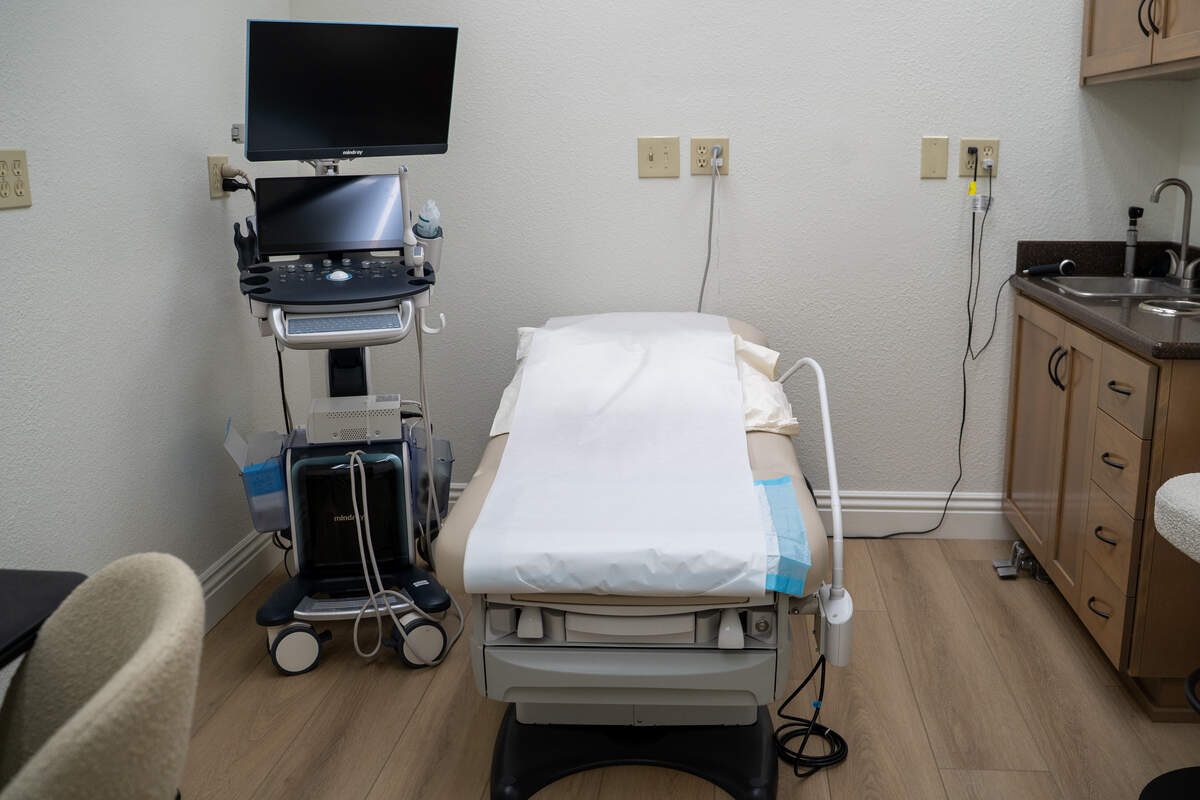
While their initial focus was on women’s health, they’ve started broadening their care to clients regardless of gender as word-of-mouth has spread.
“You have to adapt quickly in medicine, yet a system can’t adapt as quickly,” Lopopolo said. “That’s what’s fun about being in our own practice.”
Lopopolo said she understands why some people may have reservations about a model of care that involves higher costs, but most people are already paying for aspects of their health already outside of the conventional primary care system, whether it’s Midi — a virtual clinic focused on women’s health — or other health-adjacent services.
“I mean, do I wish everyone had access to something like this — I mean, we all should,” Sungurlu said. “I think this is what we all need to advocate for when it comes to the future of medicine.”
“People look at this as like, ‘I’m paying for my health, I’m paying because I’m paying for insurance,’ but the insurance is deciding and dictating only this small strategy of medicine, and if you want to do more for your health, then it’s going to have to be services outside of that, and that’s the part that not a lot of people are aware of, and they don’t realize that that’s what we’re actually doing here,” Sungurlu continued. “It’s not just paying at another cost for something that you already have.”
Potential patients can reach ThriveWell for more information at 1223 Higuera St., Suite 203, via phone at 805-864-5330 or at thrivewellslo.com.