SLO hospital is hosting free skin cancer screenings. When to get checked
Have a suspicious mole or dark spot on your skin?
You can get it checked out by a professional for free at a local hospital.
Adventist Health Sierra Vista will host a free skin cancer screening on Monday, May 4, in observance of Skin Cancer Awareness Month.
“Early detection can save your life,” Adventist Health said.
Should I get a skin cancer test?
Skin cancer is the most common form of cancer in the United States, according to the federal Centers for Disease Control and Prevention.
Each year, a total of 6.1 million adults are treated for basal cell and squamous cell carcinomas, according to Medical Expenditure Survey Panel data.
“Most cases of skin cancer are caused by overexposure to ultraviolet rays from the sun, tanning beds or sunlamps,” the agency said.
You can take simple steps to reduce exposure and lower your risk of getting skin cancer.
Where can I get a skin cancer screening? When?
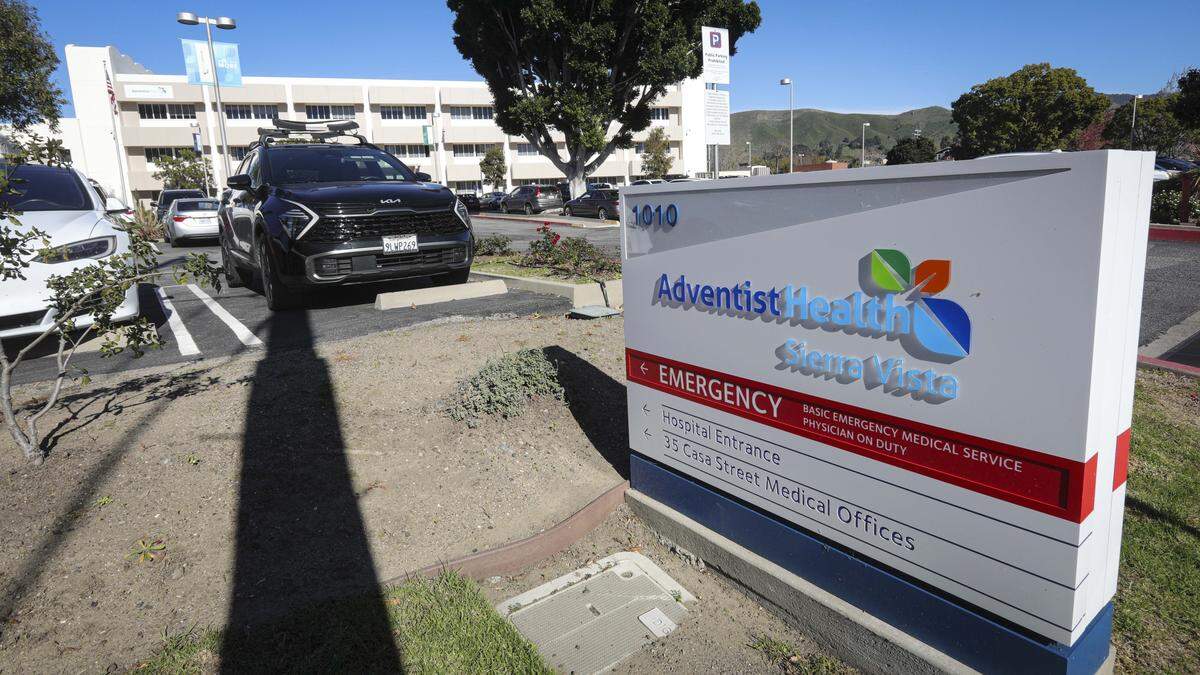
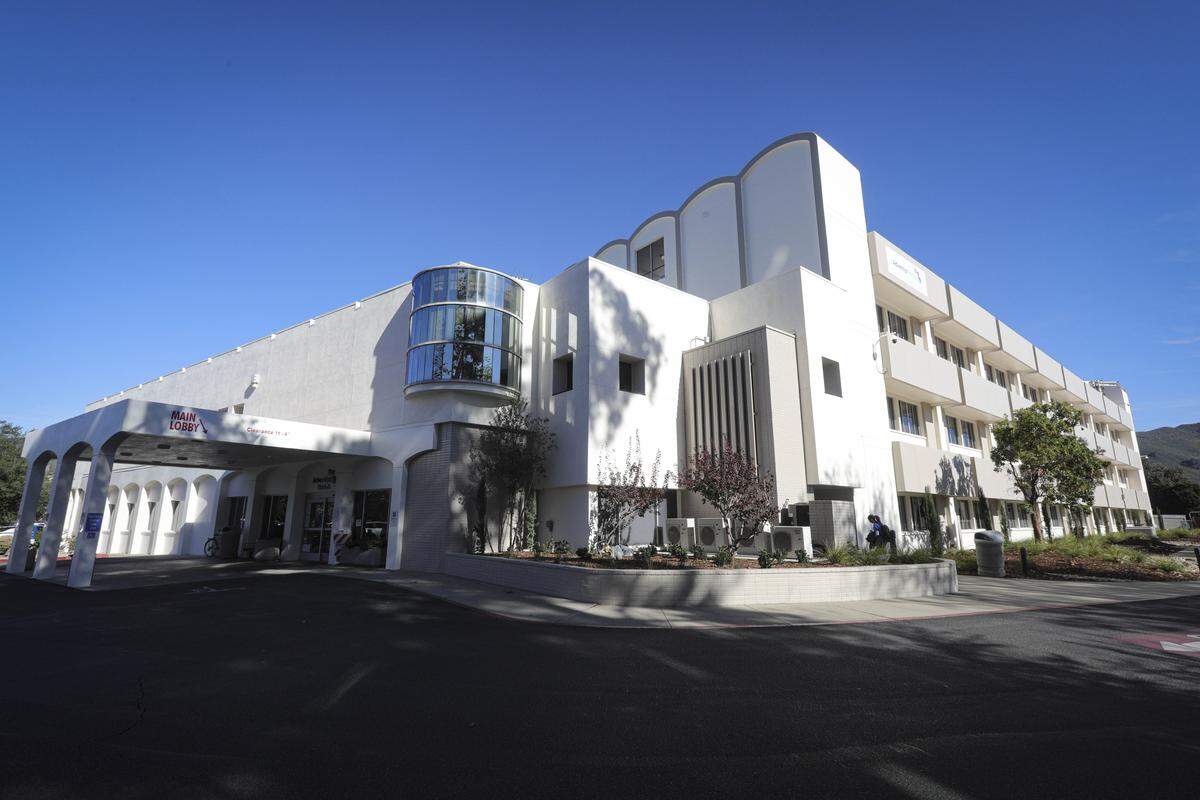
Adventist Health Sierra Vista will hold its Melanoma Monday event inside its auditorium at 1010 Murray Ave. in San Luis Obispo.
The skin cancer screening event will last from 9 a.m. to 4 p.m. Monday.
Licensed specialists will perform full body exams, looking for concerning spots while the patients are in hospital gowns.
Each screening typically lasts 10 minutes.
If the screeners recommend follow-up dermatology care or biopsies, attendees will be given “referral information for local dermatology providers,” Adventist Health Sierra Vista said.
Do I need to make an appointment?
Walk-ins are welcome at the event, but appointments are encouraged due to space and availability.
You do not need to provide an ID or insurance card.
Appointments can be scheduled online.
Follow these tips to prevent skin cancer
“Protection from UV rays is important all year, not just during the summer,” the CDC said, noting that UV rays are present even on “cloudy and cool days.”
In much of the United States, UV rays are strongest from 10 a.m. to 4 p.m. during daylight saving time, or 9 a.m. to 3 p.m. the rest of the year.
The CDC recommends taking these steps during peak hours for UV rays to stay safe:
- Stay in the shade.
- Wear clothing that covers your arms and legs.
- Wear a hat with a wide brim to shade your face, head, ears and neck.
- Wear sunglasses that wrap around and block both UVA and UVB rays.
- Use a broad spectrum sunscreen with a sun protection factor of 15 or higher.