Thousands in SLO County could lose Calfresh, Medi-Cal with ‘Big Beautiful Bill’
Thousands of San Luis Obispo County residents could lose access to public health insurance and food stamps once the Trump administration’s One Big Beautiful Bill Act goes into effect.
During the Board of Supervisors meeting Tuesday, a staff-led presentation showcased HR 1’s anticipated impacts on the county’s health and human services programs.
Signed into law on July 4, 2025, HR 1 shakes up social safety net programs by enforcing tighter eligibility rules and expanded work requirements.
Specifically, benefit recipients will need to work 80 hours per month in order to remain eligible for Medi-Cal and Calfresh, though this prerequisite could be met through volunteer work.
“Everybody wants people to work who are able-bodied, right?” Supervisor Jimmy Paulding said during Tuesday’s meeting. “That was the intent of this legislation, but we know that a lot of people will just end up not finding employment, or not getting the paperwork in order and losing benefits.”
About 20% of the county’s current Medi-Cal participants, which adds up to 13,314 people, would lose Medi-Cal coverage due to the new work requirements that are set to start in 2027, according to a county PowerPoint presentation.
Approximately 11% of Calfresh recipients, or 3,292 county residents, are at risk of losing benefits once work requirements begin in June, the presentation said.
The bill also changes which immigrant communities are eligible to receive benefits.
“Qualified non-citizens,” which includes refugees and people granted asylum, will no longer be able to receive full-scale benefits, according to the staff report. It’s anticipated this will impact about 100 Medi-Cal recipients and 100 Calfresh recipients in the county.
HR 1’s implementation will also trigger an abundance of administrative burdens that will increase costs at the county level, according to Addison Gregory, an administrative analyst with the county’s executive office.
Thousands of SLO County residents could lose Medi-Cal coverage
Beginning in January 2027, about 23,000 adults aged 16 to 64 in SLO County will have to renew their Medi-Cal coverage every six months.
Currently, more than 13,000 people are neither meeting nor exempt from work requirements, meaning they will be stripped of health insurance once HR 1 goes into effect.
These residents could shift to a “restricted scope Medi-Cal, Covered California plans, county safety-net services, or periods of uninsurance,” the staff report said. “This could result in reduced access to preventive and ongoing care and increased utilization of county-operated health facilities.”
More uninsured patients may seek care at emergency departments and outpatient centers, or turn to the county for health care services. If there’s a rapid rise in uncompensated care, hospitals and providers are also at risk of losing funding or reducing services, according to the presentation.
As a result, the new law will cause a surge in pressure on the county’s indigent health care system, but it’s still unknown exactly how much it will cost the county, the staff report said.
According to Gregory, there are three avenues the county could take to meet the inevitable uptick in county-funded health care.
It could transition to the County Medical Services Program — a state-run initiative that serves medically indigent adults in participating counties — or it could leverage the county’s managed care plan administered by CenCal.
Another option is to continue the county’s Medically Indigent Services Program as long as it allocates additional resources to better fund staffing and services, Gregory said.
Who will lose access to Calfresh due to HR 1?
Work requirements outlined in the One Big Beautiful Bill Act could cause nearly 3,300 local residents, labeled as “able-bodied adults without dependents,” to lose food assistance through the Calfresh program, the staff report said.
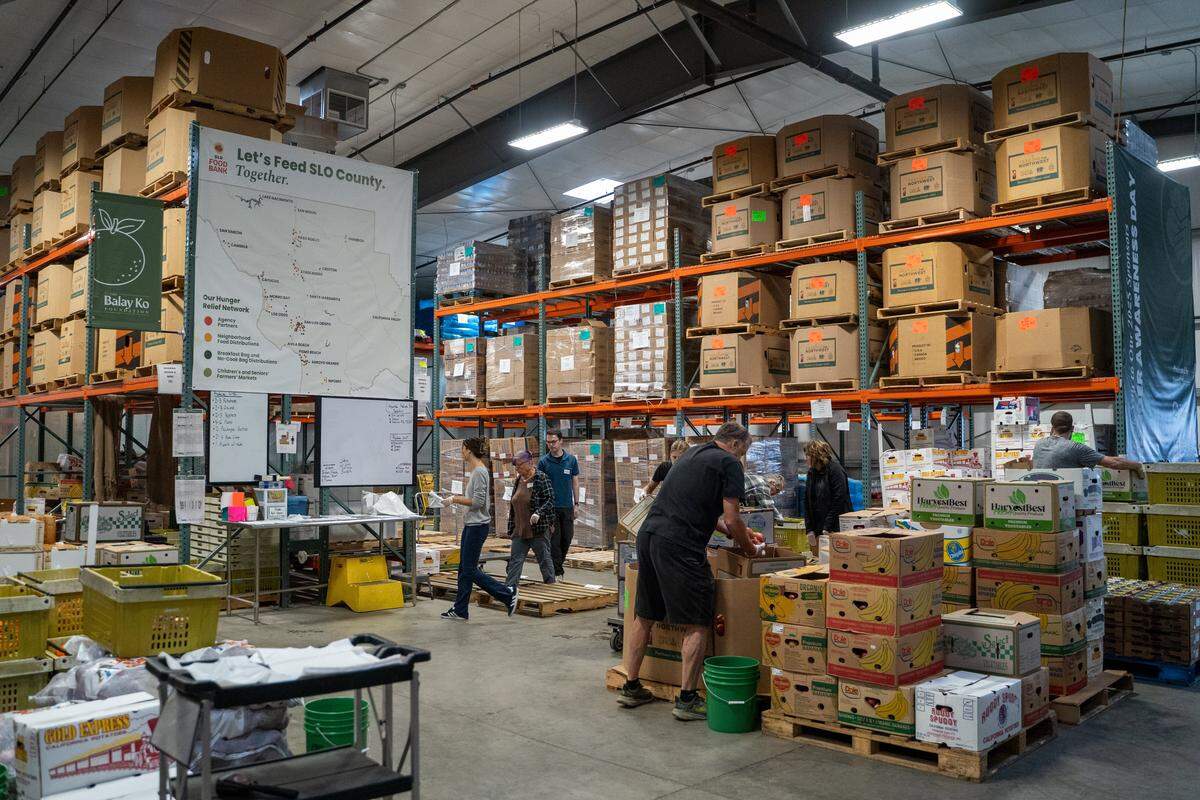
The result — food pantries across SLO County will experience a rise in demand, Gregory said.
During public comment, SLO Food Bank CEO Molly Kern said her team is preparing for thousands more people to turn to the food bank for assistance once Calfresh benefits dry up in June.
“These impacts are going to ripple throughout our community,” she said. “It’s not just to the individuals who will have to figure out a new way to eat and to get medical care. It’s also going to impact the food businesses in our community that receive about $5 to $6 million a month through Calfresh, that go to grocery stores, to farmers markets.”
Due to HR 1, the county will also be on the hook for more administrative costs revolving around the food assistance program.
The additional staffing, processing and oversight expenses are projected to cost the county around $1.6 million, according to the staff report.
Supervisor Bruce Gibson called the escalating costs “deeply concerning” and the new work requirements “unreasonably difficult.” He urged for greater advocacy at the federal level to cease the employment rules necessary to receive health care and food assistance.
“Let’s be clear that the inclusion of work requirements in HR 1 were a deliberate and explicit effort by the federal administration to kick people off benefit systems,” Gibson said.