Measles case detected in SLO County. How to stay safe from ‘highly contagious’ virus
After measles was detected in San Luis Obispo County, you may be wondering about your risk of contracting the highly contagious virus.
A local child recently contracted measles after traveling internationally, according to a Dec. 17 news release from the San Luis Obispo County Public Health Department.
It’s the first measles case detected in the county since 2018, the department said.
“This case is a stark reminder that measles, though declared eliminated in the U.S. in 2000, can still reappear when vaccination rates decline,” County Health Officer Dr. Penny Borenstein said in the release.
Is measles on the rise in California? And how can you keep from getting sick?
Here’s what to know about the highly contagious disease:
What is measles? How does disease spread?
Measles is a “highly contagious” virus that can cause serious health complications, especially in young children under the age of 5, according to the federal Centers for Disease Control and Prevention.
The disease spreads through the air when a contagious person coughs or sneezes.
Lingering measles particles can remain alive in a room for up to two hours after an infected person has left, the CDC said.
“Measles is one of the most contagious viruses known, and the best protection is to be vaccinated against the disease,” Borenstein said.
Didn’t the United States eliminate measles?
Measles was officially eliminated in the United States in 2000, the CDC said, after an effective vaccination program ceased the “continuous spread of disease” for longer than 12 months.
At the time, measles was not spreading anywhere in the United States and new cases were only reported when a U.S. resident contracted the illness while traveling abroad, according to the federal public health agency.
However, measles is now on the rise across the country, with 1,958 measles cases reported so far this year in a total of 44 states as of Tuesday, Dec. 16.
Three people in the United States have died from measles in 2025, according to CDC data.
This represents a drastic increase from 285 measles cases detected across the country in 2024.
What are common measles symptoms?
Measles symptoms typically start appearing one to three weeks after exposure to the virus, according to the SLO County Public Health Department.
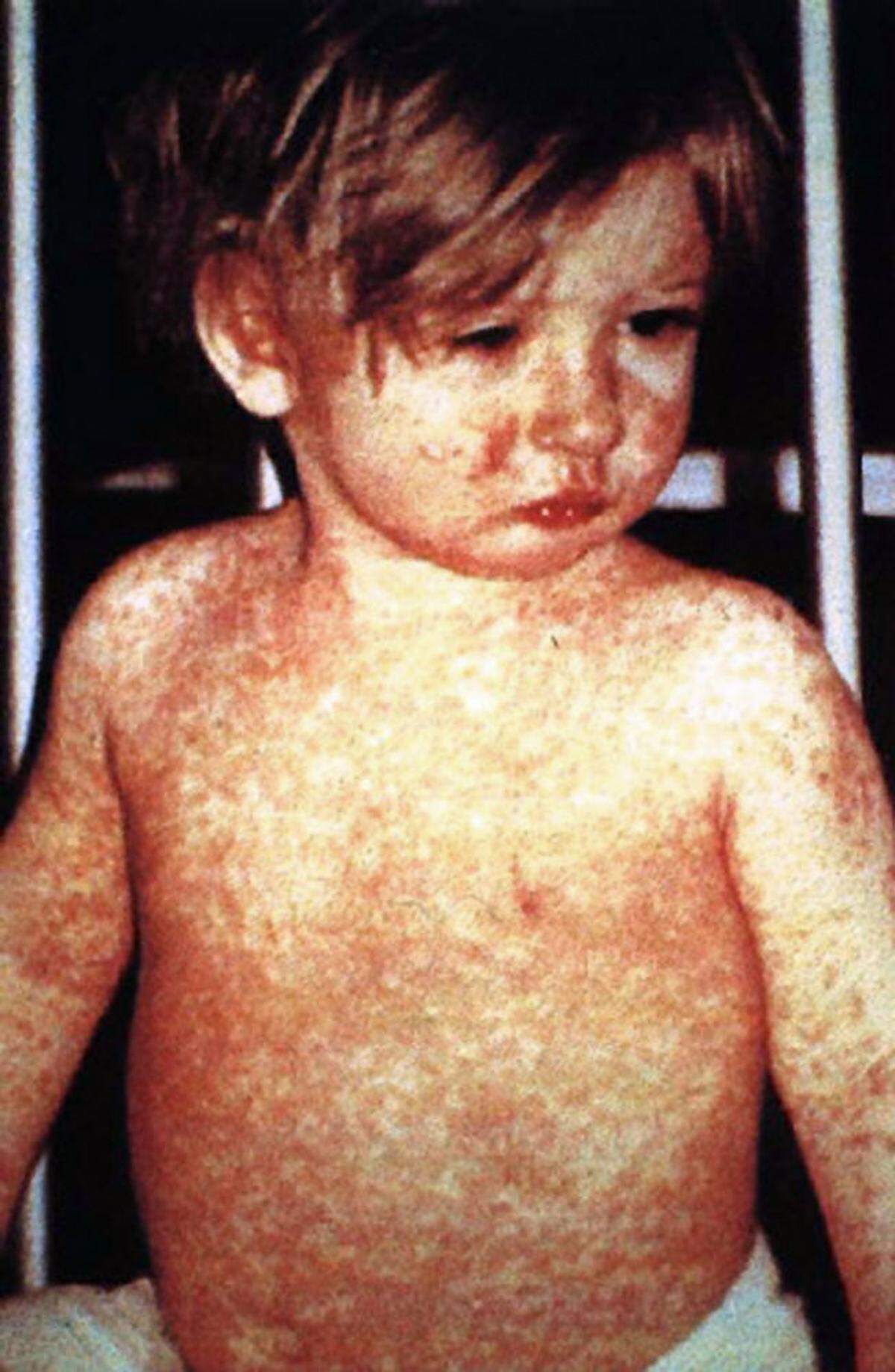
Measles cases tend to begin with a high fever, cough, runny nose and red, watery eyes.
After a few days of symptoms, tiny white spots pop up inside the mouth, the county health agency said, followed by a rash of small red spots that appear on the face and then the rest of the body.
People who are infected with measles are contagious for about nine days on average, the public health department said.
Here are some of the most common measles symptoms, according to the CDC:
- High fever
- Cough
- Runny nose
- Red, watery eyes
- Tiny white spots inside the mouth
- Rash that appears as flat red spots or small raised bumps
Common measles complications include ear infections and diarrhea, the CDC said.
More serious complications such as pneumonia and encephalitis can also arise.
“Some people think of measles as just a little rash and fever that clear up in a few days,” the CDC warned. “But measles can cause serious health complications, especially in children younger than 5 years old.
What should I do if I’m showing signs of measles?
People should stay home and avoid exposing others if they develop any measles symptoms, the SLO County Public Health Department said.
Community members are advised to contact their health care provider before visiting a health care facility, the release said.
Are SLO County residents at risk?
The SLO County Public Health Department said the risk of local measles transmission is “considered low,” since no other cases had been identified as of Wednesday, Dec. 17.
However, the county said its public health team is still working to contact every individual who may have been exposed to measles, the release said.
“Even one measles case demands a strong response,” Borenstein said.
What’s the best way to protect against virus?
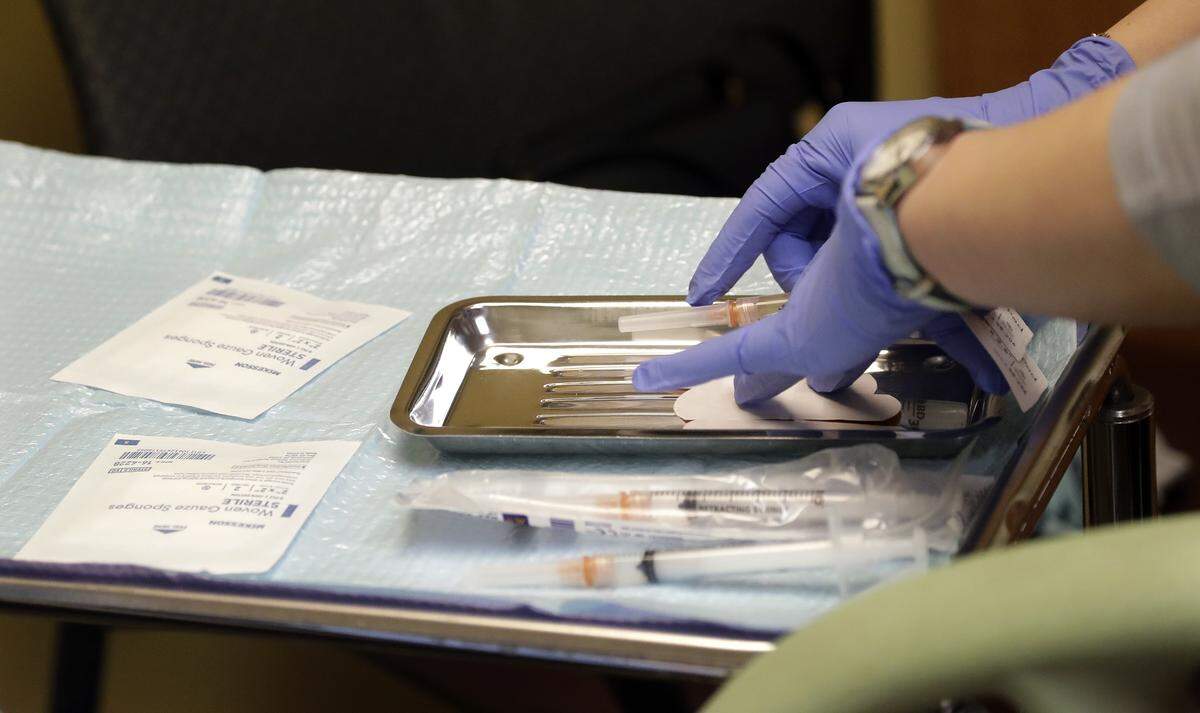
“The best way to protect against measles is with the measles, mumps, and rubella vaccine,” the CDC recommended.
The CDC said the two-dose vaccine is safe and about 97% effective at preventing measles.
Children can get the measles, mumps, rubella and varicella vaccine, which also protects against chickenpox, according to the California Department of Public Health.
The county Public Health Department recommends that children get an initial dose at 12 to 15 months old and a second dose between the ages of 4 and 6 years old.
However, the department said young children traveling internationally — who are at a higher risk of exposure— should “consider getting an early dose of MMR vaccine prior to travel for infants 6 to 12 months of age or a second dose one month after a first dose, even for toddlers and preschoolers.”
Has California seen an uptick in measles cases?
Measles cases are also increasing in California, according to the California Department of Public Health.
In 2023, the state had four confirmed cases of measles, compared to 15 cases in 2024.
As of Dec. 8, a total of 23 measles cases had been confirmed in 13 counties across California in 2025, the state public health department said.
That report had not been updated to include the case recently identified in SLO County as of Wednesday.
This story was originally published December 17, 2025 at 1:11 PM.