Highway 1 slides near Big Sur have cost businesses $438 million, study says
AI-generated summary reviewed by our newsroom.
- Highway 1 closure near Big Sur since 2023 has cost area businesses $438 million.
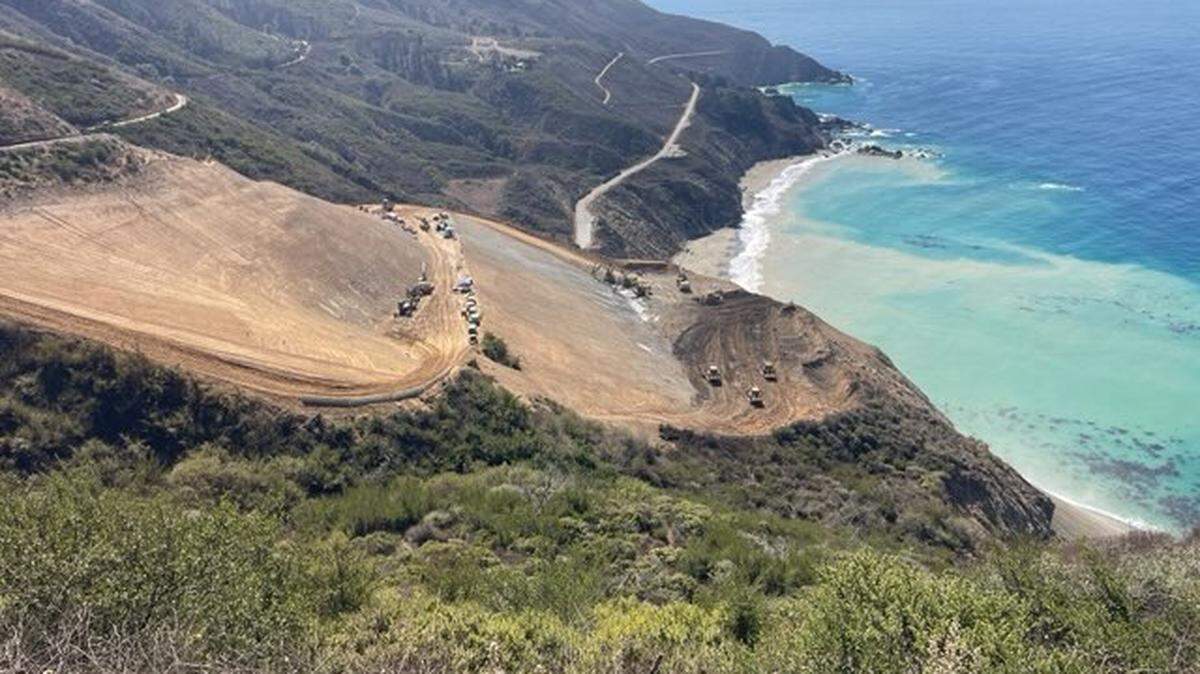
A new study found that the 32-month closure of Highway 1 due to multiple landslides near Big Sur has cost affected business communities an estimated $438 million.
So far.
That’s because the reopening date for the stubborn Regent’s Slide is still six months away, estimated for March 2026, according to Caltrans.
During the closure, the hardest-hit community has been San Simeon, the southern gateway to Big Sur, according to the Beacon Economics’ study.
Visitor spending there is down a whopping 42%.
Big Sur’s losses, in contrast, are less than half that at 20%.
The study estimated that, during the closure up to now, the region has already lost between $13 million and $14 million a month in tourist spending, tax revenue and other economic activity.
Those losses are devastating to businesses that have been hanging on however they could, hoping to outlast the closure.
Some entrepreneurs have cut staffing to the bone, changed their product mix and made other modifications, hoping to hang on until the world-famous highway reopens.
Highway 1 hasn’t been fully open since January 2023
The Regent’s Slide land mass slid first on Feb. 9, 2024, and continued sliding for months. Other smaller slides closed additional segments of the famous tourism drive for overlapping time periods starting in January 2023.
If the highway fully reopens in March, it will have been more than three years since travelers could drive the entire Big Sur coast from Cambria to Carmel.
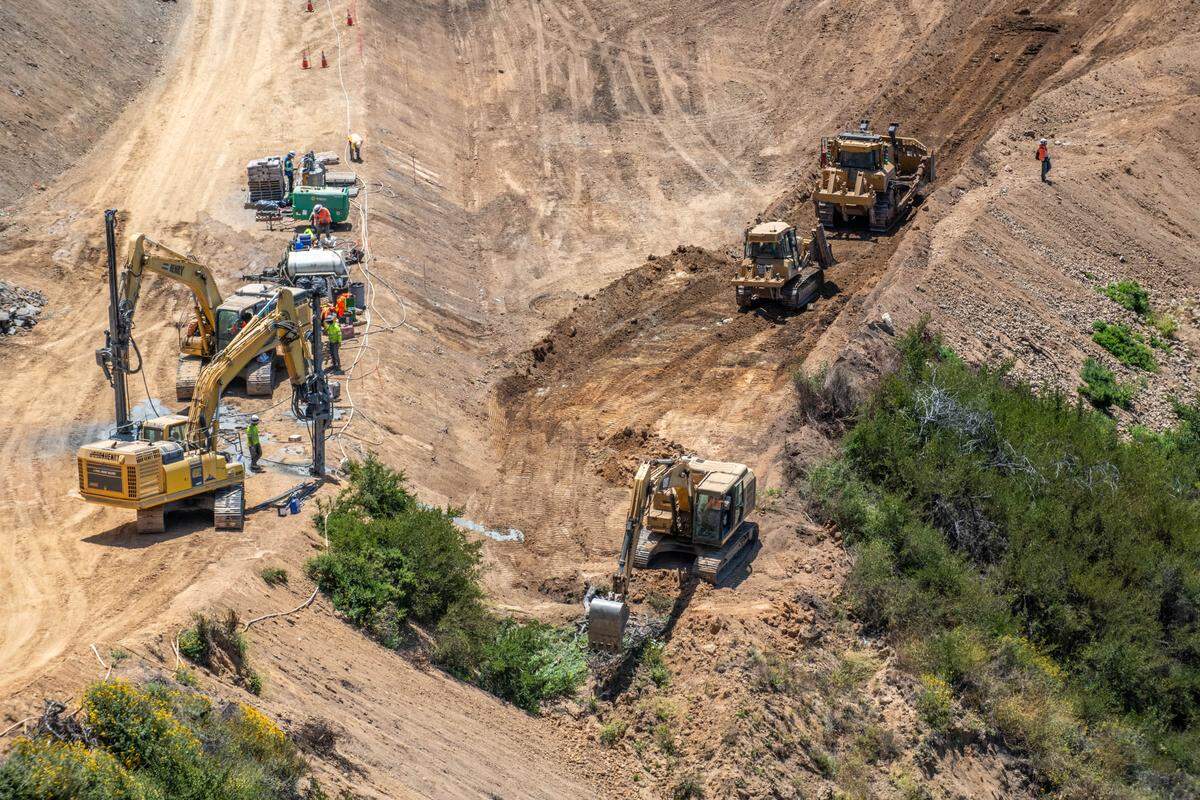
To speed work along and assure crew safety, Caltrans has employed such innovative techniques as the use of remote equipment to help safely remove displaced landslide material and lowering thousands of “rock dowels” into vertical shafts drilled deep into the slope.
“Once this six-mile stretch is reopened, road trippers will once again enjoy uninterrupted coastal travel between Dana Point and Leggett — something that hasn’t been possible in more than two years,” Caroline Beteta, president/CEO of Visit California, said in a media release.
How businesses have coped during closure
Of course, to reach alarming economic-impact averages like those noted by the Beacon Economics study, some restaurants and shops have had to do better or worse.
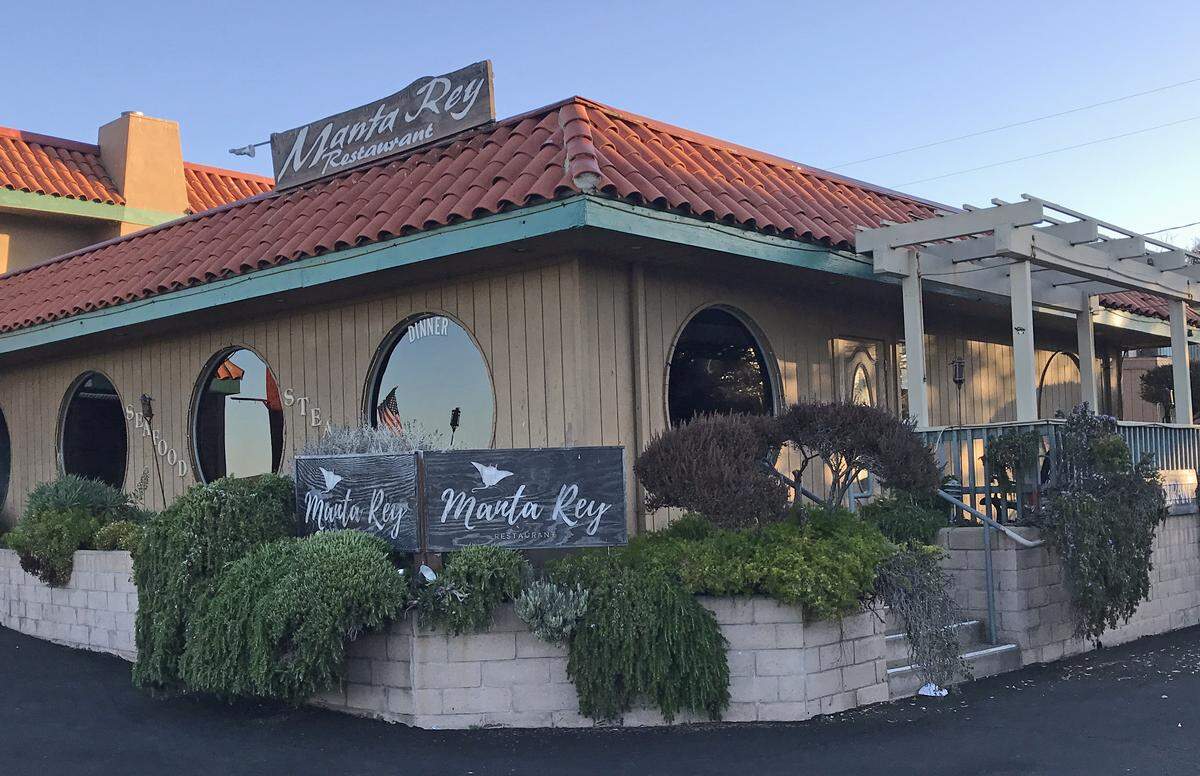
For instance, at the height of the August 2025 tourism season, Miguel de Alba, owner of the Manta Ray Restaurant in San Simeon, told The Tribune, “It’s definitely challenging. With the road closed, our business drops down about 60 percent.”
“The first thing you have to do is shorten your staff and crew, then minimize your menu as much as possible,” he said of his dinner house.
Business at de Alba’s downtown Cambria eatery and bar, Las Cambritas Mexican Restaurant, is down “15 to 20 percent, probably,” he said.
That’s at the lower end of the loss averages, but de Alba said those sales provide the financial buffer “that helps us get through the winter.”
However, “the vast majority of Highway 1 remains open and accessible, and travelers can have the full Big Sur experience, whether driving in from the north or exploring the coastline of San Luis Obispo County from the south,” Beteta said of the awe-inspiring views, seaside towns and other adventures.
The media release said that when the 656-mile Pacific Coast Highway reopens fully — something Caltrans has firmly pledged will happen — “that will mark the triumphant return of one of California’s most iconic roads — known not just for its breathtaking scenery on the edge of the North American continent, but because it embodies the spirit of California, remaining a bucket-list experience for travelers from around the globe.”