Downsized Dana Reserve project clears county hurdle — but not without concerns
The Dana Reserve project’s latest design gained the approval of the San Luis Obispo County Planning Commission — but as a compromise, not all parties are walking away happy.
Over the past three years, Dana Reserve has gone through a host of changes, with the housing development’s size, environmental impact and fit with the community of Nipomo hotly contested at previous county Planning Commission and Board of Supervisors meetings.
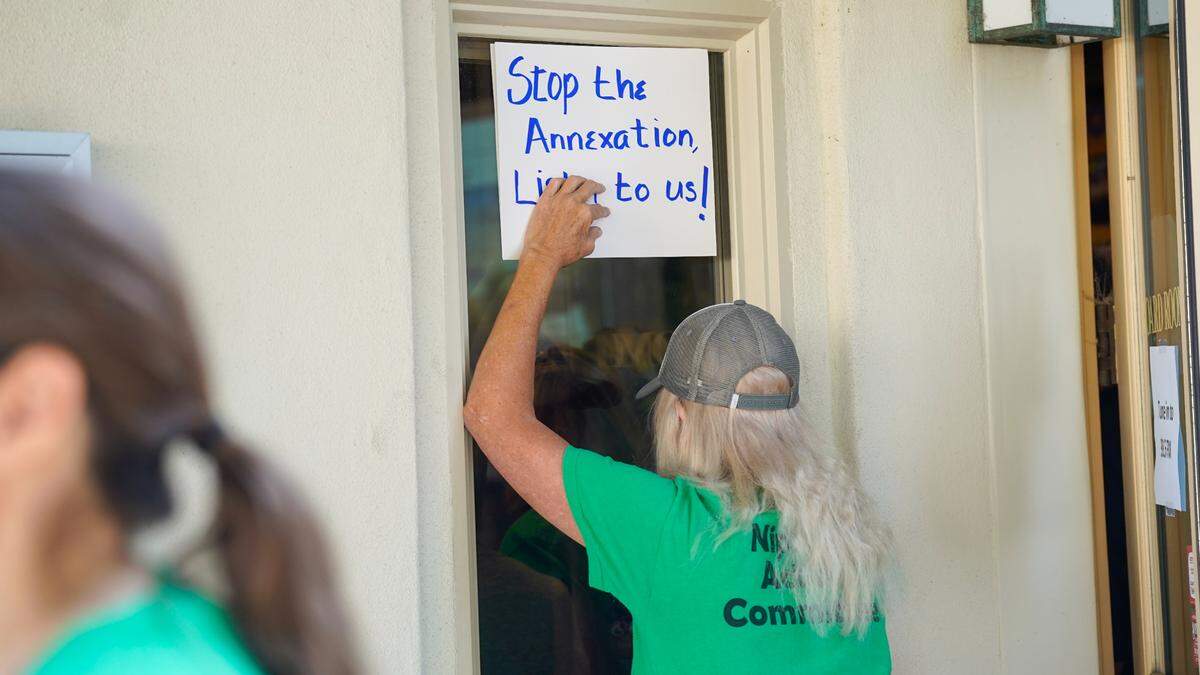
Most recently, a lawsuit based on the project’s fit with the California Environmental Quality Act launched by the Nipomo Action Committee and California Native Plant Society — which oppose several aspects of the Dana Reserve based on its impact on traffic and removal of the project site’s oak forest ecosystem — ended in a settlement that shrank the project by more than 200 units.
On Tuesday, the county Planning Commission voted 4-1 to approve the new 1,242-home development, sending the project up to the Board of Supervisors for what looks to be final approval.

Planning Commissioner Anne Wyatt, the sole “no” vote on the redesign, said she was disappointed with the project’s outcome.
“I feel like the system has failed us a bit,” Wyatt said. “We’re plagued here with missed opportunity and a bit of magical thinking.”
Second time around the block for Dana Reserve
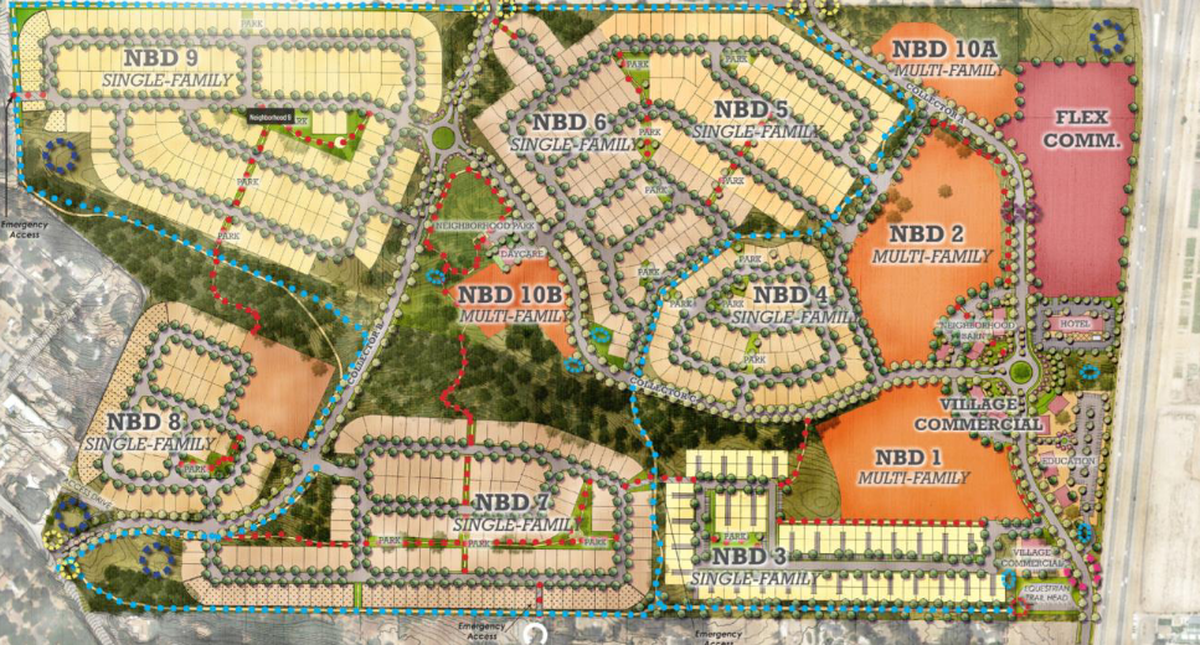
Following the settlement, Dana Reserve’s design was scaled back in several ways.
Several neighborhoods included in the project’s layout were reduced or removed entirely in the name of preserving more of the existing ecosystem, which includes an oak forest, several types of chapparal and manzanita.
By lowering the total number of homes from 1,470 to 1,242, the project preserves 195 more coast live oaks than the original design, bringing the number of total protected trees to 1,979. The project’s mitigation plan calls for the planting of 1,554 new oaks and 814 other trees onsite to offset the environmental impact.
Notably, the redesign cut the number of deed-restricted affordable homes approved for land donated by developer NKT Commercial to affordable housing developer People’s Self-Help Housing in half, dropping from 156 to 78.
Wyatt said while the 78 affordable housing units are a good start, they’ll still require People’s Self-Help Housing to acquire millions in funding to build the units on the land, meaning it could take some time for the project’s reduced affordable housing to come to fruition.
She pointed to the county’s lagging progress on its Regional Housing Need Assessment goals for affordable housing — approving just seven of the 801 very low-income units and 226 of 505 low-income units required more than halfway through the cycle — as evidence of the project’s failure to meaninfully add affordable homes to the housing market.
“It’s magical thinking to think these homes that are market rate are going to be affordable,” Wyatt said. “We’ve seen that claim from developers all around that they’ll be affordable — look now at the projects we hoped would be affordable at Avila Ranch, at San Luis Ranch — the market rate homes are way more expensive than affordable.”
Other commissioners like Steve Lieberman and Mariam Shah said they were still glad to get some affordable housing and add needed homes through the project, even if it won’t solve the county’s market-rate or affordable housing shortages.
“I will be voting ‘yes’ on this project because we are in a housing crisis,” Shah said. ”When we are in a crisis, we look for progress, not perfection.”
Shah said she believed the lawsuit was not launched in good faith, and that the compromises made in the settlement — which included a payout of an unknown amount to the NAC to be used for the public benefit — will hurt young families in the long run.
“I think this lawsuit was not about the environment — I drive by that area almost every day, nobody’s yard is planted with the chapparal that they claim to value so much,” she said. “I think it’s about keeping people out of the neighborhood, and look at the numbers — it’s about keeping poor people out of the neighborhood.”

Developer, opposition on the same page
With the project set to be heard for a final time by the Board of Supervisors in the fall, development on the first phase of homes could begin in July 2026, according to project spokesperson Jocelyn Brennan.
According to a joint statement from NKT Commercial and the NAC, the settlement balances both parties’ goals for the development, and no further legal challenges are expected.
In the statement, NKT managing partner Nick Tompkins said he hopes that the settlement and resulting project changes will be recognized by the county as a sign that the project is in the right shape to move forward.
“We have worked closely with NAC and CNPS to modify the project in a way that is mindful of the community concerns and still provides a meaningful ladder of housing,” Tompkins said in a statement. “We appreciate our local representatives who make land use decisions.”
Tompkins’ sentiments were echoed by NAC director Alison Martinez in the statement.
“We appreciate all the work and support of our community members and are ready to move forward,” Martinez said in the statement. “This settlement will provide significant financial resources to address future priorities of our community.”
This story was originally published September 17, 2025 at 1:32 PM.