Owners can tear down unique SLO County cottage. Could it still be saved?
AI-generated summary reviewed by our newsroom.
- Coastal Commission approved demolition of 1965 Cambria cottage for larger home
- Appeals failed despite concerns over precedent, planning policy and view impact
- New home design will double size, block more ocean views, end vacation-rental status
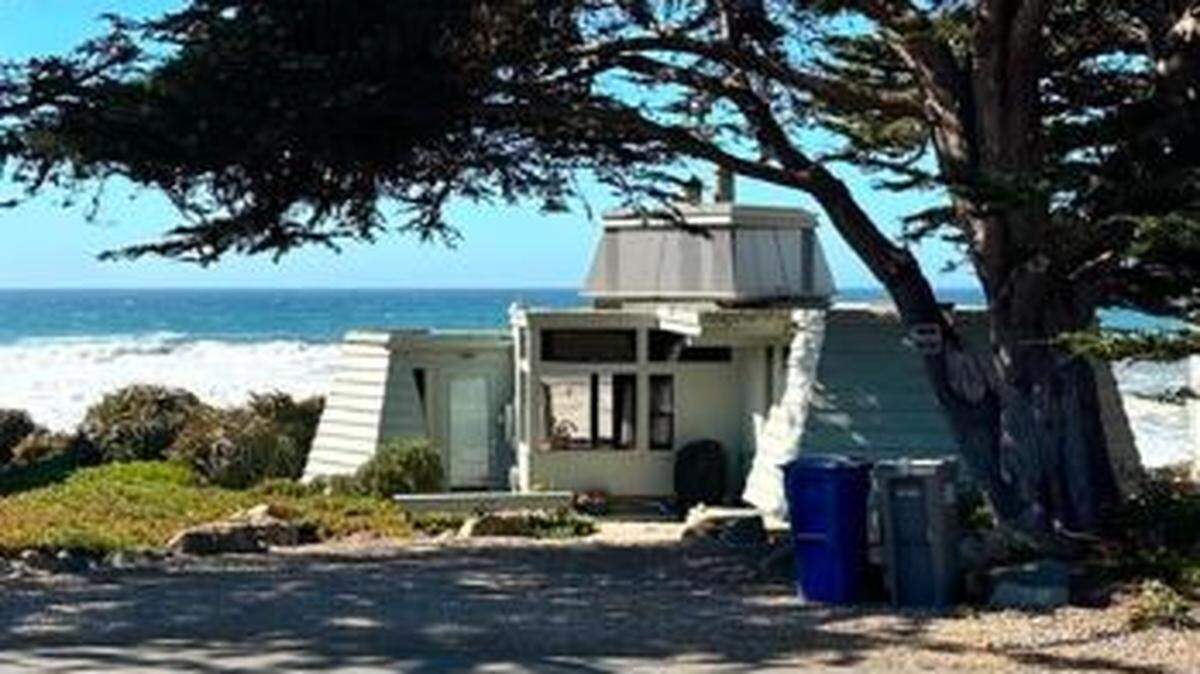
The California Coastal Commission ruled unanimously Wednesday that the owners of a distinctive little oceanfront cottage in Cambria may tear it down and replace it with a structure that’s more than twice as large and would further block views of the sea.
The North Coast Advisory Council, as represented by Chairperson Christina Galloway and Cambria resident Jeff Lentz, had filed appeals with the commission after county supervisors denied previous appeals and approved the project’s permit in early June.
The commissioners’ vote came at 7:50 p.m., following a marathon hearing about new rules for vacation rentals in Monterey County.
The short Cambria hearing included a brief staff presentation, three public comments and a comment from Commissioner Mike Wilson.
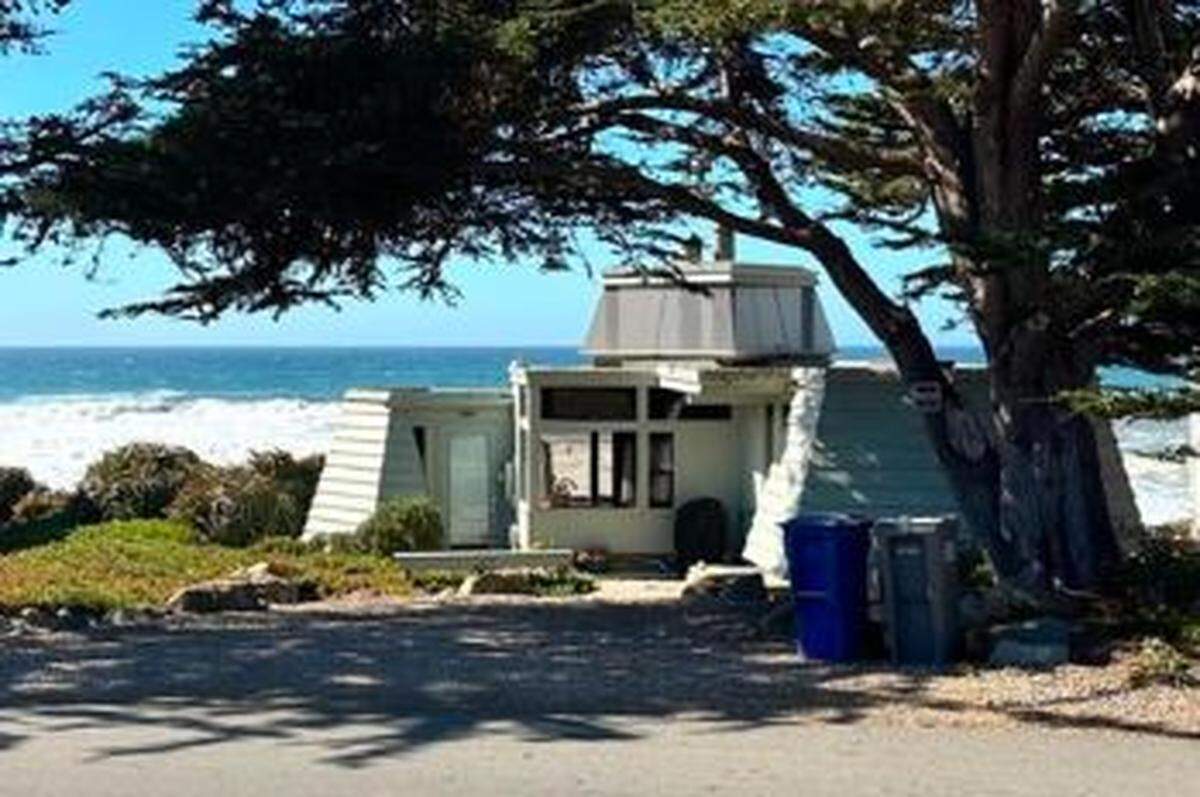
“I can’t find the findings to go against the staff on this,” he said before joining his fellow commissioners to allow owners Peter and Beata Przybyslawski to remove and replace the 1,170-square-foot structure that was conceived and built in 1965 by noted designer Warren Leopold.
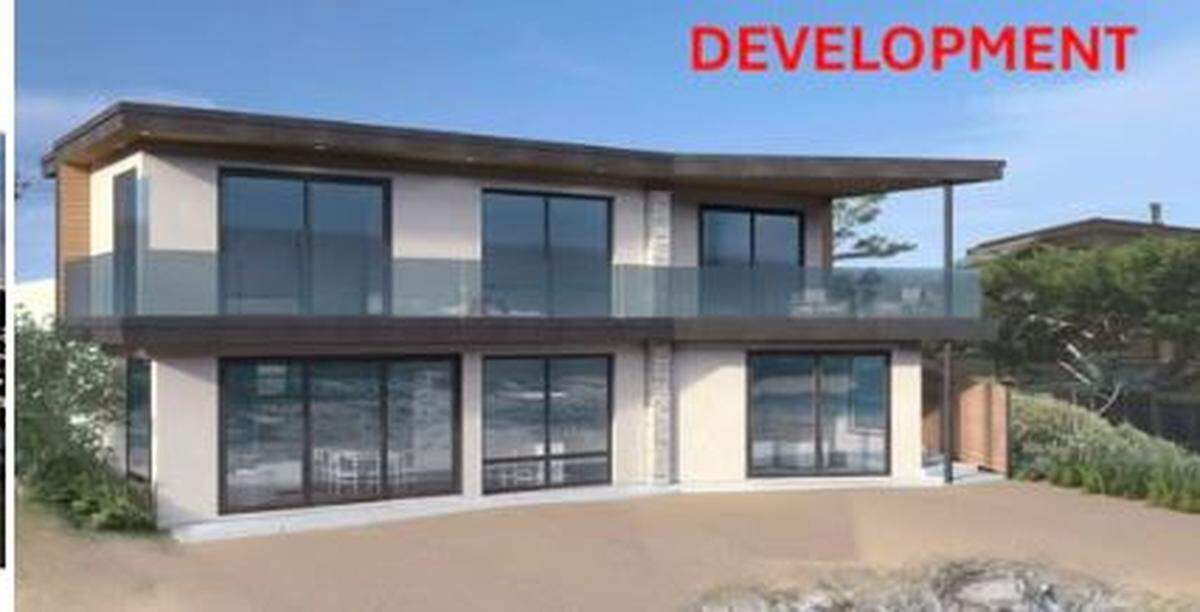
The owners want to replace the cottage with a 2,419-square-foot, two-story, three-bedroom, three-bath structure.
However, once modified, the home could no longer be made available as a vacation rental, according to conditions put on the permit by county supervisors in June.
“It’s a really cool house, though … not beyond its useful life,” Wilson said of the cottage. “I do wish this house could exist somewhere on the planet … maybe move it to another lot.”
That would be the only option for saving it, apparently.
The cottage’s owners would probably be up for that, according to their architect and spokesman, Bill Isaman of San Luis Obispo.
“We’d like to move this somewhere. That would be a happy ending for everybody, but I don’t know the probability of that happening,” he said, especially since he’d tried before to find someone willing to relocate the small structure.
It will be a while before anything happens there, Isaman said.
“We’ve been in this phase for four years and still have a lot of work to do,” Isaman said. “They’re at least a year out from starting the demo, if they decide to do that, and I think they will.”
They don’t yet have any construction drawings or other necessities.
In the meantime, he said, the Przybyslawskis will continue to vacation-rent the cottage, allowing for their own visits “a couple of weeks at a time every other month.”
Appellants are disappointed and concerned about setting precedents
“I accept that today NCAC lost … and Cambria lost,” appellant Galloway told The Tribune after the hearing.
“Our argument was based in policy, and still no one at the county or Coastal Commission will explain why the legal requirement for a visual analysis in a scenic view corridor was not required,” she said via email, reiterating some of what she’d told commissioners during her in-person testimony.
“When I said this sets a bad precedent, I literally mean a bad precedent. Now, anyone else could want to build on a coastal bluff or in a sensitive resource area or in a scenic view corridor and argue that the standard (legally) certified in our LCP (Local Coastal Plan) is discretionary, which it is not. It is the law,” Galloway said.
“This is a bigger issue for the future of Cambria than I suspect Cambrians’ realize,” she added.
There were more than 200 pages of public comment and 60 comments in the item’s written report, only three of which opposed the appeals, Galloway said.
While not designated historical, the cottage has history
Leopold designed the Cambria cottage at 2675 Sherwood Drive in 1965 to maximize its coastal views. The structure is flanked by four large, mature Monterey Cypress trees, through which there’s a clear view of the sea for people walking by on the street.
“Monterey cypress are not given environmental sensitive habitat protection in Cambria,” a commission staffer said at the hearing, but many in Cambria say they consider the cottage’s large, old trees to be iconic. The project’s construction would require three of them to be removed.
The snug, blufftop house with beach access is less than 200 feet from the entrance to the large Fiscalini Ranch Preserve owned by the community.
The cottage’s one-tenth-acre property is in a prime residential area where many smaller homes already have been torn down and replaced by much larger ones.