CA environmental law was overhauled to boost housing. Will it help in SLO County?
The “law that swallowed California” was dealt a significant blow in the state Legislature on Monday in the name of quickly creating more housing in the Golden State — but will it actually make a difference in San Luis Obispo County?
That nickname, originally attributed to state Sen. Scott Weiner, refers to the California Environmental Quality Act, athe 54-year-old law originally signed by Gov. Ronald Reagan that’s better known as CEQA (pronounced “see-kwa”).
In the world of development, CEQA has earned that moniker for its reputation as a project-killer because of its provisions that allow for any individual or group to sue — or threaten to sue — if they feel that the environmental study for every development required under CEQA isn’t accurate or detailed enough.
But on Monday, with the Legislature’s passage of Assembly Bill 130 and Senate Bill 131 as part of its budget hearings, CEQA’s ability to delay or obstruct development has been significantly diminished. Under the newly passed bill, urban infill housing developments, which are built in dense urban spaces surrounded by existing development, are now exempt from the CEQA review process, removing the ability to appeal these projects entirely.
Kimmie Nguyen, a member of the local branch of the pro-housing organization California YIMBY — “yes in my backyard” — said the new reform maintains some of the environmental protections and ability to launch CEQA lawsuits, but that opponents of urban developments will need “better reasons to halt and delay new housing.”
“CEQA has paved the road to hell with good intentions,” Nguyen said in an email. “Unfortunately, CEQA also fails to protect the environment in project after project.”

Developers, housing advocates celebrate reform
In environmentally rich San Luis Obispo County, CEQA has impacted development at several junctures.
Nguyen said as a trained urban planner and regulator, she views CEQA and its application to housing development as a “mixed bag.”
Nguyen said CEQA’s original intent was admirable when it was introduced in the 1970s — acting s a safeguard against developments that would disrupt the environment — but since then, its actual application has become closer to a cudgel to be wielded in bad faith against development.
While YIMBYs as a political group are not a monolith in their view of what environmental laws are necessary, they aren’t against CEQA — just what it has become, Nguyen said.
“The most car-centric, infrastructure-intensive, habitat-destroying developments STILL do get built under CEQA,” Nguyen said in the email. “As long as you write a long-enough environmental impact report with enough concessions to satisfy the entities that might sue you. As long as you hire enough consultants and lawyers.”
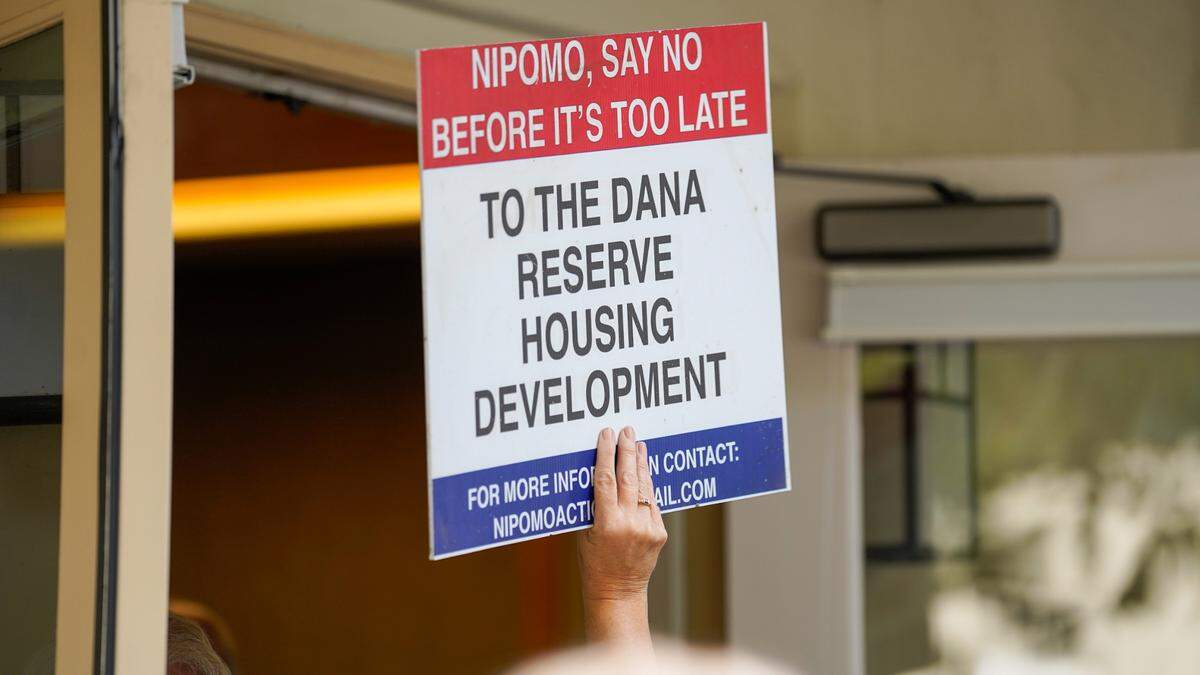
Most recently, CEQA was cited by the Nipomo Action Committee and California Native Plant Society as the basis for the complaints in their lawsuit against developer NKT Commercial over its Dana Reserve housing project.
In that lawsuit, the plaintiffs alleged the county abused its discretion and violated CEQA by approving a final environmental impact report that does not comply with CEQA’s substantive and informational mandates, arguing that the county’s environmental report lacks analyses of the Dana Reserve’s water supply, project alternatives, mitigation measures and evacuation plan in the event of a fire.
That strategy largely proved successful in accomplishing the Nipomo committee’s goals of getting a smaller Dana Reserve approved by the county Board of Supervisors, with the lawsuit settlement requiring the project to cut 229 homes — including half of its 156 units of affordable housing — out of the original 1,470 approved.
“Did that make the project better?” Nguyen asked in an email. “How exactly is reducing the number of people living there who are the most in need of housing an environmental win?”
Because CEQA’s remaining protections will largely hinge on project heights and whether they include affordable housing, its impact on San Luis Obispo County will be notable, as local residential development rarely exceeds three stories, though it will still be up to local jurisdictions to implement these changes locally, Nguyen said.
Whether or not CEQA actually has obstructed housing production in particular is a point of contention among housing and environmental advocates.
For example, a 2023 study from the law firm Holland & Knight found that in 2020 alone, CEQA lawsuits sought to block approximately 48,000 approved housing units statewide, or just under half of the state’s total housing production that year.
However, a 2023 Housing Workshop study from environmental advocacy group CEQA Works found that between 2019 and 2021, only 23.8% of the approximately 540 CEQA lawsuits filed in that time frame were related to housing.
People’s Self-Help Housing CEO Ken Triguiero said the affordable housing development nonprofit was “encouraged” to see CEQA reform because it puts to bed anxieties over long processing delays and expensive litigation.
“One example of some initial CEQA reforming accomplished through recently enacted state law, was applying SB4 to a project we had in development where CEQA streamlining reduced the timeline for a project by 18 months and saved hundreds of thousands of project cost dollars,” Triguiero said in an email. “These changes could really accelerate and reduce the cost of some much-needed future local affordable housing projects.”
Environmental advocates decry CEQA changes
Attorney Babak Naficy, who represented the Nipomo Action Committee in its CEQA lawsuit against the Dana Reserve project, said the new reforms are the most substantial change in California environmental policy in his three decades of environmental activism, calling the idea that CEQA is strictly a tool for opposing development a “myth.”
“I think the developers/builders and their allies in the Legislature have been perpetuating this myth to remove anything they perceive to be an obstacle to development,” Naficy said in an email. “The governor can claim this bill will bring about a lot of affordable housing (it will not), but I believe it is a massive gift to developers.”
He said this type of reform follows a trend in the Legislature of passing bills that are better tailored to fit large urban settings such as the Bay Area and Los Angeles.
Because the new guidelines have exempted advanced manufacturing projects on sites zoned only for industrial use from CEQA review, unchecked urban and industrial growth could endanger the environment, particularly in the absence of environmental review, he said.
“Here, in SLO, while there is cost associated with environmental review, the main driver of the high cost of housing is price of land and construction, which continues to rise,” Naficy wrote. “Moreover, of the many, many large development projects that have been approved and built in the last 10 years, very few were challenged in court.”
In the absence of the CEQA appeal process for some dense urban developments, elected officials and residents will need to be more diligent in standing for or against housing element and zoning changes because many projects that conform with those guidelines will be able to make it through the approval process unchallenged by environmental review, Naficy said.
“My worry is that with this bill, impacts of many projects are not going to be analyzed and therefore not mitigated, which at the end of the day, would be bad for the people of California,” Naficy said in an email. “In particular, I worry about the impact on underprivileged communities that are already bearing the brunt of pollution in many communities. “
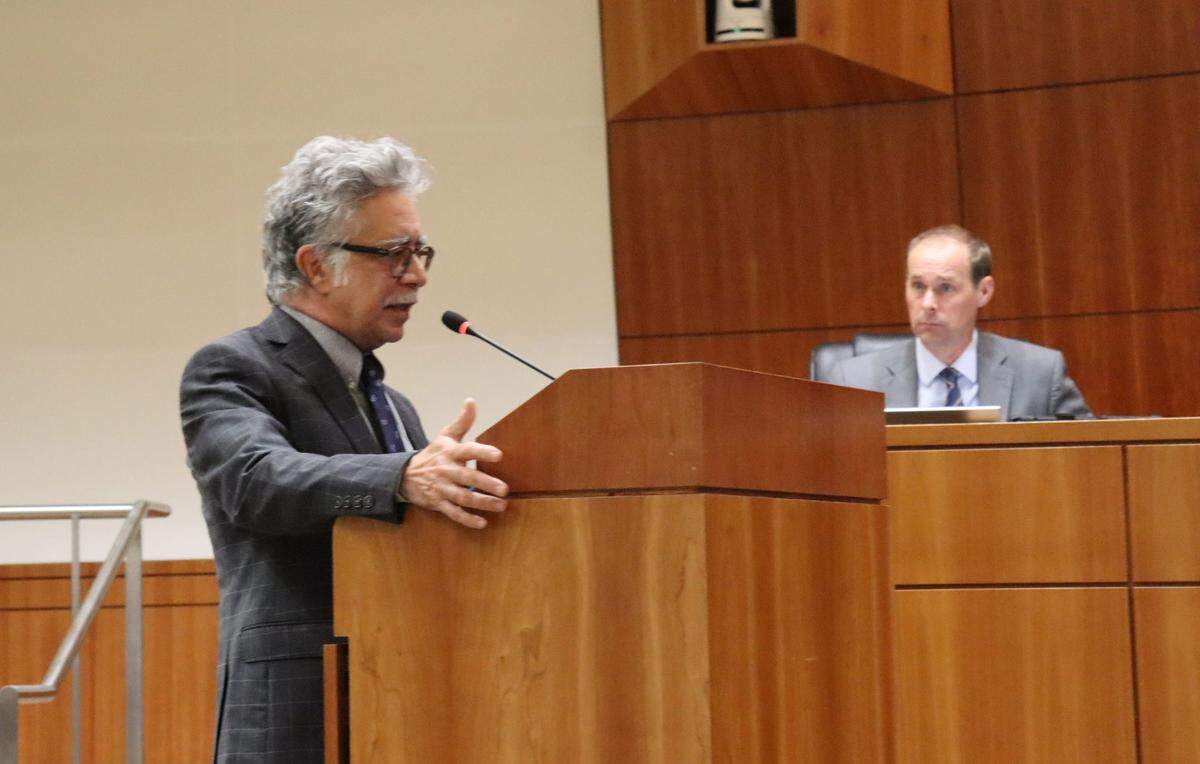
Matt Baker, policy director of the Planning and Conservation League — the organization originally responsible for the writing of CEQA in the 1960s — said using the budget process to accomplish CEQA reform undermines California’s democratic process.
Baker said the legislation is riddled with loopholes that will make it easier to exploit California’s natural environment, echoing Naficy’s concerns about advanced manufacturing facilities.
“We’re extremely dismayed by the events that have taken place over the last couple of weeks that have led up to this big budget deal that happened, where the budget was held hostage on the passage of this CEQA rollback,” Baker told The Tribune.
Susan Harvey, an environmental activist who’s worked with groups such as the Sierra Club, said she was concerned that the health and safety consequences of potential declines in air quality, noise pollution and a lack of mitigation efforts will stack up over time, while the amount of actual housing that will be made cheaper for builders and residents will be hard to judge.
“Everyone in the jurisdictions will be impacted, and failure to mitigate impacts will result in an accelerating decline in health, safety, and overall quality of life,” Harvey said in an email. “By ‘accelerating,’ I mean that each infill project that doesn’t mitigate its impacts will cumulatively and perhaps exponentially add to the deterioration of urban environments.”
She added that proponents of CEQA are falsely portrayed as being against housing expansion, and said housing proponents have hyper-focused on it as a root cause of the housing crisis when the issue has a host of other factors that aren’t being addressed.
“Opponents of CEQA speak like the projects are happening in a vacuum and have no impacts on the neighborhoods, the cities and the planet,” Harvey said in an email. “So the blame for housing shortage is shifted to the public.”
“That is far from the truth,” she said.
This story was originally published July 6, 2025 at 11:00 AM.